What Is Medicare Advantage and How Does It Work?

Medicare Advantage plans, also known as Part C, are essentially a bundle of services that include Medicare Parts A and B, with most plans extending additional benefits beyond traditional Medicare, such as prescription drug coverage, dental, vision, and even wellness programs.
Offered by private insurers within a network, these plans provide a structured yet flexible alternative to basic Medicare, aiming to enhance satisfaction among seniors by offering more comprehensive coverage options tailored to various healthcare needs.
The way these plans work is relatively straightforward. Private insurance companies contract with CMS to provide all Medicare-covered services under Parts A and B.
However, unlike traditional Medicare, Medicare Advantage plans typically operate as HMOs or PPOs, requiring you to choose a primary care physician and stay within their established network of healthcare providers. This network system is designed to manage healthcare costs effectively and ensure quality care delivery.
Plus, plans may offer additional benefits that are not available under traditional Medicare, making them a compelling choice for those seeking broader insurance coverage. A crucial feature of Medicare Advantage is that they often cover services like routine dental check-ups or vision exams, not typically included in Medicare Parts A and B.
Additionally, depending on the plan, there might be options to include coverage for over-the-counter items and even fitness memberships. Each plan varies significantly, so it’s essential to explore these variations carefully, using resources like Star Ratings to evaluate quality and beneficiary experience.
As these plans can vary in terms of coverage details and costs, comparing them based on personal healthcare needs can be beneficial to ensure you select the most appropriate plan for your situation.
Navigating through Medicare Advantage options can be overwhelming, but resources like CompareMedicareAdvantagePlans.org provide unbiased, compliance-safe guidance to help you understand what each plan offers.
Educating yourself thoroughly about how these plans compare to traditional Medicare can aid in making more informed decisions. Ultimately, Medicare Advantage presents a multitude of choices designed to cater to diverse healthcare preferences, aiming to enhance overall satisfaction and coverage effectiveness for enrolled beneficiaries.
Benefits of Choosing Medicare Advantage
Choosing a Medicare Advantage plan extends beyond simply having health coverage; it opens the door to a range of additional benefits that aren’t typically offered under traditional Medicare. Firstly, many Medicare Advantage plans include built-in Part D prescription drug coverage, negating the need for a separate drug plan, which simplifies the management of your healthcare needs.
This integrated approach can be more convenient for individuals who prefer having all their health services under a single plan, thereby easing administrative hassles. One notable advantage is the cap on out-of-pocket expenses, providing financial predictability that traditional Medicare lacks.
This annual out-of-pocket limit ensures that once a beneficiary reaches a specific spending threshold, the plan covers 100% of services thereafter for the remainder of the year. This protection can be a significant factor for those on a fixed income, providing peace of mind amidst potential healthcare costs.
Medicare Advantage plans often offer perks like wellness programs, routine hearing exams, dental care, and even fitness memberships through programs such as SilverSneakers. These additional benefits promote a healthier lifestyle, catering to the well-being of seniors who seek a more holistic approach to health coverage.
Some plans might also cover alternative treatments like acupuncture, offering further choices in pursuit of comprehensive health management. Moreover, these plans place an emphasis on preventative care, encouraging regular check-ups and screenings by covering them at little to no cost.
The focus on preventative care aims to maintain long-term health and avoid more severe health issues down the line, which aligns well with the overall goal of improving the quality of life for seniors. Finding the right plan involves exploring ratings and satisfaction scores given by CMS, reflecting both quality and user experience.
Assistance through resources like CompareMedicareAdvantagePlans.org can be invaluable in navigating the abundance of plan options available for 2026. This balanced, unbiased direction helps to ensure seniors can explore and select plans with confidence, based on their specific health and financial needs.
With Medicare Advantage, embracing a plan that fits your lifestyle and healthcare needs means navigating through both benefits and limitations, but ultimately optimizing your Medicare experience.
Comparing Medicare Advantage Plans and Traditional Medicare

When it comes to choosing between Medicare Advantage plans and traditional Medicare, it’s important to understand the differences in coverage, benefits, and cost structure. Medicare Advantage plans, often favored for their comprehensive benefits, contrast with traditional Medicare’s straightforward but more limited coverage.
Understanding these key differences can help seniors and caregivers make informed decisions about which option aligns best with their healthcare needs for 2026. By comparing network requirements, additional benefits, and costs, you can explore which health coverage option might be more satisfying and cost-effective.
Key Differences Between Advantage Plans and Traditional Medicare
When comparing Medicare Advantage plans with traditional Medicare, the contrasts can significantly impact your choice of healthcare coverage. Traditional Medicare, which includes Part A (hospital insurance) and Part B (medical insurance), offers flexibility in choosing healthcare providers.
Beneficiaries have access to any doctor or hospital accepting Medicare across the United States, without needing to stay within a particular network. However, this broad access comes with its own set of limitations, such as the absence of an out-of-pocket maximum, which can lead to higher expenses if significant medical care is required over the year.
Moreover, supplementing traditional Medicare with a standalone prescription drug plan (Part D) and possibly a Medigap policy might be necessary to cover additional costs not included in the standard structure.
On the other hand, Medicare Advantage plans, sometimes known as Part C, bundle Part A and Part B coverage and often include additional benefits like dental, vision, and hearing. Offered by private insurers like UnitedHealthcare (AARP/UnitedHealthcare), these plans typically require beneficiaries to use a specified network of doctors and hospitals.
This network-based system, often structured as an HMO or PPO, aims to manage healthcare costs and enhance satisfaction by offering coordinated care under a primary care physician. Many plans include built-in drug coverage, minimizing the need for separate Part D enrollment.
A crucial aspect to consider is the cost structure. Medicare Advantage plans usually have a monthly premium, though some may offer premium-free options by balancing other out-of-pocket costs like copayments and coinsurance.
In contrast, traditional Medicare premiums can be higher when you account for supplements and standalone drug plans. Additionally, Medicare Advantage plans set a cap on out-of-pocket expenses, providing a financial safety net for enrollees.
Evaluating these cost elements alongside the additional benefits such as wellness programs, which are often not covered under traditional Medicare, becomes essential. Hence, when exploring your options, consider the capabilities of resources like the CMS Star Ratings and other satisfaction scores to assess quality and member experiences.
Why Consider an Advantage Plan Over Traditional Medicare?
Deciding between Medicare Advantage plans and traditional Medicare involves weighing several factors to determine what best aligns with your personal healthcare needs and budget. One compelling reason seniors might explore Advantage plans over traditional Medicare is the comprehensive benefits package many of these plans offer.
Besides covering standard Part A and B services, they often include Part D drug coverage, routine dental, vision, hearing services, and sometimes even fitness programs. This all-in-one approach simplifies healthcare management as everything is coordinated through a single plan, which might appeal to those preferring streamlined services.
Another significant advantage is cost predictability. Medicare Advantage plans typically include a cap on out-of-pocket expenditures, ensuring financial protection once you’ve reached an annual limit.
This can be particularly reassuring for individuals on fixed incomes, as traditional Medicare lacks such a cap, potentially leading to higher out-of-pocket spending for extensive care. Additionally, many Advantage plans set their monthly premiums at competitive rates, sometimes even being lower than what you might pay with traditional Medicare combined with Part D and Medigap policies.
Advantage plans also emphasize preventative care, offering benefits like annual wellness visits without additional fees, which support maintaining your health proactively. Networks associated with these plans are designed to facilitate coordinated care through preferred providers.
While this network may seem restrictive, it offers the advantage of managing healthcare delivery efficiently and ensuring quality of care through approved providers. Resources such as CMS Star Ratings can help you evaluate these plans, providing insights into plan performance and member satisfaction.
UnitedHealthcare’s (AARP/UnitedHealthcare) plans often rank highly, reflecting their commitment to quality services.
For seniors exploring options, resources like CompareMedicareAdvantagePlans.org provide unbiased assistance in navigating these complex choices. They offer insights into plan variations, helping you identify potential savings and benefits that match your healthcare priorities.
While both Medicare Advantage and traditional Medicare offer valuable coverage, the additional benefits, cost caps, and integrated care model of Medicare Advantage plans can make them an attractive choice, particularly if you value convenience and financial peace of mind.
By understanding these elements, you empower yourself to choose a plan that enhances not only your health but also your financial well-being in 2026.
Types of Medicare Advantage Plans Available for 2026
Understanding the various types of Medicare Advantage plans can be pivotal as you consider your healthcare options for 2026. With a range of plan types available, each offering unique benefits and structures, selecting the right one depends on your specific needs and preferences.
In this section, we’ll explore the different plan types like HMO and PPO, and delve into how evaluating star ratings can guide your decision-making process. Whether you’re seeking flexibility, comprehensive coverage, or cost predictability, learning about these options will help you navigate the intricate Medicare landscape confidently.
Exploring HMO Medicare and Other Plan Types
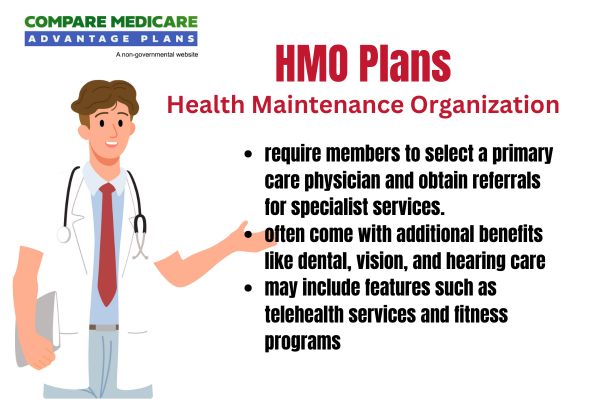
When delving into Medicare Advantage plans for 2026, one of the most common types you’ll encounter is the Health Maintenance Organization, or HMO Medicare. These plans require members to choose a primary care physician (PCP) who coordinates all healthcare services within a specified network of providers.
You’ll generally need referrals from your PCP to see specialists, emphasizing the interconnected nature of care under HMO plans. This structure is designed to provide integrated and coordinated care, ensuring your healthcare team communicates effectively to manage and optimize your health outcomes.
Besides HMOs, you may also explore Preferred Provider Organization (PPO) plans, which offer more flexibility in choosing healthcare providers. With a PPO, you’re not restricted to a network and don’t need referrals to see specialists.
However, staying within the PPO network usually means lower out-of-pocket costs. These plans can suit those who value choice in their healthcare providers but still want cost-saving benefits.
Other plan options include Private Fee-for-Service (PFFS) plans, which offer the freedom to visit any Medicare-approved doctor or hospital, as long as they agree to the plan’s payment terms. Similarly, Special Needs Plans (SNPs) are tailored for individuals with specific diseases or characteristics.
Dual eligible individuals, those who qualify for both Medicare and Medicaid, often find SNPs appealing for their customized coverage.
Beyond these, Medicare Advantage plans often include additional benefits not covered by traditional Medicare, such as dental, vision, and even prescription drug coverage. These supplemental benefits enhance the value of Advantage plans, making them an attractive option for seniors looking to simplify their healthcare under one plan.
Assessing these plan types allows individuals to weigh the benefits and limitations, aligning their healthcare choices with personal health needs and financial situations. Understanding your priorities, be it lower premiums, specific provider access, or comprehensive coverage, can guide you in selecting a Medicare Advantage plan tailored for your lifestyle and health goals in 2026.
Key Benefits and Differences of Medicare Advantage Plans for 2026
- HMO plans emphasize coordinated care with referrals needed for specialists within their network.
- PPO plans provide more freedom in choosing health care providers, even outside the network.
- PFFS plans allow visiting any Medicare-approved provider agreeing to the plan’s terms.
- SNPs cater to individuals with specific health needs, offering tailored coverage.
- Many plans include additional benefits like dental, vision, and prescription drug coverage.
- Assess coverage needs based on personal health goals and financial situations.
- Consider network restrictions, as they can impact provider choice and costs.
This exploration aids in aligning your healthcare selections to your unique health and lifestyle needs.