Medicare Changes for 2026: What You Need to Know

Looking for what Medicare Part C and D for 2026 are covered? This article details the key changes and updates. From new supplemental benefits to prescription drug caps, find out what’s covered and how it affects you.


Key Takeaways


  • Medicare Part D will implement a $2,100 cap on out-of-pocket prescription drug expenses, along with updated deductible amounts for beneficiaries.


  • Beneficiaries should conduct an annual review of their Medicare plans during open enrollment to ensure they have the most suitable coverage, especially with ongoing changes aimed at affordability and accessibility.


Compare Plans in One Step!

Enter Zip Code


 Advertisement

Overview of Medicare Part C and D

 

Overview of Medicare Part C and D


Medicare Part C, also known as Medicare Advantage, and Part D drug plans, which cover prescription drugs, are key components of the Medicare program. These plans offer comprehensive healthcare options beyond what Original Medicare provides, with additional benefits such as vision and dental coverage. Medicare Advantage plans serve as an alternative to Original Medicare and often include prescription drug coverage, making them popular among beneficiaries.
Individuals eligible for Medicare benefits include those aged 65 or older, individuals with permanent disabilities, and those with permanent kidney failure. Due to annual changes in costs and benefits, beneficiaries should review their plans during the open enrollment period from October 15 to December 7 each year. During this period, beneficiaries can switch between Original Medicare and Medicare Advantage to secure the most suitable coverage for their needs.
In 2026, beneficiaries will benefit from negotiated drug prices and free vaccinations as part of ongoing reforms. These updates aim to make healthcare more affordable and accessible, underscoring the importance of staying informed and proactive about Medicare coverage.


Medicare Part C: What’s New in 2026

In 2026, Medicare Part C, or Medicare Advantage, will see significant changes aimed at enhancing coverage options and benefits for beneficiaries. The final rule issued by CMS on April 4, 2025, aims to modernize and improve the Medicare Advantage and Part D programs. These changes encompass enhancements to supplemental benefits and new prior authorization requirements.
Standard price increases and greater plan complexity are expected due to these regulatory updates. We will explore the specifics of these changes, beginning with enhanced supplemental benefits and then addressing new prior authorization requirements.


Enhanced Supplemental Benefits

Medicare Advantage plans are known for offering extra benefits that go beyond what Original Medicare provides, such as vision and dental coverage. In 2026, these plans will likely include new supplemental benefits focused on preventive care and chronic condition management. These enhancements are designed to offer more comprehensive care and improve the quality of life for beneficiaries.
Special supplemental benefits for the chronically ill will become more widely available, addressing needs not covered by Original Medicare and hospital insurance and medical insurance. This expansion provides more insurance options and additional support for managing long-term health conditions, helping beneficiaries maintain better health and potentially reducing overall healthcare costs.


Prior Authorization Requirements

A major change to Medicare Advantage in 2026 is the introduction of new prior authorization requirements. Approximately 99% of enrollees in Medicare Advantage plans will face these requirements, effective January 1, 2026. Beneficiaries will need approval before receiving certain services, potentially impacting access to necessary care.
Services requiring prior authorization under Original Medicare will include skin and tissue substitutes, electrical nerve stimulator implants, and knee arthroscopy for knee osteoarthritis. Licensed clinicians will make decisions on these prior authorization requests, ensuring medical professionals are involved in the approval process.
Although it may add an administrative burden, the goal of the advisory committee is to prevent service misuse and ensure a reasonable expectation of appropriate care for beneficiaries.


Medicare Part D: Key Changes for 2026


Medicare Part D, focusing on medicare prescription drug coverage and medicare prescription drug, will also see significant changes in 2026. These updates aim to make prescription drugs more affordable and manageable for beneficiaries. Beginning in 2025, Medicare Part D enrollees will have an annual cap of $2,000 on out-of-pocket medicare drug costs for covered drugs, which will rise with inflation thereafter.
In 2026, this cap will be adjusted to $2,100, offering a safeguard against high drug costs. Furthermore, the deductible amounts for Medicare Part D are being updated. We will explore these changes in more detail in the following subsections.


$2,100 Cap on Prescription Drug Expenses

A major update for Medicare Part D in 2026 is the introduction of a $2,100 cap on out-of-pocket expenses for prescription drugs. This cap aims to limit the financial burden on Medicare beneficiaries who need prescription medications, ensuring their drug costs do not exceed this amount annually.
This change is especially beneficial for those relying on expensive medications, as it provides a clear limit to their out-of-pocket spending. The new catastrophic coverage threshold for out-of-pocket drug costs will help beneficiaries manage their medical costs more effectively, making prescription drug coverage more predictable and affordable.


Updated Deductible Amounts

Alongside the new cap on out-of-pocket expenses, the deductible for Medicare Part D will rise to a maximum of $615 in 2026. This is an increase of $25 from the previous year, reflecting ongoing adjustments to Medicare costs.
After meeting the d deductible, beneficiaries will pay 25% coinsurance for their Medicare Part D coverage. Beneficiaries must understand these deductible updates, as they directly impact out-of-pocket costs and overall affordability of prescription drug coverage.


Compare 2026 Medicare Plans  

Enter Zip Code

 Advertisement

Compare plans and enroll online


 Advertisement

Speak with a licensed insurance agent

1-833-641-4938
TTY 711

Mon-Fri : 8am-9pm ET

compare medicare advantage plans

Insulin and Vaccine Coverage

In 2026, Medicare Part C and D will see significant changes in the coverage of insulin and vaccines. These updates aim to enhance affordability and accessibility for beneficiaries relying on these essential medical interventions. There will be a capped monthly cost for insulin, highlighting affordability improvements. Medicare will also continue to cover adult vaccines with zero cost-sharing, ensuring no out-of-pocket expenses for beneficiaries.

We will examine these changes more closely in the following subsections, starting with the insulin cost cap and then zero cost-sharing for vaccines.


Insulin Cost Cap


Insulin Cost Cap


Beginning in 2026, the monthly cost for insulin under Medicare will be capped at $35. This cap aims to make insulin more affordable for beneficiaries, many of whom rely on this life-saving medication to manage their diabetes. For a one-month supply of covered insulin product, cost-sharing cannot exceed this amount.

Additionally, no deductible will apply to insulin costs under Medicare, further easing the financial burden on beneficiaries. However, not all brands and types of insulin will be covered, so beneficiaries should review their Medicare plans to ensure their specific insulin needs are met.


Zero Cost-Sharing for Vaccines

Another major update for 2026 is the continuation of zero cost-sharing for adult vaccines under Medicare. This policy ensures that Medicare beneficiaries do not incur out-of-pocket expenses for free vaccines, which is crucial for public health.

By maintaining zero cost-sharing for vaccines, Medicare aims to enhance accessibility and encourage more beneficiaries to get vaccinated, ultimately supporting better health outcomes for the Medicare population. This policy will remain in place until at least 2026, providing peace of mind for beneficiaries relying on these essential immunization practices.

Compare 2026 Medicare Plans  

Enter Zip Code


 Advertisement

Medicare Prescription Payment Plan

The Medicare Prescription Payment Plan helps pay beneficiaries manage their prescription expenses throughout the year. While it doesn’t save money on drug costs or lower drug prices, it allows beneficiaries to spread out their out-of-pocket drug costs over the calendar year. This can be particularly helpful for those on a fixed income, as it provides a more predictable payment structure, similar to a ma pd plan, a drug plan, and drug plans. Additionally, medicare savings programs can further assist beneficiaries in managing their healthcare expenses.

Beneficiaries using traditional Medicare can participate in this plan by contacting their current plan to opt in. A renewal notice will be sent, and automatic renewal will apply unless beneficiaries opt out, ensuring continuity without the need for annual re-enrollment.


How to Manage Increased Premiums

With changes to Medicare premiums, beneficiaries need to be proactive in managing their healthcare costs. Key points to consider include:

  • The calculation of modified adjusted gross income for IRMAA includes tax-exempt interest from municipal bonds, potentially leading to higher Medicare premiums.
  • Strategies like timing the sale of a home can help minimize the impact of IRMAA on Medicare premiums.
  • Managing Roth conversions is another approach to reducing the effect of IRMAA on Medicare premiums.

Higher premiums for Medicare Part B and D can significantly affect beneficiaries’ monthly budgets. Beneficiaries are encouraged to review their financial situations annually to adjust their strategies for managing Medicare premiums effectively. Taking these steps can help mitigate the financial impact and ensure more manageable healthcare costs.


Impact of the Inflation Reduction Act


Impact of the Inflation Reduction Act


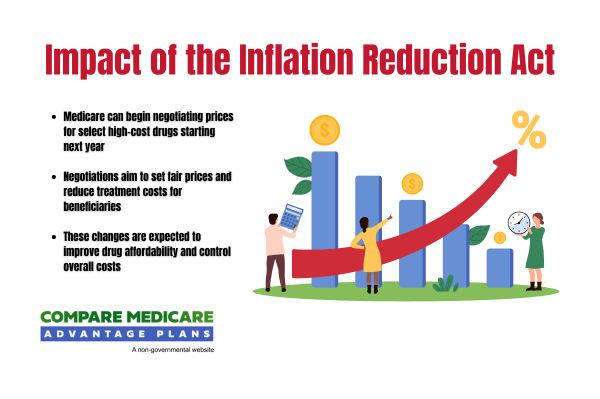
The Inflation Reduction Act brings significant changes to Medicare, impacting drug pricing and affordability. Key provisions include:

  • Medicare will be allowed to negotiate prices of high-cost, single-source drugs with manufacturers starting in 2026.
  • The negotiation aims to establish maximum fair prices for selected drugs.
  • These measures are intended to help control drug costs.

The first set of negotiated drug prices will take effect in 2026, expected to lower treatment costs for beneficiaries. These changes are expected to shift some financial responsibility from the government to Medicare plan sponsors, ultimately benefiting beneficiaries through more affordable negotiated price drug pricing.


Annual Review and Plan Selection

Conducting an annual review of your Medicare plan is crucial to ensure the most suitable coverage for your healthcare needs. Key points to consider include:

Beneficiaries should ideally review their Medicare plans every fall before the open enrollment period. This review can identify changes in healthcare needs that could affect coverage and ensure beneficiaries are well-prepared for any adjustments in the new year.


Summary

The changes to Medicare Part C and D in 2026 offer numerous benefits and improvements for beneficiaries, including:

  • Enhanced supplemental benefits
  • New prior authorization requirements
  • A cap on prescription drug expenses
  • Zero cost-sharing for vaccines

These updates aim to make health care more affordable and accessible.

Whether you are considering switching to a Medicare Advantage plan or staying with Original Medicare, it’s crucial to review your plan choices and make informed decisions. Get clarity now—call 1-833-641-4938 to compare your options and ensure you have the best coverage for your needs.


Frequently Asked Questions


What are the key changes to Medicare Part C in 2026?

The key changes to Medicare Part C in 2026 include enhanced supplemental benefits targeted at preventive care and chronic condition management, alongside new prior authorization requirements for specific services. These updates aim to improve overall patient care and streamline service access.


How will the $2,100 cap on prescription drug expenses affect beneficiaries?

The $2,100 cap on out-of-pocket prescription drug expenses will significantly alleviate the financial burden on beneficiaries, ensuring that their drug costs are more predictable and manageable. This change aims to enhance overall access to necessary medications.


What is the monthly cost cap for insulin under Medicare in 2026?

The monthly cost for insulin under Medicare will be capped at $35 in 2026, eliminating the deductible for these expenses.


How can beneficiaries manage increased Medicare premiums?

Beneficiaries can effectively manage increased Medicare premiums by annually reviewing their financial situations, timing asset sales, and strategically managing Roth conversions to reduce the impact of IRMAA. This proactive approach ensures favorable financial outcomes.


How does the Inflation Reduction Act impact Medicare?

The Inflation Reduction Act enables Medicare to negotiate prices for high-cost, single-source drugs beginning in 2026, which is anticipated to reduce treatment costs for beneficiaries. This provision marks a significant shift toward making medications more affordable for those reliant on Medicare.

call today for help

 ZRN Health & Financial Services, LLC, a Texas limited liability company

Find & Compare Plans Online 


 Advertisement

Speak with a licensed insurance agent

 1-833-641-4938
TTY 711

Mon-Fri : 8am-9pm EST

Russell Noga
( Medicare Expert )

Russell Noga is the CEO of ZRN Health & Financial Services, and head content editor of several Medicare insurance online publications. He has over 15 years of experience as a licensed Medicare insurance broker helping Medicare beneficiaries learn about Medicare, Medicare Advantage Plans, Medigap insurance, and Medicare Part D prescription drug plans.