What is Medicare? A Simple Explanation
Medicare is a federal health insurance program primarily designed to cover individuals aged 65 and older, though it also provides for certain younger individuals with disabilities or conditions like End-Stage Renal Disease.
Understanding Medicare begins with recognizing that it’s a safety net, enabling access to healthcare services that might otherwise be financially challenging. Originally structured into different parts to address various healthcare needs, Medicare allows beneficiaries to select the best options based on their personal and medical requirements.
The backbone of Medicare is Original Medicare, which includes Part A and Part B. Medicare Part A provides hospital insurance, covering inpatient hospital stays, care in a skilled nursing facility, hospice care, and some home health care.
On the other hand, Medicare Part B offers medical insurance that includes outpatient care, preventive services, and some doctor services. Together, these parts form a comprehensive foundation for those seeking coverage under the umbrella of Traditional Medicare.
In addition, Medicare provides the flexibility of added coverage through Medicare Supplement plans, also known as Medigap, which can cover costs not included in Original Medicare, like copayments and deductibles.
It’s important to note that while Medicare offers broad coverage, it does not typically include prescription drug coverage without additional plans. Hence, understanding these components, and their exclusions, helps beneficiaries make informed decisions about whether to enhance their coverage with a Medicare Drug Plan or Medicare Supplement insurance.
Recognizing these key elements of Medicare’s structure goes a long way in ensuring adequate healthcare protection.
Key Parts of Medicare and Their Roles
Delving deeper into Medicare’s structure reveals its crucial parts: Parts A, B, C, and D.
Medicare Part A, often termed hospital insurance, plays a vital role by covering inpatient hospital stays, care at a skilled nursing facility, hospice care, and home health care. It’s typically premium-free for those who have paid Medicare taxes for a certain period, making it a pivotal component for many seniors who require extensive healthcare facilities.
Medicare Part B, primarily known as medical insurance, covers doctor visits, outpatient care, medical supplies, and preventive services, emphasizing the importance of early detection and treatment through regular health screenings.
Part B is not automatic and does require a monthly premium, but it is essential for covering many medical services that Part A does not, like doctor visits and outpatient procedures. Medicare Part C, or Medicare Advantage Plans, is a fascinating combination that allows private companies to offer Medicare benefits.
These plans often include everything covered under Parts A and B, and many add prescription drug coverage, which is not automatically included in Original Medicare. Finally, Medicare Part D provides drug coverage or the ability to join a stand-alone Drug Plan that works with original Medicare.
Understanding the roles of these parts, especially Part C, is crucial for those exploring their options under Medicare Advantage Plans, which can bring additional benefits like vision and dental care. Therefore, grasping these intricate components empowers beneficiaries to navigate the complexities of Medicare.
It aids in choosing between Original Medicare and Medicare Advantage Plans, ensuring that healthcare coverage aligns with personal needs. By becoming familiar with each part’s specific function and how insurance can be personalized using Supplement and Drug Plans, individuals can make informed decisions to bolster their healthcare safety net.
This knowledge is foundational as they consider switching plans or enrolling in Medicare Advantage.
Introduction to Medicare Advantage Plans
Medicare Advantage Plans, known as Medicare Part C, offer a bundled alternative to Original Medicare by providing comprehensive coverage options managed by private insurance companies. These plans are designed to include the benefits of traditional Medicare Parts A and B while often bundling in additional perks like dental care, vision, and prescription drug coverage.
As the landscape of healthcare evolves, understanding the advantages and differences of Medicare Advantage plans becomes crucial for making informed decisions. This section will delve into how these plans differ from Original Medicare and highlight their potential benefits for seniors navigating their healthcare options.
How Medicare Advantage Plans Differ from Original Medicare

Understanding how Medicare Advantage Plans differ from Original Medicare is vital for anyone considering switching plans. While Original Medicare provides direct coverage through Parts A and B, Medicare Advantage Plans are offered by private insurance companies working with Medicare.
This means that the government pays these private companies to manage and deliver Part A and B benefits. Many Advantage Plans go a step further by offering additional coverage not typically available through Original Medicare, such as dental, vision, and wellness programs.
One of the critical distinctions is the way costs are managed. Original Medicare typically involves paying directly for services with separate deductibles for hospital stays and outpatient care, plus a 20% coinsurance for medical services.
In contrast, Medicare Advantage Plans often feature set copays and can have no monthly premium beyond the standard Part B premium. However, networks are a significant consideration. Advantage Plans might restrict your choice of doctors and hospitals to those within the plan’s network.
This contrasts with the broad acceptance of Original Medicare by healthcare providers nationwide. For many, the bundling of services offered by Medicare Advantage Plans, like including prescription drug coverage via a Medicare Advantage Prescription Drug Plan, is a significant perk.
However, beneficiaries should assess personal healthcare needs against the plans’ network restrictions and additional benefits. Understanding these differences helps ensure that seniors and caregivers can make confident decisions based on healthcare needs and budgetary constraints.
Benefits of Choosing a Medicare Advantage Plan
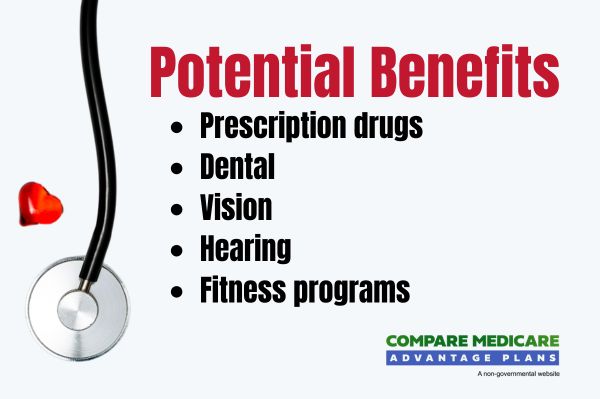
Choosing a Medicare Advantage Plan can offer numerous benefits that cater to diverse healthcare needs. One of the main attractions is the all-in-one nature of these plans. By combining the services of Medicare Parts A, B, and often including Part D for prescription drug coverage, beneficiaries can enjoy comprehensive healthcare management under a single plan.
This helps simplify the enrollment process while potentially reducing out-of-pocket costs. Medicare Advantage Plans frequently offer additional benefits that aren’t part of Original Medicare.
These can include routine dental, vision, and hearing care, as well as memberships to fitness programs. For many seniors, these added benefits support overall well-being and address essential healthcare needs effectively.
Some plans even provide over-the-counter drug coverage or transportation to medical appointments, which can significantly ease the burden on those with limited mobility or additional healthcare requirements. Financially, Medicare Advantage Plans might be seen as more predictable due to set copayments, coinsurance, and out-of-pocket maximums, providing some protection against unexpected healthcare expenses.
It’s important, however, to compare the specific costs and coverage details of each available plan in your area, as these can vary significantly. Additionally, most Medicare Advantage Plans come with an annual chance to switch, providing flexibility to align your healthcare as your needs change.
By carefully weighing these benefits and seeking unbiased guidance, seniors can select a Medicare Advantage Plan that aligns with their lifestyle and health priorities, ensuring they have comprehensive, quality care.
Eligibility and Enrollment Opportunities
Understanding when and how you can enroll or switch your Medicare Advantage plan is essential for managing your healthcare effectively. Eligibility and enrollment opportunities with Medicare Advantage allow for different timeframes and criteria that cater to varying needs.
From knowing how to qualify for different plans to understanding special enrollment periods, it’s crucial to have a clear picture of how these options work. Awareness of these factors can help you make informed choices about your Medicare Advantage plan, ensuring your healthcare coverage meets your medical and financial needs.