





Medicare Plan Comparison for 2026
Need help with a Medicare plan comparison? This guide will explain the key differences between Original Medicare and Medicare Advantage, including costs and benefits, to help you choose the right plan for your needs.
Key Takeaways
- Medicare offers various coverage options, including Original Medicare, Medicare Advantage plans, and Part D for prescription drug coverage, each catering to different healthcare needs and preferences.
- Understanding costs associated with Medicare plans, including premiums, deductibles, and out-of-pocket expenses, is essential for selecting the most cost-effective coverage.
- Evaluating networks, extra benefits, and the appropriateness of switching plans is crucial for ensuring optimal healthcare access and managing expenses effectively.
Compare Plans In One Step!
Understanding Medicare Coverage Options
Medicare provides various coverage options to address diverse healthcare needs. Original Medicare, comprising Part A and Part B, covers hospital stays and outpatient services. This plan allows you to choose any doctor or hospital that accepts Medicare, ensuring flexibility and wide access to medical care.
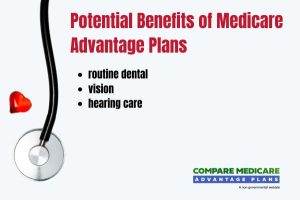
Medicare Advantage plans, also known as Part C, combine Part A and Part B services and often include additional benefits such as a Medicare advantage plan:
- Drug coverage
- Dental care
- Vision care
- Hearing care
These plans come with a network of providers and other providers that participants must use, which can sometimes limit choices but generally results in lower costs and a limited obligation of out-of-pocket costs for medical insurance, including copays.
A key benefit of Medicare Advantage plans is the extra coverage they offer. These plans cover all services included in Original Medicare and often provide additional benefits, enhancing overall healthcare coverage. The combination of flexibility, comprehensive coverage, and potential savings makes Medicare Advantage appealing to many beneficiaries.
Comparing Costs of Medicare Plans
Grasping the costs of Medicare plans is crucial for making an informed choice. Here are the key costs for 2024:
- The monthly part b premium for Medicare Part B is $174.70, showing a steady rise from previous years.
- The annual deductible for Part B has increased to $240.
- For inpatient hospital admissions under Part A, the deductible is now $1,632.
Medicare Advantage plans often result in lower out-of-pocket costs compared to Original Medicare. Original Medicare usually involves a 20% coinsurance post-deductible, whereas Medicare Advantage plans may offer more predictable and manageable out-of-pocket costs. Comparing different plans is essential to grasp their financial implications.
Opting for Medicare Advantage can lead to notable savings, particularly if the plan includes benefits like drug coverage or dental care. Carefully assessing premiums, deductibles, and out-of-pocket expenses will help identify the most cost-effective plan for your needs.
Evaluating Drug Coverage

Drug coverage is a vital component of Medicare, helping to reduce the costs of prescription medications. Medicare Part D is specifically designed to cover prescription drugs, either through standalone Part D plans or as part of Medicare Advantage plans offered by pharmacies. These plans aim to make medications more affordable and accessible.
When selecting a Medicare drug plan, comparing coverage options and costs is vital, as these can differ significantly between plans. Standalone Part D plans and Medicare Advantage plans with drug coverage each offer unique benefits; the goal is to find a plan that suits your specific medication needs.
Be mindful of potential penalties for late enrollment in Medicare Part D. Delaying enrollment in a drug plan can result in additional monthly adjustments based on income, so timely enrollment is essential to avoid extra costs.
Choosing the Right Plan’s Network
Selecting the appropriate Medicare plan network is vital to access preferred healthcare providers. Medicare networks include:
- Health Maintenance Organizations (HMO): usually cover services only from in-network providers, focusing on preventive care.
- Preferred Provider Organizations (PPOs)
- Point of Service (POS) plans
- Exclusive Provider Organizations (EPOs)
Each has its own provider access rules.
Preferred Provider Organization (PPO) provide greater flexibility, permitting visits to any doctor or specialist, though in-network care costs less. Confirming that your preferred healthcare providers are in the plan’s network helps avoid higher out-of-pocket costs and ensures continuity of care.
Compare plans and enroll online

Assessing Extra Benefits
Medicare Advantage plans frequently provide extra benefits beyond standard drug coverage, significantly affecting overall health care costs. Many plans include dental benefits covering routine checkups, cleanings, and X-rays, promoting oral health.
Vision coverage is another typical extra benefit that can offer extra benefits, often including annual eye exams and allowances for eyeglasses or contact lenses. Hearing benefits may also be provided, covering hearing aids, fittings, and annual assessments.
Some plans also offer over-the-counter allowances for health and wellness products and fitness programs like SilverSneakers to encourage physical activity. These extra benefits enhance the value of most Medicare Advantage plans, making them an appealing choice for many beneficiaries.
Enrollment Periods and Eligibility
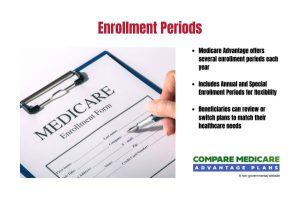
Knowing enrollment periods and eligibility is crucial for accessing Medicare benefits without penalties.
The Initial Enrollment Period lasts seven months, starting three months before and ending three months after turning 65. If missed, the General Enrollment Period from January 1 to March 31 provides another chance to enroll.
Special Enrollment Periods permit penalty-free Medicare enrollment under certain conditions, such as losing other health coverage or moving for the first time. Enrolling promptly during these periods ensures coverage starts on the first of the month after enrollment, avoiding gaps in coverage.
Using Online Tools for Plan Comparison
Online tools can greatly simplify comparing Medicare plans. The official Medicare website offers a tool to compare health and drug plans based on user-provided information like zip code and specific health needs.
These tools highlight differences in premiums, out-of-pocket costs, and coverage options, facilitating informed decisions.
Using these free resources can deepen your understanding of popular Humana plans and their offerings, helping you choose one tailored to your individual needs. This approach ensures you select a plan that provides optimal value and coverage for your availability circumstances.
Consulting a Licensed Insurance Agent
Consulting a licensed insurance agent offers:
- Personalized guidance through complex Medicare options.
- Help in preventing enrollment errors that could lead to financial penalties.
- Tailored advice based on your healthcare needs from an insurance company.
Importantly, using a licensed insurance agent for Medicare enrollment services is free for the beneficiary, making it a valuable resource for navigating various plans and ensuring the right choices are made.
Factors to Consider When Switching Plans
When switching Medicare plans, several factors should be considered. Cost implications, including premiums, deductibles, and out-of-pocket expenses, must be carefully assessed to ensure the new plan is financially viable.
Changes in coverage options, such as additional benefits or fewer restrictions, can significantly influence the decision to switch plans. Network limitations also play a critical role, as they affect access to preferred doctors and hospitals.
Lastly, evaluating any changes in medical needs is essential, as this may impact coverage requirements and the suitability of different Medicare plans to qualify.
Pros and Cons of Medicare Advantage vs. Original Medicare

Both Medicare Advantage and Original Medicare have their pros and cons. Original Medicare covers a broad range of medically necessary services but excludes some routine services like eye exams and most dental care. It allows beneficiaries to visit any doctor or hospital that accepts Medicare, offering greater flexibility.
Conversely, Medicare Advantage plans usually require patients to use in-network providers, which can limit choices but often lead to lower out-of-pocket costs. These plans typically have an annual out-of-pocket maximum, offering financial protection for beneficiaries.
Drug coverage also varies, with Part D prescriptions drug plans offering more flexibility in selecting medications compared to the drug coverage in some Medicare Advantage plans. Differences in drug formularies can significantly impact out-of-pocket costs.
How to Handle Out-of-Network Services
Handling out-of-network services involves understanding prior authorization requirements, as these can impact access to necessary services. Patients may face unexpected bills from out-of-network providers if they didn’t sign a notice and consent form before receiving care.
Checking bills for errors and confirming that no charges are made for services not received is crucial. If discrepancies are found, filing a complaint can help enforce billing regulations and protect patient rights to pay.
Contract Renewal and Plan Changes
Annual contract renewals for Medicare plans can bring significant changes in coverage and costs due to new CMS regulations.
These changes may include alterations to prior authorization requirements, affecting how quickly beneficiaries can access necessary care under the Medicare contract. Staying informed about these changes ensures continuous and adequate coverage.
Life events, such as moving or changes in health needs, may require reviewing and adjusting your Medicare plan.
Summary
Navigating Medicare plans in 2026 requires a comprehensive understanding of coverage options, costs, and benefits. From Original Medicare to Medicare Advantage plans, each option has its unique advantages and potential drawbacks. Careful consideration of drug coverage, network choices, and additional benefits can help you select the best plan for your needs.
By leveraging online tools and consulting licensed insurance agents, you can make informed decisions that ensure optimal healthcare coverage and financial protection. Stay proactive in reviewing your plan annually to adapt to any changes and maintain the best possible coverage.
Frequently Asked Questions
→ What are the biggest mistakes people make with Medicare?
The biggest mistakes people make with Medicare include missing the Initial Enrollment Period, choosing the wrong plan, and assuming Medicare covers all healthcare costs. Additionally, not reviewing plans during the Annual Enrollment Period and relying on friends’ choices can lead to costly errors.
→ What is the difference between Original Medicare and Medicare Advantage?
Original Medicare encompasses Part A and Part B, providing extensive access to doctors and hospitals, while Medicare Advantage (Part C) combines these components and frequently includes added benefits such as prescription drug coverage, dental, and vision care.
→ How do I choose the best Medicare drug plan?
To choose the best Medicare drug plan, compare standalone Part D plans and Medicare Advantage plans while considering your specific medication needs and the plan’s formulary coverage. It’s also vital to be aware of potential penalties for late enrollment.
→ What are the benefits of consulting a licensed insurance agent for Medicare plans?
Consulting a licensed insurance agent for Medicare plans provides personalized guidance and helps prevent enrollment errors, all at no cost to you. Their expertise facilitates informed decision-making in navigating complex Medicare options.
→ What should I consider when switching Medicare plans?
When switching Medicare plans, you should assess the cost implications, changes in coverage options, and network limitations, while also considering any shifts in your medical needs. This thorough evaluation is essential for selecting a plan that aligns with your financial and healthcare requirements.
Have Questions?
Speak with a licensed insurance agent
1-833-641-4938
TTY users 711
Mon-Fri: 8am-9pm ET
ZRN Health & Financial Services, LLC, a Texas limited liability company
Find & Compare Plans Online

Russell Noga is the CEO of ZRN Health & Financial Services, and head content editor of several Medicare insurance online publications. He has over 15 years of experience as a licensed Medicare insurance broker helping Medicare beneficiaries learn about Medicare, Medicare Advantage Plans, Medigap insurance, and Medicare Part D prescription drug plans.