






Medicare Advantage 2026 Coverage
How will Medicare Advantage 2026 impact your coverage? This article highlights how Medicare Advantage 2026 impacts coverage through key changes: lower premiums, insurer withdrawals, reduced out-of-pocket limits, and enhanced drug coverage. Read on to discover what these updates mean for your healthcare.
Key Takeaways
- In 2026, Medicare Advantage plans will see reduced average premiums and maximum out-of-pocket limits, alleviating financial burdens for beneficiaries.
- A significant decrease in the number of available Medicare Advantage plans will occur due to major insurers withdrawing from the market, impacting one million beneficiaries who may need to change plans.
- New prior authorization requirements and enhanced benefits, including capped insulin costs and additional dental and vision coverage, aim to improve accessibility and affordability of healthcare services.
Compare Plans In One Step!
Changes in Medicare Advantage Plans for 2026

The landscape of Medicare Advantage plans is set to undergo several important changes in 2026. One significant shift is the decline in average monthly premiums, which are projected to drop from $16.40 to $14.00.
This reduction in premiums is a welcome change for many Medicare beneficiaries, potentially easing their financial burden.
Another notable development is the introduction of an automatic renewal feature for participants in Medicare’s monthly payment plan. This feature simplifies the process for Medicare enrollees, keeping them covered each year automatically.
Additionally, the CMS Interoperability and Prior Authorization Final Rule aims to streamline health information exchange, enhancing patient access to health records and improving the overall efficiency of the healthcare system.
These changes, along with adjustments aligning with policy objectives and the codification of IRA provisions, are set to significantly impact Medicare Advantage plans.
From January 1 to March 31, beneficiaries can reassess their plan decisions and change plans if needed. Understanding these changes is key to making the most of your Medicare coverage in 2026.
Reduced Maximum Out-of-Pocket Limits
One of the most impactful changes for Medicare Advantage beneficiaries in 2026 is the reduction in maximum out-of-pocket limits for in-network services. The new limit will be set at $8,500, down from $9,350 in 2025.
This reduction marks a significant easing of the financial burden on beneficiaries, making necessary healthcare services more accessible.
Lower out-of-pocket expenses mean that once beneficiaries reach this cap, they will not have to pay any more for covered in-network services or out-of-network services for the rest of the year.
This change is particularly beneficial for those with chronic conditions or those who require frequent medical care, as it provides a clearer and more manageable financial expectation.
Lowering out-of-pocket costs is intended to improve access to necessary health care services and enhance the overall well-being of enrollees. This change underscores the ongoing efforts to make healthcare more affordable and to provide Medicare beneficiaries with the support they need to manage their health effectively.
Insurer Withdrawals from Medicare Advantage Markets
As we move into 2026, many health insurers are withdrawing from the Medicare Advantage market. Major insurers such as Aetna, CVS Health, UnitedHealthcare, Blue Cross Blue Shield, and Anthem are scaling back on their Medicare Advantage plans.
This trend is driven by rising healthcare claims costs and adjustments in reimbursement models, which have put financial pressure on insurers.
The withdrawal of these insurers will result in fewer plans available to beneficiaries, with the average number of plans decreasing from 42 in 2025 to 39 in 2026.
This reduction in available plans means that nearly one million beneficiaries may need to change health insurers or an insurance company, a process that can be both challenging and disruptive.
Affected individuals should carefully review and compare new plan options during the open enrollment period. Understanding the changes in provider networks and coverage options will help beneficiaries make informed decisions about their healthcare coverage in the coming year.
Impact on Prescription Drug Coverage

The changes in Medicare Advantage plans for 2026 also bring significant updates to prescription drug coverage. One of the most notable changes is the reduction in costs for ten commonly prescribed medications, thanks to new pricing negotiations.
This reduction in drug costs will be a tremendous relief for those who rely on these covered drugs for their daily health management.
Additionally, the cap on insulin costs at $35 per month has been linked to improved adherence to prescribed medication regimens among diabetes patients.
This cap provides financial relief and ensures that patients can afford their necessary insulin without the burden of exorbitant costs. This change often means the difference between effectively managing a condition and facing severe health complications.
Furthermore, the maximum deductible for Medicare Part D in 2026 will be $615, with an out-of-pocket spending threshold of $2,100 for covered Part D drugs and Part D coverage. These adjustments aim to make prescription drugs more affordable and accessible, ultimately improving the quality of life for Medicare beneficiaries who rely on these essential medications.
Compare plans and enroll online

New Prior Authorization Requirements
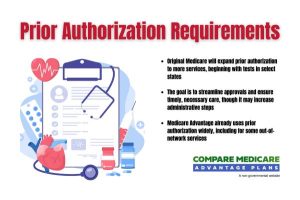
In 2026, Medicare Advantage plans will see new prior authorization requirements designed to streamline the approval process for certain services. A pilot program will begin on January 1, 2026, trialing these requirements in the following states:
- New Jersey
- Ohio
- Oklahoma
- Texas
- Arizona
- Washington
This pilot aims to improve the efficiency of prior authorization, reducing the burden on patients and healthcare providers.
The new rules also prevent Medicare Advantage plans from modifying approved admissions unless there are certain provisions that indicate clear evidence of error or fraud, creating a reasonable expectation that once a service is approved, beneficiaries can receive the care they need without unnecessary delays or denials.
The potential use of artificial intelligence in this process could further enhance efficiency and accuracy, providing a more seamless experience for beneficiaries.
Cap on Insulin Costs
Starting in 2026, the cost-sharing amount for insulin will be capped at $35 per month under Medicare Part D. This cap provides significant financial relief for those who require insulin to manage their diabetes, ensuring that they can afford their medication without facing prohibitive costs.
This change is part of a broader effort to control drug costs and improve medication adherence among Medicare beneficiaries.
Enhanced Benefits and Supplemental Options

Medicare Advantage plans in 2026 will offer enhanced benefits and supplemental options, providing beneficiaries with more comprehensive coverage and extra benefits.
One of the standout features is the optional Enhanced Dental and Vision package, which adds benefits beyond standard coverage. This package includes an extra eyewear allowance of $150 and up to $2,500 in dental coverage for major services.
In-network dental benefits under this package cover preventive services like fluoride treatments and routine cleanings at no additional cost. Major dental services, such as crowns, dentures, and root canals, are also covered, with specific limits on frequency and costs.
Vision services include allowances for both in-network and out-of-network providers, ensuring beneficiaries can maximize their benefits.
These enhanced special supplemental benefits reflect the ongoing efforts to provide comprehensive and affordable healthcare options for Medicare Advantage enrollees and Medicare and Medicaid services. Offering additional coverage for dental and vision care is meant to enhance the overall health and well-being of beneficiaries.
Navigating Plan Changes During Open Enrollment
The open enrollment period is a critical time for Medicare beneficiaries to review and adjust their healthcare coverage. During this period, beneficiaries can join, switch, or drop their Medicare coverage, allowing them to find the best plan for their needs. Switching from Original Medicare to a Medicare Advantage plan can help manage out-of-pocket costs and provide additional benefits.
In September, beneficiaries receive an Annual Notice of Change (ANOC) detailing updates to their plan for the coming calendar year and subsequent year. It is essential to review this notice carefully to understand any changes in benefits, costs, or provider networks.
If beneficiaries choose to stay with their current plan, it will renew automatically for the next year without any action required.
Comparing different Medicare Advantage plans during open enrollment ensures that beneficiaries select the coverage that best meets their healthcare needs and budget, including special needs plans. This proactive approach helps avoid unexpected costs and ensures continuous access to necessary medical services.
Comparing Medicare Advantage Plans

When comparing Medicare Advantage plans, it is crucial to consider:
- Out-of-pocket costs, which directly impact the financial aspect of healthcare and are essential to understand when selecting a plan.
- Drug formularies, which list the medications covered by a plan and should be reviewed to ensure your prescriptions are included.
- Provider networks.
Provider networks are another critical factor, as HMO plans typically require beneficiaries to receive care from network doctors, except in emergencies.
In contrast, PPO plans allow more flexibility, permitting out-of-network care at a higher cost, providing more choices for beneficiaries. Evaluating these differences helps beneficiaries make informed decisions about the best Medicare Advantage plan for their needs.
By carefully comparing these aspects, beneficiaries can select a Medicare Advantage plan that offers the best combination of coverage, cost, and convenience, ensuring they receive the care they need without unnecessary financial strain.
Summary
As we look ahead to 2026, the changes in Medicare Advantage plans present both challenges and opportunities for beneficiaries. From reduced out-of-pocket limits to enhanced benefits and new prior authorization requirements, these updates aim to make healthcare more affordable and accessible. However, the withdrawal of major insurers and the need to navigate these changes during open enrollment require careful consideration and proactive planning.
By understanding these changes and comparing the available options, Medicare beneficiaries can make informed decisions that best meet their healthcare needs. Staying informed and reviewing your coverage annually ensures that you receive the best possible care and financial protection.
On this page we also cover the most frequently asked questions regarding Medicare Advantage plans in 2026.
Frequently Asked Questions
→ What are the new maximum out-of-pocket limits for Medicare Advantage plans in 2026?
The new maximum out-of-pocket limit for Medicare Advantage plans in 2026 is set at $8,500 for in-network services, reduced from $9,350 in 2025. This change reflects ongoing efforts to make healthcare more affordable for beneficiaries.
→ How will the reduction in insulin costs affect Medicare beneficiaries?
The reduction in insulin costs will significantly benefit Medicare beneficiaries by capping their monthly insulin expenses at $35 starting in 2026, offering substantial financial relief for those dependent on this essential medication.
→ What is the purpose of the new prior authorization requirements?
The new prior authorization requirements are designed to streamline the approval process for specific services, thereby alleviating the burden on both patients and healthcare providers. This ultimately enhances efficiency in healthcare delivery.
→ How can I navigate plan changes during the open enrollment period?
To effectively navigate plan changes during the open enrollment period, it is essential to review the Annual Notice of Change (ANOC) and compare various plans. This allows you to select the coverage that best meets your needs.
→ What should I consider when comparing Medicare Advantage plans?
When comparing Medicare Advantage plans, it is essential to consider out-of-pocket costs, drug formularies, and provider networks to ensure you choose a plan that provides the most suitable coverage and affordability for your needs. These factors will greatly influence your overall healthcare experience and expenses.
Have Questions?
Speak with a licensed insurance agent
1-833-641-4938
TTY users 711
Mon-Fri: 8am-9pm ET
Find & Compare Plans Online
ZRN Health & Financial Services, LLC, a Texas limited liability company