






Frequently Asked Medicare Advantage 2026 Questions
Wondering about Medicare Advantage changes in 2026? This article answers the most frequently asked Medicare Advantage 2026 questions, helping you stay informed and prepared.
Key Takeaways
- In 2026, the number of Medicare Advantage Plans is expected to decrease slightly, but total payments to beneficiaries will rise by 4.33%, allowing for potentially improved services and benefits.
- Medicare Advantage Plans limit out-of-pocket costs and often include additional benefits beyond Original Medicare, but may restrict provider choice and require referrals for specialists.
- Beneficiaries can switch Medicare Advantage Plans during designated enrollment periods, and various resources, including Medicare.gov and SHIPs, are available to assist in selecting the most suitable plan.
Compare Plans In One Step!
What’s New for Medicare Advantage Plans in 2026?

In 2026, several noteworthy changes are coming to 2026 Medicare Advantage Plans. One significant update is a slight decrease in the number of available ma plans, projected to decline from 5,633 in 2025 to around 5,600 in 2026. This minor reduction underscores the need to review your options carefully to select the best plan for your needs.
Financially, there is positive news for Medicare Advantage beneficiaries. Payments are projected to increase by 4.33% in 2026, exceeding $21 billion in total.
This boost could lead to more comprehensive benefits and better services for enrollees, making it crucial to stay informed about how different plans will utilize these additional funds.
The decrease in the number of plans might initially seem concerning, but it can actually simplify the decision-making process. With fewer options to choose from, beneficiaries can focus on comparing the most suitable plan choices available without feeling overwhelmed by an abundance of choices.
Additionally, this reduction may drive competition among insurers to offer more attractive and comprehensive benefits to capture the attention of Medicare beneficiaries.
Staying updated on these changes and understanding their impact on your current or potential new plans is vital. The Medicare Advantage landscape is always shifting, and being proactive ensures you continue receiving optimal care and coverage.
How Do Medicare Advantage Plans Compare to Original Medicare?
Grasping the differences between Medicare Advantage Plans and Original Medicare is key to making an informed decision about your healthcare coverage. One major distinction is out-of-pocket costs.
Original Medicare generally has no out-of-pocket expense limit, while Medicare Advantage Plans set annual caps on spending for covered services, offering peace of mind for those concerned about unexpected healthcare costs.
Medicare Advantage Plans often include additional benefits not covered by Original Medicare, such as vision, dental, and hearing services, enhancing the overall value of your coverage.
However, these plans usually require you to use a network of providers, which can limit your choice of doctors and specialists. In contrast, Original Medicare allows visits to any provider that accepts Medicare, offering greater flexibility.
Referrals are another critical aspect to consider. With Original Medicare, you don’t need a referral to see a specialist, but many Medicare Advantage Plans require one. This can add an extra step in your healthcare journey and potentially delay access to specialized care.
Most Medicare Advantage Plans include prescription drug coverage, simplifying access to medications compared to Original Medicare, which requires a separate plan for generic drugs and drugs covered, including part d drug coverage.
For 2026, approximately 97% of Medicare beneficiaries will have access to 10 or more Medicare Advantage Plan options. However, in some areas, residents may not have any Medicare Advantage Plans available, leaving them with traditional Medicare as their only option.
Always review the annual changes in plan details, as benefits, costs, and provider networks can change each year. This ensures you continue to receive the best possible coverage for your healthcare needs.
What Are the Enrollment Periods for Medicare Advantage Plans?

Being aware of the enrollment periods for Medicare Advantage Plans ensures you don’t miss opportunities to enroll or make changes. The Open Enrollment Period occurs annually from October 15 to December 7, with any changes taking effect on January 1 of the following year.
The Annual Enrollment Period (AEP) overlaps with the Open Enrollment Period, both running from October 15 to December 7. Additionally, the Medicare Advantage Open Enrollment Period from January 1 to March 31 allows beneficiaries to switch plans or revert to Original Medicare.
Special Enrollment Periods (SEPs) and temporary SEPs offer added flexibility under certain conditions, such as:
- Moving out of your plan’s service area
- Losing Medicaid eligibility
- A plan’s contract termination
- Returning to the U.S. from abroad
These Qualifying Events provide specific windows to make changes.
For those seeking top-rated plans, the 5-star Special Enrollment Period allows enrollment in a 5-star rated plan once a year between December 8 and November 30. Being aware of these enrollment periods helps in making timely and informed decisions about your Medicare coverage and star ratings.
How Will Prescription Drug Coverage Change in 2026?
Prescription drug coverage is crucial for many Medicare beneficiaries, and several changes are coming in 2026. The average premiums for stand-alone Part D plans are expected to drop from $38.31 in 2025 to $34.50 in 2026.
Similarly, the average total premium for Part D coverage within Medicare Advantage Plans is anticipated to decrease from $13.32 in 2025 to $11.50 in 2026, offering some financial relief for those on a tight budget.
The Centers for Medicare & Medicaid Services (CMS) has rejected standalone Part D plan bids proposing significant premium hikes or reduced benefits for the first time. This move aims to protect beneficiaries from unexpected cost increases and ensure more stable and predictable drug costs.
The Inflation Reduction Act significantly shapes drug coverage for 2026 with the following provisions:
- Caps monthly copayments for Part B insulin at $35, starting July 1, 2023.
- Limits cost-sharing for Medicare Advantage members receiving Part B drugs from April 1, 2023.
- Medicare will identify ‘rebatable’ Part B drugs with price increases above inflation, limiting patient costs to Original Medicare rates.
- Starting January 1, 2023, all seniors using insulin will pay no more than $35 per month for their medications.
All adult vaccines recommended by the Advisory Committee on Immunization Practices (ACIP) will now be covered at no cost under the Medicare Part D benefit. These changes aim to make prescription drugs and preventive care more affordable and accessible for Medicare beneficiaries.
Compare plans and enroll online

What Are the Costs Associated with Medicare Advantage Plans?

Navigating the costs associated with Medicare Advantage Plans can be complex, but understanding these expenses is crucial. In 2026, the average monthly Medicare premiums for Medicare Advantage Plans with drug coverage will rise to $66, up from $60.
Even when enrolled in a Medicare Advantage Plan, members must continue to pay their Part B premium.
A key feature of Medicare Advantage Plans is the out-of-pocket maximum for medical care:
- In 2026, the average out-of-pocket maximum will increase by about 10%, or $490.
- Each plan has a distinct limit that, once reached, covers all remaining medical expenses for the year.
- This offers significant financial protection against high medical costs.
Costs for Medicare Advantage Plans can vary significantly based on the specific plan chosen. Deductibles, copayments, and coinsurance amounts can differ from one plan to another. Additionally, certain services may have different cost-sharing requirements.
For example, many hospital-based physicians, such as emergency medicine doctors, are less likely to participate in Medicare Advantage networks, which can lead to higher costs for patients.
Grasping these cost components can help you budget effectively and choose a plan that aligns with your healthcare needs and financial situation.
How Does the Inflation Reduction Act Affect Medicare Advantage Plans?
The Inflation Reduction Act has introduced several important changes affecting Medicare Advantage Plans. One key provision mandates that insurers cover more drug costs after enrollees exceed a $2,000 coverage threshold, significantly reducing out-of-pocket expenses for prescription drugs once this limit is reached.
This mandate aims to provide financial relief for those with high prescription drug costs, preventing exorbitant expenses. It also encourages insurers to manage drug costs more effectively, potentially leading to more competitive pricing and better overall benefits for Medicare Advantage Plan members.
By addressing rising prescription drug costs, the Inflation Reduction Act aims to make healthcare more affordable and accessible for Medicare beneficiaries, ensuring all seniors have access to necessary medications without financial hardship.
What Supplemental Benefits Are Available with Medicare Advantage Plans?
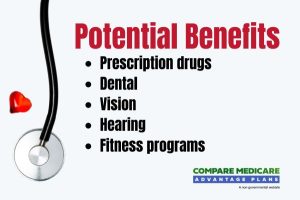
Medicare Advantage Plans often come with a variety of supplemental benefits that significantly enhance the value of your healthcare coverage.
In 2026, these plans are expected to continue offering additional benefits not covered by Original Medicare, such as dental, vision, and hearing services, which are particularly valuable for those requiring regular check-ups and aids.
However, availability of supplemental benefits can vary significantly among plans. For instance, the average dental allowance is expected to decrease by 10% to $2,107 in 2026, requiring beneficiaries to pay closer attention to the specific benefits each plan offers to ensure they meet their needs.
Wellness programs are another area where Medicare Advantage Plans are expanding their offerings. Many now include fitness and preventive services as part of their benefits, helping beneficiaries maintain their health and potentially reducing the need for extensive medical care in the future.
In 2026, some Medicare Advantage Plans will introduce or enhance benefits like weight management programs and other health-related services, providing additional support for those looking to manage their weight and improve their overall health status.
Can I Switch Between Medicare Advantage Plans?
Switching between Medicare Advantage Plans is a common consideration, especially if healthcare needs change or a plan with better benefits is found. The Open Enrollment Period allows beneficiaries to switch plans, including changes in drug coverage, providing an excellent opportunity to review and find a plan that better meets your needs.
If switching from a Medicare Advantage Plan to Original Medicare, you may need to enroll in a separate drug plan and can consider obtaining Medigap coverage.
Medigap, also known as Medicare Supplement Insurance, helps cover costs that Original Medicare doesn’t, such as copayments, coinsurance, and deductibles.
When considering a switch, assess factors like coverage options, costs, and provider networks to ensure the new plan meets your healthcare needs. Comparing these elements helps find a plan that offers the best combination of benefits and affordability for your situation.
How Do Provider Networks Work in Medicare Advantage Plans?

Provider networks are crucial in Medicare Advantage Plans, significantly impacting access to healthcare services. Beneficiaries typically have access to about 48% of the physicians available to traditional Medicare beneficiaries in their area.
While Medicare Advantage Plans often provide comprehensive coverage, they might limit your choice of primary care provider, doctors, and specialists compared to Original Medicare.
In counties with larger populations of people of color, Medicare Advantage networks tend to be narrower, offering access to fewer physicians compared to areas with predominantly White populations. This disparity can affect the quality and accessibility of care for beneficiaries in these regions.
It’s essential to review the provider network of any Medicare Advantage Plan you’re considering to ensure that it includes your preferred doctors and healthcare facilities. Understanding how provider networks work can help you make an informed decision about which Medicare Advantage Plan is best for you.
By choosing a plan with a robust network of preferred providers, you can ensure that you have access to the healthcare services you need without facing unexpected out-of-network costs.
What Resources Are Available to Help Choose a Medicare Advantage Plan?
Choosing the right Medicare Advantage Plan can be challenging, but several resources are available to help you make an informed decision. The Medicare Plan Finder is an excellent tool that allows users to compare different Medicare Advantage Plans based on their specific needs.
This online resource can help you evaluate plan options, costs, and benefits to find the best fit for your healthcare needs.
Medicare.gov hosts a variety of online tools and resources designed to assist beneficiaries in evaluating various plans. These resources can provide valuable information about plan details, coverage options, and enrollment periods.
Additionally, Healthcare.com offers personalized recommendations for Medicare Advantage Plans based on individual needs. This can be particularly helpful for those who need tailored advice.
State Health Insurance Assistance Programs (SHIPs) offer personalized counseling to help beneficiaries understand their options. These programs provide free, unbiased assistance with Medicare questions and can help you navigate the complexities of choosing a plan.
Insurance brokers can also provide insights and guidance when selecting a Medicare Advantage Plan tailored to individual health needs.
Local community resources, such as senior centers, often hold informational sessions on Medicare Advantage options, providing another valuable source of information and support.
Summary
As we’ve explored, Medicare Advantage Plans in 2026 come with several key changes and updates that can significantly impact your healthcare coverage. From a slight decrease in the number of available plans to an increase in payments and the introduction of new supplemental benefits, the landscape of Medicare Advantage is continually evolving. Understanding these changes is crucial for making informed decisions about your healthcare.
Comparing Medicare Advantage Plans to Original Medicare, knowing the enrollment periods, and understanding the costs and supplemental benefits are all essential components of choosing the right plan. The changes in prescription drug coverage and the effects of the Inflation Reduction Act also play a significant role in shaping the affordability and accessibility of these plans.
By utilizing the available resources and staying informed about the latest updates, you can ensure that you choose a Medicare Advantage Plan that best meets your healthcare needs and financial situation. Staying proactive and informed is the key to navigating the complexities of Medicare Advantage and securing the best possible coverage for your health and well-being.
Frequently Asked Questions
→ How many Medicare Advantage Plans will be available in 2026?
In 2026, approximately 5,600 Medicare Advantage Plans will be available, reflecting a slight decrease from 2025’s total of 5,633 plans.
→ What are the main differences between Medicare Advantage Plans and Original Medicare?
The main differences between Medicare Advantage Plans and Original Medicare include the additional benefits offered by Medicare Advantage, such as vision, dental, and hearing services, as well as the annual out-of-pocket cost caps. In contrast, Original Medicare does not have a limit on out-of-pocket expenses and allows flexibility in choosing healthcare providers.
→ What is the Open Enrollment Period for Medicare Advantage Plans?
The Open Enrollment Period for Medicare Advantage Plans occurs annually from October 15 to December 7, allowing you to make changes that take effect on January 1 of the following year. It is essential to review your options during this time to ensure your healthcare needs are met.
→ How will prescription drug coverage change in 2026?
In 2026, prescription drug coverage within Medicare is set to improve, with average premiums for standalone Part D plans and Medicare Advantage plans decreasing. Additionally, the Inflation Reduction Act will enforce a cap on monthly copayments for insulin and limit cost-sharing for specific drugs.
→ Can I switch between Medicare Advantage Plans?
Yes, you can switch between Medicare Advantage Plans during the Open Enrollment Period and other specific enrollment periods. It is important to consider factors such as coverage options, costs, and provider networks before making a decision.
Have Questions?
Speak with a licensed insurance agent
1-833-641-4938
TTY users 711
Mon-Fri: 8am-9pm ET
Find & Compare Plans Online
ZRN Health & Financial Services, LLC, a Texas limited liability company

Russell Noga is the CEO of ZRN Health & Financial Services, and head content editor of several Medicare insurance online publications. He has over 15 years of experience as a licensed Medicare insurance broker helping Medicare beneficiaries learn about Medicare, Medicare Advantage Plans, Medigap insurance, and Medicare Part D prescription drug plans.