Pros and Cons of Medicare Advantage Plans

Welcome to our guide on Medicare Advantage Plans, also known as Medicare Part C. These private plans can offer a variety of benefits beyond standard Medicare, including vision, dental, and fitness programs.

However, it’s important to carefully weigh the pros and cons before deciding if a Medicare Advantage plan suits your needs. Understanding factors like network restrictions, potential out-of-pocket costs, and coverage benefits will help you make an informed choice.

Our goal is to provide clear, unbiased information so that older adults and caregivers feel empowered to explore options for Medicare Advantage in 2026.


Brief Overview

Navigating Medicare Advantage plans involves balancing various factors like comprehensive coverage options and network restrictions. These plans often include benefits such as vision, dental, and drug coverage, offering seniors a wide array of services under one plan.

However, limitations like network restrictions and potential out-of-pocket costs require careful consideration. Engaging resources, whether through educational tools, advisory services, or technological aids, can help seniors and their caregivers make informed decisions.

To explore Medicare Advantage options for 2026, consider entering your ZIP code on our site or contacting us for further assistance.


Key Takeaways


  • Medicare Advantage plans provide extra benefits like vision, dental, and fitness, beyond standard Medicare.


  • These plans often offer prescription drug coverage and may include additional cost limits not available with Original Medicare.


  • Network restrictions may limit provider choice, influencing how beneficiaries manage their healthcare access.


  • Careful evaluation of drug coverage and formulary lists is essential to prevent unexpected medication costs.


  • Guidance from Medicare resources and comparing ZIP-code-specific options aids informed decision-making.

Compare Plans in One Step!

Enter Zip Code


 Advertisement

What is Medicare Advantage?

Pros and Cons of Medicare Advantage Plans


Medicare Advantage plans, also known as Medicare Part C, offer an alternative way for beneficiaries to receive their Medicare benefits. These plans are provided by private insurance companies approved by Medicare and must cover all services that Original Medicare covers, except hospice care, which Part A covers.

Medicare Advantage often includes additional benefits like vision, hearing, and dental services, which are not typically covered by Original Medicare. This can make Part C plans an attractive option for those seeking more comprehensive coverage.

Understanding these options and their differences from Original Medicare can help seniors make informed decisions.


Understanding Medicare Part C

Medicare Part C, or Medicare Advantage, bundles Medicare Part A (hospital insurance) and Part B (medical insurance) into a single plan offered by private insurers. These plans often include prescription drug coverage (Part D) and may offer additional benefits such as dental, vision, and hearing services, which are not covered by traditional Medicare.

It’s important to note that while Medicare Advantage plans often have lower premiums, they usually require beneficiaries to use a network of doctors and hospitals, which can limit flexibility in choosing providers.

This network restriction is one key aspect that differentiates Medicare Advantage from Original Medicare or traditional Medicare, where beneficiaries can visit any doctor or hospital that accepts Medicare. However, Medicare Advantage plans may offer more predictable costs due to their out-of-pocket spending limits, something Original Medicare does not cap.

Beneficiaries choosing Part C should carefully consider their healthcare needs, comparing the potentially lower costs and extra benefits against the restricted provider network.

Another vital aspect of Medicare Advantage coverage is understanding how it integrates additional health services. Many seniors value the inclusion of benefits like wellness programs and gym memberships in their Medicare Advantage plans.

It’s also important to review how these plans handle coverage for chronic conditions and manage care coordination, which could significantly affect one’s overall healthcare experience. With these considerations in mind, exploring Medicare Advantage options can be a valuable step for seniors seeking comprehensive health coverage tailored to their needs.


Key Differences from Original Medicare

 

Key Differences from Original Medicare


When comparing Medicare Advantage plans to Original Medicare, several key differences come into play that beneficiaries should be aware of. One of the most notable distinctions is that Medicare Advantage often includes additional benefits, such as prescription drugs, routine vision and dental care, and even fitness memberships.

Original Medicare, on the other hand, typically does not cover these additional services, and beneficiaries may need to purchase separate plans to access them.

Moreover, while Original Medicare allows beneficiaries the freedom to choose any doctor or hospital that accepts Medicare across the United States, Medicare Advantage plans generally operate within specific service areas and often require members to choose healthcare providers within a defined network.

This network can help control costs but may limit access to certain healthcare professionals. It’s crucial for individuals to confirm that their preferred doctors and necessary specialists are part of their chosen plan’s network.

Cost is another significant difference between the two. Original Medicare typically involves paying separate premiums for Part B, and potentially for Medigap and Part D if chosen, leading to higher out-of-pocket costs.

However, Original Medicare does not have a cap on annual spending, unlike Medicare Advantage, which provides a maximum out-of-pocket limit, offering some financial protection.

By understanding these differences and coverage details, seniors can better weigh their options between the comprehensive yet sometimes restrictive plans of Medicare Advantage and the flexible but potentially costlier path of Original Medicare.


Pros of Medicare Advantage Plans

Medicare Advantage plans offer several compelling advantages that make them a popular choice for many seniors looking for comprehensive health insurance coverage. Unlike Original Medicare, these plans often include a wide array of additional benefits such as dental, vision, and hearing coverage, along with prescription drug coverage.

This all-in-one approach can provide convenience and peace of mind for beneficiaries seeking a single plan solution. Furthermore, Medicare Advantage plans can offer lower costs due to capped out-of-pocket expenses.

These features, combined with the comprehensiveness of coverage options, make Medicare Part C plans an appealing alternative.


Comprehensive Coverage Options

 

Comprehensive Coverage Options


Medicare Advantage plans are renowned for their comprehensive coverage options, which distinctly set them apart from traditional Medicare. One of the key features is that these plans often encompass all services covered under Original Medicare (like Medicare Part A and Part B) while adding in extra health insurance benefits.

These plans are designed to provide extensive coverage, enabling beneficiaries to receive a more rounded healthcare experience. Importantly, the inclusion of prescription drug coverage (often referred to as Part D) means beneficiaries can access medications conveniently without having to juggle separate insurance plans.

A noteworthy aspect of comprehensive coverage in Medicare Advantage plans is the scope of services beyond medical and hospital insurance. Many plans provide additional benefits that Medicare alone does not cover.

This includes vision, dental, and hearing services, which are crucial for maintaining overall health, especially for seniors. The availability of such services under a single plan can simplify the management of health needs while potentially reducing administrative hassles.

These benefits are among the most appreciated, as they cater to common areas of need that may escalate with age.

The appeal of Medicare Advantage’s comprehensive coverage is also attributed to its structured approach towards additional health services, such as wellness and chronic disease management programs. These services are essential for maintaining health and managing care, and they typically involve personalized care pathways and health management tools.

Many plans offer regular check-ups, gym memberships, and even access to specific health screenings, promoting a proactive approach to health management. This overarching coverage ensures beneficiaries have access to preventive care and can manage chronic conditions effectively.

For beneficiaries mindful of costs, the maximum out-of-pocket limit associated with Medicare Advantage plans is a substantial advantage. It offers financial predictability, reducing the stress of unexpected medical bills.

Unlike Original Medicare, where there’s no cap on annual spending, this feature of Medicare Advantage serves as a safety net, providing peace of mind to seniors concerned about healthcare expenses. Thus, Medicare Advantage plans not only offer extensive coverage but also coordinate care in a way that can lead to improved health outcomes while containing costs.


Additional Benefits Available

One of the significant attractions of Medicare Advantage plans is the array of additional benefits that extend beyond what Original Medicare typically provides. These benefits are designed to enhance the quality of healthcare and overall well-being for beneficiaries.

For instance, many Medicare Advantage plans include non-medical benefits such as gym memberships, over-the-counter medication allowances, and even transportation services to medical appointments. These services aim to support seniors in maintaining active and healthy lifestyles, which can be pivotal for improving health outcomes and quality of life.

Moreover, some Medicare Advantage plans offer innovative benefits tailored specifically to the needs of seniors with chronic illnesses. These include specially designed care management programs, which focus on coordinated care approaches to enhance the effectiveness of treatment and offer personalized health plans.

These programs might involve regular consultations with care coordinators and access to tools that help track and manage illnesses. This personalized attention can improve day-to-day care experiences and make routine healthcare management smoother and more efficient.

Furthermore, the additional benefits often include access to health-related services like routine vision, dental checkups, and even some hearing services, which are not covered under Original Medicare. By offering these extra services, Medicare Advantage plans can prevent the need for separate supplemental insurance policies.

This bundling of benefits simplifies healthcare management for many seniors, making Advantage plans appealing due to their convenience and inclusivity. The ability to access a wide range of services under one plan is a key selling point for Medicare Advantage.

Finally, considering the broader health insurance landscape, Medicare Advantage plans frequently offer network/plan incentives that encourage preventative care and healthy living. This not only aims to reduce long-term healthcare costs but also enhances the quality of life for individuals enrolled in these plans.

While it is essential for beneficiaries to ensure that their preferred providers are within the network, the strategic use of such networks can help maintain a high standard of healthcare services.

The broad range of benefits offered under Medicare Advantage integrates health maintenance with comprehensive insurance coverage, leading to potentially better health outcomes and increased satisfaction for seniors navigating their healthcare journeys.


Cons of Medicare Advantage Plans

While Medicare Advantage plans offer several appealing benefits, there are also some drawbacks to consider. Understanding the cons of Medicare Advantage can help beneficiaries make informed choices. Network restrictions can limit flexibility in choosing healthcare providers, and potential out-of-pocket costs may vary depending on the plan and services used.

These factors can affect how beneficiaries access healthcare and manage expenses. By examining these limitations, seniors and their caregivers can weigh the pros and cons of Medicare Advantage plans and decide if this type of coverage aligns with their health needs and financial situations.


Network Restrictions and Limitations
 

Network Restrictions and Limitations


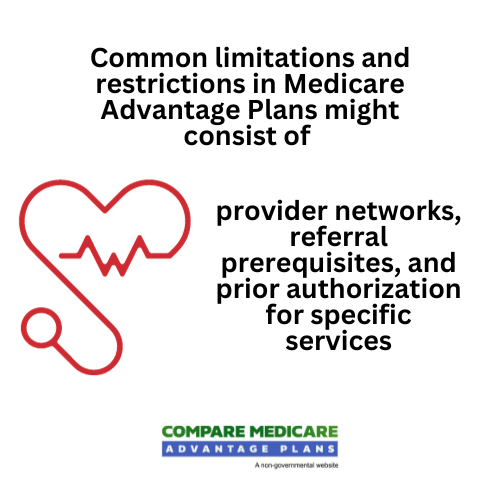
When considering Medicare Advantage plans, understanding network restrictions and limitations is key. Unlike Original Medicare, which allows beneficiaries to visit any healthcare provider that accepts Medicare, Medicare Advantage plans typically operate within a network of providers.

This can include specific hospitals, doctors, and specialists that contract with the plan. While these networks often help control costs, they may limit a beneficiary’s freedom to choose their healthcare providers, especially if they travel frequently or live in an area with limited network access.

Network restrictions can be a significant consideration for those who already have established relationships with healthcare providers. If a beneficiary’s preferred doctor or specialist isn’t part of their Medicare Advantage plan’s network, they may need to either switch providers or obtain services out-of-network, which might involve higher costs.

For seniors who prioritize continuity of care, these limitations can be challenging if they wish to maintain their current healthcare arrangements.

The impact of these network constraints also extends to accessing specialized services. Some Medicare Advantage plans require prior authorization for specific treatments or procedures, meaning that approval must be sought from the insurance company before receiving care.

This requirement can potentially delay treatment or lead to added administrative hurdles, which is an aspect beneficiaries should consider when evaluating their options.

Another factor is the regional nature of Medicare Advantage plans. Many operate within defined service areas, meaning that moving out of this area could require changing plans altogether.

This could be a drawback for individuals who split their time between different states or frequently relocate. Thus, understanding how network restrictions and service areas affect access to care can help beneficiaries choose the right plan for their lifestyle and health needs.


Potential Out-of-Pocket Costs

Another con of Medicare Advantage plans is the potential for out-of-pocket costs, which can add up depending on the plan’s structure and how often healthcare services are accessed. Although Medicare Advantage plans often have lower premiums than Medigap policies, they come with certain expenses that seniors should be mindful of.

These costs can include copayments, coinsurance, and deductibles for medical services, and they vary significantly between different plans.

The plans’ maximum out-of-pocket limits are one way Medicare Advantage seeks to control these expenses. Despite offering a financial safety net by capping annual spending, it’s essential for beneficiaries to understand what counts towards this limit and what doesn’t.

Routine visits, specialized care, or prolonged needs could push costs close to these caps, potentially impacting a senior’s budget. It’s also important to note that different services have distinct cost-sharing requirements, meaning a lower monthly premium might not always equate to lower overall healthcare costs.

Beneficiaries should also be aware of costs outside of these limits, such as prescription drugs if they’re included in the plan’s coverage. Medicare Advantage plans that offer Part D coverage may have separate rules regarding out-of-pocket costs for medications.

Checking a plan’s formulary list is crucial, as it lists covered drugs and associated costs, which can vary widely between plans. Understanding drug tiers and their pricing structures can help avoid unexpected expenses at the pharmacy.

Finally, while Medicare Advantage plans include additional benefits like vision, dental, and wellness programs, these might come with their own set of costs. Not all plans cover these services comprehensively, so beneficiaries often need to assess the balance between added benefits and potential out-of-pocket responsibilities.

By thoroughly comparing plan costs and anticipated healthcare needs, seniors can better navigate the intricate landscape of Medicare Advantage costs and select the most suitable plan for their circumstances.


Compare plans and enroll online


 Advertisement

Speak with a licensed insurance agent

1-833-641-4938
TTY 711

Mon-Fri : 8am-9pm ET

compare medicare advantage plans

Considering Drug Coverage with Medicare Advantage

When analyzing Medicare Advantage plans, it’s essential to understand how drug coverage integrates into these health insurance options. Medicare Advantage plans often include drug coverage, which differs from Medicare Part D standalone plans.

Evaluating how prescription drugs are covered, understanding formulary lists, and recognizing restrictions such as prior authorization requirements can help beneficiaries choose a plan that aligns with their health needs.

This knowledge empowers seniors to make informed decisions about their Medicare Advantage choices, ensuring they receive the necessary prescription drugs and related benefits.

How Prescription Drugs are Covered


How Prescription Drugs are Covered


Prescription drug coverage is a critical component of many Medicare Advantage plans, offering an integrated approach to healthcare. These plans, offered by private insurers, often come with comprehensive benefits that include prescription drug coverage under what is commonly referred to as Part D.

However, how these drugs are covered can vary significantly between plans, making it crucial for beneficiaries to understand the nuances of their chosen plan’s drug coverage policy. One of the key factors to consider is the plan’s formulary, which is a list of covered drugs.

Each Medicare Advantage plan has its own formulary that outlines the medications it covers, and these can vary not only from plan to plan but also from year to year. Therefore, it’s important for beneficiaries to check their plan’s current formulary to ensure it includes their prescription drugs.

This way, they can avoid unexpected costs or find themselves in need of medications not covered under their selected plan.

Besides formularies, it’s essential to pay attention to the tier system that Medicare Advantage plans typically use. Drugs are often categorized into tiers based on their costs, and moving from one tier to another can significantly affect the cost of the medication.

For instance, generic drugs are usually on lower tiers and are more affordable, while specialty drugs could be on a higher, more expensive tier. Understanding this tiered system and how it affects drug pricing can help beneficiaries anticipate their out-of-pocket expenses and plan their budgets accordingly.

Moreover, some Medicare Advantage plans may require prior authorization for certain medications. Prior authorization is a policy where the insurance provider must approve specific prescriptions before the plan covers them.

This requirement can be seen as both a safeguard to ensure the appropriate use of costly medications and a potential inconvenience for beneficiaries, as it may delay access to needed drugs. It’s vital that seniors discuss these potential restrictions with their healthcare providers to understand better how their prescriptions will be managed.

By thoroughly reviewing and comprehending the details of a Medicare Advantage plan’s prescription drug coverage, beneficiaries can make informed decisions that support their health and well-being while managing costs effectively.


Checking Formulary Lists

Formulary lists are integral in determining how Medicare Advantage plans provide drug coverage, affecting both cost and access to prescription medications. Each Medicare Advantage plan, as part of its structure, offers a unique formulary, essentially a list that details which prescription drugs are covered under the plan and how they are categorized.

A thorough understanding of these lists is crucial for beneficiaries to manage their healthcare needs effectively without incurring unexpected expenses. Beneficiaries should regularly check these lists, as they can change, resulting in drugs moving to a different tier or being excluded altogether.

Given that these changes can impact drug pricing, it’s essential to verify annually, typically during the Medicare Open Enrollment period, whether your medications remain covered under the same terms.

Formulary lists also illustrate the assigned cost-sharing tiers for different medications, which can drastically affect out-of-pocket expenses. Each tier has a defined copayment structure, meaning some drugs might require lower, more affordable out-of-pocket costs, while others, particularly those not included as preferred drugs, might lead to higher spending.

The distinction between preferred generics, non-preferred generics, brand-name drugs, and specialty drugs can all play a part in determining how much a beneficiary might need to budget for their medications.

Checking how a plan’s formulary covers their necessary prescriptions allows beneficiaries to plan their finances better and ensure continuity of care.

Some plans also incorporate policies requiring step therapy, where beneficiaries might be required to try less costly alternatives before the plan approves a more expensive drug.

Another important feature is the prior authorization policy, where certain prescriptions need to be pre-approved by the plan before being fulfilled, potentially adding complexity but also ensuring drug appropriateness. It’s helpful to consult with healthcare providers about these requirements, as these professionals can help navigate potential challenges in drug coverage.

Through proactive engagement with these formulary lists and their stipulations, Medicare Advantage plan members can more confidently manage their prescription medication needs while maintaining control over their healthcare costs.


Making an Informed Choice

Choosing the right Medicare Advantage plan involves understanding the nuances of coverage, benefits, and potential costs. Beneficiaries must weigh various factors to make an informed choice that suits their health needs and financial situation.

This section explores what seniors and caregivers need to consider when comparing Medicare Advantage plans, including the importance of guidance in navigating these options. As health insurance can be complex, taking the time to explore these areas will help ensure a more satisfactory decision for those seeking comprehensive coverage and services.


What to Consider When Comparing Plans

When comparing Medicare Advantage plans, it’s crucial to evaluate several key aspects to make an informed healthcare decision. First, consider the coverage each plan offers. Medicare Advantage plans are known for providing additional benefits beyond what Original Medicare provides, such as prescription drug coverage, vision, and dental services.

Understanding which services are most important to you will help narrow down the options. It’s important to check if the plan covers specific health services and how it integrates with your existing health needs.

For those who require frequent prescriptions, ensuring that the plan covers these medications and understanding the associated costs is critical.

Another essential factor is the network of providers included in the plan. Unlike Original Medicare, Medicare Advantage plans often require beneficiaries to use a specified network of doctors, specialists, and hospitals.

This network can control costs but potentially limit access to preferred healthcare providers. If you have existing relationships with certain doctors or healthcare facilities, verifying their inclusion in the plan’s network is a priority.

Consider if the trade-off between potential savings and network restrictions aligns with your healthcare preferences and needs.

It’s also helpful to examine the financial aspects of each plan. While Medicare Advantage plans typically feature lower premiums compared to Medigap policies, they come with varying out-of-pocket costs.

These may include copayments, coinsurance, and deductibles. Understanding how these costs add up over a year and comparing them against your budget can prevent unforeseen expenses.

Additionally, reviewing the plan’s maximum out-of-pocket limit offers reassurance against excessive spending, providing a safety net during high healthcare use.

Finally, consider the plan’s flexibility to accommodate changes in your health and circumstances. Some Medicare Advantage plans are known for innovation in care, offering programs for chronic disease management.

Evaluating these extras, such as wellness programs and preventive care incentives, may present added value, aligning with your health priorities. During the open enrollment period, it’s beneficial to review and compare available Medicare Advantage plans.

By gathering information and reflecting on personal healthcare needs, beneficiaries can feel more confident in selecting a plan that fits their long-term health insurance goals.


Continue enhancing your understanding of Medicare Advantage plans by keeping in mind these additional considerations:

  • Investigate telehealth benefits, particularly for convenience in rural or remote locations.
  • Check for coverage of international healthcare needs if you frequently travel abroad.
  • Assess how plan renewal terms might affect long-term healthcare coverage.
  • Look for community-specific programs that might benefit your local healthcare experience.
  • Verify if the plan includes gym memberships or other lifestyle perks.
  • Consider the ease of accessing customer service for inquiries and support.
  • Stay informed about the plan’s reputation by researching customer satisfaction and feedback.

These points ensure a well-rounded choice meeting your healthcare and lifestyle needs.


Seeking Help and Guidance


Seeking Help and Guidance


Navigating the landscape of Medicare Advantage plans can be overwhelming, but seeking help and guidance can ease the process. Various resources are available to assist beneficiaries in understanding their options and making informed decisions.

Enlisting help from independent Medicare advisors or using educational platforms can provide valuable insights into the plans that best fit your needs. These resources usually offer unbiased, compliance-safe guidance, focusing on helping you make well-informed choices without any sales pressure.

Another effective way to gather relevant information is by attending seminars or webinars focused on Medicare Advantage plans. These sessions often break down complex topics into digestible pieces, providing clarity on parts like coverage options, additional health services, and potential costs.

Participants have the opportunity to ask questions in real-time, gaining further insights tailored to their unique situations. This interactive approach can be especially helpful for seniors and caregivers looking to understand the nuances of Medicare Advantage.

Additionally, technology plays a significant role in aiding this decision-making process. Online comparison tools are available to help beneficiaries analyze different Medicare Advantage plans based on their zip code.

These tools allow you to compare plans side by side, examining factors like premium costs, network databases, and covered services. This quick access to comprehensive information makes it more convenient to check whether a plan aligns with your healthcare requirements without any hassle.

Another resource to consider is leveraging phone consultations with experienced advisors. These professionals can provide personalized advice, helping you to assess your health needs against the spectrum of available Medicare Advantage plans.

They offer insights into specific plan details, guiding you on topics such as prescription drug coverage and network restrictions. However, when insurance providers are involved, ensure that the advice remains unbiased and not sales-driven.

By utilizing these resources, beneficiaries can confidently explore Medicare Advantage options, equipped with the knowledge needed to make sound health insurance decisions.

If you’re ready to explore your Medicare Advantage options further, consider entering your ZIP code on our site to compare plans for 2026. Our directory can guide you through understanding the differences and benefits of each plan.

If additional help is needed, stay tuned for our dedicated helpline, which will be available to provide further assistance.

Exploring Medicare Advantage plans can feel overwhelming, but understanding the pros and cons helps in making a well-informed decision. Remember to consider factors like network restrictions, out-of-pocket costs, and additional benefits when evaluating your options.

Checking the available plans in your area for 2026 can give you a clearer picture of what might meet your needs. For further assistance, feel free to enter your ZIP code on our site to compare Medicare Advantage options or call us once our friendly phone team is ready to offer guidance. We’re here to support you in this important journey.

Frequently Asked Questions


What are Medicare Advantage plans?

Medicare Advantage plans, also known as Medicare Part C, are an alternative to Original Medicare. These plans are offered by private insurance companies approved by Medicare and often include additional benefits such as vision, dental, and hearing services not typically covered by Original Medicare.


What are the potential benefits of choosing a Medicare Advantage plan?

Medicare Advantage plans often provide extra benefits beyond standard Medicare, such as vision, dental, and fitness programs. They also frequently include prescription drug coverage and may offer lower premiums than Medigap policies. Additionally, they come with a maximum out-of-pocket limit, offering some financial protection.


What are the main considerations when evaluating a Medicare Advantage plan?

When evaluating a Medicare Advantage plan, consider the network of healthcare providers, the coverage of prescription drugs, out-of-pocket costs, additional benefits, and any limitations such as prior authorization for services. It’s important to verify that your preferred doctors and necessary medications are included under the plan.


How do network restrictions in Medicare Advantage plans affect healthcare access?

Medicare Advantage plans typically require using a network of doctors and hospitals, which can help control costs but may limit provider choice. If your healthcare providers are not within the network, you might need to switch providers or pay more for out-of-network care. Confirming provider inclusion ensures continuity of care.


How can you compare different Medicare Advantage plans effectively?

To compare Medicare Advantage plans, use online resources and comparison tools that allow you to review plans based on your ZIP code. Consider factors like coverage options, costs, and network restrictions. Engaging with educational resources and seeking unbiased guidance can further assist in making an informed decision.

call today for help

 ZRN Health & Financial Services, LLC, a Texas limited liability company

Find & Compare Plans Online 


 Advertisement

Speak with a licensed insurance agent

 1-833-641-4938
TTY 711

Mon-Fri : 8am-9pm EST

( Medicare Expert )

Russell Noga is the CEO of ZRN Health & Financial Services, and head content editor of several Medicare insurance online publications. He has over 15 years of experience as a licensed Medicare insurance broker helping Medicare beneficiaries learn about Medicare, Medicare Advantage Plans, Medigap insurance, and Medicare Part D prescription drug plans.