






United Medicare Advantage Plans 2026
Want to know if UnitedHealthcare Medicare Advantage plans, also known as United Medicare Advantage Plans, are right for you?
This article breaks down what these plans offer, from comprehensive coverage that includes Medicare Parts A, B, and D, to additional perks like dental, vision, and hearing benefits. Find out how they compare and how to select the best plan to meet your healthcare needs.
Key Takeaways
- UnitedHealthcare Medicare Advantage plans integrate Medicare Parts A and B, often including Part D, and offer additional benefits like vision, dental, and fitness coverage.
- The plans available include HMO, PPO, PFFS, and Special Needs Plans, each with distinct characteristics and benefits tailored to different healthcare needs.
- Enrollment in these plans requires Medicare Part A and B; various enrollment periods exist, allowing members to choose or switch plans according to their healthcare requirements.
Compare Plans In One Step!
Overview of UnitedHealthcare Medicare Advantage Plans

UnitedHealthcare Medicare Advantage plans combine the benefits of Medicare Parts A and B, and often Part D, into a single plan. Most of these plans include prescription drug coverage, making them a comprehensive option for managing your healthcare needs.
Additionally, these plans frequently offer extra benefits not covered by Original Medicare, such as routine vision, hearing, dental, fitness coverage, and part b coverage.
UnitedHealthcare stands out by offering a diverse range of Medicare Advantage plans tailored to meet various healthcare needs and preferences.
Whether you’re looking for a UnitedHealthcare plan with extensive prescription drug coverage or one that emphasizes preventive care and wellness programs, those insured through UnitedHealthcare insurance have options designed to cater to your specific requirements as a diversified health care company.
Types of UnitedHealthcare Medicare Advantage Plans
UnitedHealthcare offers an array of Medicare Advantage plans to suit different healthcare needs. These include:
- Health Maintenance Organization (HMO) plans
- Preferred Provider Organization (PPO) plans
- Private Fee-for-Service (PFFS) plans
- Special Needs Plans (SNPs) from a Medicare Advantage organization.
Each plan type comes with its own set of benefits and considerations, making it essential to understand that not all plans offer all the benefits each provides, including the fitness benefit and health benefits, to find the best fit for your healthcare needs.
UnitedHealthcare HMO Plans
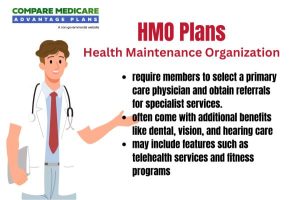
HMO plans typically require members to select a primary care provider who coordinates all their healthcare services. This means that for most specialist visits, you’ll need a referral from your primary care provider. This system emphasizes preventive care, aiming to catch health issues early and manage them effectively.
UnitedHealthcare’s HMO plans often have low or even zero monthly premiums, making them an affordable choice for many health plans. However, it’s important to stay within the network of providers to avoid higher out-of-pocket costs.
This plan type is ideal for those who prefer having a central figure in charge of their healthcare and are comfortable with the referral system.
UnitedHealthcare PPO Plans
PPO plans offer greater flexibility compared to HMO plans. Benefits of a PPO plan include:
- Ability to see any doctor nationwide without needing referrals
- Increased flexibility, making them popular for those who travel frequently
- Preference for having a broader range of healthcare providers
However, this flexibility comes at a cost. PPO plans typically have higher premiums and out-of-pocket expenses compared to HMO plans. But for many, the freedom to choose their healthcare providers and the convenience of not needing referrals are well worth the additional cost.
Compare plans and enroll online

UnitedHealthcare PFFS Plans
PFFS plans offer the ultimate flexibility with no network restrictions, allowing members to see any Medicare-approved provider that agrees to the plan’s terms.
This means you can visit any doctor or hospital as long as they accept the plan’s payment terms, giving you significant choice in your healthcare providers.
UnitedHealthcare Special Needs Plans (SNPs)

Special Needs Plans (SNPs) are designed for individuals with specific health conditions or financial needs. These plans offer tailored benefits and services to manage chronic conditions like diabetes, chronic heart failure, and cardiovascular disorders.
SNPs also cater to Medicaid beneficiaries who are eligible for both Medicare and the state Medicaid program, providing a comprehensive package of benefits suited to their unique needs plans D SNPs, including dual special needs plans and chronic special needs plans.
For those with chronic conditions or specific financial situations, SNPs can provide the specialized care and support needed to manage their health effectively. These plans often include integrated prescription drug coverage, ensuring that members have access to the medications they need.
Enrollment Periods and Eligibility for Medicare Advantage Plans
Enrollment in a Medicare Advantage plan requires both Medicare Part A and Part B. The Initial Enrollment Period (IEP) offers the first chance to join, which spans:
- Three months before your 65th birthday
- The month of your 65th birthday
- Three months after your 65th birthday
New enrollees should take advantage of this period to ensure timely healthcare coverage.
Other enrollment opportunities include the Annual Election Period (AEP) from October 15 to December 7, which allows for plan changes or updates to existing coverage.
From January 1 to March 31, the Medicare Advantage Open Enrollment Period offers another chance to switch plans Medicare enrollment or return to Original Medicare. Special Enrollment Periods (SEPs) also permit changes due to specific life events like relocation or loss of coverage.
Comparing UnitedHealthcare Medicare Advantage Plans

When comparing UnitedHealthcare Medicare Advantage plans, differences in benefits, costs, and provider networks are key considerations.
For example, HMO plans generally have lower premiums but necessitate staying within a network and obtaining referrals for specialists. PPO plans, conversely, allow visits to any Medicare-approved doctor without referrals, albeit with higher premiums and out-of-pocket expenses.
PFFS plans offer the flexibility to choose any Medicare-approved provider agreeing to the plan’s terms, ideal for those seeking a wide range of options. Special Needs Plans (SNPs) are tailored for individuals with specific health conditions or financial needs, providing specialized care and usually including drug coverage, as well as various Medicare plan types and Medicare plans.
Evaluating plans involves examining monthly premiums and out-of-pocket costs, including deductibles and copays. Lower premium plans may have higher out-of-pocket expenses, so understanding this trade-off is important.
Some UnitedHealthcare Medicare Advantage plans come with additional benefits like dental, vision, and wellness programs, which can greatly enhance your overall healthcare experience.
The best plan for you hinges on your healthcare needs, financial situation, and personal preferences. By thoughtfully evaluating these factors and comparing available Medicare plan options, you can identify a UnitedHealthcare Medicare Advantage plan that suits your unique requirements. For more information, consider downloading a free Medicare guide.
Benefits of Choosing UnitedHealthcare Medicare Advantage Plans
Opting for a UnitedHealthcare Medicare Advantage plan offers numerous benefits to enhance your healthcare experience. Many plans include integrated prescription drug coverage (MAPD), simplifying medication management and healthcare costs.
Most standard UnitedHealthcare Medicare Advantage plans feature $0 copays for preventive services like routine dental, vision, and hearing exams.
UnitedHealthcare provides the following services and benefits:
- Extensive hearing services, including routine exams and access to a range of hearing aids, which are not covered under Original Medicare.
- Vision benefits, typically featuring annual eye exams and financial allowances for eyewear, enhancing overall eye health.
- The HouseCalls program for eligible members, offering in-home health visits for personalized care, making it easier to manage your health.
Beyond basic healthcare, UnitedHealthcare provides clinical support programs for managing chronic conditions like diabetes and COPD for chronically ill enrollees. Members can also access resources for mental and behavioral health, ensuring comprehensive support.
UnitedHealthcare promotes wellness with programs centered on physical activity and healthy eating, highlighting the healthy food benefit.
Members can save significantly on hearing aids, with copays starting at $99 compared to average retail prices. Choosing a UnitedHealthcare Medicare Advantage plan grants access to various benefits that enhance overall health and well-being, including hearing benefits:
- Wellness programs focused on physical activity and healthy eating
- Significant savings on hearing aids, with copays starting at $99
- Access to various benefits that improve overall health and well-being
Prescription Drug Coverage in UnitedHealthcare Medicare Advantage Plans

Prescription drug coverage is a crucial aspect of most UnitedHealthcare Medicare Advantage plans and Medicare coverage. Each plan features a formulary that lists covered prescription drugs and their costs, allowing members to understand their specific prescription drugs coverage and associated expenses.
UnitedHealthcare provides some essential medications, such as preferred insulins, at zero out-of-pocket costs under select plans. Reviewing the plan’s drug formulary is important to ensure it covers your medications and to understand costs at your preferred pharmacy.
How to Choose the Right UnitedHealthcare Medicare Advantage Plan
Selecting the right UnitedHealthcare Medicare Advantage plan requires evaluating your healthcare needs and financial situation. Begin by reviewing a free Medicare guide learn to assess your healthcare services used in the past year to estimate future costs. Identify crucial plan benefits and consider potential impacts on out-of-pocket expenses.
Reviewing plan details involves considering the following:
- Premiums, deductibles, and out-of-pocket costs
- Additional benefits such as dental, vision, and wellness programs
- Comparing plans of your preferred providers and medications to compare plans check estimate.
Careful evaluation of these factors will help you choose a plan that meets your needs and is essential for meeting consumer health while providing the best value for your healthcare investment, including plan recommendations.
Support and Resources for UnitedHealthcare Medicare Advantage Members
UnitedHealthcare offers various support and resources to assist members in managing their healthcare. The UnitedHealthcare member site provides easy access to plan details and benefits, keeping members informed about their coverage.
The UnitedHealthcare app enables members to view prescriptions, locate pharmacies, and manage their health insurance information on the go.
The UCard system streamlines member interactions, simplifying benefit management and transactions. As already a member ID, the UCard grants access to various plan services and features, easing healthcare navigation.
The member resources section also offers tools for estimating drug costs and finding healthcare providers, ensuring you have the necessary information for informed healthcare decisions. Additionally, you can perform a drug costs check to better understand your expenses.
Summary
UnitedHealthcare Medicare Advantage plans offer a comprehensive and flexible approach to managing your healthcare needs. With a variety of plan types, including HMO, PPO, PFFS, and SNPs, there’s an option to suit everyone’s needs and preferences. These plans provide extensive benefits, including prescription drug coverage, preventive services, and specialized care for chronic conditions.
By carefully comparing the available plans and considering your healthcare needs and financial situation, you can select the right UnitedHealthcare Medicare Advantage plan for you. With the additional support and resources provided by UnitedHealthcare, you can confidently navigate your healthcare journey and enjoy a higher quality of life.
Frequently Asked Questions
→ What is the disadvantage of UnitedHealthcare Medicare Advantage?
The main disadvantage of UnitedHealthcare Medicare Advantage plans is their limited access to providers, with potential restrictions on out-of-network care, higher costs, and a frustrating prior authorization process that can delay necessary treatments. Therefore, it is important to carefully consider these factors before enrolling.
→ What is the difference between HMO and PPO plans?
HMO plans necessitate selecting a primary care provider and obtaining referrals for specialists, resulting in less flexibility. Conversely, PPO plans allow members to visit any doctor without needing referrals, providing greater flexibility in healthcare choices.
→ Can I switch Medicare Advantage plans after enrolling?
You can switch Medicare Advantage plans during the Annual Election Period from October 15 to December 7 and the Medicare Advantage Open Enrollment Period from January 1 to March 31. It’s important to make changes during these designated times.
→ Do UnitedHealthcare Medicare Advantage plans cover prescription drugs?
UnitedHealthcare Medicare Advantage plans typically cover prescription drugs through integrated plans known as MAPD plans. This ensures that beneficiaries have access to necessary medications as part of their healthcare coverage.
→ What additional benefits do UnitedHealthcare Medicare Advantage plans offer?
UnitedHealthcare Medicare Advantage plans offer additional benefits such as dental, vision, and hearing services, alongside wellness programs and access to clinical support initiatives like HouseCalls. These enhancements can significantly improve overall health and well-being for enrollees.
Have Questions?
Speak with a licensed insurance agent
1-833-641-4938
TTY users 711
Mon-Fri: 8am-9pm ET
ZRN Health & Financial Services, LLC, a Texas limited liability company
Find & Compare Plans Online

Russell Noga is the CEO of ZRN Health & Financial Services, and head content editor of several Medicare insurance online publications. He has over 15 years of experience as a licensed Medicare insurance broker helping Medicare beneficiaries learn about Medicare, Medicare Advantage Plans, Medigap insurance, and Medicare Part D prescription drug plans.