What Is Prior Authorization?
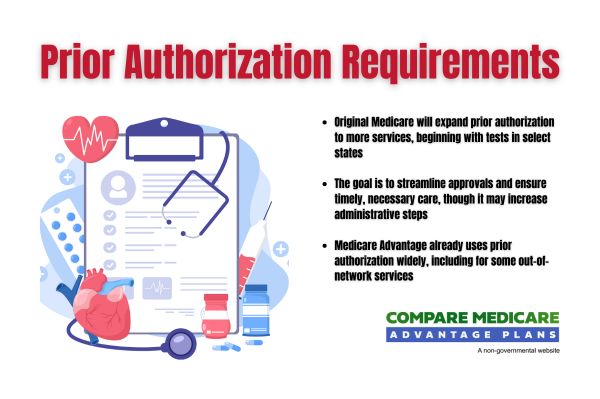
Prior authorization is a process used by Medicare Advantage plans to determine if they’ll cover a particular treatment or service.
This requirement ensures that the proposed healthcare intervention is both necessary and aligns with the plan’s coverage criteria. It’s like a permission slip from your insurance before you can get certain services.
For seniors, this step is integral to having a treatment approved and covered by their plan. Without obtaining prior authorization, beneficiaries might face coverage denial, which means they’d have to cover the full cost of the service out of pocket.
The rationale behind prior authorizations is to manage healthcare costs and ensure that patients receive treatments that are medically justified.
However, this process can occasionally slow down access to care, as it involves additional paperwork and potentially waiting for approval before proceeding with a prescribed course of action.
For example, if a senior needs surgery that’s considered elective rather than urgent, the plan might insist on reviewing the necessity before granting coverage. This step-by-step check helps keep unnecessary spending in check and ensures the plan remains financially sustainable.
Navigating prior authorizations involves understanding what treatments or services require it and submitting the correct documentation to the Medicare Advantage plan.
Providers typically handle the submission process, but as a beneficiary, it’s crucial to confirm that these requirements are being met. Failure to do so can result in plan denials, leaving the patient responsible for the costs.
By being proactive and informed about prior authorizations, seniors can better prepare for potential health care interactions and mitigate unexpected expenses. For those looking to use services that may require prior authorization, it’s wise to engage with your provider and plan ahead of your healthcare needs to avoid disruption.
How Preexisting Conditions Affect Coverage
Preexisting conditions are medical issues that existed before someone enrolls in a new health insurance plan. In the context of Medicare Advantage, while plans typically don’t deny outright based on these conditions, they might affect coverage in more nuanced ways.
Originally, traditional Medicare covers everyone equally, regardless of previous health problems. However, Medicare Advantage plans might impose restrictions or require additional scrutiny depending on the condition’s nature.
One reason conditions might lead to modified coverage decisions is that Medicare Advantage plans are operated by private insurance companies.
These insurers use various strategies to maintain cost-effectiveness, including scrutinizing and managing care related to expensive, chronic conditions.
This is where the concept of prior authorizations plays a role again, as it might be more rigorously applied in patients with significant preexisting conditions to ensure treatments align with coverage requirements.
For seniors with long-standing health conditions, understanding their Medicare Advantage plan’s policy on these issues is essential. While these plans can’t reject outright based on a preexisting condition once you’re enrolled, the way care is managed might change.
Additional services like wellness programs, frequent check-ups, or specialty consultations may be subject to specific terms. Beneficiaries should routinely check how their needs stack up against what the plan offers to guarantee that they are receiving the comprehensive coverage they require within their budget constraints.
To navigate these waters effectively, seniors ought to review their plan terms, understand what’s covered, and engage in ongoing communication with their healthcare providers.
This way, they can ensure their healthcare strategy aligns with their conditions, avoiding any surprises in coverage and enhancing the overall care experience. Remember, while preexisting conditions are a crucial factor, a well-chosen Medicare Advantage plan can still offer robust support tailored to an individual’s needs.
Navigating Coverage Denials
Navigating the complex world of Medicare Advantage plans can be challenging, especially when faced with coverage denials.
These denials occur when a Medicare Advantage plan, often requiring prior authorization for specific services, decides not to cover a treatment or procedure. Understanding why these plans deny coverage and the steps you can take if it happens is crucial.
This section offers insights into handling coverage denial, demystifying the appeals process, and provides practical strategies for ensuring your healthcare needs are met under Medicare Advantage plans, all while maintaining a calm and supportive approach.
Steps to Take if Medicare Advantage Denies Coverage
When faced with a coverage denial from your Medicare Advantage plan, it’s essential not to panic but instead take organized and informed steps. First, carefully review the denial notice.
This notice will explain why your plan denied the coverage, often citing issues like missing prior authorization or services deemed outside your plan’s network. Understanding the exact reason is the first key step in deciding your next course of action.
Sometimes, a simple clerical error or an overlooked detail can lead to denial, so it’s important to double-check all the documentation submitted during the treatment request.
Next, reach out to your healthcare provider. Often, they have experience navigating the intricacies of Medicare Advantage plans and can assist in clarifying any misunderstandings.
They might also help resubmit the necessary paperwork or provide additional information the plan requires. This collaboration can sometimes resolve the issue quickly without requiring further action on your part.
If denying coverage persists, you may pursue the appeals process. Medicare Advantage plan denials aren’t necessarily the last word on whether a service will be covered.
Making an appeal involves gathering and presenting evidence that demonstrates why the service is medically necessary and should be covered under your plan. Be sure to adhere to the deadlines and procedures outlined in your plan’s denial notice, as missing these details can jeopardize the success of your appeal.
Lastly, consider engaging Medicare resources or advocacy groups. They offer guidance on navigating coverage denials and can provide seasoned advice to ensure that you’re not overlooking any crucial steps or opportunities for resolution.
Remember, staying informed and proactive are your best tools when dealing with Medicare Advantage coverage denials.
Understanding the Appeals Process
The appeals process for coverage denials under Medicare Advantage plans can be intricate, but it’s a vital path for ensuring you receive necessary healthcare services.
Begin by understanding that you have the right to appeal any coverage denial, and there are several levels to this process, each offering a chance to review and potentially overturn the decision.
Initially, it involves submitting a written request to your plan, detailing why the denial was unfounded and including supporting medical documentation.
This first level aims to resolve the misunderstanding directly with your plan’s administrators.
Should the initial appeal not lead to a satisfactory resolution, the process advances to an independent organization not affiliated with your Medicare Advantage plan.
This entity will examine your case and the supporting evidence. A thorough review at this stage ensures that Medicare’s guidelines and your specific plan’s terms are appropriately upheld, providing an unbiased decision on your coverage denial.
The appeals process is cumulative, meaning that if these first stages do not overturn the decision, further escalation is possible. This might include a review by an Administrative Law Judge or even the Medicare Appeals Council if necessary.
Each step offers a structured pathway to reconciling plan denials, involving more detailed examinations and judgments by competent authorities.
For seniors and their caregivers, navigating this process can seem intimidating, yet understanding each level and preparing comprehensively can markedly increase successful outcomes.
It’s crucial to maintain thorough documentation and stay within stipulated timelines. Seeking assistance from Medicare experts or legal aid can be invaluable, ensuring your appeal is as robust as possible.
This strategic, step-by-step approach reinforces that coverage is granted based on correct application of plan rules, helping beneficiaries achieve equitable health service access under Medicare Advantage plans.
Understanding Medicare Advantage plan options can seem daunting, but knowing what’s available can make a big difference. It’s essential to compare plans, considering benefits and coverage details.
To get started, you can enter your ZIP code on our site to see options for 2026. This can help you explore plans in your area.
Remember, our goal is to provide clear information so you can make informed decisions. If you need further assistance, give us a call when our phone line is available. We’re here to help you navigate your Medicare choices.