Is Medicare Advantage Better Than Medicare?

When exploring Medicare options, many seniors wonder how Medicare Advantage compares to Original Medicare. Medicare Advantage, also known as Medicare Part C, is an all-in-one choice that bundles hospital, medical, and sometimes drug coverage into a private insurance plan.

This webpage aims to explain how these plans work, the benefits they might offer, and how they differ from Original Medicare, helping seniors and caregivers understand their choices. From cost variations to added benefits, we’ll provide insights to help you navigate your Medicare decisions with confidence.


Brief Overview

Medicare Advantage and Original Medicare offer distinct coverage options tailored to different needs. Medicare Advantage plans bundle additional benefits like dental and vision and often include prescription drug coverage, providing an all-in-one solution with capped annual out-of-pocket expenses.

In contrast, Original Medicare offers flexibility with provider access but may involve higher, unpredictable costs unless supplemented with a Medigap policy. When deciding the best fit, consider healthcare usage, budget, and specific coverage needs.

Explore plan options by entering your ZIP code on our site or calling for guidance to ensure a confident choice for your healthcare plans.


Key Takeaways


  • Medicare Advantage (Part C) combines hospital, medical, and sometimes drug coverage in one private insurance plan.


  • These plans often include additional benefits like dental and vision, differing from Original Medicare’s offerings.


  • Medicare Advantage may have network restrictions, affecting provider choice compared to Original Medicare.


  • It’s important to compare premiums, deductibles, and copayments to fit healthcare needs and budget.


  • Review annual policy changes to ensure continued coverage that meets health and financial priorities.

Compare Plans in One Step!

Enter Zip Code


 Advertisement

What Is Medicare Advantage?

Is Medicare Advantage Better Than Medicare


Medicare Advantage, also known as Medicare Part C, provides an alternative route to obtaining your Medicare benefits. Think of it as all-in-one coverage.

By choosing a Medicare Advantage plan, you can bundle Original Medicare services (Part A and Part B) with additional benefits like dental, vision, and prescription drug coverage, offering more comprehensive health coverage.

Understanding how these advantage plans differ from traditional Medicare can greatly simplify your healthcare choices and help manage potential out-of-pocket costs.


Understanding the Basics of Medicare Advantage
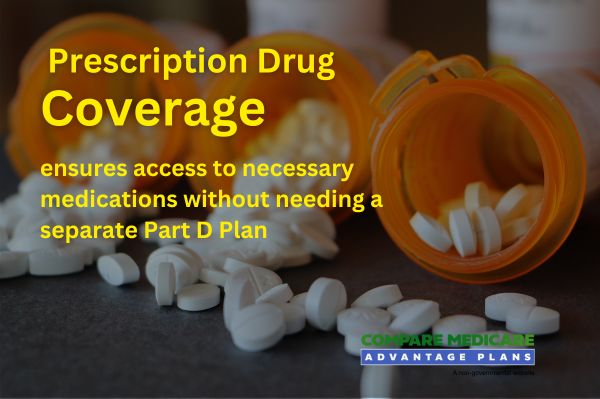
 

Understanding the Basics of Medicare Advantage - Prescription Drug Coverage


Medicare Advantage plans are a popular choice for many seniors due to their flexibility and the additional benefits they often provide over Original Medicare. These plans are offered by private insurance companies such as Humana, Aetna, and United Healthcare, and are approved by Medicare.

One great benefit is that they often include Medicare Part D, which covers prescription drugs, rolled into the same plan. Most also cover dental, vision, and hearing, which are not covered by Original Medicare.

This added coverage can make a big difference in managing your health needs and expenses.

It’s important to know that how you pay for these plans can differ greatly from Original Medicare. Usually, you will continue to pay the Part B premium, along with any additional premium set by your Medicare Advantage plan.

Each plan can vary significantly in terms of coverage, out-of-pocket costs, and network restrictions, so it’s crucial to compare them to find what fits best with your healthcare needs and budget.

Access to healthcare providers is another element to consider. Medicare Advantage plans often require using a network of doctors and hospitals.

This can include specific regional networks like HMOs or more flexible options like PPOs, depending on the plan you choose. Each type of plan has its own rules about how you access your coverage.

Because of these differences, it’s vital to check that your preferred doctors and healthcare facilities are in the network for any plan you consider.

Additionally, understanding the policy changes year-to-year is essential as plans can alter their coverage terms and conditions. Being informed about these details helps in making a more comfortable transition and ensuring continued access to the healthcare services you need the most.

Take advantage of resources such as Medicare.gov or reach out to local Medicare experts for clarity on the specifics of each option.


How Advantage Plans Differ from Original Medicare

Medicare Advantage plans present a different structure in how they deliver benefits compared to Original Medicare. While Original Medicare (consisting of Part A and B) covers certain hospital and medical services, Medicare Advantage plans go beyond by offering additional benefits not covered under traditional Medicare.

For instance, with Original Medicare, you separately need a Medigap policy to help with out-of-pocket costs. However, many Advantage plans cap these expenses, helping you to predict annual costs more reliably.

An important aspect of these policies is how they handle out-of-pocket expenses. With traditional Medicare, you may face higher costs due to the lack of a pricing cap, which can potentially lead to unexpected healthcare bills.

On the other hand, Medicare Advantage plans offer an annual out-of-pocket maximum, providing some financial predictability and safety from exceeding costs that don’t fit within your budget.

Certain restrictions are tied to advantage plans, such as network limitations. Unlike Original Medicare, which allows you to see any doctor that accepts Medicare, Advantage plans often require you to see doctors and hospitals within their network.

This means you’ll need to check if your current providers are included when considering any plan. Additionally, referrals might be necessary for specialist visits, depending on the plan structure.

Cost is another point of distinction. While both forms of Medicare involve premiums, deductibles, and copayments, the extent and distribution of these can differ significantly.

For example, you might pay lower upfront costs for certain services with an Advantage plan, but experience higher routine copayments. Understanding your own healthcare usage and financial capabilities will greatly aid in evaluating whether these plans fit your lifestyle.

Practically, choosing between these options is about balance. It’s essential to weigh the convenience and extras of Medicare Advantage against the broader geographic healthcare access that Original Medicare provides.

Consult with knowledgeable experts to explore these differences further and to assess which plan structure will serve you best in managing your healthcare and financial needs.


Medicare Plans: Key Differences Explained

Understanding the differences between Medicare Advantage, Original Medicare, and Medicare Supplement plans is crucial for making informed healthcare decisions. Each type of plan offers unique benefits and challenges, tailored to meet different health and financial needs.

While Medicare Advantage is known for its all-in-one packages and added benefits, Original Medicare provides broad access to healthcare providers. Medicare Supplements, or Medigap policies, help cover additional costs that Original Medicare doesn’t fully cover.

Comparing these plans will guide you toward the best choice for your healthcare and budgetary needs.


Comparing Medicare Advantage and Original Medicare
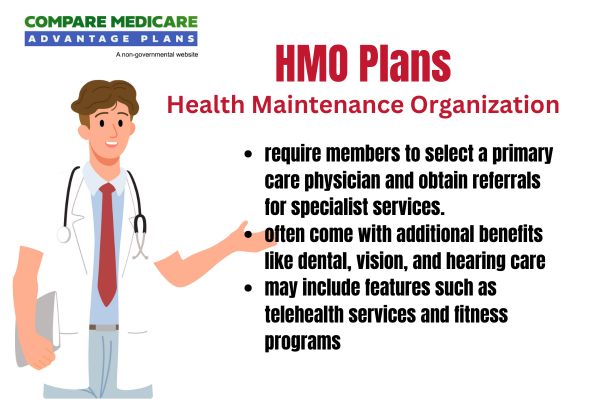
 

Comparing Medicare Advantage and Original Medicare - HMO Plans


When looking at Medicare Advantage and Original Medicare, it’s essential to weigh their core differences to determine which might suit your needs better. Original Medicare (Part A and Part B) was designed to cover necessary hospital and medical expenses.

It provides the freedom to choose any healthcare provider that accepts Medicare, an appealing aspect for those who prioritize access to a wide range of doctors and facilities. However, this freedom often comes with out-of-pocket costs that can add up, especially when regular medical services are required.

Many find themselves purchasing additional Medicare supplement plans, known as Medigap, to cover these costs.

On the flip side, Medicare Advantage plans, or Part C, bundle the services of Part A and B, often adding extra benefits like dental, vision, and hearing coverage. Managed by private insurance companies, these advantage plans often include Part D prescription drug coverage, simplifying how beneficiaries manage their healthcare services.

They also frequently offer an out-of-pocket maximum, helping to limit your healthcare spending each year, unlike Original Medicare, which can lead to unforeseen expenses.

However, one must consider network restrictions present in most Medicare Advantage plans. Unlike Original Medicare, which provides flexibility in choosing any Medicare-accepting provider, Advantage plans typically require you to use a specific network of doctors and hospitals.

You might find HMOs need you to choose a primary care physician or get referrals to see specialists, while PPOs offer a bit more flexibility. This difference can be significant if accessing a wide network of providers is your priority.

The decision between Medicare Advantage and Original Medicare should reflect your personal healthcare requirements and lifestyle preferences. If the peace of mind from an out-of-pocket cap and additional benefits is paramount, an Advantage plan might be ideal.

Yet if unfettered access to various healthcare providers is your goal, sticking with Original Medicare supplemented by a Medigap policy could be more advantageous. A thorough assessment of these factors will aid in making the most suitable choice for your health needs.


Exploring the Role of Medicare Supplement

Medicare Supplements, commonly referred to as Medigap policies, play a vital role in enhancing the coverage of Original Medicare. Original Medicare can leave beneficiaries responsible for certain out-of-pocket expenses, including deductibles, copayments, and coinsurance.

This is where Medigap comes in, designed to fill those “gaps” and reduce the financial burden on beneficiaries by covering some, if not all, of the costs that Original Medicare does not cover. These policies offer peace of mind by providing greater predictability in healthcare expenses and eliminating surprise costs that can disrupt a senior’s budget.

There are several standardized Medigap plans available, each offering a unique set of benefits. For example, some plans may cover skilled nursing facilities, while others might provide foreign travel emergency health coverage.

The variety allows beneficiaries to select a policy that closely aligns with their health needs and financial situation. It’s important to note that while these plans significantly enhance Original Medicare’s coverage, they do not include services like dental, vision, or hearing.

Those would typically need to be added via separate insurance plans or through enrolling in a Medicare Advantage plan.

Choosing a Medigap policy often requires considering your current health status and potential future healthcare needs. For example, if you anticipate needing extensive hospitalization or skilled nursing care, selecting a Medigap policy with broader coverage for these services might be wise.

It’s equally important to factor in the cost of premiums, which can vary based on the plan selected and the state of residency.

Ultimately, Medigap policies offer robust support for individuals who prefer the extensive provider access that Original Medicare provides. They reduce the unpredictable nature of healthcare costs, ensuring beneficiaries can maintain consistent access to essential services without the fear of prohibitive expenses.

For informed decision-making, consulting with a Medicare expert can provide clarity on how a Medigap policy fits into your overall Medicare strategy and whether it meets your needs beyond what Original Medicare covers.


Benefits of Choosing a Medicare Advantage Plan

 

Additional Benefits and Features


Choosing a Medicare Advantage plan offers a range of benefits and features beyond Original Medicare. These plans, also known as Medicare Part C, provide an all-in-one alternative with added coverage like dental, vision, and even gym memberships.

Seniors and caregivers considering these plans need to understand both the advantages and limitations, ensuring they align with personal health needs and budget priorities. While the convenience of bundled services and specific cost structures can be appealing, it’s crucial to weigh these against network restrictions and the nuances of plan options.

This section will detail both the available benefits and what considerations should be taken into account.


Available Benefits and Features

Medicare Advantage plans offer a unique blend of benefits that can make managing healthcare more straightforward and cost-effective. These plans typically include services beyond what Original Medicare provides, such as vision care and routine dental check-ups, which can be significant for maintaining a good quality of life.

For those who frequently need medications, the inclusion of Medicare Part D for drug coverage within these plans is a noteworthy advantage. Prescription drug plans often reduce out-of-pocket costs, and being part of an all-in-one Medicare plan means fewer insurance cards and streamlined billing processes, simplifying your healthcare affairs.

Another compelling feature of Medicare Advantage plans is the financial predictability they offer through an annual out-of-pocket maximum. Unlike Original Medicare, which can leave you vulnerable to unexpected expenses, Advantage plans cap your annual healthcare costs, providing a financial safety net.

Additionally, many plans offer additional health benefits, such as wellness programs and even fitness memberships, aiming to promote a healthier lifestyle and prevent costly medical issues before they arise.

For the tech-savvy or those with less mobility, telehealth services are often part of the plan offerings. You can have virtual consultations with healthcare providers, which is both convenient and a time-saver.

While these advantages make the plans attractive, it’s essential to confirm that your preferred healthcare providers are within the plan’s network, as many Advantage plans work with designated networks. This alignment ensures that beneficiaries maintain access to the doctors they trust without additional charges.

Ensuring your plan fits your healthcare and financial priorities allows for a well-rounded and informed decision-making process.


Here are some additional considerations to ponder when evaluating Medicare Advantage plans:

  • Coverage often includes vision, dental, and hearing services beyond standard Medicare offerings.
  • Access to wellness programs, such as gym memberships or fitness classes, may be included.
  • Plans may offer integrated care coordination to streamline healthcare management.
  • Prescription drug coverage is frequently included, reducing the need for separate plans.
  • Some plans feature telehealth services, expanding accessibility to healthcare consultations.
  • Out-of-pocket maximums can provide financial protection against high medical expenses.
  • Emergency and urgent care coverage may extend to international travel.


This comprehensive overview aids in aligning the plan features with personal healthcare needs.

Compare plans and enroll online


 Advertisement

Speak with a licensed insurance agent

1-833-641-4938
TTY 711

Mon-Fri : 8am-9pm ET

compare medicare advantage plans

Considerations for Seniors and Caregivers

When evaluating Medicare Advantage plans, both seniors and their caregivers should consider several factors to make informed decisions. One of the first aspects is understanding how each plan aligns with personal health needs.

If a senior frequently visits specialists, it’s crucial to check whether they are in-network, as out-of-network visits can lead to higher costs. The structure of Medicare Advantage plans often includes networks, such as HMOs or PPOs, which come with specific rules about provider access.

Understanding these distinctions helps avoid surprises down the road.

Notably, caregivers play a vital role in navigating these complexities, often assisting in comparing several Medicare plans. It’s beneficial for them to understand the cost structures associated with each plan, premiums, deductibles, and copayments, and how these align with the financial capabilities of the person being cared for.

For instance, while some plans may offer low premiums, they might have higher copayments for healthcare services, which could affect overall healthcare expenses.

Policy changes from year to year are another consideration. Medicare Advantage plans can modify their benefits and coverage terms annually, which could impact the services a senior relies on.

Therefore, staying updated on policy changes or working with an insurance expert can be advantageous in maintaining optimal healthcare coverage. Additionally, factors like customer service quality, the plan’s reputation for timely reimbursements, and orientation towards preventive care are essential in creating a satisfying Medicare experience.

Balancing these considerations with the additional benefits, such as prescription drug coverage or wellness programs, necessitates diligent research and often a bit of guidance. Engaging with trusted resources like Medicare.gov or seeking insights from someone familiar with Medicare policies can inform your decision better.

By carefully weighing all these aspects, seniors and caregivers can select a Medicare Advantage plan that not only meets immediate healthcare needs but provides peace of mind for the future.

How Advantage Plans Affect Your Costs

Navigating the financial aspects of healthcare is crucial, especially when considering Medicare Advantage plans. These plans, known for their all-in-one coverage, can significantly influence your overall healthcare costs.

By understanding the difference in expenses like premiums, deductibles, and copayments compared to Original Medicare, beneficiaries can better budget for their healthcare needs. Additionally, planning for the future by recognizing potential cost changes is vital.

This section clarifies how Advantage plans impact financial planning, helping you prepare for your healthcare costs in the years to come.


Understanding Premiums, Deductibles, and Copayments


Understanding Premiums, Deductibles, and Copayments


When exploring Medicare Advantage plans, it’s essential to grasp how costs like premiums, deductibles, and copayments differ from those in Original Medicare. Typically, while you continue to pay your Part B premium, Medicare Advantage plans may have an additional monthly premium that varies depending on the plan.

This premium often covers the extra benefits included in these plans, like dental and vision care, and can differ significantly between plans. It’s crucial to compare these premiums across various plans to ensure they align with your budget and health needs.

Next, consider deductibles, these are the amounts you pay out-of-pocket before the plan begins to cover your medical expenses. Some plans may offer lower deductibles, which can be beneficial if you anticipate frequent medical visits or treatments.

Others might have higher deductibles paired with lower copayments or premiums, presenting a worthwhile trade-off if you have fewer healthcare needs. Examining your healthcare usage over the past year can guide you in choosing a plan that optimally balances these costs.

Copayments in Medicare Advantage plans are the fixed fees you pay when receiving medical services. These might range from doctor’s visits to specialist consultations or hospital stays.

Unlike Original Medicare, which can have variable cost-sharing, Advantage plans provide a clear framework for these payments. It’s vital to look at how much each plan charges per service, as this can accumulate rapidly if you require regular medical attention.

Access to healthcare should not be compromised by costs, so understanding these expenses will enable you to manage your healthcare budget more effectively.

By taking a close look at the structure of premiums, deductibles, and copayments, you can better assess which Medicare Advantage plan fits both your healthcare needs and financial constraints. This understanding not only ensures peace of mind but also empowers you to make informed decisions that align with your long-term health and financial goals.


Budgeting for Healthcare in the Coming Years

As healthcare costs continue to rise, having a strategic approach to budgeting is key, especially when planning for potential changes under Medicare Advantage plans. One critical aspect to budget for is the possibility of premiums or copayments increasing.

Since healthcare inflation can affect these costs, it’s wise to anticipate spending slightly more each year. This anticipation can help you avoid surprises and ensure that your healthcare remains manageable within your financial spectrum.

Understanding the annual out-of-pocket maximums that Medicare Advantage plans offer can provide a comforting cap on expenses. These caps ensure that you won’t spend beyond a certain limit, making it easier to plan your yearly financial layout.

Though these maximums differ across plans, selecting one with a reasonable cap that fits your health priorities can prevent unexpected financial strain.

Additionally, consider your potential healthcare needs in the future. For instance, if you anticipate needing more prescription drugs or frequent specialist care, account for these in your budget.

The flexible and comprehensive nature of Medicare Advantage plans, including everything from hospital visits to home health services, often makes them appealing, but planning ahead for increased usage is crucial.

Also, keep an eye on the annual changes in Medicare regulations or policy shifts. Medicare Advantage plans can adjust coverage options, benefits, and associated costs annually.

Staying informed about these changes helps maintain an effective budget without compromising on necessary health services. Utilize resources like Medicare.gov or seek advice from healthcare experts to stay on top of policy updates.

By proactively budgeting and forecasting your healthcare expenses, you empower yourself and those you care for to make informed choices. This strategic approach not only manages current costs but also prepares you for future adjustments in healthcare spending.

In doing so, you can enjoy peace of mind knowing that your health needs will be met effectively and financially sustainably.


Making an Informed Decision: Choosing Between Medicare and Advantage

Understanding whether Medicare Advantage or Original Medicare is the better choice depends on your specific healthcare and lifestyle needs. Carefully considering various factors can help in making an informed decision that aligns with your health coverage priorities.

This section will delve into the considerations to evaluate when choosing Medicare Advantage plans and offer practical tips for selecting the most suitable Medicare plan for you.


Factors to Consider When Evaluating Advantage Plans

When weighing Medicare Advantage plans, it’s important to start by reflecting on your personal health requirements and financial situation. A standout feature of Medicare Advantage, or Part C, is its bundling of Additional benefits like dental and vision care.

These are often not covered by Original Medicare, making Advantage plans potentially more appealing if these services align with your healthcare needs. Additionally, these plans might include Medicare Part D, which covers prescription drugs, a significant advantage if medication is a regular part of your health regime.

Furthermore, consider the cost structure of these Medicare Advantage plans. Most require you to pay the standard Part B premium while also adding an extra premium for the additional coverage.

It’s essential to compare these costs to see if the trade-offs align with your financial goals. Advantage plans also cap annual out-of-pocket expenses, providing a dependable financial safety net that Original Medicare lacks.

This cap can ease concerns about potential healthcare spending spiraling out of control, offering peace of mind to those on a fixed income.

The network restrictions of Medicare Advantage are also crucial. Unlike Original Medicare, which allows access to any provider accepting Medicare, Advantage plans may limit your choice to a specific network of doctors and hospitals.

Thus, reviewing the network to ensure your preferred practitioners and facilities are included is vital. Moreover, whether the plan requires specialist referrals should be considered, as it might affect ease of access to varying levels of care.

Also, think about the potential policy changes from year to year. Medicare Advantage plans have the flexibility to update their benefits and coverage terms annually, possibly altering the healthcare services you depend on.

Staying updated with these changes by consulting resources like Medicare.gov or talking to a Medicare expert ensures continued suitable access to necessary healthcare services under your chosen plan.


Practical Tips for Selecting the Right Medicare Plan


Practical Tips for Selecting the Right Medicare Plan


Selecting the right Medicare plan requires a thoughtful approach that considers both immediate and future health needs. Begin by assessing your current healthcare usage, do you frequently visit doctors or specialists?

If so, ensuring that these healthcare providers are part of the plan’s network is crucial to maintaining continuity of care without incurring excessive out-of-pocket expenses. Understanding the plan’s structure, like HMOs and PPOs, helps predict how changes might affect your access to specific healthcare services.

Cost is another crucial factor. While Medicare Advantage plans may initially seem more affordable due to lower premiums or copayments, these savings can be offset by higher costs in other areas, such as higher copayments for specialist services.

Reviewing last year’s medical expenses can guide which plan might offer a better financial fit. Don’t forget to calculate the total annual cost, including all premiums, deductibles, and other potential out-of-pocket fees, to ensure they fit within your budget.

Additionally, stay informed about annual updates from Medicare Advantage plans. Policies, coverage, and even your total healthcare costs can change yearly.

Keep an eye on these updates through reliable sources or consult with a Medicare advisor to ensure the plan continues to suit your financial and health needs effectively. Being proactive about these changes will safeguard against lapses in coverage or unexpected costs.

Moreover, take advantage of educational resources to deepen your understanding of Medicare plan options. Websites like Medicare.gov or independent educational resources provide ample information to help make informed choices.

Engaging with these resources supports a clearer understanding of plan differences, ensuring the selected plan aligns with current and emerging healthcare needs.

Ultimately, selecting a Medicare plan that meets your and your family’s needs involves comprehensive research and periodic reassessment. It ensures you’re not only ready for today’s healthcare climate but also prepared for the future.

With diligent evaluation and the helpful tips provided, finding a Medicare plan that adequately supports your healthcare journey becomes a more manageable task.

Choosing between Medicare Advantage and Original Medicare depends on your personal health needs, budget, and lifestyle. Medicare Advantage may offer extra benefits and a single plan structure, while Original Medicare provides flexibility with provider choices.

Carefully compare costs, coverage specifics, and your lifestyle needs to find a suitable option. Enter your ZIP code on our site to explore Medicare plans near you, or call us for more guidance once our assistance line is open.

Making an informed decision ensures you feel confident in your Medicare coverage for 2026 and beyond.

Frequently Asked Questions


What is Medicare Advantage and how does it differ from Original Medicare?

Medicare Advantage, also known as Part C, is a private insurance plan that combines hospital, medical, and sometimes drug coverage into one comprehensive plan. In contrast, Original Medicare provides hospital insurance (Part A) and medical insurance (Part B) separately. Medicare Advantage often includes additional benefits like dental, vision, and prescription drug coverage, while Original Medicare allows more flexibility in choosing healthcare providers.


Are there cost differences between Medicare Advantage and Original Medicare?

Yes, there are cost differences. With Medicare Advantage, you’ll typically pay your Part B premium plus a potential additional premium for the plan’s extra benefits, such as dental or vision coverage. These plans also offer an annual out-of-pocket maximum, unlike Original Medicare, which may lead to higher unpredictable costs if not paired with a Medigap policy.


What are the network restrictions under Medicare Advantage plans?

Medicare Advantage plans often have network restrictions, requiring you to use a specified network of doctors and hospitals. Depending on the plan, like an HMO or PPO, you may need to select a primary care physician or get referrals for specialist visits. Original Medicare, however, allows you to see any doctor that accepts Medicare.


How can I compare Medicare Advantage plans to find the best fit for me?

To compare Medicare Advantage plans, consider factors such as premiums, out-of-pocket maximums, additional benefits, and network restrictions. You can explore plan options by entering your ZIP code on CompareMedicareAdvantagePlans.org to see what’s available in your area.


What should I consider about annual policy changes in Medicare Advantage plans?

It’s important to review annual changes in Medicare Advantage plans, as benefits and coverage terms can alter each year. Keeping informed about these modifications ensures your plan remains suitable for your health and financial needs. Use resources like Medicare.gov or consult local Medicare experts for guidance on the specifics of each option.

call today for help

 ZRN Health & Financial Services, LLC, a Texas limited liability company

Find & Compare Plans Online 


 Advertisement

Speak with a licensed insurance agent

 1-833-641-4938
TTY 711

Mon-Fri : 8am-9pm EST

( Medicare Expert )

Russell Noga is the CEO of ZRN Health & Financial Services, and head content editor of several Medicare insurance online publications. He has over 15 years of experience as a licensed Medicare insurance broker helping Medicare beneficiaries learn about Medicare, Medicare Advantage Plans, Medigap insurance, and Medicare Part D prescription drug plans.