Speak with a licensed insurance agent

1-833-641-4938

TTY user 711 Mon-Fri : 8am-9pm EST

Health Insurance Medicare Advantage Plans 2027

Health Insurance Medicare Advantage plans in 2027 can look simple on the surface, but the details matter. Also known as Medicare Part C, these plans are offered by private insurers approved by Medicare and typically bundle hospital and medical coverage, often with extras like drug coverage, dental, vision, or hearing.

This guide breaks down how Medicare Advantage works, how it differs from Original Medicare in everyday use, and what to know about plan types like HMOs and PPOs so you can compare options with more confidence.

Key Takeaways

  • Medicare Advantage, or Part C, delivers Part A and Part B through Medicare-approved private insurers.
  • Plans must cover Original Medicare services, often adding drug, dental, vision, hearing, or fitness benefits.
  • HMO plans usually cost less but require networks and referrals; PPOs offer more flexibility at higher cost.
  • Check doctors, hospitals, pharmacies, drug formulary, referrals, and prior authorization before enrolling.
  • Compare total yearly costs, not just premiums: deductibles, copays, coinsurance, and out-of-pocket maximums matter.
  • You can only join or switch during eligible enrollment periods, so confirm timing before making changes.

Compare plans and enroll online

Medicare Advantage plans vs Original Medicare: the practical differences

What health insurance Medicare Advantage plans are, and how Part C works

Health insurance Medicare Advantage plans are a way to receive your Medicare benefits through a private insurer approved by Medicare rather than through Original Medicare alone. Also called Part C, a Medicare Advantage plan must cover everything Medicare Part A and Part B cover, but it often packages those benefits differently and may include extras such as prescription drug coverage, dental, vision, hearing, or fitness benefits. For more information, check out our other articles on this topic, such as Medicare Advantage Plans with Dental and Vision 2027.

In practice, Medicare Advantage works more like a managed medicare health plan. Depending on the plan, you may use a provider network, need referrals for specialists, or have different costs for in-network and out-of-network care. That structure can make budgeting easier for some people, especially when a plan includes a yearly out-of-pocket maximum for covered services.

But costs, doctor access, drug formularies, and prior authorization rules can vary widely from one Medicare Advantage plan to another. The key is understanding that Part C is not separate from Medicare; it is another way to get your Medicare coverage, with its own rules, benefits, and tradeoffs.

Medicare Advantage plans vs Original Medicare: the practical differences

At a glance, both paths give you Medicare, but they work very differently day to day. Original Medicare is the federal program made up of Part A and Part B, and it lets you see any doctor or hospital nationwide that accepts Medicare. A Medicare Advantage plan is offered by a private insurer approved by Medicare, and it wraps your hospital and medical benefits into one plan, often with built-in drug coverage and extras such as dental, vision, hearing, or fitness benefits.

The tradeoff is flexibility versus structure. With Original Medicare, you usually have broader provider access, but you may also want a separate drug plan and supplemental coverage to help with out-of-pocket costs. With many Medicare Advantage plans, monthly premiums can be lower, and advantage coverage may feel simpler to manage; yet provider networks, referrals, and prior authorization can play a bigger role.

The right Medicare plan often comes down to how often you travel, which doctors you want to keep, what prescriptions you take, and how comfortable you are working within an advantage plan’s rules in exchange for extra benefits.

Decision Area Original Medicare Medicare Advantage
Provider choice Lets you see any doctor or hospital nationwide that accepts Medicare. Provider access can be more limited by plan networks.
Coverage structure The federal program made up of Part A and Part B. A private insurer approved by Medicare combines hospital and medical benefits into one plan.
Drug coverage You may want a separate drug plan. Often includes built-in drug coverage.
Extra benefits Not described with built-in extras in this section. May include dental, vision, hearing, or fitness benefits.
Monthly premiums Not described as lower in this section. Monthly premiums can be lower.
Out-of-pocket support You may want supplemental coverage to help with out-of-pocket costs. Described as simpler to manage, but no separate out-of-pocket support is noted here.
Networks, referrals, and prior authorization The section emphasizes broader access rather than network rules. Networks, referrals, and prior authorization can play a bigger role.
Travel flexibility May be a better fit if you travel often because of broader nationwide access. The section says travel habits are an important factor when choosing.
Keeping doctors and managing prescriptions May suit people focused on keeping specific doctors through broad Medicare acceptance. The right fit depends in part on which doctors you want to keep and what prescriptions you take.

Types of Medicare Advantage plans, HMO and PPO and beyond

Medicare Advantage plans come in several forms, and the right choice often depends on how you use care. As you compare types, look closely at each plan’s network, monthly costs, referral rules, and the services and extras that matter most to you.

HMO vs PPO: which advantage plan may fit your needs

An HMO is often the more streamlined advantage plan. It usually asks you to use a set network of doctors and hospitals, and you may need a referral before seeing a specialist. In exchange, premiums and out-of-pocket costs can be low, which appeals to people who want predictable spending and don’t mind coordinating care through one primary doctor.

A PPO offers more flexibility. You can usually see any doctor, though you’ll pay less when you stay in network. That can be a better fit if you travel, already have preferred specialists, or want fewer rules around referrals. The tradeoff is that costs are often higher.

When weighing benefits, think less about labels and more about your routine: who you see, where you get care, and how much flexibility you want to pay for.

Choosing HMO or PPO

  • Pick an HMO if you want lower premiums and more predictable costs.
  • Choose a PPO if provider choice and fewer referral rules matter most.
  • Check whether your doctors, hospitals, and specialists are in the plan’s network.
  • Think about referrals: HMOs often require them, while PPOs usually offer easier specialist access.
  • Consider travel habits; PPOs can work better if you need care in different locations.
  • Compare total costs, including premiums, copays, deductibles, and out-of-network charges.
  • Match the plan to your routine: regular providers, care locations, and desired flexibility.

Find & Compare Plans Online

Speak with a licensed insurance agent

1-833-641-4938TTY 711

Mon-Fri: 8am-9pm ET

How to compare a Medicare Advantage plan step by step

Choosing a Medicare Advantage plan gets easier when you compare the same details in the same order. Start with the basics: confirm that the plan is available where you live and that your doctors, hospitals, and pharmacies are in network. Then look at how you actually use care.

A low premium can look appealing, but total plan costs may be higher if you need frequent specialist visits, brand-name prescriptions, or out-of-network care. That is why it helps to compare monthly plan premiums alongside deductibles, copays, coinsurance, and the plan’s yearly out-of-pocket maximum.

Next, review the extra benefits that matter to you, such as dental, vision, hearing, transportation, fitness, or over-the-counter allowances. Check the drug list carefully to make sure your medications are covered and to see which tier they fall into. Finally, read the plan’s rules on referrals, prior authorization, and travel coverage.

If you take this step by step, you can learn which Medicare Advantage plan is the best fit for your health needs and budget, not just the lowest headline price.


Medicare Advantage comparison steps

  • Confirm the plan is offered in your ZIP code and accepted by your preferred doctors, hospitals, and pharmacies.
  • List your typical care needs, including primary visits, specialists, prescriptions, and any expected out-of-network use.
  • Compare monthly premiums with deductibles, copays, coinsurance, and the annual out-of-pocket maximum.
  • Review prescription coverage by checking each medication on the formulary and noting its tier and restrictions.
  • Compare extra benefits you may actually use, such as dental, vision, hearing, transportation, fitness, or OTC allowances.
  • Read plan rules on referrals, prior authorization, and travel or emergency coverage before making a final choice.

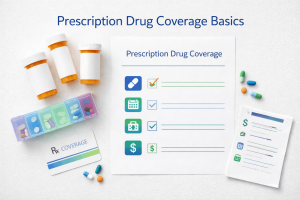
Prescription drug coverage and other costs to check closely

Even when two Medicare options look similar at first glance, the details around prescription drug coverage and everyday expenses can differ quite a bit. This is where it pays to slow down.

Start with the medications you take regularly and confirm that each drug is covered, what tier it falls into, and whether there are restrictions such as prior authorization, quantity limits, or step therapy. Those rules can affect both convenience and what you pay at the pharmacy.

Then look beyond the drug list. Compare monthly plan premiums alongside deductibles, copays, coinsurance, and the annual out-of-pocket maximum if the plan has one. A lower premium does not always mean lower total plan costs over the year.

In many cases, the best value comes from balancing monthly costs with the benefits you expect to use most, including doctor visits, specialist care, and prescriptions. A careful side-by-side review now can help you avoid expensive surprises later.

Prescription drug coverage and other costs to check closely

Local availability, star ratings, and common mistakes to avoid

Before comparing benefits, confirm that a plan is actually offered in your area and accepted by the doctors and hospitals you use. A plan’s CMS star ratings, provider network, and details on the official Medicare site or .gov materials can reveal more than a glossy insurance brochure or a sales pitch from a plan member.

Enrollment period basics before you choose or switch

Timing matters as much as price. The right enrollment period determines whether you can join, leave, or change a Medicare plan without penalties or coverage gaps. For most people, the first key window is the Initial Enrollment Period around age 65. After that, the Annual Enrollment Period each fall is when many beneficiaries compare options for the year ahead.

There are also Special Enrollment Periods for certain life changes, such as moving, losing other coverage, or qualifying for Extra Help. If you think you may be eligible, confirm the dates and rules before submitting anything. One common mistake is assuming you can switch at any time, only to learn that your preferred plan won’t take effect when you need it.

Questions About Medicare Advantage Basics

For many shoppers, Medicare Advantage is the part of Medicare that feels least straightforward. These plans are offered by private insurers, but they’re still a Medicare option, which is why the details can blur together quickly. In simple terms, Medicare Advantage plans bundle your Part A and Part B coverage into one plan, and many also include prescription drug coverage and extra benefits not found in Original Medicare.

That convenience is what draws people in, but it also means comparing more moving parts. Costs, doctor networks, referrals, prior authorization rules, and out-of-pocket limits can vary widely from one plan to the next. Some advantage plans work well for people who want a coordinated, all-in-one health insurance setup.

Others may prefer the broader provider access that comes with Original Medicare plus a supplement. The key is to understand how the structure works before you focus on premiums or perks alone.

Compare plans and enroll online

Frequently asked questions

What is a Medicare Advantage plan?

A Medicare Advantage plan, also called Part C, is a private health plan approved by Medicare that provides your Part A and Part B benefits. Many plans also include prescription drug coverage plus extras like dental, vision, hearing, or fitness benefits.

How is Medicare Advantage different from Original Medicare?

Original Medicare usually offers broader provider access nationwide if a doctor accepts Medicare. Medicare Advantage often combines hospital, medical, and sometimes drug coverage in one plan, but it may use provider networks, referrals, and prior authorization rules.

Is Medicare Advantage the same as Medicare Part C?

Yes. Medicare Advantage and Medicare Part C mean the same thing. It is not separate from Medicare, but another way to receive your Medicare-covered services through a private insurer.

What is the difference between an HMO and a PPO Medicare Advantage plan?

An HMO usually requires you to use a set network and may require referrals for specialists, which can help keep costs lower. A PPO generally offers more flexibility to see doctors in or out of network, but costs are often higher.

Do Medicare Advantage plans include prescription drug coverage?

Many do, but not all. Check the plan’s drug list, medication tiers, and rules such as prior authorization, quantity limits, or step therapy to make sure your prescriptions are covered in a way that fits your needs.

How do I compare Medicare Advantage plans?

Start by checking local availability and whether your doctors, hospitals, and pharmacies are in network. Then compare premiums, deductibles, copays, coinsurance, out-of-pocket maximums, drug coverage, extra benefits, and plan rules for referrals and travel.

Can I switch Medicare Advantage plans at any time?

Usually no. You generally need to make changes during a valid enrollment period, such as your Initial Enrollment Period, the Annual Enrollment Period, or a Special Enrollment Period triggered by certain life events like moving or losing other coverage.

What should I check before enrolling in a Medicare Advantage plan?

Look beyond the monthly premium. Confirm provider access, prescription coverage, total yearly costs, extra benefits, CMS star ratings, and any plan rules that could affect how and where you get care.

Have Questions?

Speak with a licensed insurance agent

1-833-641-4938

TTY users 711

Mon-Fri: 8am-9pm ET

Find & Compare Plans Online

Speak with a licensed insurance agent

1-833-641-4938TTY 711

Mon-Fri: 8am-9pm ET

ZRN Health & Financial Services, LLC, a Texas limited liability company

( Medicare Expert )

Russell Noga is the CEO of ZRN Health & Financial Services, and head content editor of several Medicare insurance online publications. He has over 15 years of experience as a licensed Medicare insurance broker helping Medicare beneficiaries learn about Medicare, Medicare Advantage Plans, Medigap insurance, and Medicare Part D prescription drug plans.