Do Doctors Accept All Medicare Advantage Plans?

Understanding if your doctor accepts your Medicare Advantage plan is crucial when choosing the right coverage. Different plans may have varying networks, and not all healthcare providers participate in every plan.

This guide explores how to determine whether your doctors are in-network, the differences between Medicare Advantage plans, and what to consider when you need specialists or specific hospitals. Our goal is to provide simple, unbiased information to help you navigate these options confidently, ensuring you’re informed about how physician acceptance can impact your healthcare choices.


Brief Overview

Understanding whether your doctor accepts your Medicare Advantage plan is crucial, as different plans have varying networks and not all providers participate in every plan. Medicare Advantage, or Part C, offers benefits beyond Original Medicare but often requires in-network providers to manage costs effectively.

HMO plans typically have restricted networks with required referrals, while PPOs offer more flexibility but may have higher costs for out-of-network services. Utilize resources like plan directories and the Medicare Plan Finder to confirm if your doctors are in-network.

This knowledge ensures that your healthcare needs are met affordably and continuously.


Key Takeaways


  • Medicare Advantage plans, offered by private companies, cover benefits beyond Original Medicare, like dental and vision.


  • Networks in Medicare Advantage plans determine which doctors can provide services at standardized rates and terms.


  • HMO plans require in-network doctor use, while PPO plans offer out-of-network flexibility at higher costs.


  • Check plan directories and use the Medicare Plan Finder to verify if doctors are in-network for certain plans.


  • Confirming doctor acceptance of Medicare Advantage plans helps prevent unexpected costs and maintains care continuity.

Compare Plans in One Step!

Enter Zip Code


 Advertisement

Understanding Medicare Advantage Plans and Doctor Acceptance

Do Doctors Accept All Medicare Advantage Plans


Medicare Advantage plans, often called Medicare Part C, offer an alternative route to obtain Medicare benefits through private insurance companies. Many seniors and their caregivers explore these plans for their unique benefits, such as additional services not covered by Original Medicare.

Understanding how doctors accept these plans is crucial, as not all providers participate in or accept the same Medicare Advantage networks. As you navigate these choices, it’s vital to recognize the importance of in-network and participating providers to ensure seamless care and coverage.

Let’s explore how Medicare Advantage plans work and how physicians engage with them.


What Are Medicare Advantage Plans?

Medicare Advantage plans, or Part C, are insurance offerings from private companies that contract with Medicare. They provide all benefits under Original Medicare Part A and Part B and often include additional services like dental, vision, and hearing.

These plans may come in different types, such as Health Maintenance Organization (HMO), Preferred Provider Organization (PPO), and Private Fee-for-Service (PFFS) plans, each with unique features and networks. For seniors considering Medicare Advantage, it’s important to understand that these plans often require choosing care providers within specific networks.

HMO plans typically have a more restricted network with required referrals for specialist care, while PPOs offer greater flexibility in selecting out-of-network providers, albeit at a higher cost. Doctor networks play a critical role in the convenience and cost-effectiveness of Advantage plans.

Participating providers agree to accept assignment, meaning they consent to the rates set by the insurance company. In doing so, they become part of the insurer’s network, offering services at agreed-upon rates, which can significantly affect your healthcare costs and choices.

If a doctor is out of the network, seniors might face higher out-of-pocket costs, even if they accept Medicare. Knowing if your current care provider is in-network can help you avoid unexpected expenses.

One key advantage of these plans is that they can offer coverage beyond Original Medicare. However, this comes with its own set of considerations, primarily understanding which doctors accept the plan.

Advantage networks may vary in size and scope, impacting the availability of local healthcare providers. Therefore, ensuring your preferred doctors are available within a plan’s network is of paramount importance.

Always check the latest network directories or contact the doctor’s office to confirm their participation before making any decisions about plan enrollment.


How Doctors Accept Medicare Advantage Plans

When contemplating Medicare Advantage plans, it’s essential to understand how doctors interact with these network-based services. Acceptance largely depends on whether a provider is within the plan’s network.

Many doctors opt to participate as in-network providers, which means they agree to accept the Medicare Advantage plan’s rates and terms. This agreement ensures that patients receive covered services at the designated network prices, minimizing out-of-pocket costs.

However, not all doctors choose to become participating providers for every plan, which can limit your choices depending on your local options. Medicare Advantage plans often come with specific networks comprised of doctors, hospitals, and other healthcare facilities that have agreed to provide services at set rates.

These networks can vary widely between plans and insurers, affecting where you can access care. In-network doctors are often incentivized to participate due to guaranteed patient flow and standardized rates, but sometimes, they may not accept all Medicare Advantage plans due to varying agreements between insurers and providers.

Understanding your preferred doctors’ network status is critical before selecting a plan. Doctors who accept Medicare Advantage must be understood in terms of their decision to accept assignment.

Accepting assignment means the provider has agreed to the terms and reimbursement rates set forth by an Advantage plan. This can affect how services are billed and what portion of costs you might need to cover.

While Original Medicare is universally accepted among Medicare providers, Medicare Advantage plans require a bit more research to verify that your current or desired providers are in-network. Ultimately, the relationship between doctors and Medicare Advantage plans revolves around agreements that ensure patients pay less for services.

Always verify with your healthcare provider or the insurer to make sure that your desired doctors practice within the plan’s network before committing to any Medicare Advantage plan. Doing so not only simplifies your healthcare experience but also protects you from unexpected costs.


The Role of Doctor Networks in Medicare Advantage

 

The Role of Doctor Networks in Medicare Advantage


Doctor networks are the backbone of Medicare Advantage plans, significantly influencing your healthcare choices and expenses. Understanding these networks can help ensure that you get the best coverage and care available.

When you choose a Medicare Advantage plan, it’s essential to check which doctors participate in the plan’s network. In-network providers, often referred to as participating providers, agree to the plan’s terms and negotiated rates, which can lower your healthcare costs.

This section delves into how doctor networks impact your choices and how to find doctors who accept Medicare in your area.


How Doctor Networks Impact Your Choices

When it comes to Medicare Advantage plans, the networks play a pivotal role in shaping your healthcare experience. Doctor networks define the group of providers you can visit while minimizing out-of-pocket expenses.

These networks are an agreement between insurance companies and healthcare providers who opt to offer services at predetermined rates. Participating providers within these networks agree to accept assignment, meaning they accept the terms and reimbursements set by the insurance company, which helps stabilize the costs of care for you.

The impact of choosing Medicare Advantage plans largely lies in the network you select. For instance, Health Maintenance Organization (HMO) plans usually require that you use doctors who are in-network, focusing on a specific list of practitioners who agree to a structured payment model.

If you need to see a specialist or receive certain healthcare services, you’ll usually need a referral from your primary care physician within the network, ensuring care is well-coordinated but possibly restrictive in terms of doctor flexibility.

On the other hand, Preferred Provider Organization (PPO) plans offer a wider selection of doctors and provide some flexibility with out-of-network providers, though this choice comes at an increased cost. Here, seniors have more freedom to seek care from broader sources, but utilizing in-network providers is still financially advantageous.

Understanding which doctors accept your Medicare Advantage plan can spare you from unwelcome surprises on your medical bills. It also ensures you maintain continuity of care with the doctors you’ve come to trust.

Always verify a provider’s network status to maximize the value received from your Medicare Advantage plan.


Additionally, when contemplating the choice of a Medicare Advantage plan, it’s essential to delve further into several important factors that can influence your decision:

  • Evaluate the availability of in-network specialists and ensure the plan covers healthcare providers that meet your specific medical needs.
  • Consider the geographical coverage area of the plan to confirm it aligns with your location and traveling habits.
  • Review the out-of-pocket expenses associated with various services, including co-pays and deductibles, to understand potential costs clearly.
  • Check if the plan offers any additional benefits such as dental, vision, or hearing, which can enhance overall healthcare coverage.
  • Understand the procedures for seeking referrals and preauthorizations, as these can vary significantly between different plans.
  • Investigate the plan’s ratings and customer reviews to gain insights into member satisfaction and plan performance.
  • Examine any potential network changes or updates that might affect access to preferred healthcare providers in the future.
  • Look into telehealth options provided by the plan, which can be particularly beneficial for managing your health remotely.


By thoroughly evaluating these considerations, you can make a more informed decision regarding which Medicare Advantage plan may best suit your healthcare needs and preferences.


Finding Doctors Accepting Medicare in Your Area

Locating doctors who accept Medicare in your area can be straightforward if you know where to look and what to ask. Doctor acceptance varies depending largely on the networks they’ve chosen to join.

To find doctors accepting Medicare Advantage in your area, start with the plan’s directory of participating providers. These directories give a detailed list of in-network doctors, hospitals, and other healthcare facilities covered under the plan.

Another excellent resource is the Medicare Plan Finder on this website, allowing you to compare plans and their network sizes easily. This tool gives you insights into which physicians accept Medicare, helping to secure the best care while avoiding higher out-of-pocket expenses.

Don’t underestimate the importance of directly contacting doctors’ offices. A simple call to verify if the doctor is part of your plan’s network can save you time and future costs.

Additionally, this step ensures that you retain the flexibility to make informed decisions about your healthcare.

If you’re currently under Original Medicare and considering a switch to a Medicare Advantage plan, check how the change impacts your choice of care providers. Medicare Advantage networks tend to be more localized, affecting both the availability of certain medical services and the ease of accessing specialty care.

For example, those under Private Fee-for-Service (PFFS) plans might experience more variability in acceptance, as some providers may need to agree to the terms for each visit.

Ensuring that your doctors accept your chosen Medicare Advantage plan is critical. It assures that your healthcare experience remains seamless and cost-effective.

With proactive research and regular checks, you can continue seeing the doctors you trust while enjoying the unique benefits offered by Medicare Advantage plans. Always keep an open line of communication with your healthcare provider and stay updated on any changes to their network participation that might affect your coverage.


Compare plans and enroll online


 Advertisement

Speak with a licensed insurance agent

1-833-641-4938
TTY 711

Mon-Fri : 8am-9pm ET

compare medicare advantage plans

Comparing HMO and PPO Medicare Advantage Options

When navigating the world of Medicare Advantage, understanding the differences between HMO and PPO plans can be immensely beneficial. These two types of Medicare Advantage plans each offer distinct networks, participating providers, and coverage rules.

While HMO plans typically feature more restricted networks of in-network doctors, requiring referrals for specialist services, PPO plans provide greater flexibility in choosing providers, albeit often at higher costs. Appreciating these nuances can help seniors make informed decisions about their health insurance options and ensure their care needs are met efficiently and cost-effectively.

Key Differences Between HMO and PPO Plans


Key Differences Between HMO and PPO Plans


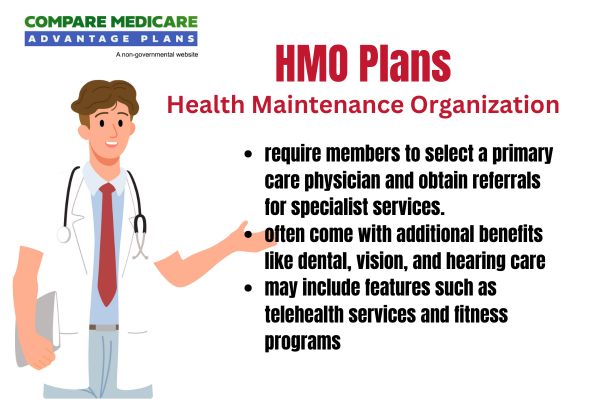
Health Maintenance Organization (HMO) and Preferred Provider Organization (PPO) plans are two main types of Medicare Advantage plans known for their differing structures and levels of provider flexibility. HMO plans require members to use in-network doctors and facilities, focusing on coordinating care to manage coverage effectively.

This often means choosing a primary care provider who guides access to necessary services within the network and obtaining referrals for any specialist care. This tightly managed network can potentially reduce costs, but it also limits provider options compared to Original Medicare or PPO plans.

For individuals who prefer a more flexible approach, PPO plans might be a preferable option. While PPO plans still benefit from using a network of providers, they allow beneficiaries to seek care outside of these networks if necessary, although at increased out-of-pocket expenses.

This choice offers more freedoms without mandating referrals for specialists, even though the cost savings from using in-network providers still apply. Seniors valuing this flexibility might find that PPOs align better with their preferences, despite the necessity to cover higher rates when opting out of the network.

The decision between HMO and PPO plans primarily hinges on balancing flexibility with cost. Those who have established healthcare relationships may prefer a PPO for wider access, while others might prioritize cost savings provided by HMO plans.

Each type of plan comes with its own set of benefits concerning services, networks, and healthcare provider choices, influencing Medicare Advantage networks’ coverage strategies significantly.

Ultimately, understanding these differences helps seniors evaluate how well each plan aligns with their medical and financial needs, ensuring they can receive quality care and maintain confidence in their coverage.


Ensuring Your Coverage Meets Your Care Needs

Ensuring that your Medicare Advantage coverage aligns with your healthcare needs is crucial for maintaining your health and peace of mind. As you navigate different plans, one of the most important considerations is whether your preferred doctors accept the plan you’re interested in.

Doctor acceptance can significantly impact your access to services and your healthcare costs. Understanding how to confirm whether your doctor is in-network with your chosen plan ensures you won’t face unexpected expenses or disruptions in care.

Next, we’ll discuss practical steps to verify doctor acceptance of Medicare Advantage plans.


Steps to Confirm Doctor Acceptance of Medicare Advantage

Confirming whether your doctor accepts a specific Medicare Advantage plan involves a few straightforward steps, each vital in maintaining your access to needed care. First and foremost, consult the plan’s directory of participating providers.

This directory provides a comprehensive list of in-network doctors and healthcare facilities. It’s essential to cross-reference this list with your preferred healthcare providers to confirm that they agree to accept the plan’s terms and are participating providers.

If they’re listed as a part of your plan’s network, it means the doctor accepts assignment, adhering to the terms and negotiated rates of the plan.

Beyond directories, another valuable tool in your research arsenal is the Medicare Plan Finder on Medicare.gov. This tool allows you to search for Medicare Advantage plans by ZIP code, making it easy to compare networks and doctors who are part of these networks.

By entering your current physicians into the Plan Finder, you can ascertain whether they participate in any of the plans available in your area. This ensures a seamless transition to a Medicare Advantage plan without losing access to trusted caregivers.

Additionally, don’t underestimate the power of a direct call to your doctor’s office. Speaking with the provider’s administrative staff can often yield the most up-to-date and personalized information regarding their participation in various Medicare Advantage networks.

Ask explicitly if they are in-network for the plan you’re considering. Ensuring doctors are part of the network before switching plans helps secure continuous healthcare without surprise costs.

Confirming doctor acceptance not only helps you avoid higher out-of-pocket expenses but also keeps your care within a trusted network of providers.

In summary, while navigating Medicare Advantage plans, take the time to verify your doctors’ participation in the plan networks you’re considering. This effort ensures your healthcare needs are met affordably and efficiently, providing peace of mind that you’ll have access to care when you need it.

Such preparation is critical in maximizing the benefits that Medicare Advantage plans can offer, allowing you to make informed decisions about your health coverage. As you delve into the particulars of each plan, remember that confirming doctor acceptance is a pivotal component of ensuring your plan truly meets your care needs.


Helpful Tips for Navigating Medicare Options


Helpful Tips for Navigating Medicare Options


As you begin navigating your Medicare options, it’s essential to arm yourself with useful information to make informed decisions about your health coverage. Medicare Advantage plans, also known as Medicare Part C, require special attention when considering doctor acceptance and network participation.

These plans are offered through private insurance companies that have specific networks of in-network doctors and participating providers. Understanding these networks is key to ensuring that your preferred healthcare professionals accept Medicare under the advantage plans you consider.

An important first step is finding out which doctors and services are covered within a plan’s network. Networks can include a wide range of providers, from primary care physicians to specialists, but not all may be in your area.

To identify in-network doctors, consult the insurance plan’s directory for a list of participating providers. This helps you avoid unexpected out-of-network costs.

Calling your current healthcare provider directly can further confirm whether they accept Medicare Advantage’s terms, which helps prevent disruption to your ongoing care.

Moreover, if flexibility is a priority, consider how each plan’s structure accommodates your needs. Health Maintenance Organization (HMO) plans generally require using in-network providers to manage care efficiently; meanwhile, Preferred Provider Organization (PPO) plans offer greater freedom to access out-of-network services, albeit at a higher cost.

It’s crucial to weigh these differences against your preferences for accessing healthcare and the potential impacts on your out-of-pocket expenses.

It’s also beneficial to utilize tools such as the Medicare Plan Finder, which provides comparisons and helps you determine which plans include your current healthcare providers as in-network providers. While exploring, remember that understanding how networks influence doctor acceptance can save both money and hassle in the long run.

Ultimately, taking the time to thoroughly understand Medicare Advantage networks, provider flexibility, and coverage will empower you to choose the most suitable plan for your health needs. Educated decisions lead to better management of your health, so keep informed and never hesitate to reach out to healthcare professionals who can clarify your options.

For further help, entering your ZIP code on our site will allow you to compare Medicare Advantage options for 2026, helping you feel confident in your choice.

Understanding whether your doctor accepts a specific Medicare Advantage plan involves careful exploration of plan networks and provider lists. Taking time to ask questions and review options can enhance your knowledge of how these plans work.

MedicarePlansResource.org offers tools to help you compare Medicare Advantage plans available in your area for 2026. Consider entering your ZIP code on our site or call us for guidance when the phone line opens.

This approach supports well-informed decisions about your healthcare options. Remember, it’s all about finding the right match for your healthcare needs.

Frequently Asked Questions


How can I determine if my doctor accepts my Medicare Advantage plan?

To find out if your doctor accepts your Medicare Advantage plan, you can:

  1. Check the plan’s directory for a list of in-network providers.
  2. Use the Medicare Plan Finder tool on Medicare.gov.
  3. Call your doctor’s office directly to verify their network participation.


What are the differences between HMO and PPO Medicare Advantage plans?

HMO plans typically require members to use in-network providers and obtain referrals for specialist care, focusing on managing costs through a structured network. PPO plans offer more flexibility, allowing out-of-network visits at a higher cost but without needing referrals.


Why is it important to confirm network status before enrolling in a Medicare Advantage plan?

Confirming a doctor’s network status is crucial to avoid unexpected out-of-pocket expenses. Providers participating in a plan’s network have agreed to set rates, which helps manage costs and ensure continuity of care.


How do doctor networks impact Medicare Advantage plan costs and coverage?

Doctor networks impact costs and coverage by defining which providers agree to the plan’s terms and rates. In-network providers offer services at predetermined costs, typically resulting in lower out-of-pocket expenses for beneficiaries.


What tools can help check if providers are in-network for Medicare Advantage plans?

Helpful tools include the plan’s provider directory and the Medicare Plan Finder on Medicare.gov, both of which assist in verifying provider participation and plan networks by location.

call today for help

 ZRN Health & Financial Services, LLC, a Texas limited liability company

Find & Compare Plans Online 


 Advertisement

Speak with a licensed insurance agent

 1-833-641-4938
TTY 711

Mon-Fri : 8am-9pm EST

( Medicare Expert )

Russell Noga is the CEO of ZRN Health & Financial Services, and head content editor of several Medicare insurance online publications. He has over 15 years of experience as a licensed Medicare insurance broker helping Medicare beneficiaries learn about Medicare, Medicare Advantage Plans, Medigap insurance, and Medicare Part D prescription drug plans.