How Medicare Supplement Complements Medicare Coverage
Medicare Supplement Insurance, often referred to as Medigap, bridges the coverage gaps present in Original Medicare. By design, Medigap policies provide financial relief to those who foresee heavy reliance on medical services, as these plans cover certain costs not taken care of by Medicare Part A or Part B.
For instance, Medigap can cover expenses like copays, which occur when a patient pays a fixed amount during each medical visit, and percent-based coinsurance, which can accumulate with frequent health needs. Additionally, these policies manage deductibles for both hospital and outpatient care, simplifying the budgeting for financial responsibilities.
Medigap plans are standardized and identified by letters A through N, each offering different levels of coverage, but all adhering to Medicare’s regulations for uniformity across insurers.
This standardization makes it easier for seniors to compare options, knowing that a Medigap Plan G in one company offers the same basic benefits as a Plan G from another company, allowing individuals to focus more on the price and customer service aspects.
Regulated at the state level, Medigap’s pricing can vary widely, so prospective buyers must carefully assess multiple offers to find one that aligns with their financial expectations. Another key advantage of Medigap is its nationwide applicability, as it is accepted by any healthcare provider who accepts Medicare.
These plans ensure beneficiaries have access to preferred doctors and specialists without network restrictions, providing peace of mind to seniors who travel frequently or split their time living in different states.
It’s important to note that Medigap policies do not include coverage options for prescription drugs, a gap that can be complemented with a separate Medicare Part D plan. This modular approach appeals to those who seek specialized coverage, tailoring health insurance to fit individual needs while anticipating potential changes in health status.
Choosing Medigap works well for those who value predictability in medical expenses. These policies offer a straightforward pay structure, typically, you pay your Medigap premium, and most out-of-pocket costs are minimized.
Navigating through numerous options, it’s essential for seniors and caregivers to consider how varying premiums and coverage differences might balance against expected healthcare usage.
Resources like CompareMedicareAdvantagePlans.org provide unbiased guidance that can illuminate these complex decisions, allowing seniors to confidently select a plan that offers abundant health benefits, financial protection, and peace of mind throughout their healthcare journey.
Choosing Between Medicare Supplement and Medicare Advantage

As seniors weigh their options between Medicare Supplement Insurance and Medicare Advantage, understanding each approach’s strengths is integral. Medicare Supplement plans, or Medigap, embody simplicity and predictability by helping with expenses not fully covered by Original Medicare, including deductibles, coinsurance, and copays.
This financial safety net ensures that unexpected healthcare costs don’t disrupt fixed retirement budgets, especially for beneficiaries needing frequent medical services. Conversely, Medicare Advantage plans come with unique bundled benefits, potentially including vision, dental, and even gym memberships, extras not offered by Original Medicare or Medigap.
Choosing Medicare Advantage may appeal to individuals who prefer an all-in-one plan that streamlines healthcare service coordination under a single insurer. Given that these plans are offered by private companies approved by Medicare, they may introduce varying costs compared to Medigap’s defined model.
While Medicare Advantage might feature network restrictions, requiring members to use specific healthcare providers or hospitals, it also often includes prescription coverage, removing the need for separate Part D enrollment.
When deciding between Medigap and Medicare Advantage, consider personal lifestyle and health needs. Medigap is advantageous for those valuing extensive provider access and who might frequently travel or live in multiple regions across the year.
Medicare Advantage, on the other hand, suits those who seek additional coverage services bundled in one package, especially if access to regional medical networks suffices. Importantly, Advantage plans often include an annual out-of-pocket spending limit, a feature absent in Original Medicare, which can protect against significant health expenses over the year.
The decision can hinge on individual comfort with plan specifics. Medigap requires separate policies for drug coverage, while Medicare Advantage can simplify this via integrated Part D benefits.
Given that each option presents ongoing premium responsibilities, analyzing potential benefits against cost, with an eye toward personal health predictions, can guide choices effectively. Every year, enrollees should reassess their needs during the open enrollment period to ensure their plan remains supportive through health changes or life events.
For comprehensive understanding, engaging with tools like CompareMedicareAdvantagePlans.org can clarify these facets, offering unbiased comparisons and useful insights.
By enhancing knowledge and comparing features side by side, seniors can embark on this significant decision with confidence, ensuring that their choice aligns economically and health-wise, meeting future healthcare demands without financial strain.
Comparing Coverage: Medicare Advantage vs. Traditional Medicare
Comparing Medicare Advantage and Traditional Medicare plans is crucial for seniors seeking the right healthcare solution. These options offer unique structures, benefits, costs, and limitations. Understanding these differences can lead to better decision-making regarding coverage needs.
While Traditional Medicare offers federal management with straightforward coverage for hospital and medical services, Medicare Advantage provides private insurance plans bundling additional benefits. This comparison helps senior adults and caregivers determine which type of coverage is the best fit for their current and future healthcare needs.
Coverage Differences Explained
When considering Medicare Advantage and Traditional Medicare, it’s essential to delve into their fundamental coverage differences. Traditional Medicare, managed by the government, consists of Part A, which covers hospital services, and Part B, which covers outpatient healthcare services.
It provides a familiar structure with the simplicity of widespread acceptance by healthcare providers, yet it lacks coverage for certain areas such as dental, vision, and hearing, often leaving beneficiaries to seek supplementary coverage or Medigap policies for comprehensive protection.
The structure of original Medicare, being a fee-for-service model, allows flexibility in provider choice, meaning you can see any doctor that accepts Medicare. However, keep in mind Part B often requires a 20% coinsurance post-deductible payments, which could leave beneficiaries with significant out-of-pocket costs without added coverage.
Medicare Advantage plans offer a distinct approach, they’re offered by private insurers and approved by Medicare, combining services that include Part A and B coverage with additional benefits, like vision and dental services.
Some plans even incorporate Part D, saving beneficiaries from the need to enroll in separate prescription drug plans. Another significant difference with Medicare Advantage plans lies in their network restrictions.
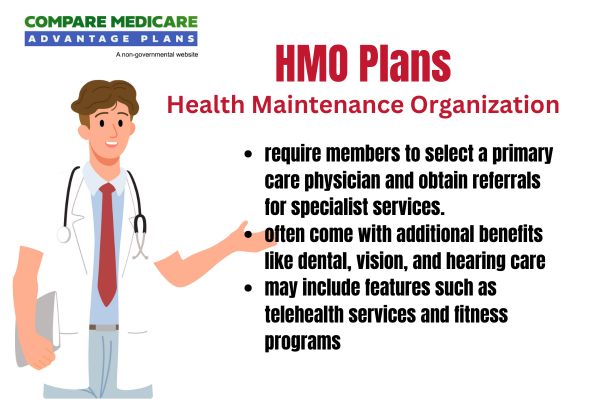
Many plans operate within Health Maintenance Organization (HMO) or Preferred Provider Organization (PPO) structures, which may necessitate choosing a primary care doctor within a specified network for services covered at lower costs while offering no or limited out-of-network services.
These structural differences are critical for senior adults to consider since they might prefer the hassle-free nationwide provider access offered by Traditional Medicare.
Cost structures further differentiate these two options.
While Traditional Medicare involves separate premiums for Part B and potentially higher out-of-pocket costs due to lack of an overall spending cap, many Medicare Advantage plans implement an annual out-of-pocket limit that can safeguard against unexpected expenses, a fundamental consideration for budget-conscious seniors.
Additionally, Medicare Advantage may offer lower or zero premiums due to the bundling of services, and they often include annual wellness visits and an array of preventive services at no extra cost.
Importantly, the intricacies and potential changes in Medicare Advantage plans on an annual basis make it essential for beneficiaries to review the specifics of their plan yearly to ensure ongoing coverage fits with their evolving health needs.
Understanding these coverage nuances will empower educated decisions, balancing cost, flexibility, and comprehensive health services.
Finding the Right Fit for Your Health Needs

Choosing between Medicare Advantage and Traditional Medicare is a personalized decision, heavily reliant on individual health needs and lifestyle preferences. Evaluating these options requires a thorough understanding of what each plan can provide and how it aligns with the personal health priorities of seniors.
Traditional Medicare, with its trademark flexibility, might appeal to individuals who travel frequently or have diverse healthcare needs requiring access to a wide range of providers. This can be particularly beneficial for those living in rural areas where a broad selection of institutions and specialists is necessary.
However, such flexibility comes with the necessity to manage additional policies for comprehensive coverage, such as supplemental insurance for prescription drug plans and gap coverage for out-of-pocket costs.
Conversely, Medicare Advantage plans might suit seniors looking for a more consolidated healthcare solution. The convenience of bundled services often including drug coverage, dental, vision care, and sometimes fitness programs or nutritional counseling, affords an appealing package for individuals interested in holistic health management.
That said, the network restrictions inherent in many Medicare Advantage plans necessitate careful provider choice, tailored to those content with localized care networks or those residing in regions offering broad in-network provider options.
A comprehensive evaluation of personal health conditions, frequency of medical service use, preferred providers, and projected health care expenditures will guide decisions tailored to meet unique health profiles and financial circumstances.
A critical step when thinking about healthcare coverage is planning for the future. The right fit today must also account for potential changes in health status.
Medicare Advantage plans, given their structure and coverage enhancements, may evolve annually, requiring routine evaluation to ensure ongoing alignment with personal and financial needs.
Resources like CompareMedicareAdvantagePlans.org provide valuable tools to facilitate this decision, offering unbiased, senior-friendly guidance to help navigate complex plan details, ensuring sound healthcare choices that offer peace of mind.
Take advantage of comparison tools and expert insights, which will be indispensable as you decipher coverage specifics, potential cost implications, and any changes in personal healthcare scenarios.
I hope this guide has helped you understand the key differences between Traditional Medicare and Medicare Advantage. Remember, choosing the right plan depends on your healthcare needs and preferences.
For even more clarity, consider entering your ZIP code on our website to explore local Medicare Advantage plans for 2026. When available, you’re also welcome to call our friendly team for tailored guidance.
Our goal is to provide the information you need to make informed choices with confidence and ease.