Speak with a licensed insurance agent

1-833-641-4938

TTY user 711 Mon-Fri : 8am-9pm EST

Can I Switch Medicare Advantage Plans? 2027

Choosing the right Medicare Advantage plan is an important decision for anyone aged 60 and over. But life changes, and so can your healthcare needs. If you’re looking to switch plans, it’s crucial to know when and how it can be done.

In this guide, we’ll walk you through the Annual Enrollment Period and other times you may be eligible to switch. Understanding these options will help you make informed decisions about maintaining or changing your plan, ensuring that you continue to receive the healthcare coverage that suits your individual needs today and in the future.

Brief Overview

Choosing the right Medicare Advantage Plan is vital for seniors over 60, as healthcare needs and personal situations evolve. Understanding key enrollment periods, such as the Annual Enrollment Period from October 15 to December 7, and Special Enrollment Periods triggered by life changes, is crucial for switching plans. Each plan offers unique coverage and benefits, including potential extras like vision and dental care, and varies by costs and provider networks.

By evaluating current needs and plan options, seniors can ensure their Medicare Advantage Plan aligns with their health and financial goals through 2027 and beyond.

Key Highlights

  • Medicare Advantage Plans offer added benefits compared to Original Medicare, including vision, hearing, and dental coverage.
  • The Annual Enrollment Period runs from October 15 to December 7, allowing plan changes without penalties.
  • Special Enrollment Periods occur due to life changes, offering flexibility outside the annual enrollment dates.
  • Key considerations for switching plans include changes in healthcare needs, financial situations, or geographic location.
  • To switch plans, evaluate current coverage, compare alternatives, and navigate enrollment processes carefully.

Compare plans and enroll online

Understanding Medicare Advantage Plans

Medicare Advantage Plans offer a convenient alternative to Original Medicare, combining hospital and medical coverage with the potential for additional benefits. These plans, often referred to as Medicare Part C, come from private insurance companies, such as United Medicare Advantage plans, approved by Medicare. While many find them appealing due to the potential for added benefits, understanding them fully is crucial.

We’ll explore what a Medicare Advantage Plan entails and how these plans differ from Original Medicare. This knowledge equips you to make informed decisions about your healthcare coverage, ensuring your needs are met as you plan for 2027 and beyond.

What is a Medicare Advantage Plan?

A Medicare Advantage Plan is essentially an all-in-one alternative to Original Medicare. These plans cover the same services as Original Medicare Part A (hospital insurance) and Part B (medical insurance) but are offered by private insurance companies that Medicare approves.

The key advantage of enrolling in a Medicare Advantage Plan is the possibility of accessing additional benefits that Original Medicare does not cover, such as vision, hearing, and dental care. Some plans also include prescription drug coverage, which can be a significant factor for those needing regular medication.

When you join a Medicare Advantage Plan, you become a member of that plan and benefit from the convenience of having multiple types of coverage under a single insurance plan. Each Medicare Advantage Plan can have different rules for how you receive your benefits.

These rules can influence your choice of healthcare providers or require referrals for specialist services. Therefore, it’s essential to thoroughly assess the network restrictions and other rules before deciding.

For those considering switching to a Medicare Advantage Plan, understanding that these plans may have varied out-of-pocket costs and their premiums might differ from Original Medicare is crucial. While you typically have to pay the Part B premium, some Medicare Advantage Plans may offer lower premiums or additional benefits that can compensate for this cost.

Ultimately, choosing a Medicare Advantage Plan involves weighing the benefits of convenience and additional services against potential costs, ensuring it aligns with your lifestyle and healthcare needs. This way, you’re more prepared as you consider your Medicare options for 2027 and beyond.

Enrollment Periods for Medicare Advantage

How Medicare Advantage Plans Differ from Original Medicare

Medicare Advantage Plans and Original Medicare fundamentally differ in structure and benefits. Original Medicare comprises Part A and Part B, covering hospital and medical services, respectively, but often lacks comprehensive coverage for additional benefits like dental, vision, or hearing services. When opting for Medicare Advantage, you can access broader coverage, including these extras, depending on the plan.

This added benefit makes Medicare Advantage attractive to many seniors who want to bundle their insurance under a single plan with potentially lower out-of-pocket expenses.

One significant difference is how costs are structured. Original Medicare typically involves paying a deductible and 20% of services after Medicare covers its share. Medicare Advantage Plans, however, set different cost structures, often with fixed copayments and no deductible, providing more predictable healthcare spending.

This predictability in expenses helps seniors manage their healthcare budgets better, offering peace of mind.

Moreover, Medicare Advantage Plans often require a network of doctors and hospitals you must use to get the maximum coverage. This network system contrasts with Original Medicare, which allows visiting any doctor or hospital that accepts Medicare. While this flexibility is beneficial, sometimes the trade-off with Medicare Advantage Plans is worthwhile due to added benefits and coordinated care that these plans provide.

Understanding these distinctions is vital when considering switching Medicare Advantage Plans. Each individual’s healthcare needs are unique, and comprehending how these plans work compared to Original Medicare ensures that the choice made aligns well with personal health goals. As you consider your options for 2027, having a clear view of these differences aids in making informed decisions, ensuring you receive the right balance of coverage and convenience.

When comparing Medicare Advantage Plans and Original Medicare, several key differences emerge that can influence coverage choices.

  • Medicare Advantage often includes additional benefits not found in Original Medicare, like vision and dental coverage.
  • Original Medicare allows beneficiaries to see any doctor that accepts Medicare, while Advantage Plans typically have network restrictions.
  • Medicare Advantage Plans often incorporate prescription drug coverage, unlike Original Medicare, which requires a separate Part D plan.
  • Monthly premiums for Medicare Advantage can vary, whereas Original Medicare has standard premium rates.
  • Out-of-pocket cost structures differ, with Advantage Plans sometimes having limits, unlike the potentially higher costs in Original Medicare.
  • Some Advantage Plans offer wellness programs and health management tools, enhancing preventative care options.

Ultimately, understanding these differences helps individuals make informed decisions aligning with their healthcare needs and preferences.

Enrollment Periods for Medicare Advantage

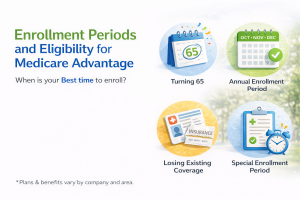
Understanding when you can switch Medicare Advantage Plans involves grasping the key enrollment periods offered. These include the Annual Enrollment Period, which impacts many beneficiaries, and Special Enrollment Periods that come into play due to specific life changes. Knowing the differences and requirements for each can help you make timely and informed decisions about your healthcare coverage.

These enrollment periods govern eligibility, help avoid penalties, and define when you can change or switch plans, ensuring your Medicare coverage aligns with your evolving needs.

What is the Medicare Annual Enrollment Period?

The Medicare Annual Enrollment Period is a critical time for anyone considering changing their Medicare Advantage Plan. Occurring each year from October 15 to December 7, this period allows you to switch from Original Medicare to a Medicare Advantage Plan or change from one Advantage Plan to another. It’s also the time to switch back to Original Medicare if the current plan no longer meets your needs.

During the annual enrollment, you can evaluate your current plan’s coverage, compare plan benefits, and address any coverage changes that have occurred in your healthcare needs over the past year.

One of the primary motivations for switching plans during this period is the changes in plan benefits. Insurance companies sometimes adjust their Medicare Advantage Plans’ coverage, costs, or provider networks. Keeping abreast of these changes during open enrollment is essential for ensuring your plan remains the best fit for you.

Another aspect to consider is the potential penalty if you delay making necessary adjustments within the designated enrollment period. Acting during this time can prevent interruptions in coverage and avoid unnecessary penalties for late enrollment.

Making the most of the annual enrollment period means preparing by comparing different advantage plans, understanding their advantages, and considering how they meet your unique healthcare needs. It’s vital to not only look at premiums but also plan benefits, out-of-pocket expenses, and the range of services covered. Moreover, during this period, you can assess any changes to prescription drug coverage, which can be significant if you’re managing ongoing medications.

The flexibility offered during this period makes it a strategic time to ensure your Medicare Advantage Plan provides the best coverage for your health and financial peace of mind.

Special Enrollment Periods Explained

In addition to the yearly open enrollment period, Special Enrollment Periods (SEPs) offer flexibility for those experiencing significant life events. These periods allow you to switch or enroll in a Medicare Advantage Plan outside of the standard times. SEPs can be life changes such as moving to a different service area, losing your current plan coverage, or being affected by a natural disaster.

Unlike the fixed annual enrollment, special enrollment offers provisions to ensure continuity in coverage without the penalty that might otherwise occur from a disrupted plan.

Special Enrollment Periods are especially beneficial because they recognize that life doesn’t always align neatly with the annual enrollment timelines. For instance, moving out of your Advantage Plan’s service area might necessitate joining a new plan that better suits your new location. SEPs can also be triggered if your status changes, for example, if you’re eligible for both Medicare and Medicaid, adjustments or changes to your Medicare Advantage Plan could be necessary as your coverage needs evolve.

These periods highlight the importance of understanding eligibility and the conditions that could warrant an SEP. Acting during a special enrollment is crucial to benefiting from seamless healthcare transitions, avoiding lapses in coverage, and ensuring your plan is tailored to meet new health care realities. By closely monitoring any changes in your life or health status, you can determine your eligibility for an SEP and take steps to switch or adjust your Medicare Advantage Plan as needed.

Ultimately, SEPs provide the flexibility needed to maintain comprehensive and uninterrupted healthcare coverage, reflecting how Medicare Advantage Plans can adapt to life’s changes and your medical needs.

Find & Compare Plans Online

Speak with a licensed insurance agent

1-844-919-4660TTY 711

Mon-Fri: 8am-9pm ET

When to Consider Switching Your Medicare Advantage Plan

Switching your Medicare Advantage Plan can be pivotal to ensuring your healthcare aligns with your evolving needs. As your health requirements or lifestyle change, your current plan may no longer fit as seamlessly as it once did. Consider evaluating whether your current coverage and benefits still meet your expectations.

By understanding key factors, such as evaluating your current plan and recognizing life changes that might necessitate a switch, you can make informed decisions. This knowledge will help you feel confident in finding a plan that effectively supports your healthcare goals.

When to Consider Switching Your Medicare Advantage Plan

Evaluating Your Current Plan Needs

Understanding whether to switch your Medicare Advantage Plan starts with a critical look at your current plan needs. Take time to assess the coverage provided against your healthcare requirements. Start by examining the benefits your plan currently offers.

While some plans might include additional benefits like dental or vision coverage, others may not, and these benefits can significantly impact your day-to-day health management. Assess whether these included services are still serving your needs appropriately. Often, our healthcare needs evolve over time, and what worked in the past may not be as effective today.

Also, consider your financial situation. Each Medicare Advantage Plan comes with its own cost structure. While some plans could be attractive due to low premiums, they might have higher out-of-pocket costs, affecting your overall healthcare expenses.

Examine any changes in your financial situation that might alter what you’re comfortable spending on healthcare. This includes looking at premiums, copayments, and any changes to service charges over time. If your plan’s costs have increased substantially, switching might offer better financial alignment.

Moreover, evaluate the network of healthcare providers included in your current plan. The convenience of using familiar doctors and hospitals can diminish if your plan’s network changes. Such modifications may require challenging adjustments, especially if you value consistent care from specific healthcare professionals.

Decide if it’s worthwhile to remain with a particular plan or switch to maintain access to preferred healthcare providers. Additionally, compare other plans that might offer better coverage or benefits at a more favorable cost, ensuring your needs are fully met.

Life Changes That May Prompt a Switch

Life changes can often trigger a reevaluation of your current Medicare Advantage Plan. Significant changes, such as moving to a new area, can necessitate a switch due to geographic coverage differences. Each plan has a specific service area, and relocating could mean your current plan no longer offers coverage in your new location.

This situation would require joining a plan that services your new area, ensuring uninterrupted access to essential healthcare services without unexpected costs or lack of coverage.

Another life change prompting a switch may be a change in healthcare needs, such as the development of a chronic condition requiring more specialized care. If your current plan lacks access to specialists or necessary treatments, it’s critical to explore other Medicare Advantage Plans that better accommodate these healthcare needs. Plans offering better access to required treatments or medications can substantially improve healthcare experiences, contributing to better health outcomes.

Additionally, coverage changes in your current plan, like altering prescription drug benefits or modifying network providers, might not align with your healthcare needs. If these changes mean restricted access to essential medications or providers, this could be a compelling reason to switch plans. Finally, changes such as marriage, divorce, or loss of eligibility for other healthcare coverage can also trigger eligibility for a new plan or different benefits, making a review and potential switch advantageous.

Keeping attuned to life’s changes and their potential impact helps ensure your Medicare Advantage Plan remains a valuable tool for meeting health goals.


Factor to Evaluate Considerations Potential Impact Action Steps
Cost Changes Review any premium or out-of-pocket adjustments Alteration in budget allocation and financial strain Compare with current plan and alternatives
Network Benefits Check participating doctors and hospitals Access to preferred healthcare providers Verify network alignment with personal healthcare needs
Prescription Coverage Assess changes in drug formulary and coverage Impact on medication affordability and availability List medications and compare coverage options
Plan Features Evaluate added benefits like vision or dental Enhanced or reduced additional services Identify required benefits and match with plan options
Annual Changes Review Annual Notice of Change from provider Overall plan alignment with evolving needs Stay informed to proactively adjust to changes

This table outlines the key considerations and impacts of evaluating and potentially switching your Medicare Advantage Plan, helping to guide informed healthcare decisions.

Steps to Switching Your Advantage Plan

Switching your Medicare Advantage Plan requires careful consideration and a clear understanding of the process to ensure your new plan aligns with your healthcare needs. From understanding the enrollment periods to evaluating your current plan, each step plays a vital role in making an informed decision.

You’ll want to know how to start the switch process efficiently and effectively to minimize any disruptions in your healthcare coverage and make sure you’re getting the benefits you need at a price that fits your budget. Here’s how you can begin the plan switch process with confidence.

How to Start the Plan Switch Process

Embarking on the journey to switch your Medicare Advantage Plan begins with a clear understanding of your needs and the options available. The first pivotal step is to thoroughly assess your current plan, evaluating whether its coverage still aligns with your healthcare needs and financial situation. Consider the services offered, such as vision, dental, and even prescription drug coverage.

Sometimes, a plan that worked well in the past may no longer serve you best due to changes in your health or lifestyle. Thus, it’s essential to scrutinize any forthcoming changes or updates to your current plan that might impact your decision.

Once you’ve evaluated your current advantage plan, the next step involves exploring alternative Medicare Advantage options. You can do this by researching plans in your area during the relevant enrollment periods. The Annual Enrollment Period, running from October 15 to December 7, and Special Enrollment Periods due to life changes, like moving or eligibility shifts, are prime times to initiate changes.

Knowing these periods can help you avoid unnecessary penalties and ensure a smooth transition between plans. It’s crucial to compare different plans’ benefits, costs, and network providers during these times to find a plan that better suits your existing needs while potentially offering more favorable terms.

Understanding the logistical side of the switch process is equally important. Once you’ve made a decision, contact the insurance companies offering your chosen Medicare Advantage plans to gather specific details on what enrolling involves. This might include attending informational sessions, consulting insurance advisors, or using online tools to compare plans effectively.

Ensure you have all relevant documentation ready for the switch process, such as your Medicare card, your current plan membership details, and any necessary financial information. Preparing these documents can speed up the enrollment procedure and prevent potential delays.

Finally, pay attention to timely communication. Confirm cancellation of your current plan once the transition to your new plan is successful, avoiding lapses in coverage. Throughout this process, it’s beneficial to stay informed with updates from Medicare resources and educational websites like CompareMedicareAdvantagePlans.org, which can provide unbiased guidance about the insurance landscape.

By following these key steps, you can successfully navigate the switch process, ensuring your healthcare coverage continues to meet your evolving requirements with minimal hassle.

Exploring when you can switch Medicare Advantage Plans involves understanding periods like the Annual Enrollment Period and Special Enrollment Periods. Seniors can feel confident comparing costs, network providers, and benefits. For personalized support, consider entering your ZIP code on our website to review 2027 plans in your area, such as Medicare Advantage plans San Antonio, Texas, or connect with expert help when our phone service becomes available.

This can empower you to make informed Medicare Advantage choices that fit your needs.

Compare plans and enroll online

Frequently Asked Questions

When is the Annual Enrollment Period for Medicare Advantage Plans?

The Annual Enrollment Period for Medicare Advantage Plans runs from October 15 to December 7 each year. During this time, you can switch from Original Medicare to a Medicare Advantage Plan, change from one Advantage Plan to another, or revert to Original Medicare.

What triggers a Special Enrollment Period for Medicare Advantage Plans?

Special Enrollment Periods can occur due to specific life changes such as moving to a new area, losing current plan coverage, or experiencing significant life events like becoming eligible for both Medicare and Medicaid.

What are the additional benefits of Medicare Advantage Plans compared to Original Medicare?

Medicare Advantage Plans often include additional benefits beyond Original Medicare, such as vision, hearing, and dental coverage. Some plans may also offer prescription drug coverage.

How do Medicare Advantage Plans differ in cost compared to Original Medicare?

Medicare Advantage Plans generally offer fixed copayments and have no deductible, which can make healthcare costs more predictable, whereas Original Medicare involves deductibles and typically requires paying 20% of service costs after Medicare covers its share.

How can changes in healthcare needs affect my choice of Medicare Advantage Plan?

As your healthcare needs change, it’s important to evaluate whether your current Medicare Advantage Plan continues to meet those needs. Assess the benefits, costs, and provider networks to ensure they align with your health and financial situation.

Have Questions?

Speak with a licensed insurance agent

1-844-919-4660

TTY users 711

Mon-Fri: 8am-9pm ET

Find & Compare Plans Online

Speak with a licensed insurance agent

1-844-919-4660TTY 711

Mon-Fri: 8am-9pm ET

ZRN Health & Financial Services, LLC, a Texas limited liability company

( Medicare Expert )

Russell Noga is the CEO of ZRN Health & Financial Services, and head content editor of several Medicare insurance online publications. He has over 15 years of experience as a licensed Medicare insurance broker helping Medicare beneficiaries learn about Medicare, Medicare Advantage Plans, Medigap insurance, and Medicare Part D prescription drug plans.