What Are Medicare Advantage Plans?
Medicare Advantage plans, or Part C, are insurance offerings from private companies that contract with Medicare. They provide all benefits under Original Medicare Part A and Part B and often include additional services like dental, vision, and hearing.
These plans may come in different types, such as Health Maintenance Organization (HMO), Preferred Provider Organization (PPO), and Private Fee-for-Service (PFFS) plans, each with unique features and networks. For seniors considering Medicare Advantage, it’s important to understand that these plans often require choosing care providers within specific networks.
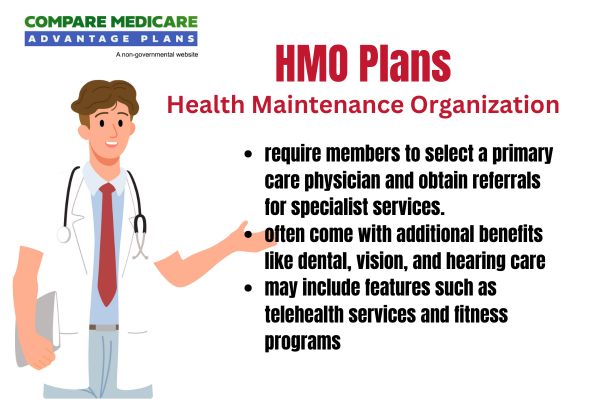
HMO plans typically have a more restricted network with required referrals for specialist care, while PPOs offer greater flexibility in selecting out-of-network providers, albeit at a higher cost. Doctor networks play a critical role in the convenience and cost-effectiveness of Advantage plans.
Participating providers agree to accept assignment, meaning they consent to the rates set by the insurance company. In doing so, they become part of the insurer’s network, offering services at agreed-upon rates, which can significantly affect your healthcare costs and choices.
If a doctor is out of the network, seniors might face higher out-of-pocket costs, even if they accept Medicare. Knowing if your current care provider is in-network can help you avoid unexpected expenses.
One key advantage of these plans is that they can offer coverage beyond Original Medicare. However, this comes with its own set of considerations, primarily understanding which doctors accept the plan.
Advantage networks may vary in size and scope, impacting the availability of local healthcare providers. Therefore, ensuring your preferred doctors are available within a plan’s network is of paramount importance.
Always check the latest network directories or contact the doctor’s office to confirm their participation before making any decisions about plan enrollment.
How Doctors Accept Medicare Advantage Plans
When contemplating Medicare Advantage plans, it’s essential to understand how doctors interact with these network-based services. Acceptance largely depends on whether a provider is within the plan’s network.
Many doctors opt to participate as in-network providers, which means they agree to accept the Medicare Advantage plan’s rates and terms. This agreement ensures that patients receive covered services at the designated network prices, minimizing out-of-pocket costs.
However, not all doctors choose to become participating providers for every plan, which can limit your choices depending on your local options. Medicare Advantage plans often come with specific networks comprised of doctors, hospitals, and other healthcare facilities that have agreed to provide services at set rates.
These networks can vary widely between plans and insurers, affecting where you can access care. In-network doctors are often incentivized to participate due to guaranteed patient flow and standardized rates, but sometimes, they may not accept all Medicare Advantage plans due to varying agreements between insurers and providers.
Understanding your preferred doctors’ network status is critical before selecting a plan. Doctors who accept Medicare Advantage must be understood in terms of their decision to accept assignment.
Accepting assignment means the provider has agreed to the terms and reimbursement rates set forth by an Advantage plan. This can affect how services are billed and what portion of costs you might need to cover.
While Original Medicare is universally accepted among Medicare providers, Medicare Advantage plans require a bit more research to verify that your current or desired providers are in-network. Ultimately, the relationship between doctors and Medicare Advantage plans revolves around agreements that ensure patients pay less for services.
Always verify with your healthcare provider or the insurer to make sure that your desired doctors practice within the plan’s network before committing to any Medicare Advantage plan. Doing so not only simplifies your healthcare experience but also protects you from unexpected costs.
The Role of Doctor Networks in Medicare Advantage

Doctor networks are the backbone of Medicare Advantage plans, significantly influencing your healthcare choices and expenses. Understanding these networks can help ensure that you get the best coverage and care available.
When you choose a Medicare Advantage plan, it’s essential to check which doctors participate in the plan’s network. In-network providers, often referred to as participating providers, agree to the plan’s terms and negotiated rates, which can lower your healthcare costs.
This section delves into how doctor networks impact your choices and how to find doctors who accept Medicare in your area.
How Doctor Networks Impact Your Choices
When it comes to Medicare Advantage plans, the networks play a pivotal role in shaping your healthcare experience. Doctor networks define the group of providers you can visit while minimizing out-of-pocket expenses.
These networks are an agreement between insurance companies and healthcare providers who opt to offer services at predetermined rates. Participating providers within these networks agree to accept assignment, meaning they accept the terms and reimbursements set by the insurance company, which helps stabilize the costs of care for you.
The impact of choosing Medicare Advantage plans largely lies in the network you select. For instance, Health Maintenance Organization (HMO) plans usually require that you use doctors who are in-network, focusing on a specific list of practitioners who agree to a structured payment model.
If you need to see a specialist or receive certain healthcare services, you’ll usually need a referral from your primary care physician within the network, ensuring care is well-coordinated but possibly restrictive in terms of doctor flexibility.
On the other hand, Preferred Provider Organization (PPO) plans offer a wider selection of doctors and provide some flexibility with out-of-network providers, though this choice comes at an increased cost. Here, seniors have more freedom to seek care from broader sources, but utilizing in-network providers is still financially advantageous.
Understanding which doctors accept your Medicare Advantage plan can spare you from unwelcome surprises on your medical bills. It also ensures you maintain continuity of care with the doctors you’ve come to trust.
Always verify a provider’s network status to maximize the value received from your Medicare Advantage plan.
Additionally, when contemplating the choice of a Medicare Advantage plan, it’s essential to delve further into several important factors that can influence your decision:
- Evaluate the availability of in-network specialists and ensure the plan covers healthcare providers that meet your specific medical needs.
- Consider the geographical coverage area of the plan to confirm it aligns with your location and traveling habits.
- Review the out-of-pocket expenses associated with various services, including co-pays and deductibles, to understand potential costs clearly.
- Check if the plan offers any additional benefits such as dental, vision, or hearing, which can enhance overall healthcare coverage.
- Understand the procedures for seeking referrals and preauthorizations, as these can vary significantly between different plans.
- Investigate the plan’s ratings and customer reviews to gain insights into member satisfaction and plan performance.
- Examine any potential network changes or updates that might affect access to preferred healthcare providers in the future.
- Look into telehealth options provided by the plan, which can be particularly beneficial for managing your health remotely.
By thoroughly evaluating these considerations, you can make a more informed decision regarding which Medicare Advantage plan may best suit your healthcare needs and preferences.
Finding Doctors Accepting Medicare in Your Area
Locating doctors who accept Medicare in your area can be straightforward if you know where to look and what to ask. Doctor acceptance varies depending largely on the networks they’ve chosen to join.
To find doctors accepting Medicare Advantage in your area, start with the plan’s directory of participating providers. These directories give a detailed list of in-network doctors, hospitals, and other healthcare facilities covered under the plan.
Another excellent resource is the Medicare Plan Finder on this website, allowing you to compare plans and their network sizes easily. This tool gives you insights into which physicians accept Medicare, helping to secure the best care while avoiding higher out-of-pocket expenses.
Don’t underestimate the importance of directly contacting doctors’ offices. A simple call to verify if the doctor is part of your plan’s network can save you time and future costs.
Additionally, this step ensures that you retain the flexibility to make informed decisions about your healthcare.
If you’re currently under Original Medicare and considering a switch to a Medicare Advantage plan, check how the change impacts your choice of care providers. Medicare Advantage networks tend to be more localized, affecting both the availability of certain medical services and the ease of accessing specialty care.
For example, those under Private Fee-for-Service (PFFS) plans might experience more variability in acceptance, as some providers may need to agree to the terms for each visit.
Ensuring that your doctors accept your chosen Medicare Advantage plan is critical. It assures that your healthcare experience remains seamless and cost-effective.
With proactive research and regular checks, you can continue seeing the doctors you trust while enjoying the unique benefits offered by Medicare Advantage plans. Always keep an open line of communication with your healthcare provider and stay updated on any changes to their network participation that might affect your coverage.