What is Medicare Advantage?
Medicare Advantage plans are a type of Medicare health plan offered by private companies that contract with CMS to provide all your Part A and Part B benefits.
If you’re enrolled in a Medicare Advantage plan, instead of getting Medicare benefits through the traditional Medicare system, you’re covered by an insurance company that handles everything, which might include drug coverage, dental, and vision care that traditional Medicare lacks.
These plans have grown in popularity due to their inclusive benefits and structured networks, which often provide more coordinated care. Despite the similarity in names, Medicare Advantage isn’t the same as traditional Medicare.
These plans often come with different networks that dictate which doctors and hospitals you can visit. This means while you might get extra benefits, you’ll also be part of a specific network, and going outside this network might be costly.
The satisfaction you derive from your Medicare Advantage plan can heavily depend on how well the network of providers fits your healthcare needs. Each year, the CMS rates these plans in star ratings, an excellent way to gauge the quality and satisfaction level of the provider networks.
Understanding these ratings and networks is crucial when exploring your Medicare Advantage options, as it aids in finding a plan that meets your health and financial needs.
How Does Medicare Advantage Differ from Traditional Medicare?
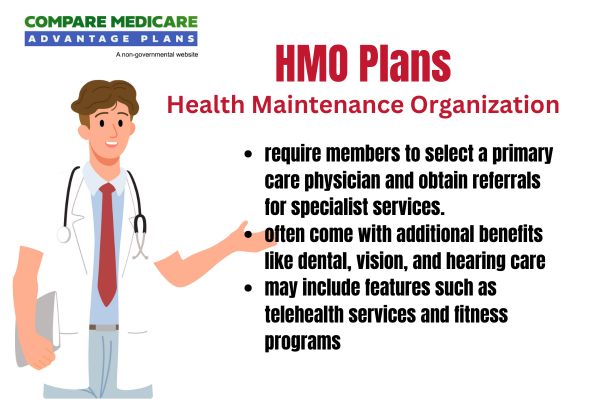
While both Medicare Advantage and traditional Medicare provide valuable health coverage, there are notable differences that each might appeal to different needs. Traditional Medicare, encompassing Part A and Part B, offers broad access to healthcare providers nationwide, meaning you can visit virtually any doctor or hospital that accepts Medicare.
Conversely, Medicare Advantage plans function within limited networks, similar to Health Maintenance Organizations (HMOs) or Preferred Provider Organizations (PPOs). This network structure can affect your out-of-pocket costs, as staying in-network could mean lower costs, whereas visiting an out-of-network provider might lead to higher expenses.
This is unlike traditional Medicare’s more flexible provider options, which some find advantageous. However, Medicare Advantage plans often include additional benefits such as vision, dental, and hearing, and may incorporate prescription drug coverage, simplifying the number of plans you need to manage.
Cost-wise, Medicare Advantage plans can offer competitive rates with a cap on out-of-pocket expenses, unlike traditional Medicare, which doesn’t limit yearly spending. As you explore these options, it’s vital to assess factors like your health needs, the importance of network flexibility, and any supplemental benefits that might be a priority.
Both systems have distinct star ratings given by CMS, which help indicate how well plans serve their customers in terms of quality and satisfaction. Whether you lean towards the comprehensive nature of a Medicare Advantage plan or prefer traditional Medicare’s straightforward provider access, understanding these differences will guide you in making informed healthcare decisions.
Exploring Medicare Advantage Plans for 2026
As we approach 2026, exploring Medicare Advantage plans unveils a world of healthcare possibilities specifically designed to meet the diverse needs of seniors. With healthcare continually evolving, these plans provide distinct advantages over traditional Medicare by offering an extensive range of coverage options and additional benefits, such as prescription drugs and vision care.
Understanding the key features of these plans, including their network structures and star ratings, can help you feel confident when selecting a suitable Medicare Advantage option. By delving into how these plans deliver comprehensive health coverage, seniors can make informed decisions about their healthcare preferences.
Key Features of Advantage Plans
Medicare Advantage plans for 2026 offer a variety of key features tailored to meet diverse healthcare needs. Central to these plans are the benefits they provide beyond traditional Medicare.
Enrollees can enjoy comprehensive coverage options, including hospital and medical services, prescription drug plans (Medicare Part D), and often additional services like dental and vision care. These extras can be critical for maintaining overall health, making Medicare Advantage a robust option for many seniors.
When considering Medicare Advantage, one important aspect is the network of healthcare providers. Most plans have specific networks of doctors and hospitals, similar to Health Maintenance Organizations (HMOs) or Preferred Provider Organizations (PPOs).
Accessing care within these networks typically results in lower costs compared to going out-of-network. Understanding the network setup is crucial because your choice of doctors may affect how satisfied you are with your healthcare plan.
Another significant feature is the cost structure. Medicare Advantage plans often include predictive out-of-pocket limits, which means that once you reach a certain amount in spending, the plan covers 100% of additional costs.
This cap provides a safety net for those concerned about unexpected medical expenses. Since these plans can vary significantly, it’s worth examining the costs associated with each option to find a plan that aligns well with your budgetary needs.
Furthermore, plans are rated by the Centers for Medicare & Medicaid Services (CMS) through a star system, which evaluates and provides insights into plan quality and customer satisfaction. Star ratings consider multiple factors, including health services and the responsiveness of the network.
A plan with higher star ratings often reflects greater quality and satisfaction among enrollees. By paying attention to these ratings, you can pinpoint plans that have a track record of good service.
Overall, the array of features associated with Medicare Advantage plans offers flexibility, security, and comprehensive care tailored to fit varied lifestyles and health requirements. Reviewing the features of each plan with these considerations in mind will empower you to make choices that enhance your healthcare experience.
How Advantage Plans Provide Health Coverage

Medicare Advantage plans, often called Medicare Part C, are known for providing comprehensive health coverage, which is particularly appealing as we move into 2026. These plans bundle several facets of healthcare into one cohesive package, including hospital and medical insurance (Medicare Part A and B), which enhances convenience for those who prefer an all-in-one solution.
Along with the basic Medicare coverage, Advantage plans commonly incorporate prescription drug coverage, streamlining your insurance needs into a single policy. Aetna Medicare and Devoted Medicare are two examples of companies offering these plans, providing various options tailored to meet individual health profiles.
Each company’s plan might differ in terms of network availability, coverage limits, and additional benefits, which could include fitness programs or transportation services. Choosing a plan that harmonizes with your healthcare priorities is crucial to maximizing the benefits an Advantage plan can offer.
Coverage efficiency is another hallmark of these plans. They typically require you to visit network doctors and facilities, which can enhance the coordination of care.
This structured approach helps in providing consistent, quality healthcare while helping to maintain lower costs. However, it also means reviewing the network to ensure your preferred healthcare providers are included.
One of the significant appeals of Medicare Advantage plans is the inclusion of extra services not covered by traditional Medicare. This might cover dental care, routine vision exams, and hearing aids.
Such additional coverage can be a substantial advantage for those who rely on these services regularly. Understanding how satisfaction levels are impacted by these coverage choices is essential.
The CMS star ratings offer a critical look at how well plans meet beneficiaries’ needs. High ratings usually indicate better care and higher enrollee satisfaction.
Thus, investigating plans with high star ratings could lead to a better overall experience with your insurance.
In summary, Medicare Advantage plans offer a structured, inclusive way to receive healthcare. The amalgamation of various healthcare components under one plan helps you stay organized while potentially reducing overall medical costs.
By thoroughly reviewing the coverage each plan provides against your personal health needs and preferences, you can choose the path that offers the best balance of benefits and satisfaction.
Costs Associated with Medicare Advantage Plans
Understanding the costs linked to Medicare Advantage plans is crucial for making informed decisions. These plans often offer a broad range of benefits, but they come with specific financial considerations, including premiums, copayments, and network-related expenses.
While some seniors might find Medicare Advantage plans economically advantageous, it’s vital to explore how factors like network choices, plan types, and coverage options influence the overall cost structure.
By comparing these costs with those of traditional Medicare, individuals can better assess which option aligns with their healthcare needs and budget for 2026.
Factors That Affect Your Costs

The costs associated with Medicare Advantage plans can vary significantly based on several influencing factors. One primary determinant is the plan’s premium, which is the monthly amount paid to maintain your coverage.
Some Medicare Advantage plans might entice with lower premiums but could offset this with higher out-of-pocket costs for services. This means considering the overall cost structure is crucial, not just the premium.
Additionally, individual health needs play a part; for example, those with chronic conditions might lean toward plans offering expansive medical and drug coverage, even if it results in a higher premium. Another factor is the network of providers.
Medicare Advantage plans usually offer coverage through specific provider networks, akin to HMOs or PPOs. Costs are typically lower when services are accessed within these networks.
Thus, understanding whether your preferred doctors and hospitals are in-network can significantly impact your expenses. Out-of-network services might still be covered, but they usually come with higher costs.
Comparing these network-associated costs between different plans provides clarity on what to expect financially. Medicare’s star ratings also indirectly affect costs.
Plans with higher ratings often have better provider networks and customer satisfaction, which can lead to more predictable healthcare expenses. Seniors might find that plans with higher ratings, even if they come with a slightly higher premium, may save money in the long run through better-managed care and fewer unexpected costs.
Finally, geographic location influences costs significantly. Premiums and coverage can vary based on the region and local provider networks, affecting overall healthcare accessibility and price.
Thus, it’s beneficial to examine the specifics of your locale when considering and comparing Medicare Advantage plans. By carefully evaluating these factors, you can select a plan that provides an optimal balance between costs and comprehensive coverage, ensuring your healthcare needs are met efficiently in 2026.