Understanding the Basics of Medicare Advantage
Medicare Advantage plans are a popular choice for many seniors due to their flexibility and the additional benefits they often provide over Original Medicare. These plans are offered by private insurance companies such as Humana, Aetna, and United Healthcare, and are approved by Medicare.
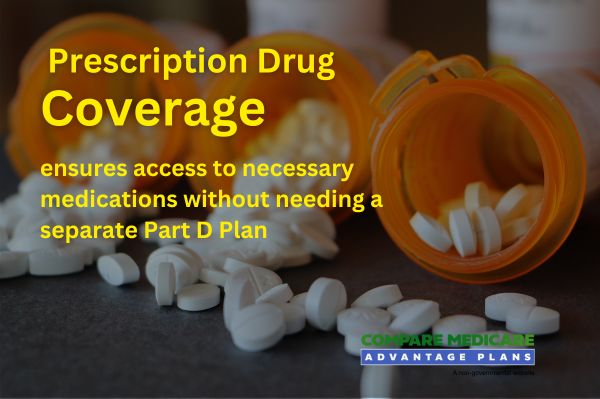
One great benefit is that they often include Medicare Part D, which covers prescription drugs, rolled into the same plan. Most also cover dental, vision, and hearing, which are not covered by Original Medicare.
This added coverage can make a big difference in managing your health needs and expenses.
It’s important to know that how you pay for these plans can differ greatly from Original Medicare. Usually, you will continue to pay the Part B premium, along with any additional premium set by your Medicare Advantage plan.
Each plan can vary significantly in terms of coverage, out-of-pocket costs, and network restrictions, so it’s crucial to compare them to find what fits best with your healthcare needs and budget.
Access to healthcare providers is another element to consider. Medicare Advantage plans often require using a network of doctors and hospitals.
This can include specific regional networks like HMOs or more flexible options like PPOs, depending on the plan you choose. Each type of plan has its own rules about how you access your coverage.
Because of these differences, it’s vital to check that your preferred doctors and healthcare facilities are in the network for any plan you consider.
Additionally, understanding the policy changes year-to-year is essential as plans can alter their coverage terms and conditions. Being informed about these details helps in making a more comfortable transition and ensuring continued access to the healthcare services you need the most.
Take advantage of resources such as Medicare.gov or reach out to local Medicare experts for clarity on the specifics of each option.
How Advantage Plans Differ from Original Medicare
Medicare Advantage plans present a different structure in how they deliver benefits compared to Original Medicare. While Original Medicare (consisting of Part A and B) covers certain hospital and medical services, Medicare Advantage plans go beyond by offering additional benefits not covered under traditional Medicare.
For instance, with Original Medicare, you separately need a Medigap policy to help with out-of-pocket costs. However, many Advantage plans cap these expenses, helping you to predict annual costs more reliably.
An important aspect of these policies is how they handle out-of-pocket expenses. With traditional Medicare, you may face higher costs due to the lack of a pricing cap, which can potentially lead to unexpected healthcare bills.
On the other hand, Medicare Advantage plans offer an annual out-of-pocket maximum, providing some financial predictability and safety from exceeding costs that don’t fit within your budget.
Certain restrictions are tied to advantage plans, such as network limitations. Unlike Original Medicare, which allows you to see any doctor that accepts Medicare, Advantage plans often require you to see doctors and hospitals within their network.
This means you’ll need to check if your current providers are included when considering any plan. Additionally, referrals might be necessary for specialist visits, depending on the plan structure.
Cost is another point of distinction. While both forms of Medicare involve premiums, deductibles, and copayments, the extent and distribution of these can differ significantly.
For example, you might pay lower upfront costs for certain services with an Advantage plan, but experience higher routine copayments. Understanding your own healthcare usage and financial capabilities will greatly aid in evaluating whether these plans fit your lifestyle.
Practically, choosing between these options is about balance. It’s essential to weigh the convenience and extras of Medicare Advantage against the broader geographic healthcare access that Original Medicare provides.
Consult with knowledgeable experts to explore these differences further and to assess which plan structure will serve you best in managing your healthcare and financial needs.
Medicare Plans: Key Differences Explained
Understanding the differences between Medicare Advantage, Original Medicare, and Medicare Supplement plans is crucial for making informed healthcare decisions. Each type of plan offers unique benefits and challenges, tailored to meet different health and financial needs.
While Medicare Advantage is known for its all-in-one packages and added benefits, Original Medicare provides broad access to healthcare providers. Medicare Supplements, or Medigap policies, help cover additional costs that Original Medicare doesn’t fully cover.
Comparing these plans will guide you toward the best choice for your healthcare and budgetary needs.
Comparing Medicare Advantage and Original Medicare
When looking at Medicare Advantage and Original Medicare, it’s essential to weigh their core differences to determine which might suit your needs better. Original Medicare (Part A and Part B) was designed to cover necessary hospital and medical expenses.
It provides the freedom to choose any healthcare provider that accepts Medicare, an appealing aspect for those who prioritize access to a wide range of doctors and facilities. However, this freedom often comes with out-of-pocket costs that can add up, especially when regular medical services are required.
Many find themselves purchasing additional Medicare supplement plans, known as Medigap, to cover these costs.
On the flip side, Medicare Advantage plans, or Part C, bundle the services of Part A and B, often adding extra benefits like dental, vision, and hearing coverage. Managed by private insurance companies, these advantage plans often include Part D prescription drug coverage, simplifying how beneficiaries manage their healthcare services.
They also frequently offer an out-of-pocket maximum, helping to limit your healthcare spending each year, unlike Original Medicare, which can lead to unforeseen expenses.
However, one must consider network restrictions present in most Medicare Advantage plans. Unlike Original Medicare, which provides flexibility in choosing any Medicare-accepting provider, Advantage plans typically require you to use a specific network of doctors and hospitals.
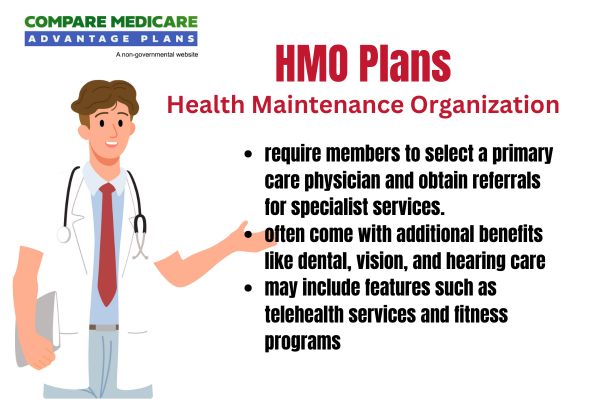
You might find HMOs need you to choose a primary care physician or get referrals to see specialists, while PPOs offer a bit more flexibility. This difference can be significant if accessing a wide network of providers is your priority.
The decision between Medicare Advantage and Original Medicare should reflect your personal healthcare requirements and lifestyle preferences. If the peace of mind from an out-of-pocket cap and additional benefits is paramount, an Advantage plan might be ideal.
Yet if unfettered access to various healthcare providers is your goal, sticking with Original Medicare supplemented by a Medigap policy could be more advantageous. A thorough assessment of these factors will aid in making the most suitable choice for your health needs.
Exploring the Role of Medicare Supplement
Medicare Supplements, commonly referred to as Medigap policies, play a vital role in enhancing the coverage of Original Medicare. Original Medicare can leave beneficiaries responsible for certain out-of-pocket expenses, including deductibles, copayments, and coinsurance.
This is where Medigap comes in, designed to fill those “gaps” and reduce the financial burden on beneficiaries by covering some, if not all, of the costs that Original Medicare does not cover. These policies offer peace of mind by providing greater predictability in healthcare expenses and eliminating surprise costs that can disrupt a senior’s budget.
There are several standardized Medigap plans available, each offering a unique set of benefits. For example, some plans may cover skilled nursing facilities, while others might provide foreign travel emergency health coverage.
The variety allows beneficiaries to select a policy that closely aligns with their health needs and financial situation. It’s important to note that while these plans significantly enhance Original Medicare’s coverage, they do not include services like dental, vision, or hearing.
Those would typically need to be added via separate insurance plans or through enrolling in a Medicare Advantage plan.
Choosing a Medigap policy often requires considering your current health status and potential future healthcare needs. For example, if you anticipate needing extensive hospitalization or skilled nursing care, selecting a Medigap policy with broader coverage for these services might be wise.
It’s equally important to factor in the cost of premiums, which can vary based on the plan selected and the state of residency.
Ultimately, Medigap policies offer robust support for individuals who prefer the extensive provider access that Original Medicare provides. They reduce the unpredictable nature of healthcare costs, ensuring beneficiaries can maintain consistent access to essential services without the fear of prohibitive expenses.
For informed decision-making, consulting with a Medicare expert can provide clarity on how a Medigap policy fits into your overall Medicare strategy and whether it meets your needs beyond what Original Medicare covers.
Benefits of Choosing a Medicare Advantage Plan

Choosing a Medicare Advantage plan offers a range of benefits and features beyond Original Medicare. These plans, also known as Medicare Part C, provide an all-in-one alternative with added coverage like dental, vision, and even gym memberships.
Seniors and caregivers considering these plans need to understand both the advantages and limitations, ensuring they align with personal health needs and budget priorities. While the convenience of bundled services and specific cost structures can be appealing, it’s crucial to weigh these against network restrictions and the nuances of plan options.
This section will detail both the available benefits and what considerations should be taken into account.
Available Benefits and Features
Medicare Advantage plans offer a unique blend of benefits that can make managing healthcare more straightforward and cost-effective. These plans typically include services beyond what Original Medicare provides, such as vision care and routine dental check-ups, which can be significant for maintaining a good quality of life.
For those who frequently need medications, the inclusion of Medicare Part D for drug coverage within these plans is a noteworthy advantage. Prescription drug plans often reduce out-of-pocket costs, and being part of an all-in-one Medicare plan means fewer insurance cards and streamlined billing processes, simplifying your healthcare affairs.
Another compelling feature of Medicare Advantage plans is the financial predictability they offer through an annual out-of-pocket maximum. Unlike Original Medicare, which can leave you vulnerable to unexpected expenses, Advantage plans cap your annual healthcare costs, providing a financial safety net.
Additionally, many plans offer additional health benefits, such as wellness programs and even fitness memberships, aiming to promote a healthier lifestyle and prevent costly medical issues before they arise.
For the tech-savvy or those with less mobility, telehealth services are often part of the plan offerings. You can have virtual consultations with healthcare providers, which is both convenient and a time-saver.
While these advantages make the plans attractive, it’s essential to confirm that your preferred healthcare providers are within the plan’s network, as many Advantage plans work with designated networks. This alignment ensures that beneficiaries maintain access to the doctors they trust without additional charges.
Ensuring your plan fits your healthcare and financial priorities allows for a well-rounded and informed decision-making process.
Here are some additional considerations to ponder when evaluating Medicare Advantage plans:
- Coverage often includes vision, dental, and hearing services beyond standard Medicare offerings.
- Access to wellness programs, such as gym memberships or fitness classes, may be included.
- Plans may offer integrated care coordination to streamline healthcare management.
- Prescription drug coverage is frequently included, reducing the need for separate plans.
- Some plans feature telehealth services, expanding accessibility to healthcare consultations.
- Out-of-pocket maximums can provide financial protection against high medical expenses.
- Emergency and urgent care coverage may extend to international travel.
This comprehensive overview aids in aligning the plan features with personal healthcare needs.