Vision and Dental Insurance for Medicare

Understanding vision and dental insurance options within Medicare can be crucial for maintaining good health as we age. These types of coverage address essential needs, like routine eye exams and dental cleanings, that Original Medicare often doesn’t cover.

This page offers guidance for seniors exploring these benefits, helping you compare options and understand how to optimize coverage for your personal healthcare needs. With insights into costs and services provided, you can make informed decisions that fit your lifestyle and budget.


Brief Overview

Understanding vision and dental insurance alongside Medicare is key for seniors seeking comprehensive health coverage. Original Medicare often lacks routine dental and vision care, causing potential out-of-pocket expenses.

To address this, explore supplemental options like Medicare Advantage plans, which may include these crucial services. CompareMedicareAdvantagePlans.org offers an unbiased look at available plans based on your ZIP code.

Reviewing coverage specifics helps seniors make informed choices that align with their health needs and budget, ensuring peace of mind and effective care management.


Key Takeaways


  • Medicare Advantage plans may provide additional benefits, including dental and vision coverage not offered by Original Medicare.


  • Understanding Medicare’s structure and benefits, including Parts A and B, is crucial for planning healthcare finances.


  • Using resources like CompareMedicareAdvantagePlans.org helps seniors find plans matching their specific healthcare needs.

Compare Plans in One Step!

Enter Zip Code


 Advertisement

Understanding Medicare and Its Limitations

Vision and Dental Insurance for Medicare


Navigating Medicare can be challenging, especially when trying to understand exactly what it covers. While Medicare provides essential health benefits, it does come with certain limitations, particularly in dental and vision care.

Many seniors find themselves surprised by the out-of-pocket costs for services not included in their plans. This section will help break down the basics of Medicare, highlighting its coverage in key areas, and crucially, what it does not offer in dental and vision care.

Armed with this knowledge, seniors and their caregivers can make informed decisions about their healthcare needs.


Medicare Basics You Need to Know

Medicare is a federal health insurance program designed primarily for people aged 65 and older, but it also covers some younger individuals with disabilities or specific conditions. It’s crucial to understand the structure of Medicare to fully grasp its benefits and limitations.

Medicare is divided into parts: Part A covers hospital insurance, while Part B covers medical insurance. Together, these form the “Original Medicare.”

While Original Medicare covers a wide range of health services, it’s important to note that dental and vision care are not generally included. Understanding what Medicare covers helps in preparing for potential expenses that might not be apparent initially.

For example, many routine services, like dental cleanings or vision tests, fall outside the scope of Medicare coverage. However, seniors have the option to expand their coverage through Medicare Advantage plans (Part C).

These plans, offered by private insurance companies, may include additional services such as dental, vision, and hearing care. Medicare Advantage plans incorporate networks such as HMO and PPO, which provide different levels of flexibility and cost implications.

While evaluating these plans, it’s vital to consider the specifics of what each program might cover, the network of providers included, and any potential out-of-pocket expenses. Educating oneself using reliable resources can aid in making more informed decisions.

By understanding the basic setup of Medicare and the ways in which it can be expanded, seniors are better prepared to manage their healthcare effectively and stay informed about the options available to them.


Based on the understanding of Medicare’s framework and options for coverage expansion, consider these essential points when evaluating Medicare Advantage plans:

  • Assess the specific healthcare needs these plans address beyond Original Medicare.
  • Compare included networks and the extent of coverage for preferred providers.
  • Investigate how different plans handle out-of-pocket expenses for services.
  • Examine additional benefits like dental, vision, and hearing within each plan.
  • Evaluate plan flexibility, especially regarding the choice between HMO and PPO.
  • Review available resources and tools to support thorough plan comparisons.
  • Check plan ratings and consumer feedback for insights into service quality.


By reflecting on these components, seniors can navigate Medicare Advantage plans more effectively and choose plans that align with their healthcare needs.


What Medicare Does Not Cover in Dental and Vision

One of the key limitations of Medicare is its lack of coverage for routine dental and vision care, which are essential components of overall health, especially as we age. Unfortunately, Original Medicare excludes most preventive dental services such as teeth cleanings, fillings, crowns, and dentures.

Similarly, routine vision exams, glasses, and contact lenses are generally not covered. This gap in coverage means that seniors could face significant expenses out of pocket unless they pursue additional insurance options.

Some may wonder why these services are not included. It boils down to how Medicare was initially designed, primarily to cover acute care rather than preventive services. This represents a significant consideration for seniors when planning their healthcare finances.

For those looking to minimize these out-of-pocket expenses, exploring stand-alone dental and vision plans or enrolling in a Medicare Advantage plan with comprehensive coverage might be prudent. Medicare Advantage plans can sometimes include broader benefits, but it’s important to read the fine print and ensure the specific dental and vision services you need are covered.

Utilize resources to compare plans effectively, considering both coverage scope and cost implications. Another option is buying separate dental and vision insurance policies, which can offer tailored services that align more closely with individual needs.

Always review the type of services covered, any associated costs, and the network of providers. Understanding the limitations of what Medicare does cover helps seniors plan better and explore suitable supplementary plans that fill these crucial gaps, ensuring they receive the necessary care without unexpected expenses.


Adding Dental Care to Your Medicare Plan

Enhancing your Medicare coverage with dental benefits can significantly improve your oral health while managing costs. Many seniors don’t realize that Original Medicare doesn’t cover routine dental services like cleanings, fillings, or dentures.

Thankfully, options exist to bridge this gap. You can explore stand-alone dental insurance plans or Medicare Advantage plans that include dental care.

Learning about these options can help you make informed decisions to best suit your needs. This section dives into understanding available dental insurance plans and the common benefits and coverage details they offer to optimize your dental care.


Exploring Dental Insurance Options


Exploring Dental Insurance Options


When it comes to dental care, many seniors are surprised to learn that Original Medicare doesn’t include dental services. However, there’s no need to worry as you have options to consider.

Stand-alone dental insurance plans can be a good choice if you’re looking for flexibility. These insurance plans cover various dental services, from routine cleanings to more extensive services like crowns and dentures.

On the other hand, you might want to explore Medicare Advantage plans that offer enhanced dental benefits. These plans, managed by private insurance companies, can bundle dental coverage with your existing Medicare, often incorporating network choices like HMO or PPO.

It’s crucial to understand how each plan works to make the best choice. Consider what specific dental services you’re likely to need and weigh them against the coverage offered.

Look into the costs associated with premiums, deductibles, and co-pays. Additionally, exploring local networks of dentists covered under different plans can give you a better idea of how convenient these services will be for you.

An independent resource like CompareMedicareAdvantagePlans.org can help you compare these options based on your ZIP code, helping you find plans that match your dental care needs. Emphasizing a plan that aligns with your health priorities can ensure you receive the necessary care while maintaining financial peace of mind.


Common Dental Benefits and Coverage Details

Dental insurance plans differ significantly in terms of the benefits and coverage they offer. It’s important to understand what common dental benefits are typically covered to avoid unexpected expenses.

Enhanced dental plans often include preventive services such as regular teeth cleanings and exams, crucial for maintaining overall oral health. You may also find coverage for basic procedures like fillings and root canals.

Some plans go further, offering coverage for more complex treatments, including crowns, bridges, and even implants. Coverage details can vary widely, so it’s essential to review each plan carefully.

Consider any waiting periods associated with certain services, as some plans require a set amount of time before you can access specific benefits. It’s also valuable to check annual maximums and out-of-pocket costs that could impact your budget.

Another thing to keep an eye out for is coverage for specific services like orthodontics or hearing aids, which might be included in some comprehensive plans. Understanding these details helps prevent surprises and allows you to plan your dental care effectively.

Comparing plans and benefits can sound daunting, but using educational resources and focusing on the specific needs and services enhances your decision-making. Also, remember that dental coverage can vary significantly by location and provider, so it’s wise to enter your ZIP code on a reputable site like CompareMedicareAdvantagePlans.org to see options available to you.

Ultimately, knowing what dental benefits you’re receiving ensures you make the most out of your insurance coverage, maintaining both your dental health and your financial well-being.

Compare plans and enroll online


 Advertisement

Speak with a licensed insurance agent

1-833-641-4938
TTY 711

Mon-Fri : 8am-9pm ET

compare medicare advantage plans

Vision Coverage within Medicare Plans

Many older adults aren’t sure how vision benefits fit into their Medicare plans. Understanding these benefits and limitations can help seniors make informed decisions about their vision care needs.

While Original Medicare doesn’t typically cover routine vision services, Medicare Advantage plans might offer more comprehensive coverage. This section will explore the intricacies of vision benefits, the limitations you might face, and how Medicare Advantage can play a crucial role in expanding your coverage options.

Finding the right vision plan could potentially reduce your out-of-pocket costs and improve your overall eye health.

Understanding Vision Benefits and Limitations

Vision benefits under Medicare can seem quite limited, especially if you’re relying on Original Medicare alone. Original Medicare typically does not cover regular eye exams for glasses or contact lenses, which might be surprising given the importance of eye health as we age.

Preventive vision services are mostly excluded, leaving beneficiaries responsible for routine vision care out-of-pocket. If you have specific needs like eyeglass lenses or contact lenses, you’ll likely find that Medicare won’t cover them.

Knowing these limitations can prevent unexpected expenses and encourage planning for alternative coverage solutions.

However, it’s important to note that Medicare Part B does provide coverage for some vision services, but these are typically related to specific medical conditions such as cataracts, glaucoma screenings, or if surgery is required, such as cataract surgery, which includes a basic lens.

This targeted coverage can help with significant eye health concerns, but doesn’t account for everyday vision challenges. For those seeking routine vision benefits, Medicare Advantage plans may offer an attractive alternative.

These plans vary widely but can include additional vision coverage that Original Medicare lacks. Limits on coverage may still apply, making it vital to compare plans diligently.

Look into factors like network options, HMO and PPO plans, which can affect the accessibility and cost of services. Ultimately, understanding your vision coverage and limits helps you prepare better, making sure you’re covered for critical eye health needs without surprising bills.


How Medicare Advantage Can Include Vision Services
 

How Medicare Advantage Can Include Vision Services


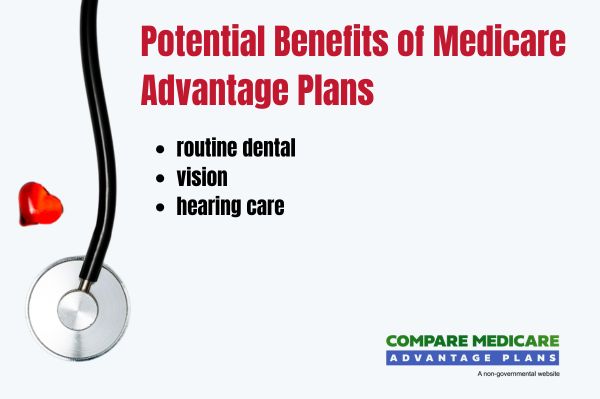
Medicare Advantage plans offer a pathway to obtain broader vision benefits than those seen in Original Medicare. These plans, offered by private insurers, often bundle vision, dental, and hearing services into one program.

It’s worth noting that the details of coverage can differ significantly from one Advantage plan to another, thus requiring a careful look at the services covered. Many Medicare Advantage plans include vision benefits that cover annual eye exams and some contribute towards glasses or contact lenses costs.

This added vision coverage can enhance your healthcare experience without straining your financial resources. Depending on the plan, you may be able to access discounts on frames or lenses, or even choose from a specific network of optometrists and ophthalmologists.

Some plans offer benefits for specialized vision care that could include treatment for conditions like macular degeneration. When considering a Medicare Advantage plan, pay close attention to the specifics, such as potential coverage limits or caps that could affect your services.

Plans often have networks that dictate where and who you can see for covered services, with PPO networks typically offering more flexibility compared to HMOs. It’s critical to ensure your preferred eye care providers are within the network, reducing your out-of-pocket expenses.

Also, don’t overlook the costs associated, such as premiums and the coverage rules as not all plans are created equal. By comparing different Medicare Advantage plans, seniors can select a program that suits their vision needs and budget, making eye care more manageable.

Always use reputable resources like CompareMedicareAdvantagePlans.org to understand your options based on your ZIP code. Understanding how these plans work ensures you make wise choices for your vision health, preparing you for both routine check-ups and critical eye care.


Comparing Dental and Vision Plans for Better Coverage

Choosing the right dental and vision plans can greatly enhance your Medicare coverage, filling crucial gaps not covered under Original Medicare. As these plans differ in terms of benefits, coverage details, and costs, making informed comparisons is vital.

This section will guide you through practical tips for selecting the most suitable dental and vision plans. Understanding plan types, covered services, and associated expenses will help you tailor your choices to better meet your health needs without incurring unexpected costs.

Explore these considerations to ensure you optimize your dental and vision insurance alongside Medicare.


Tips for Choosing the Right Plans

Selecting the best dental and vision plans can feel overwhelming, particularly if you’re trying to complement your existing Medicare coverage. However, a few key tips can guide your decision-making process, ensuring you select a plan that fits both your needs and budget.

First, assess your specific dental and vision needs. This includes keeping track of how often you need these services, such as regular cleanings, cavity fillings, or eye exams.

Determine whether you need coverage for more extensive services like dental implants, crowns, or vision correction surgeries. Listing these can help prioritize your coverage needs, so you focus on plans offering the essential services.

Secondly, dive into the details of each plan’s coverage and costs. Check what preventive care, basic services, and major procedures are covered.

Many plans include routine services like dental cleanings and vision exams, but coverage for more expensive treatments might vary. Be attentive to deductibles, co-pays, and premiums, ensuring they align with your budget constraints.

Don’t forget to consider annual maximums , the upper limit of what your plan will pay per year , as these can influence your out-of-pocket expenses.

Another critical factor is network restrictions. Plans often include a network of dental and vision providers, impacting which providers you can use and how much you’ll pay.

Health Maintenance Organization (HMO) plans might require you to stick to a specific network to receive coverage, whereas Preferred Provider Organization (PPO) plans might offer more flexibility. Check if your preferred dentists and optometrists are within a plan’s network to avoid unnecessary switching.

 

Tips for Choosing the Right Plans


Finally, take advantage of resources like CompareMedicareAdvantagePlans.org. Enter your ZIP code to explore available plans in your area, as coverage, costs, and plan options can vary significantly by location.

Remember, the aim is to choose plans that not only complement your Medicare benefits but also address your needs comprehensively. With thoughtful comparison and planning, you’ll find a plan that gives peace of mind, knowing your dental and vision care is covered affordably and effectively.

Feel confident to enter your ZIP code and discover your options today.

Understanding vision and dental insurance options with Medicare can greatly benefit seniors seeking comprehensive healthcare coverage. Reviewing the plans available in your area can help address specific dental needs and provide essential eye care.

Remember, coverage and costs can vary, so it’s important to explore different plans to find what suits you. Enter your ZIP code on our website for more details on vision and dental options available to you.

Empower yourself with information for a confident coverage decision.

Frequently Asked Questions


Why doesn’t Original Medicare cover routine dental and vision care?

Original Medicare was primarily designed to cover acute care rather than preventive services. As a result, routine dental and vision services, such as cleanings and eye exams, fall outside the scope of its coverage.


What options are available to expand dental and vision coverage beyond Original Medicare?

Seniors can explore stand-alone dental and vision plans or Medicare Advantage plans to fill coverage gaps. These options may offer added benefits like routine exams and treatment not covered by Original Medicare.


How can CompareMedicareAdvantagePlans.org assist in finding suitable insurance plans?

CompareMedicareAdvantagePlans.org provides unbiased information to help seniors find plans that meet their specific healthcare needs based on location. By entering your ZIP code, you can compare different plan options available to you.


What are the limitations of Medicare Advantage plans for dental and vision coverage?

While Medicare Advantage plans often include additional dental and vision benefits, they can vary significantly in coverage details, network restrictions, and out-of-pocket costs. It’s important to review each plan’s specific offerings and limitations.


What should seniors consider when choosing dental and vision insurance plans?

Seniors should assess their specific dental and vision needs, compare coverage details and costs, and consider network restrictions. Using resources like CompareMedicareAdvantagePlans.org can help in making informed choices.

call today for help

 ZRN Health & Financial Services, LLC, a Texas limited liability company

Find & Compare Plans Online 


 Advertisement

Speak with a licensed insurance agent

 1-833-641-4938
TTY 711

Mon-Fri : 8am-9pm EST

( Medicare Expert )

Russell Noga is the CEO of ZRN Health & Financial Services, and head content editor of several Medicare insurance online publications. He has over 15 years of experience as a licensed Medicare insurance broker helping Medicare beneficiaries learn about Medicare, Medicare Advantage Plans, Medigap insurance, and Medicare Part D prescription drug plans.