Best Medigap Plans 2026

Navigating the world of Medicare can be overwhelming, especially when it comes to choosing the right Medigap plan to supplement your Original Medicare. With a variety of coverage options, benefit levels, and costs, finding the best Medigap policy for your individual needs is crucial.

This guide will help you understand what Medigap policies are, compare the plan options available, and highlight important factors to consider before making your decision, all designed to empower you with knowledge for a confident and informed choice.


Key Takeaways


  • Medigap plans provide supplemental coverage for out-of-pocket costs not covered by Original Medicare, offering financial protection and greater healthcare predictability.


  • All standard Medigap plans are federally regulated, ensuring consistent core benefits and simplifying side-by-side comparison of coverage and costs.


  • Online tools, like those at CompareMedicareAdvantagePlans.org, enable tailored Medigap plan comparisons, real-time quotes, and easy digital enrollment for 2026.


  • Medigap is ideal for those valuing nationwide provider flexibility, predictable costs, and comprehensive coverage—especially for frequent travelers.


  • Thorough insurer assessment—including ratings, customer service, and supplemental perks—ensures you select a reputable, reliable Medigap provider.

Compare Plans in One Step!

Enter Zip Code


 Advertisement

Understanding Medigap: An Expert Overview

Best Medigap Plans: Your Guide to Choosing the Right Medigap Coverage


Medigap, often referred to as Medicare supplement insurance, is an essential consideration for those enrolled in original Medicare who want added peace of mind regarding their healthcare expenses. These supplemental policies are designed to help cover gaps left by traditional Medicare, such as copayments, coinsurance, and deductibles.

Understanding how Medigap plans work, their relationship with original Medicare, and how they provide enhanced coverage can empower you to make confident, well-informed healthcare decisions. As an expert in the insurance field, I’ll offer insights into how these standardized plans work and how to identify the best Medigap plan for your needs, ensuring you get the most from your Medicare benefits.


How Medigap Complements Traditional Medicare Coverage


How Medigap Complements Traditional Medicare Coverage


For individuals enrolled in original Medicare, understanding the nuances of Medigap coverage is critical to maximizing healthcare benefits and limiting financial exposure. Original Medicare, comprising Part A (hospital insurance) and Part B (medical insurance), forms a strong foundation for your healthcare needs. However, as robust as traditional Medicare is, it isn’t designed to pay for every medical expense. That’s where Medigap insurance comes into play, filling in the “gaps” left by standard Medicare coverage and providing supplementary protection that can significantly ease the burden of out-of-pocket costs.

Medigap policies, also known as Medicare supplement plans, are issued by private insurance companies. Each Medigap plan is standardized by the federal government, which means that the benefits for each lettered plan (such as Plan G or Plan N) are consistent regardless of which insurer sells the policy. This standardization is a major advantage for consumers: you can compare Medigap plans with confidence, knowing that Plan G offers the same supplemental coverage whether you purchase it from one carrier or another.

At CompareMedicareAdvantagePlans.org, we help you review and compare Medigap policies, demystifying the process and enabling you to select the right supplement plan for your specific healthcare and financial needs.

Let’s dive deeper into how Medigap insurance works alongside traditional Medicare. When you visit a healthcare provider, original Medicare pays its share of the approved amount for covered health costs. However, out-of-pocket expenses such as deductibles, copayments, and coinsurance payments remain; these costs can add up significantly, especially for individuals with ongoing or intensive health needs. A Medigap plan steps in to pay some or all of these remaining charges, depending on the benefits outlined in your chosen policy. This layered approach to coverage can save policyholders thousands of dollars annually in unexpected medical costs, making Medigap a valuable supplement for anyone wanting greater financial predictability.

It’s important to note that a Medigap policy only supplements coverage under original Medicare; it cannot be paired with Medicare Advantage plans (also known as Medicare Part C). This distinction ensures that supplemental insurance works seamlessly with your existing plan, while also narrowing the focus for those actively comparing Medigap plans.

For individuals unsure whether to choose a supplement plan or stick with traditional Medicare alone, reviewing the particular gaps in your current coverage, like inpatient hospital deductibles or excess charges for physician services, often highlights the significant value provided by a robust Medigap plan. Medigap coverage is especially appealing for people who travel frequently or split their residence between states throughout the year. Many Medicare supplement plans offer nationwide coverage, so you aren’t limited to a regional provider network; you can visit any doctor or hospital that accepts Medicare, ensuring you receive medical attention wherever you are. This flexibility is key for snowbirds, retirees who travel, or anyone whose life circumstances require geographic mobility.

Another critical area where Medigap provides unique benefits is in coverage predictability. Traditional Medicare often exposes enrollees to unforeseen medical bills due to its cost-sharing structure. By contrast, Medigap insurance transforms many of these unpredictable expenses into manageable, preset premiums. This financial transparency supports budgeting and planning for healthcare in retirement, something every Medicare beneficiary prioritizes.

Plans like Medigap Plan G and Plan N have become exceptionally popular because of their comprehensive supplemental coverage, providing a reliable benchmark for reviewing available plan options on our platform. Supplemental insurance isn’t just about filling coverage gaps; it’s also about ensuring access to care. Some Medigap policies cover services that original Medicare doesn’t, like emergency healthcare coverage when traveling outside the United States.

While these benefits may vary by plan, they can provide true peace of mind for those who enjoy traveling or need the security of international protection. Reviewing the specific benefits associated with each Medigap plan on CompareMedicareAdvantagePlans.org is a crucial step to selecting the right supplement insurance for your situation.

User reviews and expert evaluations consistently highlight the importance of understanding your individual healthcare needs and budget constraints before selecting a Medigap plan. A well-chosen Medigap policy can serve as a powerful supplement to your original Medicare, ensuring you get maximum coverage, benefits, and support for your health journey.

Additionally, with standardized plans, comparing costs and coverage is streamlined: you don’t have to navigate complex differences in benefits, just compare premiums, customer service records, and supplemental offerings. Finally, working with our team through CompareMedicareAdvantagePlans.org means you don’t have to navigate the world of Medigap insurance alone.

Licensed agents are available to answer questions, clarify policy benefits, and walk you through the application process. Our website offers a comprehensive suite of online comparison tools so you can review plans by coverage scope, cost, and supplemental perks, all tailored to your region and personal needs. Whether you’re enrolling in Medicare supplement insurance for the first time or shopping for a better Medigap plan, our resources are designed to ensure you land on the policy that offers the most value and security.

In summary, Medigap complements traditional Medicare by transforming uncertain, variable costs into comprehensive, easy-to-understand supplemental coverage. By pairing a Medigap policy with your original Medicare, you’re equipped with a healthcare safety net that allows you to focus on wellness rather than worry over medical bills.

As a recognized leader in Medicare plan comparison, CompareMedicareAdvantagePlans.org is committed to providing you with the unbiased information, expert reviews, and hands-on support needed to make the right Medigap plan decision.


Comparing Medigap Plans: Key Features to Evaluate


Comparing Medigap Plans - Key Features to Evaluate


Choosing among the many Medigap plans available can seem overwhelming, especially as you weigh the variety of benefits, costs, and coverage options each policy provides. Thoroughly understanding the features that distinguish these Medicare supplement insurance plans is fundamental to maximizing your healthcare protection. From evaluating the essential benefits guaranteed across standardized Medigap plans to grasping how each policy handles deductibles, copayments, and coinsurance, it’s crucial to know exactly what you’re getting.

Here, we break down the primary aspects of Medigap plans and clarify what makes each plan unique, helping you approach your comparison with clarity and confidence.


Essential Benefits Included in Each Medigap Plan

The structure of Medigap plans is grounded in their standardization, an approach designed to keep the process transparent for Medicare beneficiaries. When examining available Medigap policies, it’s vital to recognize that every plan, whether labeled as Plan A, Plan G, or any other lettered policy, follows a strict, federally mandated template. This means the benefits for each type of plan remain consistent nationwide, regardless of the insurance company selling the policy. That means, for instance, Medigap Plan G from one insurer will provide the exact set of benefits as Plan G from another provider, making plan comparison much easier and ensuring consumers can make fair, informed decisions about their healthcare coverage.

This regulatory framework protects your interests when reviewing Medigap insurance plans, as you know exactly what each plan offers in terms of medically necessary coverage. The foundational benefits included in all standard Medigap plans address the primary “gaps” left by original Medicare, specifically Parts A and B. Every Medigap policy, at a minimum, helps cover the costs associated with Medicare Part A coinsurance and hospital costs, extending your protection for up to 365 additional days after Medicare benefits are exhausted. This benefit alone provides significant peace of mind for those concerned about unexpected hospitalizations, ensuring you won’t face overwhelming bills should an extended hospital stay occur.

Another universal benefit is the coinsurance for Medicare Part B, which ensures you’re not left shouldering high out-of-pocket expenses after seeing a physician or specialist. These benefits set the stage for a Medigap plan to function as crucial supplemental coverage. Medigap plans also cover the cost of the first three pints of blood each year, an expense original Medicare doesn’t fully address. For individuals requiring procedures that involve blood transfusions, this protection can significantly lower your medical costs and keep your coverage seamless. Skilled nursing facility care coinsurance, another critical coverage gap, is often included or available in higher-level Medigap insurance plans, shielding you from what can be substantial charges for ongoing nursing or rehabilitative care.

These standard features in Medigap policies ensure that your healthcare needs don’t become a financial burden. One of the defining aspects of Medigap insurance is its treatment of Medicare Part A hospice care coinsurance or copayment; virtually every standardized Medigap policy provides relief in this essential area, ensuring compassionate, uninterrupted care for patients facing end-of-life scenarios.

By taking on much of the hospice-related copayment burden, Medigap plans reaffirm their value in supporting beneficiaries through even the most challenging medical journeys, delivering both financial support and peace of mind. Looking at the broader array of standardized plans, certain Medigap plans offer enhanced benefits, including coverage for Medicare Part A and Part B deductibles, Part B excess charges, and even emergency medical care for travel outside the United States.

For example, Medigap Plan F, once a popular choice due to its comprehensive benefits, covers nearly every out-of-pocket cost related to Medicare-approved expenses. However, Plan G and Plan N have become the prevailing options for new enrollees, balancing robust coverage with more accessible premiums. Medigap Plan G is particularly noteworthy among the plans offered, as it provides nearly all available benefits except for the Part B deductible, making it one of the most comprehensive insurance plans currently available to Medicare beneficiaries.

With Plan G, your coinsurance, copayments, hospital costs, skilled nursing facility coverage, and even some emergency care abroad are addressed, so your main out-of-pocket consideration is the annual Part B deductible. Medigap Plan N has also garnered significant interest among those seeking slightly lower premiums while still accessing wide-ranging benefits. With Plan N, beneficiaries accept modest copayments for certain office visits and emergency room use, but enjoy most other protections common to standardized plans.

Additional layers of nuance exist when you compare Medigap plans beyond just the standard list of benefits. For instance, some policies (such as Plan K and Plan L) offer lower premiums in exchange for higher out-of-pocket costs and cap your annual spending via maximum out-of-pocket limits.

These plans appeal to Medicare supplement shoppers with particular budgetary concerns, reflecting the flexibility inherent in Medigap plan design. On the other end of the spectrum, high-deductible versions of Plan G may become available in the coming years, offering another option for those who want the extensive benefits of Plan G at a lower upfront cost, albeit with higher responsibility should you face significant medical events. It’s important to note that while the core benefits remain identical among similar lettered plans, costs can differ widely based on your state, insurance provider, and personal health circumstances.

The CompareMedicareAdvantagePlans.org platform is committed to empowering you with transparent details: you can compare coverage, costs, and standardized benefits side by side, ensuring the plan you choose provides both the policy strength and value you need.

For those who want added help navigating the field of plans offered, our licensed agents stand ready to simplify the process and walk you through each plan’s unique offerings. Another element to evaluate is flexibility. Medigap insurance plans don’t restrict your choice of provider. Any doctor or hospital that accepts Medicare will accept your Medigap policy, a critical feature for people who travel frequently or maintain residences in different states.

This contrasts sharply with many Medicare Advantage plans, which may have network limitations. Medigap’s portability adds tremendous value, letting beneficiaries access care anywhere across the U.S., which is a top consideration when reviewing plans for long-term suitability. Benefit predictability is another compelling aspect of a Medigap plan.

Instead of facing surprise costs each time a health event arises, Medigap policyholders benefit from clearly defined coverage and preset monthly premiums. This clear cost structure simplifies budgeting for those living on a fixed income, ensuring unexpected health issues don’t translate into financial crises.

Comprehensive insurance plans like Medigap Plan G or Plan N remove much of the financial guesswork inherent in healthcare planning by taking over costs that would otherwise be your responsibility.

Finally, while standardization covers the core benefits, there can be ancillary services or perks offered by insurance companies to differentiate their Medigap policies. For instance, some providers may offer discounts for healthy lifestyle choices, vision or hearing benefits, or free access to wellness programs. It’s essential to differentiate these extra features from the standardized plan benefits, but they can add further value to your policy. Always inquire about these when comparing insurance plans so you’re not only assessing mandated benefits but also exploring every opportunity to maximize your coverage.

To sum up, understanding the essential benefits included in each Medigap plan helps you approach your Medicare supplement shopping with confidence. By knowing the precise coverage each lettered plan must provide, you can narrow your focus to the pricing, customer service, and supplemental perks that set specific insurance plans apart.

Using resources like CompareMedicareAdvantagePlans.org and working alongside experienced agents ensures you match with a Medigap policy that truly addresses your health, financial, and lifestyle priorities, providing lasting security as you navigate your Medicare journey.


Navigating Medigap Plan Enrollment for 2026


Navigating Medigap Plan Enrollment for 2026


As the open enrollment window for Medigap approaches in 2026, understanding the process for enrolling in the best Medicare supplement insurance plans is more important than ever. The journey from evaluating coverage options to securing a plan that fits your healthcare and financial needs can be smooth with the right resources. Emerging digital tools have transformed how shoppers research and compare Medigap plans, contributing to a more transparent and consumer-first experience.

This guide explains how to leverage advanced online comparison platforms to identify the right policy in your area, review costs, and ultimately make an informed Medigap enrollment decision, all while ensuring eligibility and guaranteed issue rights.

Compare plans and enroll online


 Advertisement

Speak with a licensed insurance agent

1-833-641-4938
TTY 711

Mon-Fri : 8am-9pm ET

compare medicare advantage plans

Online Tools for Comparing Plan Options in Your Area

Online Tools for Comparing Plan Options in Your Area


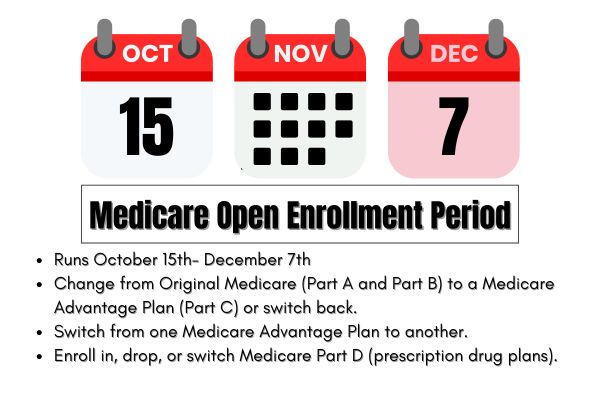
When it comes to enrolling in a Medigap plan for 2026, online resources have fundamentally changed the landscape for Medicare enrollees, offering unprecedented tools for comparing insurance plans, coverage options, costs, and even insurer track records. With open enrollment presenting the optimal period for most individuals to secure their Medigap policy, when medical underwriting is generally not required and guaranteed issue rights are at their peak, it’s crucial to approach your evaluation with both confidence and clarity.

The new generation of online comparison tools, such as those available at CompareMedicareAdvantagePlans.org, empowers you to match your specific healthcare needs with the ideal supplemental coverage, whether you’re new to Medicare or seeking to optimize your current policy. Start by exploring robust comparison engines that allow you to filter Medigap plans by location, as premiums, plan availability, and even insurance companies themselves can differ dramatically depending on your state or region.

Within a single zip code search, you’ll be presented with an array of Medigap plan options, including the most popular choices like Plan G and Plan N, as well as plans with varying costs and coverage levels. Each plan is standardized, ensuring consistency in core benefits, but the price and service quality can vary from one insurer to another.

Utilizing online tools, shoppers can compare policy costs, vet customer reviews and ratings, and see how each plan stacks up against industry benchmarks for financial stability and customer satisfaction. One of the leading advantages of leveraging online resources is the ability to see real-time costs and quotes for each Medigap plan. Instead of making multiple phone calls or wading through generic brochures, you’ll quickly get transparent information about monthly premiums, deductibles, coinsurance responsibilities, and any out-of-pocket caps imposed by certain plan types.

This side-by-side display is particularly helpful for people evaluating insurance plans during open enrollment, when the window to make a decision is limited but your entitlement to coverage, regardless of pre-existing health conditions, is maximized.

Additionally, some platforms aggregate user-submitted reviews and expert ratings, allowing you to gauge the long-term value and support provided by various insurance companies. A major consideration for 2026 is the importance of guaranteed issue protections, especially for those who are enrolling in a Medigap policy for the first time, have recently retired, or are losing other creditable coverage.

The best online tools not only highlight which enrollment pathways qualify for guaranteed issue but also explain how shifting outside of the open enrollment period may affect your costs or coverage choices. You’ll find detailed guides demystifying these eligibility periods, along with calculators that clarify how timing your application affects your rights under federal Medigap rules.

When using digital resources, you can drill down on what makes different Medigap plans unique, such as supplemental perks offered by specific insurance companies, customer support infrastructure, or wellness benefits layered onto standardized policy coverage.

For many shoppers, understanding the “extras” each insurer offers can be as pivotal as comparing core policy provisions and costs. You can also review how insurance companies handle rate increases, their reputation for claims service, and any additional discounts available for household members or other qualifying factors.

Each of these elements can be compared seamlessly using intuitive online dashboards. Accessibility is another area where these tools truly shine. Modern platforms are designed to be mobile-friendly and streamlined, enabling you to browse Medigap plans, read through policy details, and compare insurance companies’ financial ratings from any device.

If you’re balancing your search with other commitments or want to involve family members, this flexibility is invaluable. You can bookmark preferred plans, save cost comparisons for later review, and even use secure portals to connect with licensed insurance agents for real-time, expert guidance.

Further, the enrollment process itself has become increasingly efficient thanks to these online tools. Once you’ve identified your desired Medigap coverage, you can often complete the enrollment process through digital forms, electronic signature technology, and instant policy previews.

Should you prefer additional help navigating your options, reputable platforms such as CompareMedicareAdvantagePlans.org offer live support from licensed agents. These professionals are well-versed in the nuances of open enrollment, supplemental plan comparisons, and insurance company reputations, helping you clarify any final questions before you submit your policy application.

Online comparison platforms also frequently update their menu of available insurance plans, reflecting regulatory changes, new insurer entrants, or pricing shifts each open enrollment cycle. By leveraging these resources, you’re assured that the plan information, costs, and insurer details you’re reviewing are as current and accurate as possible.

This is critical for 2026, when changes to Medigap, Medicare guidelines, or insurer participation may impact both your costs and the plan types you can select in your area. For shoppers seeking comprehensive protection, online reviews and aggregate ratings serve as a valuable supplement to plan comparison.

They offer transparency about real-world customer experiences, how insurance companies handle claims, resolve service issues, or deliver on promised coverage. This feedback can help you avoid insurers with poor reputations, find those offering the best support, and secure supplemental insurance that provides true peace of mind along with robust coverage.

Lastly, for many enrollees, understanding the fine print of Medigap policies, details about guaranteed issue requirements, switching rules between plans, and procedural steps for enrollment or cancellation, can become a sticking point. Leading online platforms provide educational content, frequently asked questions, policy document libraries, and direct links to state-based Medigap resources.

As you research, you’ll have access to every regulatory and practical detail needed to enroll confidently, protect yourself during special enrollment circumstances, and manage your supplemental coverage as your needs evolve.

In conclusion, the proliferation of advanced online comparison tools has transformed how consumers assess and enroll in Medigap plans. Whether you’re taking advantage of open enrollment for the first time or reassessing your supplemental insurance in light of changing costs and coverage needs for 2026, leveraging trusted online platforms is the best way to compare plans, insurance companies, benefits, and costs with speed and precision.

At CompareMedicareAdvantagePlans.org, you’ll find a full suite of digital resources, impartial reviews, expert ratings, and licensed agent support, all dedicated to helping you make the best Medigap policy choice for your future healthcare security.

Choosing Between Medigap and Medicare Advantage Plans

 

Choosing Between Medigap and Medicare Advantage Plans


Deciding whether to select a Medigap policy or a Medicare Advantage plan is one of the most important decisions Medicare beneficiaries face. Each option offers distinct benefits, coverage details, cost structures, and levels of flexibility, making the comparison both nuanced and personal.

Medigap, also called Medicare supplement insurance, works alongside original Medicare to help fill gaps in coverage left by Parts A and B, while Medicare Advantage plans bundle Medicare benefits in a single alternative plan.

Understanding when Medigap may be the right fit, and when Medicare Advantage might suit other lifestyles, lays the groundwork for confident, well-informed decisions as you navigate your healthcare coverage choices.


When a Medigap Plan May Be the Right Choice for You

Choosing the optimal health insurance can make all the difference in your retirement security, and understanding when a Medigap plan, also known as a Medicare supplement plan, may be right for you is a crucial step. As an insurance expert familiar with the extensive range of coverage options in today’s Medicare landscape, I often see individuals debating between Medigap and Medicare Advantage.

The right choice depends on your healthcare needs, lifestyle preferences, travel habits, and financial goals. Medigap policies are designed to supplement original Medicare by covering out-of-pocket costs not paid by Parts A and B, such as deductibles, coinsurance, and copayments. If you value nationwide access to care, flexibility in choosing providers, and predictable supplemental insurance costs, then a Medigap plan is particularly compelling.

Unlike many Medicare Advantage plans, which often require beneficiaries to stay within specified provider networks, Medigap policies allow you to see any healthcare provider that accepts Medicare, anywhere in the U.S. This level of freedom is ideal for retirees who travel frequently, keep multiple residences, or just want the assurance that their coverage is portable and reliable wherever they go.

Another hallmark benefit of Medigap insurance plans is the predictability of costs. With a Medigap supplement plan, you pay a fixed monthly premium, providing the ability to budget effectively and avoid unexpected healthcare expenses. Plans are standardized, meaning Medigap Plan G purchased from one insurance company will deliver the same core benefits as Plan G from another.

This consistency makes it much easier to compare insurance plans side by side on trusted platforms like CompareMedicareAdvantagePlans.org. The platform aggregates details, helping you understand not only the benefits available through each Medigap plan but also how premiums, customer service, and insurer ratings compare across the market.

Medigap plans also deliver unique advantages when it comes to coverage reliability. Because these supplemental policies operate as secondary payers, stepping in after original Medicare, claim denials are uncommon, and you’re less likely to face the same types of prior authorization hurdles that can accompany certain Medicare Advantage plans.

If you’re looking for transparent supplemental insurance and wish to avoid bureaucratic delays, the Medigap route streamlines much of your care. For individuals who manage ongoing health conditions requiring regular specialist visits, frequent hospitalizations, or a complex range of services, a Medigap policy can rein in the otherwise unpredictable and potentially high out-of-pocket expenditures of original Medicare alone.

The security of knowing coinsurance and deductibles are largely covered relieves stress, particularly if you’re on a fixed retirement income. In fact, some of the most popular Medigap plans, such as Plan G or Plan N, offer nearly comprehensive coverage for most gaps, leaving you with minimal extra expenses aside from the monthly premium and, in some cases, small copayments. Guaranteed issue rights are another central factor when evaluating if a Medigap plan is right for you.

During your initial open enrollment period (the six months beginning when you turn 65 and enroll in Medicare Part B), you have the right to purchase any Medigap policy offered in your state with no medical underwriting. This means you can’t be denied coverage for pre-existing conditions or charged higher rates because of your health.

For those with complicated medical histories or chronic health issues, this window represents an invaluable, one-time opportunity to secure robust supplemental insurance with minimal barriers. People who value simplicity and the ability to customize their coverage often find Medigap plans appealing.

Unlike Medicare Advantage, which frequently bundles drug coverage, dental, and vision into a single package, Medigap lets you pair your supplement plan with the stand-alone Part D prescription drug plan of your choice. This modular approach offers a degree of control, important for maximizing benefits and ensuring your healthcare coverage is responsive as your needs evolve.

Medigap plans are also often favored by those wary of regional network limitations. With supplemental plans, you’re not restricted based on where you live, so snowbirds or people who split time among several states benefit immensely. For example, if you spend winters in Florida and summers in the Midwest, your Medigap policy follows you seamlessly, ensuring continuous access to care.

Some Medigap policies even offer limited coverage for emergency care abroad, a valuable feature for retirees with international travel plans. Reviews and user ratings, which you can access on CompareMedicareAdvantagePlans.org, consistently show that satisfaction rates among Medigap enrollees are high, often due to the transparency and ease of use these insurance plans deliver.

Beneficiaries report fewer issues with denied claims, easier access to specialists, and overall greater peace of mind about unforeseen medical costs. For shoppers, the convenience of using a centralized comparison tool simplifies the process of reviewing policies, insurer reputations, customer support, and costs side by side, enabling better-informed choices. There are certain scenarios in which a Medigap plan may be especially advantageous.

If you anticipate high healthcare utilization, value flexibility, or have residences in multiple states, supplemental insurance could offer better long-term financial and lifestyle outcomes. Likewise, if you find the provider networks or managed care structures of Medicare Advantage plans too restrictive, Medigap’s open-access approach to providers becomes even more attractive. It’s also important to recognize that Medigap plans don’t include prescription drug coverage, dental, vision, hearing, or other ancillary benefits; these must be enrolled in separately.

However, for beneficiaries who want to tailor their benefits or already have those needs covered through other means, the exclusion doesn’t diminish the core value of a strong Medigap plan. Cost is always a concern, and while Medigap premiums may be higher than some entry-level Medicare Advantage plans, the stability and robustness of coverage often outweigh the price difference for those seeking comprehensive supplemental protection.

With the ability to plan for and control your out-of-pocket exposure, Medigap makes sense for many people pursuing financial certainty in retirement. Ultimately, choosing Medigap over Medicare Advantage is a matter of weighing priorities.

If nationwide coverage, predictability, straightforward claims processing, and customizable protection sound appealing, then a Medigap policy should be front and center in your Medicare planning strategy. To compare the latest plan offerings and find the insurance company that best matches your needs and budget, platforms like CompareMedicareAdvantagePlans.org provide invaluable resources, including expert reviews, real-time cost comparisons, and licensed agent support.

Medigap’s blend of consistency, flexibility, and broad coverage makes it an enduring choice for millions of Medicare beneficiaries. Before making your decision, review your individual coverage needs, consult user reviews, and leverage online tools to compare plan options.

Remember: the choice between Medigap and Medicare Advantage is deeply personal, so evaluating all factors with expert support ensures you select supplemental coverage that truly delivers the benefits, security, and peace of mind you deserve.


Assessing Insurance Companies for Your Medigap Needs

Evaluating various insurance companies is a vital step in selecting the right Medigap policy for your healthcare needs. Not all insurance plans offer the same experience; differences in customer service, policy administration, costs, supplemental benefits, and claims support can significantly affect your satisfaction and coverage quality.

By focusing on how companies handle ratings, reviews, plan variety, and support, you’ll make a well-informed decision about your Medigap plan. This approach helps you go beyond just comparing coverage details, bringing to light the true value delivered by both the policy and the company standing behind it.


Tips for Reviewing Medigap Options and Customer Support

 

Tips for Reviewing Medigap Options and Customer Support


Choosing a Medigap policy is more involved than simply matching benefits and costs; it requires a comprehensive look at insurance companies’ reputations, their approach to customer service, ratings, and the way they handle claims and ongoing support.

As an insurance expert, I’ve seen firsthand how selecting a reputable insurance company can profoundly impact your satisfaction with Medigap coverage, not just from a benefits perspective but from an overall service standpoint.

Let’s break down practical tips for reviewing Medigap options and how to evaluate customer support, key factors that help you navigate this critical supplement to your Medicare coverage.

Start by understanding that while each Medigap plan (such as Plan G or Plan N) is standardized in coverage, meaning companies are required by federal regulations to offer the same essential benefits for each policy letter, the experience provided by different insurance companies can vary widely. That’s why, beyond comparing plans on costs and coverage, examining insurance companies based on independent ratings, customer reviews, and support outcomes is essential.

Reliable ratings from third-party agencies like A.M. Best, Moody’s, or S&P Global can reveal the insurer’s financial stability, an important measure of whether the insurance company will be able to pay out claims and maintain consistent service in the years ahead. Insurance companies with strong financial ratings are best positioned to offer stable premiums and prompt claims settlement, ensuring your coverage is there when needed.

Customer reviews provide valuable real-world insights into how each insurance company treats its policyholders. Look for trends in reviews relating to claims processing, such as whether the company handles Medigap policy submissions efficiently and responds to questions in a timely manner. Many insurance companies differentiate themselves not just by the range of Medigap plans they offer, but by the quality of support provided throughout your relationship with them.

This can include proactive communication regarding plan changes, ongoing benefits updates, and even reminders about open enrollment periods or supplemental perks attached to your policy. On platforms like CompareMedicareAdvantagePlans.org, you can find aggregated reviews and satisfaction scores that reflect the experiences of actual Medigap plan holders, allowing you to weigh the benefits and shortcomings of insurance plans from different companies with confidence.

Another important tip is to closely compare the supplemental benefits and services layered on top of standardized Medigap coverage. Some insurance companies strive to stand out by offering wellness programs, telemedicine access, discount programs for vision or hearing aids, or extended customer service hours. These perks can add significant value to your policy, making a seemingly equal Medigap plan from one insurer preferable to another.

As you review your options, ask about these extras and whether they’re automatically included, optional add-ons, or subject to additional costs. This thorough review ensures you get not only the mandated policy coverage but also premium supplemental benefits that support your individual needs and lifestyle. Costs play a central role in the decision-making process, but it’s important to look beyond the quoted premium. Evaluate policy renewal practices, anticipated rate increases, and how the insurance company handles cost transparency.

Some Medigap policies are priced using community-rated, issue-age-rated, or attained-age-rated methods, which influence how your costs may increase over time. Reviewing insurance companies’ histories of premium hikes and their explanations for such changes in customer communications can help forecast your future costs. Ask each company whether their policy premiums have been stable over recent years and compare those trends to both national and state averages, focusing on the consistency of pricing for plans most relevant to your needs, like Medigap Plan G or Plan N.

Consider the scope and accessibility of customer support. The ease with which you can reach knowledgeable representatives, file claims, or resolve billing concerns is fundamental to a positive Medigap experience.

Insurance companies offering 24/7 support, multilingual assistance, and dedicated service lines for Medicare supplemental policyholders can alleviate much of the stress that can come with healthcare administration.

CompareMedicareAdvantagePlans.org highlights companies with top-rated support structures, ensuring prospective buyers can select providers that make it easy to get help whenever issues arise, an often overlooked aspect that becomes critical during claims or when urgent questions surface. Accessibility extends to digital resources as well. Many leading insurance companies provide online portals or mobile applications where policyholders can review coverage details, track claims progress, pay premiums, and update policy information directly from their devices. This level of transparency and self-service can significantly enhance your experience, letting you monitor benefits, costs, and supplemental details at a glance.

Before choosing a Medigap policy, inquire about digital tools, user-friendly online support features, and whether insurance plans offer paperless options to streamline your interaction with the insurer. An often-underused step is to explore local and state insurance department reviews or complaint indexes, which list data on issues filed against insurance companies.

These can include unresolved support cases, unfair claims handling, or misleading policy sales practices. While no insurance company has a perfect record, patterns of complaints, or their proactive resolution by the insurer, can give you an idea of the company’s true commitment to policyholder satisfaction and support.

Compare this information with the insurer’s standing in customer satisfaction surveys and national insurance company rankings to get a full picture of their performance.

Finally, take advantage of licensed insurance agent assistance, especially from neutral, comparison-focused resources like CompareMedicareAdvantagePlans.org. Agents can clarify confusing policy terms, break down the differences between seemingly similar Medigap plans, and share operational insights gained from working with various insurance companies over the years. They’ll ensure you not only understand plan benefits and costs but also the customer support and claims experience behind every Medigap policy under consideration.

The decision to purchase a Medigap plan should not be taken lightly, as the right policy provides essential supplemental coverage that bridges the gaps in original Medicare. By canvassing ratings, reading thorough customer reviews, comparing insurance companies’ support infrastructure, evaluating benefits and costs side by side, and leveraging experienced agents, you can avoid common pitfalls and choose a provider that stands by its policyholders. This holistic review process equips you to secure a Medigap policy that offers reliable coverage, transparent costs, standout benefits, and superior customer support for the road ahead.

Choosing the best Medigap plan is a vital step toward securing your health and financial peace of mind in retirement. By comparing plan options on CompareMedicareAdvantagePlans.org, you can easily assess coverage benefits, costs, and the reputation of insurers to find the right fit for your needs.

If you have questions or want personalized guidance, our licensed insurance experts are ready to help. Take control of your Medicare choices today, compare, review, and select the Medigap coverage that best supports your well-being for years to come.


call today for help

 ZRN Health & Financial Services, LLC, a Texas limited liability company

Find & Compare Plans Online 


 Advertisement

Speak with a licensed insurance agent

 1-833-641-4938
TTY 711

Mon-Fri : 8am-9pm EST

Russell Noga
( Medicare Expert )

Russell Noga is the CEO of ZRN Health & Financial Services, and head content editor of several Medicare insurance online publications. He has over 15 years of experience as a licensed Medicare insurance broker helping Medicare beneficiaries learn about Medicare, Medicare Advantage Plans, Medigap insurance, and Medicare Part D prescription drug plans.