What are Medicare Advantage Plans?
Medicare Advantage plans, sometimes known as Part C, represent a group of health insurance plans provided by private companies that contract with Medicare to deliver your Part A and Part B coverage. But these plans often go beyond just typical coverage. One of the standout features is that they may include benefits like dental, vision, and hearing, which Original Medicare doesn’t cover. What’s more, advantage plans offer individuals a comprehensive health insurance program under one umbrella, potentially simplifying how you handle your medical needs.
Understanding Medicare Advantage requires diving a bit deeper into the specific health services they cover. These plans must provide at least the same level of coverage as Original Medicare, alongside potentially including extras like dental care, which might be particularly appealing if you’re seeking complete health care coverage. You might also find international health coverage appealing, especially if you travel outside the U.S.
Moreover, providers like Blue Cross Medicare Advantage offer an amalgamation of services making health management more streamlined. With a Blue Cross Medicare plan, you could benefit from a broader network of healthcare providers, which ensures that you receive high-quality care whenever you need it. A Blue Cross Medicare Advantage PPO can also offer greater flexibility, allowing you to see providers out of your plan’s network while providing coverage, though you might have to pay higher copayments.
For seniors exploring health insurance options, comprehending the structure and benefits of Medicare Advantage is crucial. These plans invite you to explore an array of services, ensuring you’re well-prepared for various health needs. As you plan for comprehensive coverage, including programs that cross different areas like dental and copay flexibility, remember that the goal of an Advantage Plan is to provide peace of mind. It’s about putting you in control by choosing a program that fits your health, medical, and lifestyle needs while considering cost-effectiveness.
How Do These Plans Differ from Original Medicare?

At its core, the primary difference between Medicare Advantage plans and Original Medicare lies in the scope and management of coverage. Original Medicare, consisting of Part A (hospital insurance) and Part B (medical insurance), offers significant autonomy since you can use any hospital or doctor nationwide that accepts Medicare. However, it doesn’t cap out-of-pocket expenses and generally doesn’t cover services like dental or vision care.
Medicare Advantage plans, which are health plans offered by private insurance providers such as Blue Cross, bundle Part A, Part B, and sometimes even Part D (prescription drug coverage) into a single plan. You often get the additional benefit of routine dental coverage, which isn’t available in Original Medicare. This makes it an intriguing option if you’re keen on managing both medical and dental needs within a single plan group. Plus, many Advantage Plans offer supplemental benefits like wellness programs, transportation services, and even gym memberships.
However, there are considerations when opting for Medicare Advantage. The network of providers might be more limited compared to Original Medicare, potentially requiring you to select your healthcare providers within a particular network unless you opt for a PPO like the Blue Cross Medicare Advantage PPO. This particular type of plan is often favored for its flexibility, allowing access to out-of-network providers, although it may come at higher costs.
When it comes to understanding copay structures, Medicare Advantage plans frequently employ a copayment or coinsurance system for services like doctor visits or medical procedures, which can differ from the straightforward 20% coinsurance rate seen with Original Medicare. Ultimately, whether a Medicare Advantage plan, such as those from Blue Cross, is right for you depends on personal health needs and financial situations. By evaluating the details and specifics of what each type of plan offers, you can confidently explore and select the most fitting plan for your lifestyle and healthcare needs.
Exploring Blue Cross Medicare Advantage PPO
Navigating the landscape of Medicare plans can feel overwhelming, but understanding options like the Blue Cross Medicare Advantage PPO can help you make informed choices for your healthcare. These plans combine flexibility with broad healthcare access, distinguishing themselves by allowing both in-network and out-of-network provider visits. In the sections below, we’ll delve into the key features of these plans and explore how group Medicare coverage operates under such programs. This exploration can provide clarity on whether a Blue Cross Medicare Advantage plan aligns with your medical and lifestyle needs while offering a comprehensive health insurance solution.
Key Features of Blue Cross Medicare Advantage PPO
Blue Cross Medicare Advantage Preferred Provider Organization (PPO) plans offer a unique balance of flexibility and coverage, catering to diverse healthcare needs. Unlike Health Maintenance Organizations (HMOs), PPO plans allow you to visit doctors both within and outside the network, though out-of-network visits may result in higher copayments. This flexibility is particularly appealing for those who travel frequently or have established relationships with particular providers outside the in-network list. The wide-ranging network ensures access to a variety of healthcare providers, promoting choice and convenience when managing your medical needs.
A standout feature of these plans is the inclusion of additional benefits beyond what Original Medicare typically covers. For example, Blue Cross Medicare Advantage plans often incorporate coverage for dental, vision, and hearing, services crucial for seniors but not included in standard Medicare. Such benefits can contribute significantly to overall health, especially since dental health is closely linked to heart health and other medical conditions. The comprehensive nature of these plans positions them as viable options for those seeking more than just basic health insurance.
When considering cost, Blue Cross Medicare Advantage PPO plans may present variable copayments, which depend on the services utilized and whether providers are within the network. It’s essential to read through plan documents meticulously to understand the structure of copays for different services. These copayments could be seen at a doctor’s office, at specialists, or during hospital stays, highlighting the importance of reviewing potential costs associated with these visits carefully. Moreover, for beneficiaries with prescription drug needs, certain Blue Cross PPO plans include Part D coverage, simplifying medication management under one comprehensive plan.
Enrollment in a Blue Cross Medicare Advantage PPO plan means you’re not just tied to a list of providers, it’s about getting the right mix of flexibility, coverage, and benefits. This flexibility doesn’t just serve your current needs but also anticipates future changes in your health care requirements. For those considering their options, such plans can represent a thoughtful investment in well-rounded healthcare coverage. Thus, exploring these plans can offer peace of mind and instill confidence in the coverage path you choose.
How is Group Medicare Covered?
Understanding how group Medicare is covered can provide significant advantages for beneficiaries, especially employees transitioning from workplace-sponsored health plans to individual Medicare options. Group Medicare plans, like those offered through Blue Cross, often serve as a crucial bridge, allowing for continued, comprehensive coverage as you shift into retirement or other personal health insurance scenarios.
Group Medicare Advantage plans typically mimic the structure of individual plans, providing essential health coverage while often offering expanded benefits, including dental and hearing services. With Blue Cross group plans, employees gain access to a wide network of providers, ensuring that continuity of care is maintained even as employment status changes. This seamless transition is crucial for those who rely on existing healthcare relationships and wish to maintain them without interrupting ongoing treatment.
One of the main advantages of group coverage is the cost efficiency it may present. By pooling together a larger number of beneficiaries, these plans often negotiate better rates for services, which can translate to lower premiums and copayments compared to individual plans. For many seniors, this means getting comprehensive Medicare Advantage benefits with financial considerations in mind. Furthermore, understanding how copayment structures might change when transitioning from an employer-sponsored plan to a group Medicare Advantage plan is vital. These changes can affect budgeting strategies, whether for routine checkups or unexpected medical needs.
For employers, offering a group Medicare Advantage plan through a reputable provider like Blue Cross reflects a commitment to employee well-being, even after retirement. It empowers employees with a safety net, enabling them to explore healthcare solutions that align with both their financial and medical needs. This not only aids in health management but also provides reassurance during potentially uncertain life transitions.
Conclusively, as you explore the landscape of Medicare and consider your options, understanding the nuances of group coverage with Blue Cross Medicare Advantage PPO plans is important. By grasping how these comprehensive programs integrate with broader healthcare needs, you’re better equipped to decide on the best course for your health insurance journey.
Important Considerations in Coverage
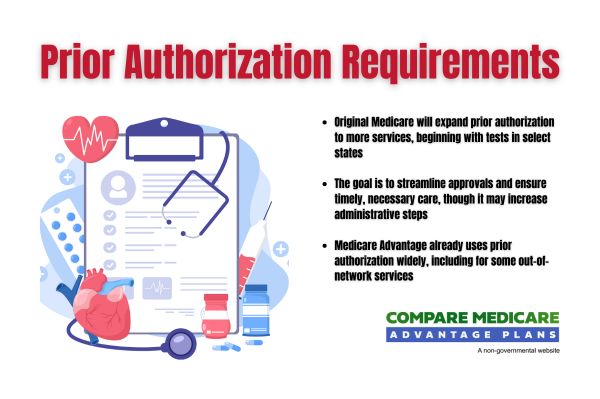
When evaluating Medicare Advantage plans, particularly Blue Cross Medicare Advantage PPO options, understanding the nuances of coverage is essential. These plans don’t just bundle Medicare Parts A and B; many also integrate prescription drug coverage, enriching your healthcare package with broader benefits. Another critical element is prior authorization, which plays a significant role in coverage specifics. It’s important to be aware of these facets as they can impact how you navigate healthcare services and manage costs. We’ll explore how prescription drug plans form part of this coverage and the implications of prior authorization requirements.
How Prescription Drug Plans Are Integrated

Prescription drug coverage is a vital component of many Medicare Advantage plans, including those offered under Blue Cross Medicare Advantage PPO. This integration simplifies healthcare management by consolidating medical coverage and medication needs into a single plan.
When you choose a plan that includes prescription drug coverage, often referred to as Part D, you benefit from more streamlined access to necessary medications. This can be particularly advantageous if you require regular prescriptions, as it lessens the hassle of managing separate plans for medical and drug coverage.
The integration of prescription drug plans with your Medicare Advantage coverage ensures continuity and coherence in health management. Typically, Advantage plans with drug coverage provide a formulary, a list of covered medications, which is essential to review. Knowing what’s included helps avoid unexpected expenses and ensures that your prescriptions align with the coverage. It’s reassuring to have medication needs anticipated within the same program, creating a comprehensive health insurance package addressing both immediate and ongoing medical requirements.
Furthermore, having drug coverage means accessing a wide network of providers and pharmacies that partner with Blue Cross, offering advantageous terms and copayments. It often includes mail-order options, which can be a cost-effective and convenient way to manage regular prescriptions, thus enhancing the convenience and efficiency of your health care.
Moreover, because these plans are part of Medicare Advantage, subscribers enjoy the regulatory protections that come with government oversight, ensuring compliance, safety, and fairness in the prescription drug market.
When exploring Blue Cross Medicare Advantage PPO options, it’s crucial to consider how drug coverage is integrated. This isn’t just about current medication needs but also anticipates future health requirements. Comprehensive plans often extend coverage options that accommodate lifestyle adjustments, geographic relocations, or health changes, which can affect medication accessibility.
As you weigh your options, think about how these integrations can simplify your healthcare, providing peace of mind through consolidated coverage.