What Are Medicare Advantage Plans?
Medicare Advantage plans are a popular choice for many seniors seeking broader healthcare coverage than Original Medicare alone can provide.
These plans combine Part A (hospital insurance), Part B (medical insurance), and often Part D (prescription drug coverage) into one cohesive plan. By enrolling in Medicare Advantage, members can access a range of benefits that extend beyond the coverage provided by traditional Medicare. These often include dental, vision, and hearing services, benefits not typically covered under Original Medicare.
A significant advantage of these plans is that they can simplify your healthcare management by offering integrated care through a network of preferred providers. For seniors who are accustomed to now dealing with multiple Medicare parts separately, an Advantage plan can streamline appointments, coverage, and costs into a single plan with one monthly premium.
Additionally, many plans provide wellness programs and fitness memberships, which can be valuable for maintaining a healthy lifestyle. However, it’s crucial to understand that these Advantage plans might limit your choice of doctors and hospitals due to their network rules, often requiring visits to in-network providers.
It’s essential to check if your preferred physicians and healthcare facilities are part of the plan’s network before committing. Understanding these networks and any associated costs will ensure your choice aligns with your medical and financial needs. Considering the diverse options available and the specific plan structure that fits your lifestyle will help you make a seamless transition from Original Medicare.
How Do Advantage Plans Differ from Original Medicare?

While Original Medicare, which comprises Part A and Part B, offers significant benefits, it does have its limitations. Medicare Advantage plans address some of these gaps by offering more comprehensive coverage options, and understanding their nuances is vital for seniors looking for a holistic healthcare solution. One crucial difference is the inclusion of practice-specific benefits, like dental and vision, under many Advantage plans, which aren’t covered by Original Medicare. This added layer of coverage appeals to those seeking a more inclusive health plan.
Another key difference is cost structure. Medicare Advantage plans often include set copayments and coinsurance, which can offer predictability in healthcare costs, unlike the sometimes unpredictable out-of-pocket costs with Original Medicare.
Furthermore, unlike Medicare’s 20% coinsurance for outpatient care, many Advantage plans cap out-of-pocket expenses annually, providing peace of mind regarding unexpected health expenditures.
However, these advantages come with trade-offs, mainly in flexibility. While Original Medicare provides the freedom to visit almost any doctor or hospital in the country, Medicare Advantage plans usually require members to operate within a specific network of providers, which can reduce healthcare access if you need treatment outside of this network.
This restriction is important to consider for those who travel frequently or have specific medical needs that might require specialist care. Evaluating these differences and understanding how each plan aligns with your lifestyle and health requirements is fundamental in making an informed choice that best supports your medical and supportive needs in retirement.
Exploring Anthem Medicare Advantage HMO Options
When choosing a Medicare Advantage plan, Anthem Medicare Advantage HMO stands out as a popular choice for many seniors. These specific HMO plans boast a network of healthcare professionals and facilities, offering an integrated approach to managing your health. In this section, we’ll delve into what Anthem Medicare Advantage HMO is and the unique advantages it offers to its members.
Understanding these plans can empower seniors to make confident decisions, ensuring that the selected coverage aligns with both healthcare needs and lifestyle preferences.
What is Anthem Medicare Advantage HMO?
An Anthem Medicare Advantage HMO plan, part of the broader family of Medicare Advantage plans offered by Anthem, provides a structured way to manage healthcare. This Health Maintenance Organization (HMO) plan means you’ll generally need to select healthcare providers, including primary care physicians and specialists, who are within the plan’s network.
These networks are designed to facilitate comprehensive care by coordinating services, thus simplifying your medical journey. With Anthem, a brand synonymous with Blue Cross providers, members gain access to a tailored network that supports both quality and cost-effectiveness.
Opting for an Anthem Medicare Advantage HMO plan usually involves choosing a primary care physician (PCP) who coordinates care and serves as a guide within the network. This emphasis on managed care ensures that all your health needs, from preventive services like annual check-ups to more specialized treatments, are addressed effectively.
Moreover, having a PCP fosters continuity of care, which is crucial for proactive health management, especially for seniors.
One appealing aspect of an Anthem Medicare Advantage HMO plan is the comprehensive coverage options that often include additional benefits such as dental, vision, and wellness programs.
These are benefits typically not covered under Original Medicare. Additionally, prescription drug coverage is frequently part of these plans, eliminating the need for a separate Part D plan. It’s vital, however, to verify that your preferred pharmacies and medications are covered under the plan. Understanding these facets can significantly enhance your satisfaction with the plan and ensure it fits your needs.
Advantages of Choosing an Anthem Medicare Advantage HMO Plan
Choosing an Anthem Medicare Advantage HMO plan offers several strategic advantages, particularly for those looking for simplicity and structured healthcare management. One of the principal benefits is cost predictability. You often pay lower monthly premiums with these plans compared to other types of Medicare Advantage plans.
Understanding this aspect is crucial for budgeting, as seniors often appreciate having predictable costs as they manage their healthcare expenses.
Moreover, Anthem’s focus on network-based care means that members usually experience lower copayments when utilizing in-network services, which is an attractive feature for managing frequent healthcare visits. This network model fosters a coordinated approach to healthcare, which is especially beneficial for seniors who may require the services of multiple specialists. Being part of the Blue Cross network, Anthem offers peace of mind regarding the quality and reliability of providers within its service umbrella.
Another significant advantage is access to a variety of additional benefits. Anthem Medicare Advantage HMO plans typically include wellness programs and fitness memberships designed to help maintain and even improve health and wellness. These benefits not only support physical health but also contribute to mental and emotional well-being, important aspects of aging with confidence and vitality.
Lastly, these plans are structured to appeal to those who prefer a simplified healthcare experience, as integrating all services through a single plan streamlines appointments and coverage management. However, it’s wise to ensure that your care providers are within Anthem’s network to fully benefit from the coordinated care model.
By understanding these advantages, seniors can position themselves to make the most out of their healthcare coverage, aligning it closely with their personal health needs and lifestyle goals.
Benefits and Coverage of HMO Plans
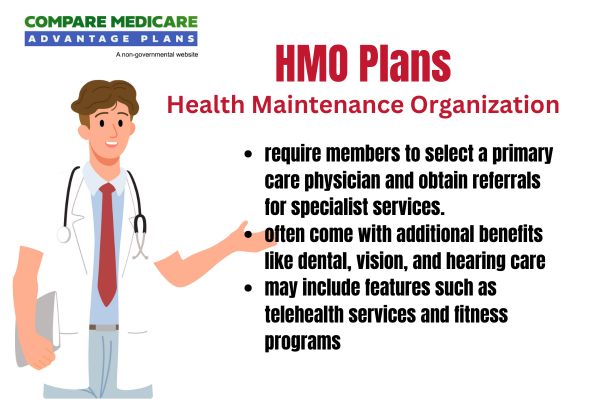
HMO plans, a popular choice for seniors exploring Medicare Advantage options, offer unique benefits and tailored coverage. These plans are designed to provide comprehensive healthcare management through a network of healthcare providers. By understanding what HMO plans typically cover and who can benefit from them, seniors and their caregivers can make informed decisions that align with their healthcare needs and financial situations.
Let’s delve into the specifics of HMO plans, how they work, and the type of coverage they include to help guide your choices in healthcare management.
What Do HMO Plans Typically Cover?
HMO plans are known for offering a range of healthcare services that go beyond what Original Medicare covers. Typically, these plans include hospital stays, doctor visits, preventive care, and prescription drug coverage, all consolidated under one comprehensive plan. This integration allows for better coordination of care, ensuring that all aspects of a member’s health are addressed in a streamlined manner.
Many seniors find this coordinated approach reduces the complexity involved in managing multiple providers and services, often leading to a more satisfying healthcare experience.
Beyond basic health needs, HMO plans usually cover specialized services such as dental, vision, and hearing care, which are not included in Original Medicare.
This additional layer of coverage can be crucial for those who require regular check-ups or treatments in these areas. The inclusion of wellness programs and preventive services, like flu vaccinations and health screenings, is another highlight, focusing on maintaining overall well-being.
Importantly, HMO plans require members to select a primary care physician (PCP) within their network. This PCP is pivotal in managing care, providing referrals to specialists, and ensuring that all services align with the member’s healthcare needs. While this network requirement can sometimes limit provider choice, it significantly enhances care coordination and can lead to cost savings for many seniors.
It’s essential to verify that your preferred doctors and facilities are part of the HMO network to maximize the plan’s benefits and minimize out-of-pocket costs.