Differences Between HMO and PPO Medicare Advantage Plans

Understanding the differences between HMO and PPO Medicare Advantage plans could be key to choosing the right coverage. HMO plans could help keep costs down by requiring you to use a network of providers and get referrals for specialists. PPO plans offer greater flexibility, allowing out-of-network visits without referrals, but usually at a higher cost. This article will help you navigate these options to find the best fit for your healthcare needs.


Key Takeaways

  • Medicare Advantage Plans, including HMO and PPO, provide comprehensive healthcare coverage, bundling Medicare Part A and Part B, and sometimes additional benefits such as drug coverage, vision, and dental care.


  • HMO plans require members to use in-network providers and obtain referrals for specialists, which may lead to lower costs but less flexibility, while PPO plans offer greater flexibility with both in-network and out-of-network provider access without referrals but at a higher cost.


  • Choosing between HMO and PPO plans will likely involve assessing individual healthcare needs, provider availability, the potential costs, and additional benefits, with HMO plans might be more cost-effective and PPO plans could provide broader access to specialists.

Compare Plans in One Step!

Enter Zip Code


 Advertisement

Overview of Medicare Advantage Plans

Understand Medicare Advantage Plans


Medicare Advantage Plans, also known as Part C, are offered by private insurance companies and could act as an alternative to Original Medicare. These plans bundle Medicare Part A (hospital insurance) and Part B (medical insurance) into one comprehensive health insurance plan. Unlike Original Medicare, some Medicare Advantage Plans may also include additional benefits such as:

  • Prescription drug coverage
  • Vision care
  • Hearing care
  • Dental care


There are several types of Medicare Advantage Plans, including:

  • Health Maintenance Organization (HMO) plans
  • Preferred Provider Organization (PPO) plans
  • Private Fee-for-Service (PFFS) plans
  • Special Needs Plans (SNPs)
  • Medical Savings Accounts (MSAs) and medicare plans


Among these, Medicare HMO and PPO plans have been the most plans common and will be the focus of our comparison. Both HMO and PPO plans offer comprehensive coverage under one plan, but they may differ significantly in terms of provider access, flexibility, and cost. When considering Medicare HMO vs PPO plans, it’s essential to evaluate your healthcare needs.

Some Medicare Advantage Plans might charge a monthly premium in addition to the standard Part B premium. Certain plans may offer additional benefits and services that are not typically covered by Original Medicare, possibly making them an attractive option for many beneficiaries.

Understanding the various differences between HMO and PPO plans could help you choose the right plan to meet your healthcare needs and lifestyle.


What is an HMO Plan?


What is an HMO Plan - Medicare Advantage Plans


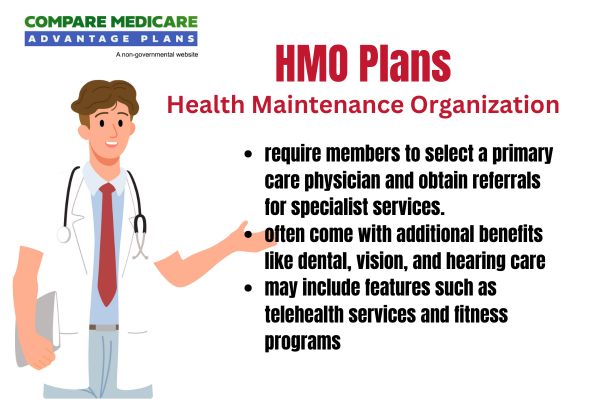
A Health Maintenance Organization (HMO) plan is a type of Medicare Advantage Plan that typically covers most Medicare Part A and Part B benefits, and might incorporate prescription drug coverage. HMO plans have been well-known for their lower costs and structured approach to healthcare. However, these plans come with specific requirements that members must follow to receive medicare contract coverage.

One of the primary characteristics of HMO plans is the requirement to use healthcare providers within the plan’s network:

  • Members must seek medical services from in-network providers except in cases of emergencies or approved urgent care.
  • This requirement may help to avoid incurring full out-of-pocket expenses.
  • The network restriction has been designed to help keep costs low.
  • However, this may limit flexibility in choosing a doctor in network.


Members of HMO plans are typically required to select a primary care physician (PCP) who will coordinate their healthcare needs. This PCP acts as a gatekeeper for plan members, providing referrals to specialists when necessary. While this could help to ensure a coordinated care approach, it may also add an extra step for members needing specialist care.

Some HMO plans may allow for out-of-network services, but this might comes at a higher cost to the member. The choice between HMO and PPO plans will likely hinge on this trade-off between cost savings and the flexibility to choose healthcare providers without network restrictions.


What is a PPO Plan?

A preferred provider organization (PPO) plan is another type of Medicare Advantage Plan that could offer greater flexibility in choosing healthcare providers. Plan features might include:

  • Allows members to use both in-network and out-of-network providers without requiring referrals.
  • Offers greater flexibility compared to HMO plans.
  • This may be particularly advantageous for those who frequently travel.
  • PPOs might be suitable for those who prefer a wider selection of healthcare providers, such as those within a medicare PPO network and preferred provider organizations.


PPO plans provide coverage for out-of-network services, albeit at a higher cost. Members may see specialists without needing a referral, which could potentially simplify access to specialized care. However, it is important to note that out-of-network care under a PPO plan may also incur higher out-of-pocket costs compared to in-network services.

Overall, PPO plans could offer a more adaptable approach to healthcare, allowing members to choose from a broader range of providers and avoid the referral process. This increased flexibility might come with higher costs, making it essential for beneficiaries to weigh their healthcare needs and budget when selecting a plan.


Coverage Differences Between HMO and PPO Plans

Understanding the coverage differences between HMO and PPO plans will likely be key to making an informed decision. HMO plans require all care to be provided within the network, emphasizing cost-control and coordinated care through a primary care physician. In contrast, PPO plans offer more freedom in choosing healthcare providers, both in and out of the network, without needing referrals for specialists.

PPO plans provide coverage for out-of-network services, but at a higher cost compared to in-network care. This flexibility could be particularly beneficial for those who need access to a wider range of specialists or frequently travel. On the other hand, HMO plans generally do not cover out-of-network providers, except in emergencies or approved urgent care situations.

Both plan types will likely offer lower costs for in-network services, but PPO plans may have higher overall costs due to the out-of-network care option. Choosing between HMO and PPO plans will likely involve balancing the need for flexibility with the desire to minimize healthcare expenses.

Compare plans and enroll online


 Advertisement

Speak with a licensed insurance agent

1-833-641-4938
TTY 711

Mon-Fri : 8am-9pm ET

compare medicare advantage plans

Cost Comparison: HMO vs. PPO

When comparing the costs of HMO and PPO plans, it’s clear that HMO plans will likely come with lower monthly premiums. This could make them an attractive option for individuals looking to save on their monthly healthcare expenses. However, the trade-off is the need to stay within the plan’s network and follow the referral process for specialist care.

PPO plans, on the other hand, may charge a higher monthly premium in addition to the standard Part B premium. These plans may also come with higher out-of-pocket costs for out-of-network care, which might vary by plan. However, both HMO and PPO plans may charge copayments to pay for covered healthcare services after deductibles are met, such as considerations for cost sharing.

Ultimately, the choice between HMO and PPO plans will likely depend on your financial situation and healthcare needs. Those who prioritize lower costs and don’t mind network restrictions may prefer HMO plans, while those who value flexibility and broader provider access might opt for PPO plans despite the higher costs.

Prescription Drug Coverage
 

Prescription Drug Coverage - Medicare Advantage Plans


Prescription drug coverage may be a critical component for some Medicare Advantage Plans. Both HMO and PPO plans may include options for Medicare prescription drug coverage. However, the specific medications covered might vary by plan, making it essential to verify that your required medications may be included.

For HMO and PPO plans regarding drug coverage:

  • HMO plans without drug coverage do not allow members to enroll in a separate Medicare drug plan.
  • PPO plans without drug coverage may also restrict members from obtaining a separate Medicare drug plan.
  • Some PPO plans may include drug coverage, but it’s important to confirm this benefit when selecting a plan.


Choosing a Medicare Advantage Plan based on prescription drug coverage will likely involve evaluating the specific medications you need and ensuring they are covered under the plan’s formulary. This could help avoid unexpected out-of-pocket expenses and may help to ensure you receive the necessary medications.


Choosing the Right Plan Based on Healthcare Needs

Selecting the right Medicare Advantage Plan will likely depend on your individual healthcare needs and financial situation. Possible factors to consider might include where you live, the availability of doctors and specialists, and your monthly budget. Evaluating these factors will likely help you determine whether an HMO or PPO plan is the better fit.

PPO plans may offer out-of-network flexibility, likely making them ideal for individuals who travel frequently or need access to a broader range of healthcare providers. HMO plans might be more cost-effective for those who stay close to home and prefer a coordinated care approach through a primary care physician.

Ultimately, choosing doctors the right plan involves considering every aspect of your care, including the provider network availability, specialist access, and the possible cost that may vary depending on a specific network and individual circumstances within a larger network. Taking the time to evaluate these factors will likely lead to a more informed and satisfactory health care providers experience.


Flexibility and Provider Networks

Flexibility in choosing healthcare providers may be a significant difference between HMO and PPO plans:

  • PPO plans offer greater adaptability.
  • Members could use both in-network and out-of-network providers without needing referrals.
  • This flexibility may be especially beneficial for individuals who travel frequently and need access to a broader range of providers.


Key points about HMO and PPO plans:

  • HMO plans require members to utilize network providers for planned services.
  • This network restriction might help to control costs but may also limit flexibility in choosing healthcare providers.
  • Using out-of-network providers under a PPO plan will likely incur higher expenses than in-network options, especially when considering the plan’s network.


PPO plans also allow members to avoid referrals to see specialists, possibly enhancing convenience and access to specialized care. This increased flexibility could be a deciding factor for those who prefer a more open approach to their healthcare options.


Enrollment and Switching Plans
 

Enrollment and Switching Plans - Medicare Advantage Plans


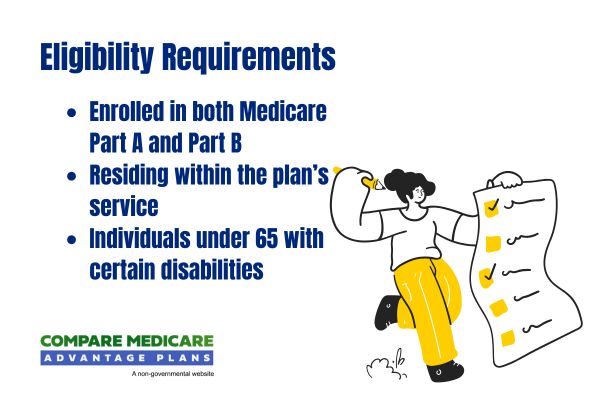
Enrolling in a Medicare Advantage Plan requires being enrolled in both Medicare Part A and Part B. The Initial Enrollment Period allows new beneficiaries to join any Medicare Advantage Plan within three months before or after their Medicare coverage begins. This period is crucial for those new to Medicare to choose the right plan that fits their needs.

For those already enrolled in a Medicare Advantage Plan, the Medicare Advantage Open Enrollment Period runs from January 1 to March 31. During this time, beneficiaries can make changes to their plan, such as switching from an HMO to a PPO or vice versa. This flexibility allows individuals to adjust their coverage based on changing healthcare needs.

Special Enrollment Periods offer additional opportunities to switch plans in specific life situations, such as moving to a new area or losing other coverage. Understanding these enrollment periods and the flexibility they offer could help ensure continuous and appropriate healthcare coverage.


Potential Benefits and Services

Some Medicare Advantage Plans might offer additional benefits and services that could go beyond standard Medicare coverage. These supplemental benefits may include vision care services, like eye exams or eyewear, and hearing aid coverage. These potential benefits could significantly enhance the overall value of the plan.

These additional benefits could potentially play a crucial role in choosing the right Medicare Advantage Plan. Evaluating the availability and relevance of these services based on your healthcare needs will likely lead to a more comprehensive and satisfying healthcare experience.


Summary

Both HMO and PPO Medicare Advantage Plans offer distinct advantages and trade-offs. HMO plans provide cost-effective, coordinated care through a network of providers, while PPO plans offer greater flexibility and broader access to healthcare providers at a higher cost. Understanding these differences will likely be essential for making an informed choice that aligns with your healthcare needs and financial situation.

Ultimately, the best plan for you will likely depend on your individual circumstances, including your healthcare needs, travel habits, and preferences for provider access. By carefully evaluating these factors, you can select a Medicare Advantage Plan that provides the right balance of coverage, convenience, and cost-effectiveness.

Frequently Asked Questions


What are the main differences between HMO and PPO Medicare Advantage Plans?

HMO plans mandate the use of in-network providers and referrals for specialist visits, whereas PPO plans provide greater flexibility with the option of out-of-network care and no referral requirement. Thus, if you value unrestricted access to various healthcare providers, a PPO may be more suitable for you.


Can I get prescription drug coverage with both HMO and PPO plans?

Both HMO and PPO plans may occasionally integrate prescription drug coverage; however, it is essential to confirm that your specific medications might be included in the plan’s formulary.


What are the cost differences between HMO and PPO plans?

HMO plans may offer lower monthly premiums and out-of-pocket costs for in-network services, whereas PPO plans might feature higher premiums and costs for out-of-network care. Therefore, choosing between them largely hinges on your healthcare needs and preferences for provider flexibility.


How do I choose the right Medicare Advantage Plan for my needs?

To choose the right Medicare Advantage Plan, assess your healthcare needs, location, provider availability, budget, and travel habits. HMO plans may suit those who prefer local care, while PPO plans provide greater flexibility for travelers.


When can I enroll or switch Medicare Advantage Plans?

You can enroll or switch Medicare Advantage Plans during the Initial Enrollment Period, from January 1 to March 31 during the Medicare Advantage Open Enrollment Period, or through Special Enrollment Periods in specific life situations. Ensure you take note of these time frames to manage your healthcare coverage effectively.

call today for help

 ZRN Health & Financial Services, LLC, a Texas limited liability company

Find & Compare Plans Online 


 Advertisement

Speak with a licensed insurance agent

 1-833-641-4938
TTY 711

Mon-Fri : 8am-9pm EST

( Medicare Expert )

Russell Noga is the CEO of ZRN Health & Financial Services, and head content editor of several Medicare insurance online publications. He has over 15 years of experience as a licensed Medicare insurance broker helping Medicare beneficiaries learn about Medicare, Medicare Advantage Plans, Medigap insurance, and Medicare Part D prescription drug plans.