Why Dental Insurance is Important in Retirement

As we age, our dental needs change. For seniors, maintaining oral health is vital not simply for a confident smile, but also for overall health.
Dental insurance becomes a senior’s ally in ensuring they receive necessary care without the stress of overwhelming costs. With different plans, such as Cigna dental and Delta Dental, coverage extends to various services and treatments, making dental visits less of a financial burden.
These dental plans vary in benefits and policies, offering a wide range of coverage, from preventive services to more comprehensive treatments like fillings, crowns, and even dentures.
Supplemental dental insurance for seniors plays a pivotal role, especially when Medicare doesn’t cover certain treatments. While Medicare provides a lot of benefits for general health, its coverage for dental procedures is limited.
This gap makes supplemental dental insurance a valuable addition. Seniors often face higher risks for dental issues such as gum disease, and regular visits to a dentist become essential.
Insurance can help cover these treatments, reducing out-of-pocket expenses and providing a network of dentists to choose from. Through well-selected coverage, seniors can manage their oral health effectively, benefiting both their wallet and well-being.
Understanding costs is also crucial. Each plan comes with its own set of deductibles and benefits, which can impact overall expenses.
By examining options like standalone dental insurance and Medicare supplement policies, seniors can find a plan that aligns with their needs and budget. It’s essential to address individual concerns, such as cost considerations and the types of treatments covered.
Dental insurance empowers seniors to continue receiving comprehensive care, ensuring long-term oral health and peace of mind during retirement.
Exploring Different Types of Dental Insurance
Understanding dental insurance options for seniors can significantly impact their dental care and financial planning. Among the various types, standalone dental plans and supplemental dental coverage play key roles.
These plans differ in structure and purpose, offering varying benefits for senior dental needs. Deciding which option fits best involves comparing policy features, costs, and coverage differences.
Through exploring these options, seniors can find a plan tailored to their unique requirements and health circumstances, ensuring they maintain a healthy smile without unnecessary financial strain.
What Are Standalone Dental Plans?
Standalone dental plans are a type of insurance dedicated solely to dental care, separate from broader health insurance policies. These plans offer a specific set of benefits focused on covering dental treatments and preventive care.
Seniors might prefer standalone dental plans for their flexible network of dentists and straightforward coverage for procedures like cleanings, fillings, and crowns. By focusing only on dental needs, standalone dental plans typically provide extensive networks and allow seniors to choose from a wide range of services.
Coverage often includes preventive services that regular Medicare does not, which can be a significant advantage for managing oral health during retirement.
Unlike supplemental plans that are added to existing health insurance, standalone dental plans operate independently. They work directly with dental service providers, covering costs that Medicare doesn’t, such as routine exams and more complex procedures.
These plans can be an excellent choice for seniors who need regular dental visits but want to avoid high out-of-pocket expenses.
With companies like Delta Dental and Cigna Dental offering competitive plans, there’s plenty of room to find a policy that matches specific needs without unnecessarily overlapping benefits. This separation enables a clear understanding of what each plan covers, aiding in managing the financial aspects of dental care with confidence.
The advantage plan is another area where seniors might explore benefits, particularly if interested in a bundled approach with healthcare. However, standalone dental plans provide a distinct advantage for they focus solely on dental needs without coupling with broader health services.
Cost considerations and the simplicity of handling a separate dental insurance policy can be reassuring, helping seniors make informed decisions that align with both their dental needs and budget.
The Role of Supplemental Dental Coverage
Supplemental dental coverage is designed to complement existing health insurance plans, like Medicare, by covering dental services that aren’t typically included.
As healthcare needs evolve, supplemental dental plans allow seniors to extend their coverage beyond standard limits. This type of policy covers many procedures that standalone dental plans do not, making it a vital component of a comprehensive healthcare strategy for seniors.
Supplemental insurance usually requires a primary health policy, like Medicare or a Medicare Advantage plan, to build on, addressing gaps left by these traditional plans.
For seniors, the financial peace of attractive supplemental plans is substantial. When regular Medicare falls short, especially in more advanced treatments like gum surgery or dentures, supplemental coverage steps in to cover a significant portion of these costs.
It effectively reduces the financial burden of high expenses, providing access to a network of qualified dentists and specialists. Many seniors find this added layer of insurance pivotal for maintaining their oral health without apprehension over treatment costs.
Supplemental plans also emphasize preventive care, aligning with the needs of seniors to avoid more severe dental issues. By investing in a strong supplemental dental policy, the overall healthcare strategy is strengthened, promoting better long-term health outcomes.
Seniors can focus on aging well, knowing their dental coverage is robust enough to support various needs. With options from trusted providers like Cigna and Delta Dental, supplemental dental coverage represents a proactive approach, essential for those wanting to minimize unexpected dental costs while maximizing their benefits.
Benefits and Limitations of Dental Insurance
Dental insurance offers essential coverage for seniors, providing a way to manage the costs associated with necessary dental care. These policies cover a range of services from preventive check-ups to more complex procedures.
However, it’s crucial to understand the limitations as not all treatments may be included. The benefits encompass peace of mind and financial support, especially in handling routine care and emergency treatments.
Meanwhile, limitations often relate to specific procedures and costs outlined in each plan’s policy. Grasping these intricacies helps seniors make informed decisions about supplemental dental and standalone dental plans.
Common Services and What They Cover
Dental insurance policies for seniors typically cover a variety of services that are crucial to maintaining oral health. Preventive services, such as cleanings, exams, and x-rays, often come at little to no cost to the insured.
These procedures are vital in catching potential issues early on, saving seniors from more costly treatments later. Many plans also cover basic procedures like fillings and extractions, helping manage those necessary but unexpected dental needs.
Understanding these coverage options can relieve the financial pressure of dental care and contribute to long-term health planning.
Beyond basic and preventive care, dental insurance may extend to more complex procedures. Some plans offer coverage for restorative treatments such as crowns and bridges, while others might include partial coverage for dentures and implants.
It’s important to review each plan’s coverage specifics carefully, as they can vary widely. Network restrictions may also play a role in determining which dentists and specialists are available to you.
By choosing an insurance plan with a broad network, seniors can ensure access to a wide range of dental professionals. Coverage specifics aside, deductibles and co-pays can influence the choice of a dental insurance plan. Reviewing these aspects will help determine the overall affordability and suitability of a policy.
Seniors should consider their unique dental needs, including any anticipated dental work, when selecting between supplemental dental and standalone dental insurance options.
By aligning coverage with anticipated services, you can minimize out-of-pocket expenses and maximize your insurance benefits throughout the year.
Understanding Waiting Periods for Coverage
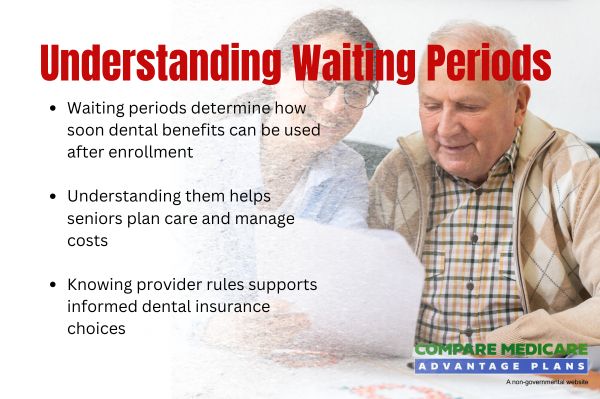
Waiting periods are a common feature in dental insurance policies and represent a period after enrollment before coverage for certain procedures begins. These periods usually apply to major procedures like crowns, bridges, or dentures and can often last from six months to a year.
Understanding waiting periods is crucial when evaluating dental plans to avoid unexpected out-of-pocket costs during this non-coverage timeframe.
The waiting period is a mechanism to prevent new policyholders from immediately using insurance for costly procedures without participating in a long-term policy commitment.
During this time, coverage for preventive services like cleanings and exams is usually available immediately, which encourages regular dental care from the start. By keeping up with these preventive visits, seniors can mitigate the risk of more severe dental issues that require major interventions down the line.
To make the most of your benefits without being surprised, it’s important to fully understand any waiting periods associated with your dental insurance policy. This means carefully reading the policy documents and verifying coverage timelines for all procedures.
Consulting with your insurance provider can also give clarity if there are any uncertainties about when specific coverages activate. Properly understanding these terms can help seniors plan ahead for more comprehensive services, ensuring steady access to necessary dental care over time.
As seniors explore their insurance options, they should weigh the benefits and drawbacks of plans with and without waiting periods to find one that aligns with their personal health strategy and financial situation.