Impact of Network Restrictions on Rural and Urban Areas
Network restrictions impact rural and urban areas differently. For instance, with each 10 percentage point increase in Medicare Advantage penetration, rural hospitals experienced a reduction in Medicare inpatient days by 0.87%. Rural hospitals had significantly fewer Medicare inpatient days on average compared to urban hospitals.
Urban hospitals showed a slight increase in Medicare inpatient days with each 10 percentage point increase in Medicare Advantage penetration. This difference underscores the unique challenges in rural areas, where limited provider networks can significantly impact access to care and the financial stability of local hospitals.
Medicare Advantage beneficiaries typically remain with their plans for a year, but they may lose access to preferred providers if those providers leave the network. This can be particularly challenging in rural areas where healthcare options are already limited.
The Role of Prior Authorization and Referrals
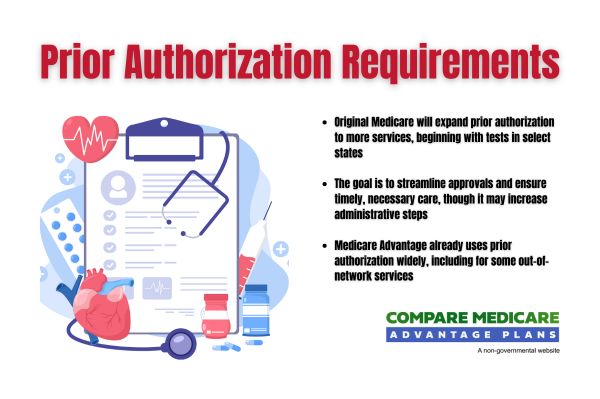
Prior authorization is a significant factor in Medicare Advantage plans. Unlike traditional Medicare, which rarely requires prior authorization, Medicare Advantage plans frequently impose these requirements for various types of care. This can impact access to medical specialists and other health care providers, delaying necessary treatments.
The specific requirements for prior authorization can vary by plan, making it essential for enrollees to familiarize themselves with their plan’s rules. Understanding these requirements can help you avoid delays and ensure you receive the care you need promptly.
Referrals are another critical component. Many Medicare Advantage plans require referrals from primary care physicians to see specialists. This can create additional barriers, especially for those needing urgent care or managing chronic conditions. Familiarity with your plan’s referral rules can help you navigate these challenges more effectively.
Choosing the Right Medicare Advantage Plan
Evaluating several factors is crucial in choosing the right Medicare Advantage plan, including part c considerations. Start by considering the total costs, including premiums, deductibles, out-of-pocket expenses, and additional costs. Most Medicare Advantage plans provide additional benefits not covered by original Medicare, unlike original medicare, such as vision and dental care. These extra benefits can make a significant difference in your overall healthcare experience, and it’s important to explore your medicare coverage options.
Check the network of healthcare providers to ensure your preferred doctors and hospitals are included in the plan. Additionally, consider whether the plan includes prescription drug coverage for your preferred pharmacies, as this can significantly affect prescription medication costs.
Finally, take advantage of open enrollment and special enrollment periods to switch plans if needed. Evaluating your current plan and comparing it with available options can help you find the Medicare Advantage plan that meets your healthcare needs and budget.
How to Get Help with Medicare Advantage Network Issues
If you encounter issues with your Medicare Advantage network, several resources are available to help. The Medicare Helpline at 1-800-MEDICARE provides assistance with network issues and other Medicare-related questions. The Social Security Administration (SSA) can assist with enrolling in Medicare and applying for financial aid related to drug costs.
State Health Insurance Assistance Programs (SHIPs) offer free counseling to help Medicare recipients make informed decisions about their coverage. These programs offer personalized assistance to help you navigate network restrictions and other challenges.
Additionally, State Medical Assistance Offices provide information on programs that help with health and nursing home costs for low-income individuals. Utilizing these resources can ensure you receive the support needed to manage your Medicare Advantage plan effectively.