






Medicare Advantage vs Traditional Medicare 2026
Choosing between Medicare Advantage vs Traditional Medicare 2026 can impact your healthcare and finances. This article explains the key differences in costs, coverage, and new updates to help you make the best decision.
Key Takeaways
- Original Medicare offers greater flexibility in choosing healthcare providers without network restrictions, while Medicare Advantage plans typically require using specific networks and may involve referrals for specialist care.
- In 2026, Medicare costs will increase, with rising premiums and deductibles, but Medicare Advantage plans may offer lower upfront costs with additional benefits, leading to a trade-off between premiums and out-of-pocket expenses.
- Annual plan reviews are essential, as 2026 will see changes to premiums, coverage options, and the introduction of chronic disease management benefits, emphasizing the need for beneficiaries to adjust their plans according to evolving healthcare needs.
Compare Plans In One Step!
Doctor and Hospital Choices
When it comes to choosing doctors and hospitals, Original Medicare offers unparalleled flexibility. Beneficiaries can visit any doctor or hospital across the United States that accepts Medicare, providing a vast array of options without the need for referrals or prior authorization for most services.
This means you can seek medical care from top specialists and renowned healthcare centers nationwide, ensuring you get the best possible treatment without geographical restrictions.
Medicare Advantage plans usually require using a network of specific doctors and providers for non-emergency care, which can limit your choices. They often require referrals to see specialists, adding an extra step to your healthcare journey.
Emergency and urgent care services are covered nationwide under Medicare Advantage plans, ensuring care in critical situations regardless of location.
Costs and Premiums
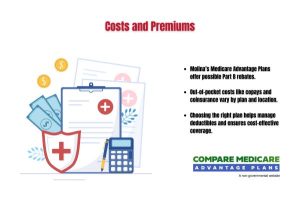
Effective financial planning requires understanding Medicare costs. In 2026, the changes include:
- The standard monthly premium for Medicare Part B premium will rise to $202.90.
- The annual deductible for Part B will increase to $283 from $257 in 2025.
- The Part A deductible for inpatient hospitalizations will rise to $1,736. Additionally, b premium will also be affected by these changes.
These cost increases highlight the need to budget for medical expenses.
Medicare Advantage plans often present a different cost structure. While these plans may have lower monthly premiums compared to Traditional Medicare, they typically involve cost-sharing through co-pays and coinsurance for medical services.
For instance, many enrollees might find themselves paying less upfront but facing higher out-of-pocket costs for specific services. Most Medicare Advantage plans may also vary in their coverage options.
Medicare Advantage plans often include extra benefits such as gym memberships, which can help offset medical costs. Despite higher costs for some services, these plans can offer affordable coverage options through supplemental benefits like dental care and vision care, not covered by Original Medicare.
This can lead to a trade-off between paying higher premiums for broader coverage or choosing a plan with lower premiums but higher out-of-pocket expenses. These considerations are crucial when comparing the overall cost of your healthcare.
Coverage Differences
When evaluating coverage, the differences between Medicare Advantage and Traditional Medicare become even more apparent. Original Medicare primarily covers core benefits through Part A (hospital insurance) and Part B (medical insurance).
This includes inpatient hospital stays, outpatient care, and preventive services, but it does not cover additional benefits like dental, vision, or fitness memberships.
Medicare Advantage plans, on the other hand, often include a variety of supplemental benefits that go beyond the core offerings of Original Medicare. For example, many Medicare Advantage plans provide coverage for over-the-counter medications, transportation services for doctor visits, and even gym memberships.
Moreover, dental and vision care, which are generally excluded from Original Medicare, are typically covered under Medicare Advantage plans.
The landscape of supplemental benefits is changing. In 2026, fewer Medicare Advantage plans will offer benefits like fitness and nutrition support, while coverage for acupuncture and telehealth services will expand.
Additionally, Special Supplemental Benefits for the Chronically Ill are projected to decline. These shifts underscore the need to review your plan options annually to ensure they still meet your healthcare needs.
Prescription Drug Coverage

Prescription drug coverage, or Medicare Part D, is another critical area where Medicare Advantage and Traditional Medicare differ. Under both plans, Medicare prescription drug coverage includes different formularies and cost-sharing responsibilities, making it essential to understand your specific plan’s details.
In 2026, the total out-of-pocket spending limit for covered Part D drugs will be set at $2,100, providing a clear cap on your expenses.
Moreover, Medicare Part D plans will introduce zero cost-sharing for adult vaccines in 2026, a significant benefit for Medicare beneficiaries. This change underscores the importance of staying informed about updates to your prescription drug coverage to maximize your benefits and minimize your out-of-pocket costs.
Grasping these key features can help you make informed decisions about your prescription drug plans and prescription coverage.
Compare plans and enroll online

Out-of-Network Services

Original Medicare covers flexibility by covering a broad range of services from any provider who accepts Medicare, ensuring you can access medical services nationwide without network restrictions.
In contrast, Medicare Advantage plans might cover out-of-network services, but often at a higher cost. Utilizing out-of-network providers can result in significantly higher out-of-pocket expenses, and these costs typically do not contribute to your out-of-pocket maximum.
Some plans also require pre-approval for out-of-network services, adding an additional layer of complexity to accessing care.
However, in emergencies, Medicare Advantage plans reimburse out-of-network care at in-network rates, ensuring you are covered in critical situations without added costs.
Geographic Considerations
Geographic considerations play a significant role in choosing between Medicare Advantage and Traditional Medicare. While Original Medicare provides unrestricted access to healthcare providers across the nation, Medicare Advantage plans typically operate within specific geographic areas.
Moving outside of your plan’s network can result in a loss of coverage for healthcare services, making it crucial to consider your lifestyle and future plans when choosing a Medicare Advantage plan.
Some PPO Medicare Advantage plans offer out-of-network services at a higher cost, providing more flexibility compared to HMO plans. This flexibility can be a key factor in choosing a plan option.
Annual Plan Reviews

Reviewing your Medicare plan annually ensures it continues to meet your healthcare needs and financial situation. Changes in premiums, coverage, and provider networks occur every year, so staying informed is crucial.
Adjusting your plan in response to changes in healthcare needs, such as new prescriptions or diagnoses, can help manage medical expenses more effectively.
The Annual Enrollment Period, from October 15 to December 7, is the ideal time to review and compare plan options.
Assistance during your annual review can help maximize benefits and minimize costs. By making informed decisions during this period, you can switch to plans with better coverage or lower costs, ensuring you receive the best possible care.
Switching Plans
Switching plans can seem daunting, but understanding the timelines and processes simplifies it. The Medicare Open Enrollment period, from October 15 to December 7, allows you to switch to Traditional Medicare or change your Medicare Advantage plan.
If you switch during the Medicare Advantage Open Enrollment Period, from January 1 to March 31, your coverage changes take effect the following month.
To transition from Medicare Advantage to Traditional Medicare:
- Contact your current plan to cancel enrollment.
- Enroll in a separate prescription drug plan (PDP) to avoid late enrollment penalties.
- Acquire a Medigap policy to help cover additional costs, noting that eligibility may depend on the duration of your prior Medicare Advantage enrollment.
Understanding these steps and acting within the enrollment periods helps avoid penalties and ensures continuous coverage. Failing to act during the enrollment period can result in penalties related to late enrollment in Medicare.
New for 2026
The year 2026 brings several noteworthy changes to Medicare. The average premium for standalone Part D plans is expected to decrease to $34.50, down from $38.31 in 2025.
Similarly, Medicare Advantage plans that include prescription drug coverage will see an average Medicare premium drop to $11.50, compared to $13.32 in 2025. These reductions in premiums can provide significant savings for Medicare beneficiaries.
Additionally, ten high-cost prescription medications will be available at reduced prices due to Medicare negotiations starting in 2026. However, certain non-medical benefits offered by Medicare Advantage plans, such as coverage for alcohol and cosmetic procedures, will be restricted in 2026.
Beneficiaries using the Medicare Plan Finder will have better access to integrated provider networks and the plan’s network, enhancing their ability to make informed decisions.
Chronic Disease Management
Medicare Advantage plans will introduce new benefits aimed at chronic disease management in 2026. These enhancements include:
- Improved care coordination
- Enhanced preventive services
- More clearly defined Special Supplemental Benefits for the Chronically Ill to enhance their effectiveness
These changes are expected to ensure better health outcomes for enrollees with chronic conditions. Integrated health risk assessments will be mandated for dual-eligible special needs plans, streamlining care for individuals with chronic conditions.
The Centers for Medicare & Medicaid Services and Medicare Medicaid Services CMS is also working to close gaps in appeals processes that impact chronic disease management, ensuring better support for those in need.
Prior Authorization Requirements
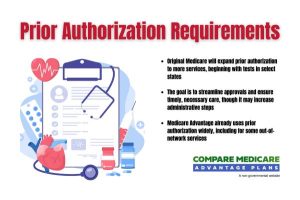
Starting January 1, 2026, prior authorization will be implemented in six states under Traditional Medicare, focusing on 17 specific outpatient services. These states include:
- New Jersey
- Ohio
- Oklahoma
- Texas
- Arizona
- Washington
This pilot program aims to streamline coverage decisions and ensure appropriate use of medical services.
Starting in 2026, standard prior authorization requests for Medicare Advantage plans must be completed within a 7-day timeframe.
Additionally, prior authorizations will remain valid for the entire treatment duration, even if patients switch providers or plans, reducing administrative burdens and ensuring continuity of care.
Maximum Out-of-Pocket Limits
In 2026, the following changes and requirements apply to Medicare plans:
- The cap for in-network out-of-pocket expenses for Medicare Advantage plans will decrease to $9,250, down from $9,350 in 2025.
- Medicare Advantage plans must announce their out-of-network maximum out-of-pocket limits for 2026 before the end of the year.
- The out-of-pocket cap for Medicare Part D plans will increase to $2,100 in 2026.
These changes underscore the importance of understanding your plan’s out-of-pocket limits to manage healthcare expenses effectively.
Summary
Choosing between Medicare Advantage and Traditional Medicare involves careful consideration of various factors, including doctor and hospital choices, costs, coverage, and new changes for 2026. While Original Medicare offers unparalleled flexibility in provider choices and nationwide coverage, Medicare Advantage plans provide additional benefits like dental and vision care but come with network restrictions.
Staying informed about annual changes and reviewing your plan options can help you maximize your benefits and minimize your costs. With new updates for 2026, including reduced premiums and enhanced chronic disease management, it’s crucial to evaluate your healthcare needs and make decisions that best suit your situation. Remember, the right choice can significantly impact your health and financial well-being.
Frequently Asked Questions
→ What are the main differences between Medicare Advantage and Traditional Medicare?
Medicare Advantage plans provide additional benefits such as dental and vision care, but may limit provider choices due to network restrictions. In contrast, Traditional Medicare offers a wider selection of healthcare providers without these extra benefits.
→ How do the costs of Medicare Advantage plans compare to Traditional Medicare?
Medicare Advantage plans usually feature lower monthly premiums but may entail higher out-of-pocket expenses for certain services. In contrast, Traditional Medicare tends to have higher premiums and deductibles, providing more predictable cost structures for services.
→ What new changes are coming to Medicare in 2026?
In 2026, Medicare will implement reduced premiums for Part D plans, lower costs for high-cost prescription medications, and introduce new benefits for chronic disease management within Medicare Advantage plans. These changes aim to enhance affordability and support for beneficiaries.
→ How does prescription drug coverage differ between Medicare Advantage and Traditional Medicare?
Prescription drug coverage in Medicare Advantage and Traditional Medicare varies in terms of formularies and cost-sharing. While both plans include Part D, Medicare Advantage often has more structured benefits and may feature lower premiums, whereas Traditional Medicare may offer more flexibility in choosing pharmacies and medications.
→ What should I consider when switching from Medicare Advantage to Traditional Medicare?
When switching from Medicare Advantage to Traditional Medicare, you should consider the enrollment periods, the necessity of enrolling in a separate prescription drug plan, and the advantages of obtaining a Medigap policy to cover additional expenses.
Have Questions?
Speak with a licensed insurance agent
1-833-641-4938
TTY users 711
Mon-Fri: 8am-9pm ET
Find & Compare Plans Online
ZRN Health & Financial Services, LLC, a Texas limited liability company

Russell Noga is the CEO of ZRN Health & Financial Services, and head content editor of several Medicare insurance online publications. He has over 15 years of experience as a licensed Medicare insurance broker helping Medicare beneficiaries learn about Medicare, Medicare Advantage Plans, Medigap insurance, and Medicare Part D prescription drug plans.