Is Medicare Advantage Better Than Medigap?

Is Medicare Advantage better than Medigap? If you’re trying to decide between these two options, there are several factors to consider, including your healthcare needs, budget, and preference for flexibility. This article will break down the key differences in coverage, costs, and other important aspects to help you make an informed decision.


Key Takeaways


  • Medicare Advantage offers bundled coverage, including additional benefits like dental and vision, while Medigap focuses on filling out-of-pocket costs left by Original Medicare.


  • Cost structures differ significantly: Medicare Advantage typically features lower premiums but higher out-of-pocket expenses, whereas Medigap generally has higher premiums but provides more predictable costs.


  • Provider networks vary, with Medicare Advantage often requiring in-network care, limiting provider choices, while Medigap allows beneficiaries to see any Medicare-accepting provider for greater flexibility.

Compare Plans in One Step!

Enter Zip Code


 Advertisement

Understanding Medicare Advantage and Medigap

Is Medicare Advantage Better Than Medigap


Medicare Advantage and Medigap are two primary options available to Medicare beneficiaries looking to supplement their healthcare coverage. While both are offered by private insurance companies, they serve different purposes and provide varying levels of coverage. Medicare Advantage is an alternative to traditional Medicare that bundles various benefits, often including prescription drug coverage, dental, vision, and hearing services. On the other hand, Medigap, also known as Medicare Supplement Insurance, is designed to fill in the coverage gaps left by Original Medicare, covering out-of-pocket costs like copayments, coinsurance, and deductibles.

Choosing between Medicare Advantage and Medigap depends on individual health needs, budget, and lifestyle preferences. The subsequent sections will delve into the specifics of each plan, providing a detailed comparison to help you determine which option best suits your needs. We’ll start by exploring what Medicare Advantage and Medigap are, setting the foundation for a deeper understanding.


What is Medicare Advantage?

Medicare Advantage is an alternative to traditional Medicare. It is also referred to as Medicare Part C and is provided by private insurers. These plans bundle together Medicare Part A (hospital insurance), Part B (medical insurance), and often Part D (prescription drug coverage), providing a comprehensive package. Most Medicare Advantage plans must cover all the services that Original Medicare covers, including inpatient and outpatient care, but they often come with additional benefits like dental, vision, and hearing coverage.

One of the key advantages of Medicare Advantage plans is the inclusion of prescription drug coverage, which means you don’t need to purchase a separate Part D plan. However, it’s important to note that these plans may have different ways of covering out-of-network care. Some plans might only cover in-network services, while others might cover a portion of out-of-network costs. Understanding these nuances can help you make an informed decision about whether Medicare Advantage is right for you.


What is Medigap?

Medigap, also known as Medicare Supplement Insurance, is designed to fill the coverage gaps left by Original Medicare. Unlike Medicare Advantage, Medigap works alongside Original Medicare, helping to cover out-of-pocket costs such as copayments, coinsurance, and deductibles. There are ten standardized types of Medigap plans available, each offering different levels of coverage, allowing beneficiaries to choose a plan that best fits their needs.

Enrollment in Medicare Part B is a requirement for purchasing a Medigap plan. Without being enrolled in Part B, you cannot obtain a Medigap policy. The best time to buy a Medigap plan is during the Medigap open enrollment period, which lasts six months starting when you are 65 or older and have Medicare Part B.

During this period, one insurance company must offer you a Medigap plan, regardless of your health status. This can be particularly beneficial for those with pre-existing conditions, as it ensures access to supplemental coverage without the risk of medical underwriting.


Comparing Costs: Premiums, Copays, and Coinsurance

 

Comparing Costs: Premiums, Copays, and Coinsurance - Better Than Medigap


When choosing between Medicare Advantage and Medigap, cost is a significant factor to consider. Both options have different cost structures, affecting your overall medical costs. Medicare Advantage plans often have lower upfront costs, with many plans offered at a $0 premium. However, it’s important to evaluate factors such as copayments, coinsurance, and hospitalization costs when considering a Medicare Advantage plan.

In contrast, most medigap plans typically come with higher monthly premiums but provide more comprehensive coverage for out-of-pocket costs and medigap premiums. Your budget and travel habits should play a crucial role in your decision-making process.

The following subsections will break down the costs associated with each type of plan, helping you understand the financial implications of your choice.


Monthly Premiums

Medicare Advantage and Medigap plans both require monthly premiums, but their pricing structures differ significantly. Medicare Advantage plans often feature lower monthly premiums compared to Medigap, with many plans offered at a $0 premium. This can make Medicare Advantage an attractive option for those looking to minimize their upfront costs.

On the other hand, purchasing a Medigap plan necessitates an additional monthly premium on top of the Medicare Part B premium. Medigap plans generally have higher monthly premiums, but this cost comes with the benefit of more predictable out-of-pocket expenses.

In summary, while Medicare Advantage plans may offer lower or even $0 premiums, Medigap plans require a separate monthly premium but provide more comprehensive coverage for out-of-pocket costs.


Out-of-Pocket Costs

When comparing Medicare Advantage and Medigap, it’s essential to consider the out-of-pocket costs associated with each plan. Medicare Advantage plans tend to have higher out-of-pocket costs, including copayments and coinsurance, compared to Medigap. This means that while the monthly premiums for Medicare Advantage may be lower, you could end up paying more in medical expenses as you receive care.

Medigap plans, on the other hand, cover many out-of-pocket costs such as inpatient hospital stay deductibles, copayments, and parts a and b coinsurance. They provide coverage for Part A coinsurance, hospital costs, and Part B coinsurance and copayments.

Overall, beneficiaries may encounter higher out-of-pocket costs with Medicare Advantage due to its copayment and coinsurance structure, compared to the protective coverage provided by Medigap.


Coverage Differences: Medical Services and Extra Benefits

The coverage provided by Medicare Advantage and Medigap plans differs significantly, particularly in terms of medical services and extra benefits. Understanding these differences is crucial for making an informed decision about your healthcare coverage. Medicare Advantage plans often provide broader coverage for medical services compared to Medigap plans, including additional benefits like dental, vision, and hearing coverage.

While Original Medicare covers basic medical services, it does not include dental care, vision care, or long-term care unless medically necessary. Medicare benefits and Medicare Advantage plans fill these gaps by offering a range of additional benefits.

The following subsections will explore the specific medical services and extra benefits provided by each type of plan.


Medical Services

Medicare Advantage plans must cover all services that Original Medicare covers, but they often include additional benefits like dental, vision, and hearing coverage. These plans also have varying out-of-pocket limits, providing beneficiaries with protection against high healthcare costs. Starting in 2025, there will be a cap of $2,000 on prescription drug costs for beneficiaries enrolled in Medicare Advantage plans.

In contrast, Medigap policies do not include prescription drug coverage, which must be obtained separately through a prescription drug plan (Part D). Medigap plans help pay for out-of-pocket costs not covered by Original Medicare, such as copayments and coinsurance, including prescription drugs.

There are ten standardized types of Medigap plans available, each offering different levels of coverage. Some plans, like Plans F and C, provided coverage for the Medicare Part B deductible if purchased before January 1, 2020.


Extra Benefits

Medicare Advantage plans often provide additional benefits beyond standard coverage, such as dental, vision, and hearing care. These extras are commonly included in Medicare Advantage plans, making them an attractive option for those seeking comprehensive healthcare coverage.

For example, many Medicare Advantage plans offer eye exams, hearing aids, and dental care as part of their extra benefits. These additional benefits provide enhanced health care options that are not available with Medigap plans.

Choosing a Medicare Advantage plan can therefore offer more extensive coverage for those seeking dental, vision, and hearing services.


Provider Networks: Access and Flexibility

One of the key differences between Medicare Advantage and Medigap is the provider network. Medicare Advantage plans typically have specific networks that limit provider choices, requiring beneficiaries to use in-network providers to minimize costs. This can impact your choice of healthcare providers and your overall flexibility in accessing care.

In contrast, Medigap plans do not involve any network restrictions, enabling beneficiaries to see any doctor or healthcare provider that accepts Medicare. This broader access can be particularly beneficial for those who travel frequently or prefer to have more flexibility in choosing their healthcare services.


In-Network vs. Out-of-Network

 

In-Network vs. Out-of-Network


Medicare Advantage plans typically require beneficiaries to use in-network providers to minimize costs. This means that if you seek care outside of the plan’s network, you may face higher out-of-pocket costs or even lack coverage for certain out of network services. This network restriction can be a significant consideration, especially for those who value the freedom to choose their healthcare providers.

On the other hand, Medigap plans do not have any network restrictions, allowing beneficiaries to see any doctor or hospital that accepts Medicare. This provides greater flexibility and access to a broader range of healthcare providers. For individuals who prioritize having access to various healthcare providers without worrying about network limitations, Medigap is often the preferred choice.


Compare plans and enroll online


 Advertisement

Speak with a licensed insurance agent

1-833-641-4938
TTY 711

Mon-Fri : 8am-9pm ET

compare medicare advantage plans

Travel Considerations

Travel habits can significantly influence your choice between Medicare Advantage and Medigap. Medicare Advantage plans generally have limited service areas, which can be restrictive for those who travel frequently outside their state.

In contrast, Medigap allows access to any provider in the U.S. that accepts Medicare, making it a better option for frequent travelers or those with homes in multiple states.

Enrollment Periods and Eligibility

Understanding the enrollment periods and eligibility requirements for Medicare Advantage and Medigap is crucial to ensuring you get the coverage you need when you need it. Eligibility for Medicare typically requires individuals to be 65 years or older, or to have certain disabilities. Federal law restricts switching Medigap policies unless within the six-month open enrollment period or specific situations arise.

The following subsections will break down the initial enrollment period and special enrollment periods, providing clarity on when and how you can enroll in these plans.


Initial Enrollment Period

The initial enrollment period for Medicare is a seven-month window starting three months before turning 65. During this period, Medicare beneficiaries can sign up for Medicare Advantage plans. This is also the best time to apply for a Medigap policy, which must be done within six months after enrolling in Medicare Part B.

Missing the initial enrollment period can result in penalties or limited options for enrollment. Therefore, it’s essential to be aware of these timelines to avoid any gaps in coverage and fill coverage gaps to ensure you get the plan that best suits your needs.


Special Enrollment Periods

Special enrollment periods are triggered by specific life changes, such as moving out of the service area, losing employer health coverage, or entering a skilled nursing facility. These periods allow you to make changes to your Medicare Advantage or Medigap plans outside of the standard enrollment times.

For example, if your employer health coverage ends, you have an eight-month window to enroll in a new plan. Understanding these special enrollment periods ensures you can adjust your coverage when life circumstances change.


Decision Factors: Health Needs and Lifestyle

Choosing between Medicare Advantage and Medigap involves evaluating your health needs and lifestyle preferences. Important factors to consider include:

  • Provider networks
  • Extra benefits
  • Overall out-of-pocket costs
  • Health needs
  • Budget
  • Chronic conditions


If you have specific health needs or financial constraints, one plan may be more suitable than the other.

Individual preferences also affect the suitability of either Medicare Advantage or Medigap plans. For example, Medicare specialists can provide tailored advice based on your unique healthcare needs and preferences.

The following subsections will discuss how chronic conditions and lifestyle preferences impact your decision-making process.


Chronic Conditions

Those with chronic conditions may find Medicare Advantage plans beneficial due to the inclusion of specialized care and programs. For instance, if you require frequent doctor visits and ongoing medical care, the comprehensive coverage of a Medicare Advantage plan might be ideal.

Reviewing the cost of drugs and equipment, like diabetic supplies, ensures the plan meets your needs. Understanding your specific health needs can help you choose the plan that offers the best support for managing chronic conditions.


Lifestyle Preferences

Your lifestyle preferences can significantly influence your choice between Medicare Advantage and Medigap. For instance, individuals who travel frequently outside their state may find network restrictions of Medicare Advantage plans inconvenient. On the other hand, Medigap offers greater flexibility and access to any provider in the U.S. that accepts Medicare.

For international travelers, Original Medicare coupled with a Medigap plan is often recommended for better flexibility. Considering your travel habits and personal preferences ensures you select a plan that aligns with your lifestyle.


Switching Plans: Flexibility and Limitations

Switching between Medicare Advantage and Medigap plans can have significant implications on your healthcare access and costs. Understanding the flexibility and limitations of switching plans is essential. For instance, when switching from Medicare Advantage to Medigap, consider the following:

  • You may face limitations based on medical underwriting, especially outside of guaranteed issue periods.
  • Your health status could affect your eligibility for a Medigap plan.
  • Your health status could also influence the premiums you pay for a Medigap plan.


Understanding the open enrollment periods and the role of medical underwriting is crucial when considering a switch. The following subsections will provide more details on these aspects.


Open Enrollment Period


Open Enrollment Period


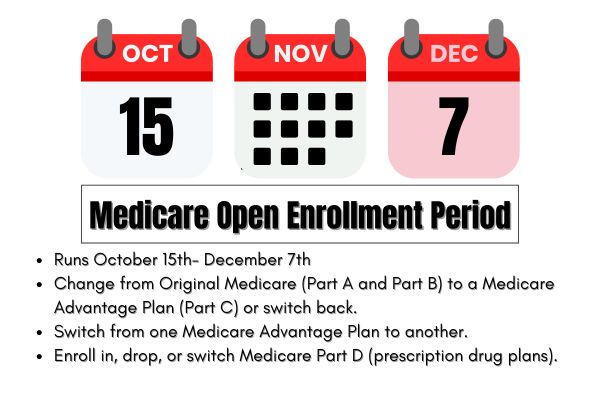
The open enrollment period for Medicare Advantage plans allows beneficiaries to make changes to their coverage once a year. During this annual period, you can switch to a new Medicare Advantage plan or return to Original Medicare.

Being aware of this window ensures you can review and adjust your plan to better suit your evolving healthcare needs.


Medical Underwriting

Medical underwriting is a process used by insurers to evaluate your health status and determine eligibility for Medigap plans. When switching to Medigap outside of guaranteed issue periods, individuals may face higher premiums due to their health status. This can make it challenging to obtain Medigap coverage if you have pre-existing conditions.

Certain states, like Connecticut, have enacted laws guaranteeing year-round access to Medigap insurance plans for their residents. However, the risk of not obtaining Medigap coverage post-switch from Medicare Advantage exists in many states. Understanding these factors is essential when considering a switch between plans.


Getting Help with Your Decision

Deciding between Medicare Advantage and Medigap can be complex, but there are resources available to help. Consulting Medicare specialists or healthcare advisors can significantly aid beneficiaries in making informed decisions. These experts can clarify the differences between plans and offer tailored advice based on your individual healthcare needs.

State Health Insurance Assistance Programs (SHIPs) also provide free local counseling on Medicare options. These programs offer unbiased support and are not affiliated with any insurance companies, ensuring impartial guidance. Utilizing these resources can greatly enhance your decision-making experience, helping you choose the best plan for your needs.


Medicare Specialists

Medicare specialists are invaluable resources for navigating the complexities of Medicare Advantage and Medigap plans. They can help you compare different Medicare plan options, including Part D plans, and understand the implications of each choice. By creating a Medicare account and entering your specific needs, such as drug names, you can assess plan premiums and deductibles more accurately.

Consulting a Medicare specialist ensures you make informed decisions tailored to your healthcare needs.


State Health Insurance Assistance Programs (SHIPs)

State Health Insurance Assistance Programs (SHIPs) provide:

  • Confidential and unbiased guidance from trained volunteers
  • Services adapted to local needs and regulations, offering support unique to your state
  • Help comparing Medicare options without any affiliations to insurance companies, ensuring you receive impartial advice.


Leveraging SHIP services can significantly enhance your understanding of Medicare plans, helping you make the best choice for your healthcare coverage.

Summary

Choosing between Medicare Advantage and Medigap is a critical decision that depends on various factors, including costs, coverage, provider networks, and personal preferences. Medicare Advantage plans offer lower monthly premiums and additional benefits like dental, vision, and hearing coverage, but they come with network restrictions and potentially higher out-of-pocket costs. Medigap plans, while having higher monthly premiums, provide more predictable out-of-pocket expenses and broader access to healthcare providers.

Ultimately, the best choice depends on your individual health needs, budget, and lifestyle. Consulting Medicare specialists and utilizing resources like SHIPs can provide invaluable assistance in making an informed decision. By carefully considering all the factors discussed in this article, you can choose the Medicare plan that best fits your unique needs and ensures comprehensive healthcare coverage.

Frequently Asked Questions


What are the disadvantages to a Medicare Advantage Plan?

Medicare Advantage plans can complicate coverage for procedures, require billing before treatment, limit your choice of healthcare providers, and may not integrate well with other retirement plans. These factors can significantly impact your healthcare experience.


What are the main differences between Medicare Advantage and Medigap?

The key difference is that Medicare Advantage plans combine coverage from Medicare Parts A and B, and often include additional benefits, whereas Medigap supplements Original Medicare by covering out-of-pocket expenses like copayments and deductibles. This distinction is crucial for choosing the right plan based on your healthcare needs.


Can I switch from Medicare Advantage to Medigap at any time?

You can switch from Medicare Advantage to Medigap during the annual open enrollment period, but outside of guaranteed issue periods, you may face medical underwriting, impacting your eligibility and premiums. It’s important to plan your switch carefully to avoid potential complications.


Do Medicare Advantage plans cover prescription drugs?

Yes, most Medicare Advantage plans cover prescription drugs (Part D), eliminating the need for a separate plan. It’s essential to review the specific coverage details of your chosen plan.


What happens if I miss the initial enrollment period for Medicare?

If you miss the initial enrollment period for Medicare, you may face penalties and have limited options for enrolling. It’s crucial to act within the seven-month timeframe around your 65th birthday to avoid complications.

call today for help

 ZRN Health & Financial Services, LLC, a Texas limited liability company

Find & Compare Plans Online 


 Advertisement

Speak with a licensed insurance agent

 1-833-641-4938
TTY 711

Mon-Fri : 8am-9pm EST

( Medicare Expert )

Russell Noga is the CEO of ZRN Health & Financial Services, and head content editor of several Medicare insurance online publications. He has over 15 years of experience as a licensed Medicare insurance broker helping Medicare beneficiaries learn about Medicare, Medicare Advantage Plans, Medigap insurance, and Medicare Part D prescription drug plans.