






How Prior Authorization Works for Medicare Advantage in 2026
In 2026, Medicare Advantage will have new rules for prior authorization. This process ensures treatments are approved before they proceed. The changes will speed up approvals, use advanced tech, and make the process more transparent.
This article explains how prior authorization works: Medicare Advantage 2026, and specifically, how prior authorization works in Medicare Advantage 2026.
Key Takeaways
- In 2026, Medicare Advantage plans will implement new requirements for faster prior authorization, ensuring decisions are made within seven days to enhance patient care access.
- Technology, including AI and electronic systems, will play a critical role in streamlining prior authorization processes, increasing efficiency, and reducing administrative burdens for healthcare providers.
- Healthcare providers must adapt to upcoming changes by optimizing operations and leveraging technology to manage prior authorization effectively while maintaining quality patient care.
Compare Plans In One Step!
Understanding Prior Authorization in Medicare Advantage
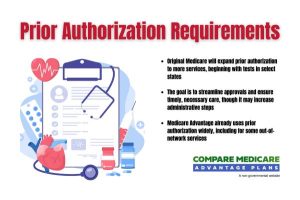
Prior authorization works the same in all states and ensures that specific services or medications are necessary before they are covered in the Medicare system. Providers must obtain prior approval from Medicare prior approval to deliver treatments, confirming that services are essential, cost-effective, and adhere to medical guidelines.
Within Medicare Advantage plans managed by private companies, prior authorization shapes how providers handle patient care and payments. These companies set guidelines that can simplify or complicate the process, requiring healthcare providers to understand these rules to manage patient requests effectively.
Recognizing the differences in prior authorization rules between Medicare Advantage and traditional Medicare is crucial. Although both systems require prior authorization, their rules and processes can vary significantly, affecting how providers deliver care and how patients receive it.
Key Changes to Medicare Advantage Prior Authorization in 2026
In 2026, Medicare Advantage plans will face new requirements to speed up the prior authorization process. Key changes include:
- Faster review times, with standard requests needing a decision within seven calendar days
- Minimizing delays in patient care
- Ensuring timely access to necessary treatments
- Medicare prior authorization changes will also play a role in these updates.
The new rules will also enhance transparency. Healthcare payers must clearly communicate prior authorization denials to patients and publish detailed metrics on approval rates, public reporting, and coverage decisions. This new rule aims to build trust and ensure transparent and fair decisions.
The CMS Interoperability and Prior Authorization Final Rule will utilize advanced technologies like FHIR APIs and electronic prior authorization (ePA) systems.
These tools will enable real-time data exchange, reduce administrative burdens, and improve the efficiency of the prior authorization process, including fast healthcare interoperability resources.
The Prior Authorization Process for Medicare Advantage Plans
Prior authorization is a prerequisite for specific services to be covered by Medicare, ensuring treatments are necessary and appropriate.
The prior authorization processes involve submitting prior authorization requests to Medicare Advantage plans, which review the requests to determine if the services require pre-approval to meet prior authorization requirements for coverage. Medicare prior authorization is an essential part of this process.
Even with advanced technologies, a licensed clinician will still make final decisions on prior authorization requests. This ensures that each request is evaluated based on medical necessity and clinical guidelines, balancing automation with professional judgment.
Recognizing which medical services require prior authorization is crucial for both patients and healthcare providers. This knowledge helps manage reasonable expectations and ensures patients avoid unnecessary services, and certain treatments are not delayed by administrative service hurdles.
Role of Technology and AI in Medicare Advantage Prior Authorization

Technology and artificial intelligence (AI) are revolutionizing the prior authorization process. AI tools streamline workflows, analyze clinical data, and support compliance, reducing the burden on healthcare providers.
By improving the speed, flow, and accuracy of prior authorization requests, AI provides quicker answers and enhances care efficiency for Medicare beneficiaries. Denial management automation tools identify high-risk requests for denial, flag missing information, and trigger follow-up actions.
The WISeR Model exemplifies using advanced technologies to expedite the prior authorization process. This model emphasizes sharing data and interoperability, enabling healthcare providers to engage more effectively with patients and reduce administrative friction.
Compare plans and enroll online

Impact on Healthcare Providers
The upcoming prior authorization changes to the prior authorization process will significantly impact healthcare providers’ operations. These changes are expected to result in faster response times and reduced administrative friction, allowing providers to manage workflows more effectively.
Simplifying the prior authorization process allows healthcare providers to focus more on patient care. This shift will better align patient needs with treatment plans, ultimately improving care quality.
However, concerns about increased more paperwork could hinder timely care delivery. Providers must train staff to stay informed about these changes and adapt their practices to continue delivering timely and effective care.
Benefits and Challenges of New Prior Authorization Rules

The new prior authorization rules offer several benefits, including reducing unnecessary medical procedures and overall healthcare expenditures. Incorporating technology like AI, these rules aim to improve patient safety and minimize Medicare fraud and misuse of Medicare resources.
A key benefit is faster response times for prior authorization requests, with standard requests needing a decision within seven days and expedited requests within 72 hours. This improvement will significantly reduce delays in patient care and ensure necessary treatments are provided promptly for urgent requests.
Despite these benefits, challenges remain. The potential for increased administrative work for healthcare providers is a significant concern. Advocacy groups push for better processes to reduce wait times and administrative burdens, ensuring the new rules truly benefit Medicare beneficiaries.
What Medicare Advantage Enrollees Need to Know
For Medicare Advantage ma enrollees, understanding the upcoming Medicare changes is crucial. Enrollees should compare plans against the new premiums and deductibles for 2026 to ensure they have the best coverage for their needs.
Some Medicare Advantage plans may limit access to a broad network of healthcare providers.
Staying informed and proactive about MA plans and Medicare coverage can help enrollees make better healthcare provider decisions regarding their original Medicare Advantage plan and Part D plans. Additionally, understanding Medicare and Medicaid services, CMS can further enhance its decision-making process.
The Fall Open Enrollment period is crucial for beneficiaries to review their options and make necessary plan changes. Seeking assistance during this period can help navigate the choices and ensure enrollees are well-prepared for the changes in 2026.
Additionally, many organizations offer a free consultation to help beneficiaries understand their options better.
Preparing for the Changes

Healthcare providers should:
- Conduct readiness audits
- Streamline operations to prepare for the 2026 CMS Prior Authorization Rule
- Utilize efficient workflows
- Integrate AI-enabled prior authorization solutions to enhance workflows and reduce administrative burdens.
Modernizing prior authorization workflows to incorporate automation and interoperability ensures providers stay ahead of the changes. These steps help ensure providers can continue delivering timely and effective care.
The new rules streamline processes and reduce unnecessary delays, ensuring more timely access to care for patients. By staying informed and prepared, providers can navigate the upcoming changes and continue providing high-quality care.
Summary
The changes to Medicare Advantage prior authorization in 2026 are designed to improve efficiency, reduce administrative burdens, and enhance patient care. By understanding these changes and preparing for them, healthcare providers and Medicare beneficiaries can navigate the new landscape more effectively.
Staying informed and proactive is key to ensuring that these changes benefit everyone involved. With the right preparation and adaptation, the future of Medicare Advantage prior authorization looks promising.
Frequently Asked Questions
→ What is prior authorization in Medicare Advantage plans?
Prior authorization in Medicare Advantage plans is a necessary approval from Medicare for certain services or medications to confirm their necessity and appropriateness. This process helps ensure that beneficiaries receive appropriate care while managing costs effectively.
→ What are the key changes to Medicare Advantage prior authorization in 2026?
The key changes to Medicare Advantage prior authorization in 2026 will involve faster review times, improved transparency, and the incorporation of advanced technologies such as FHIR APIs and electronic prior authorization systems to enhance efficiency and lessen administrative burdens.
→ How will the new prior authorization rules impact healthcare providers?
The new prior authorization rules are expected to alleviate administrative burdens, enabling healthcare providers to prioritize patient care and improve response times. Nonetheless, there may still be challenges regarding the management of paperwork and ensuring timely treatment.
→ What do Medicare Advantage enrollees need to know about the changes?
Medicare Advantage enrollees need to carefully evaluate their current plans in light of new premiums and deductibles, and should also consider any changes in provider networks. Utilizing the Fall Open Enrollment period is essential for making informed decisions about their healthcare options.
→ How can healthcare providers prepare for the changes in 2026?
Healthcare providers must conduct readiness audits, streamline operations, and integrate AI-enabled solutions to prepare for the changes in 2026. Emphasizing modernized workflows that incorporate automation and interoperability will be essential for effective adaptation.
Have Questions?
Speak with a licensed insurance agent
1-833-641-4938
TTY users 711
Mon-Fri: 8am-9pm ET
Find & Compare Plans Online
ZRN Health & Financial Services, LLC, a Texas limited liability company