How Prescription Drugs Work with Medicare Advantage Plans

Curious about how prescription drugs work with Medicare Advantage Plans? These plans provide you with medical, hospital, and drug coverage all in one. In this article, we’ll break down how prescription drug coverage works with MA-PDs, explain formularies and tiers, and offer practical tips for managing your medication costs effectively.


Key Takeaways


  • Medicare Advantage Prescription Drug Plans (MA-PD) integrate medical, hospital, and prescription drug coverage, providing a comprehensive healthcare solution that enhances care coordination and adds extra benefits.


  • Formularies in MA-PD plans categorize covered medications into tiers, influencing out-of-pocket costs; understanding these tiers is essential for managing prescription drug expenses effectively.


  • Financial assistance programs like the Extra Help program support low-income beneficiaries by reducing Part D drug costs, while recent changes from the Inflation Reduction Act impose caps on out-of-pocket spending to further alleviate financial burdens.

Compare Plans in One Step!

Enter Zip Code


 Advertisement

Overview of Medicare Advantage Prescription Drug Plans

How Prescription Drugs Work with Medicare Advantage Plans


Medicare Advantage Prescription Drug plans (MA-PD) merge medical, hospital, and prescription drug coverage into one comprehensive plan. This integration streamlines care and cost management, enhancing the overall healthcare experience by consolidating all your needs into a single health plan.

The popularity of MA-PD plans has soared, with about 58% of people enrolled in Medicare Part D expected to join by 2025. This growth stems from the convenience and additional benefits these plans offer, such as vision, dental, and hearing coverage, which standalone Part D plans lack. This comprehensive approach ensures holistic care tailored to diverse healthcare needs.

Moreover, the integrated nature of MA-PD plans facilitates better care coordination. Your healthcare providers can work together more effectively, ensuring that medical treatments and prescriptions are well-aligned, which not only improves health outcomes but also helps manage costs more efficiently.


How Prescription Drug Coverage Works in MA-PD Plans


How Prescription Drug Coverage Works in Medicare Advantage


MA-PD plans offer a seamless blend of medical, hospital, and part d prescription drug coverage, simplifying the healthcare journey for beneficiaries. The cornerstone of this system is the formulary, a list of covered medications categorized into tiers, each representing a different cost level.

These tiers play a crucial role in determining cost-sharing for prescription drugs. Lower-tier medications, like generics, come with lower copayments, while higher-tier, brand-name drugs incur higher out-of-pocket costs. This approach encourages cost-effective medication use without compromising care quality.

Understanding the formulary and its tier structure is vital for managing prescription drug costs. Each MA-PD plan has its unique formulary, and medication costs can vary significantly between plans. Reviewing the formulary ensures your medications are covered and clarifies the out-of-pocket expenses.


Using Your Medicare Advantage Plan at the Pharmacy

At the pharmacy, bring your Medicare card, photo ID, and drug coverage card to verify your enrollment and receive benefits. If your new plan card hasn’t arrived yet, confirmation letters or enrollment numbers can prove your coverage.

Beneficiaries can fill prescriptions at local pharmacies and receive additional discounts at network pharmacies associated with their MA-PD plan, significantly reducing out-of-pocket costs. For regular medication needs, opting for a 2- or 3-month supply through mail-order services can be more cost-effective, enhancing prescription drug benefits and providing a benefit.

If your drug plan information is unavailable at the pharmacy, the pharmacist can contact your doctor to verify prescription details. Save receipts when paying out-of-pocket, as you may be eligible for reimbursement later.


Cost Management Strategies for Prescription Drugs


Cost Management Strategies for Prescription Drugs


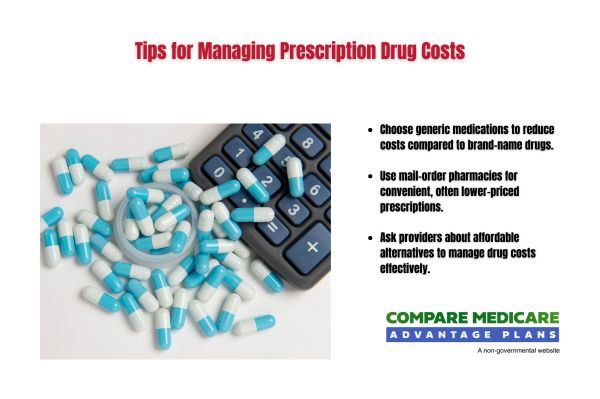
Managing prescription drug costs is crucial for maximizing your Medicare Advantage Plan benefits. One effective strategy is to use a preferred pharmacy, which often offers lower copay costs, significantly reducing out-of-pocket expenses for your medicare prescription payment plan and enhancing your medicare prescription drug coverage.

Using generic medications is another cost-saving strategy promoted by many Medicare Advantage plans. Generic drugs are typically more affordable than brand-name drugs and just as effective, allowing you to save money without compromising treatment quality.

Medication therapy management programs, offered by Medicare Advantage plans, help beneficiaries optimize their drug regimens. These programs ensure the use of the most effective medications at the lowest possible cost, leading to better health outcomes and reduced expenses.

Lastly, Medicare Advantage plans may use step therapy for certain Medicare Part B drugs, requiring patients to start with lower-cost medications before progressing to more expensive options if necessary. This approach helps manage costs and can improve care quality by ensuring the most cost-effective treatments are tried first.

Compare plans and enroll online


 Advertisement

Speak with a licensed insurance agent

1-833-641-4938
TTY 711

Mon-Fri : 8am-9pm ET

compare medicare advantage plans

Understanding Formularies and Covered Medications

A formulary is a list of specific prescription drugs covered by your Medicare Advantage Prescription Drug Plan, regularly updated to include new medications and remove those deemed unsafe or less effective. Understanding your plan’s formulary is crucial for managing prescription drug costs and ensuring access to necessary medications.

Each formulary categorizes drugs into different tiers, with varying costs. Typically, lower-tier medications, like generics, have lower copayments, while higher-tier, brand-name drugs come with higher out-of-pocket costs. This structure helps manage costs while providing access to a wide range of medications.

Step therapy, another aspect of formularies, often requires starting with a lower-cost medication before moving to more expensive options. If you need immediate access to a specific medication, you can request an exception. Plans must inform members 30 days in advance of any significant formulary changes.

Navigating Prior Authorizations and Step Therapy

Prior authorization requires certain medications to get approval from your Medicare Advantage plan before coverage starts. This ensures the medication is medically necessary and cost-effective. If a medication needs prior authorization, your doctor must provide the necessary information for approval.

Step therapy, another cost-management strategy, involves the following steps:

  • Trying a lower-cost medication before progressing to a higher-cost option.
  • If the initial medication is ineffective, the plan will approve coverage for the more expensive drug.
  • Beneficiaries can request exceptions if immediate access to the higher-tier medication is needed.


Financial Assistance Programs for Prescription Medications

Financial assistance programs help Medicare beneficiaries manage prescription medication costs. The Extra Help program, for example, aids those with limited financial means in reducing Part D drug costs, essential for low-income beneficiaries who might struggle to afford their medications through Medicare prescription drug programs.

To qualify for the Extra Help program, individuals must provide proof of income and resources. Eligible applicants are those on Medicare with limited financial means. The straightforward application process can be completed at any time, even before enrolling in a Part D plan, including those who may benefit from a low income subsidy.

These financial assistance programs ensure that all Medicare beneficiaries, regardless of financial situation, have access to necessary medications.


Changes in Medicare Part D and Their Impact on MA-PD Plans

The Inflation Reduction Act has introduced significant changes to Medicare Part D, including a cap on out-of-pocket drug spending for beneficiaries. Starting in 2025, this cap is set at $2,000, providing substantial financial relief for those with high prescription drug costs, making medications more affordable and predictable.

In 2026, the cap on out-of-pocket spending will be adjusted to $2,100, ensuring continued financial protection against rising drug costs. These changes aim to enhance the affordability and accessibility of prescription drugs for Medicare beneficiaries.


Tips for Choosing the Right Medicare Advantage Plan
 

Tips for Choosing the Right Medicare Advantage Plan


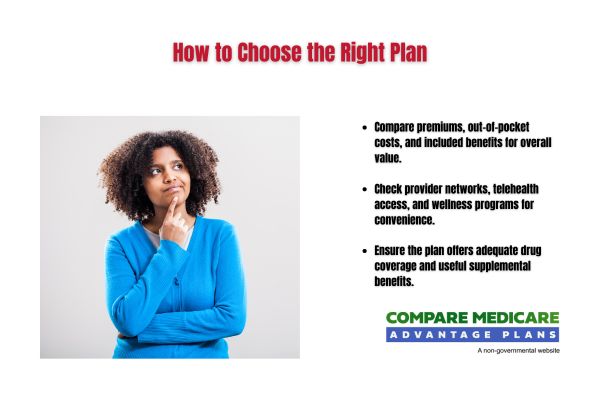
Selecting the right Medicare Advantage Plan requires careful consideration. Important factors include:

  • Comparing plan premium costs, as these can vary significantly among different plans.
  • Finding a plan that fits your budget.
  • Ensuring the plan offers the necessary coverage.


Out-of-pocket limits are another crucial factor, providing financial protection by capping annual healthcare service expenses. Reviewing these limits helps you understand potential financial exposure and choose a plan that can offer coverage with the right balance of cost and coverage.

Ensure the plan you select can provide prescription drug coverage for all medically necessary services and supplemental benefits beyond Original Medicare. Check whether your prescription drugs are covered and their coverage tier, helping you avoid unexpected expenses and ensuring access to needed medications.

Finally, consider the network of doctors and hospitals associated with the plan. Access to your preferred healthcare providers can significantly impact your overall experience. Considering these factors will help you choose a Medicare Advantage Plan that best meets your needs and preferences.


Comparing MA-PD Plans to Standalone Part D Plans

The availability of Medicare Advantage plans has been increasing, offering more choices compared to standalone Part D plans. MA-PD plans combine medical, hospital, and prescription drug coverage into a single plan, simplifying the healthcare process and enhancing coordinated care.

Standalone Part D plans generally offer more flexibility, as they can be paired with any Medicare plan. This flexibility benefits individuals who want to tailor their healthcare part d coverage to their specific needs, which can vary depending on their circumstances.

However, MA-PD plans may have a more limited network of doctors and pharmacies compared to standalone Part D plans. Weighing the benefits and limitations of each option helps determine which mapd plan best suits your healthcare needs and preferences.


Summary

In summary, understanding how prescription drugs work with Medicare Advantage Plans is crucial for optimizing your healthcare experience. From understanding formularies and managing costs to navigating prior authorizations and leveraging financial assistance programs, this guide has provided you with the essential knowledge to make informed decisions. By choosing the right plan and utilizing available resources, you can ensure that your prescription drug coverage meets your needs and enhances your overall health and wellbeing.

Frequently Asked Questions


What are Medicare Advantage Prescription Drug Plans (MA-PD)?

Medicare Advantage Prescription Drug Plans (MA-PD) offer a comprehensive solution by combining medical, hospital, and prescription drug coverage, facilitating integrated care and effective cost management.


How do formularies work in MA-PD plans?

Formularies in MA-PD plans serve as structured lists of covered medications divided into tiers, where lower-tier medications incur lower copayments and higher-tier medications come with increased out-of-pocket expenses. Thus, understanding the tier system is crucial for managing your medication costs effectively.


What should I bring to the pharmacy when using my Medicare Advantage Plan?

When using your Medicare Advantage Plan at the pharmacy, it is essential to bring your Medicare card, photo ID, and drug coverage card. If you lack your new plan card, confirmation letters or enrollment numbers will suffice for coverage verification.


What financial assistance programs are available for prescription medications?

Financial assistance programs for prescription medications include the Extra Help program, which aids low-income beneficiaries in lowering their Part D drug costs for better access to necessary medications.


How has the Inflation Reduction Act impacted Medicare Part D?

The Inflation Reduction Act has positively impacted Medicare Part D by introducing a cap on out-of-pocket drug spending for beneficiaries, which is set at $2,000 starting in 2025, thereby providing substantial financial relief.

call today for help

 ZRN Health & Financial Services, LLC, a Texas limited liability company

Find & Compare Plans Online 


 Advertisement

Speak with a licensed insurance agent

 1-833-641-4938
TTY 711

Mon-Fri : 8am-9pm EST