






Comparing Premiums Medicare Advantage 2026
Curious about the premiums for Medicare Advantage plans in 2026? This guide, Comparing Premiums Medicare Advantage 2026, compares costs across different plans and highlights key factors that will impact your premiums. Read on to get all the details.
Key Takeaways
- Comparing Medicare Advantage plans in 2026 is crucial for ensuring optimal coverage and managing healthcare costs, focusing on aspects such as coverage, cost, and quality.
- Premiums for Medicare Advantage plans vary based on factors like plan type (HMO, PPO, SNP), geographic location, and additional benefits, which influence both coverage and total costs.
- The Annual Enrollment Period (AEP) is a key time for beneficiaries to evaluate and switch plans, as changes in premiums and benefits occur yearly, effective from January 1 of the following year.
Compare Plans In One Step!
Why Comparing Medicare Advantage Plan Premiums Matters in 2026

Comparing Medicare Advantage plans in 2026 is essential for obtaining the best coverage while effectively managing costs. Given the constantly evolving healthcare landscape, staying updated on the latest offerings and changes is necessary.
This comparison helps you concentrate on critical aspects like coverage, cost, and quality, ensuring you choose a plan that suits your unique needs.
Key areas to consider when comparing Medicare Advantage plans include:
- Coverage
- Cost
- Network
- Medications
- Quality
These plans have consistent monthly premiums regardless of health service usage, simplifying comparisons and aiding informed healthcare decisions with all the benefits of the right plan and the standard monthly premium.
Understanding Medicare Advantage Plans
Medicare Advantage plans, also known as MA plans, provide Medicare coverage that is at least equal to Original Medicare, including Medicare Part B, and often include additional benefits.
Offered by private insurance companies approved by Medicare, these plans may include services like dental, vision, prescription drug coverage, Medicare supplement plans, and a Medicare plan, which are not part of Original Medicare.
Many Medicare Advantage plans now include telehealth benefits as part of their basic offerings, making them even more attractive to beneficiaries. These added services enhance the plan’s value, often without increasing monthly premiums, providing comprehensive coverage and peace of mind.
Key Factors Affecting Premiums in 2026
Several key factors will influence the premiums of Medicare Advantage plans in 2026. The type of plan chosen—HMO, PPO, or SNP—plays a major role, as each has different provider network restrictions that can significantly affect premiums.
Geographic location and personal situation also matter. Plan availability varies by area, and how much a specialist varies can influence the options and premiums you find. Thus, thoroughly researching and comparing plans available in your specific region is crucial for understanding your current coverage.
Types of Costs Beyond Premiums

Beyond monthly premiums, other costs associated with Medicare Advantage plans must also be considered, including medical costs. These can include:
- Annual deductibles
- Copayments
- Coinsurance
These costs vary by plan. Understanding these additional costs is essential for effective healthcare expense budgeting.
Many Medicare Advantage plans feature an annual out-of-pocket expenses spending limit for covered services, providing financial protection once the cap is reached.
After reaching this limit, the plan covers 100% of approved health services for the rest of the year, offering significant financial relief, so you may need to pay out of pocket for any services not covered, including considerations for cost sharing.
Compare plans and enroll online

Comparing Monthly Premiums Across Different Plan Types
To find the best coverage options at the lowest cost, comparing monthly premiums across different Medicare Advantage plans is vital. The following subsections will delve into the specifics of HMO, PPO, and Special Needs Plans (SNPs), highlighting their unique characteristics and premium structures.
HMO Plans

HMO (Health Maintenance Organization) plans generally feature:
- Lower or even $0 monthly premiums.
- A requirement for members to use a network of doctors and hospitals.
- Often needing referrals from a primary care provider (PCP) for specialist or hospital visits.
For instance, Aetna’s HMO plans coordinate care through an in-network PCP, ensuring comprehensive and coordinated care.
UnitedHealthcare HMO plans provide access to a local network of doctors and hospitals, ensuring well-coordinated health care through a PCP. These plans may also offer additional flexibility with network and out-of-network dental care, making them attractive to many Medicare beneficiaries.
PPO Plans
PPO (Preferred Provider Organization) plans typically have higher monthly premiums than HMO plans but offer greater flexibility in choosing healthcare providers. For instance, the monthly premiums for Aetna Medicare Advantage plans in 2026 can start as low as $0, depending on specific plan details.
UnitedHealthcare’s PPO plans are known for their low or $0 monthly premiums and the freedom to see any doctor nationwide without referrals during open enrollment. This flexibility makes PPO plans ideal for those who prefer more control over their healthcare provider choices.
Special Needs Plans (SNPs)
Special Needs Plans (SNPs) cater to individuals with specific healthcare or financial needs. These plans include Dual Special Needs Plans (D-SNPs) for those eligible for both Medicare and Medicaid and Chronic Special Needs Plans for chronically ill individuals.
All SNPs include prescription drug coverage (part d plan), with premiums varying based on specific eligibility criteria and additional services. These drug plans are tailored to meet the unique health needs of specific groups, offering comprehensive and specialized care.
Additional Benefits and Their Impact on Premiums
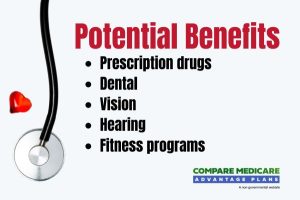
Additional benefits in Medicare Advantage plans can significantly affect monthly premium costs. For instance, the average premium for plans that include prescription drug coverage dropped to $13 per month in 2025, reflecting the cost efficiency of these additional benefits.
New features in Medicare Advantage plans for 2026 include chronic condition support, remote care options, and dental/vision allowances. These extra benefits can make plans more attractive and financially viable, with some premiums starting as low as $0.
Annual Enrollment Period: When to Compare and Switch Plans
The Annual Enrollment Period (AEP) for Medicare Advantage plans runs from October 15 to December 7. This period is crucial for beneficiaries to compare and switch plans due to yearly changes in premiums and benefits.
During AEP, beneficiaries can switch from Original Medicare to a Medicare Advantage Plan or modify their current Medicare Advantage or prescription drug plan. Changes made during this period take effect on January 1 of the following year, so submitting changes by December 7 is important.
Tools and Resources for Comparing Medicare Advantage Premiums
Various tools and resources are available to help beneficiaries compare Medicare Advantage premiums. The Medicare.gov website offers tools to compare different plans and their associated costs.
Online calculators can estimate potential out-of-pocket costs for various Medicare Advantage plans, providing a clearer picture of financial implications.
Local agencies and insurance brokers can provide personalized assistance, helping beneficiaries find the best medical insurance plan for their needs.
Common Mistakes to Avoid When Comparing Premiums
Avoiding common mistakes is crucial when comparing Medicare Advantage premiums to prevent misleading assessments of plans. A major mistake is only comparing monthly premiums instead of total costs, which can lead to unexpected trade-offs when paying for healthcare.
Another common error is not verifying if your doctors are in your Medicare Advantage plan’s network, which can lead to higher costs. Many beneficiaries also overlook the importance of reviewing drug coverage and doctor visits, which are crucial for managing medical expenses.
Summary
In conclusion, comparing Medicare Advantage plan premiums in 2026 is vital for finding the best coverage at the lowest cost.
By understanding the different types of plans available, the factors affecting premiums, and the additional benefits offered, beneficiaries can make informed decisions about their healthcare. Ensure to compare plans annually, utilize available resources, and avoid common mistakes to maximize your Medicare coverage and benefits.
Frequently Asked Questions
→ Why is it important to compare Medicare Advantage plan premiums in 2026?
Comparing Medicare Advantage plan premiums in 2026 is essential for securing optimal coverage and controlling healthcare costs, as both plans and benefits frequently undergo annual changes.
→ What are the key factors affecting Medicare Advantage premiums in 2026?
The key factors affecting Medicare Advantage premiums in 2026 include the type of plan (HMO, PPO, SNP), geographic location, and individual circumstances, all of which significantly impact the options and costs available to beneficiaries.
→ What additional benefits can impact Medicare Advantage premiums?
Additional benefits, including prescription drug coverage, chronic condition support, remote care options, and allowances for dental and vision services, can significantly impact Medicare Advantage premiums. It is essential to consider these factors when evaluating plan options.
→ When is the Annual Enrollment Period for Medicare Advantage plans?
The Annual Enrollment Period for Medicare Advantage plans occurs from October 15 to December 7, during which beneficiaries can compare and switch plans, with changes taking effect on January 1.
→ What tools are available for comparing Medicare Advantage premiums?
You can compare Medicare Advantage premiums using tools such as the Medicare.gov website, online cost calculators, local agencies, and insurance brokers who offer personalized assistance. These resources can help you make informed decisions about your health coverage.
Have Questions?
Speak with a licensed insurance agent
1-833-641-4938
TTY users 711
Mon-Fri: 8am-9pm ET
Find & Compare Plans Online
ZRN Health & Financial Services, LLC, a Texas limited liability company