Common Exclusions in Medicare Advantage Insurance

When choosing Medicare Advantage insurance, it’s crucial to understand what services are not covered. Common exclusions in Medicare Advantage insurance can lead to high out-of-pocket costs. This article will guide you through the most frequent exclusions, including routine vision and dental care, experimental treatments, long-term care, and more. Knowing these exclusions can help you make informed decisions about your healthcare coverage.


Key Takeaways


  • Medicare Advantage plans often exclude critical services such as routine vision, dental, and foot care, leading to potential out-of-pocket expenses for beneficiaries.


  • Coverage gaps extend to experimental treatments and elective procedures, necessitating prior authorization for some services, which can delay access to care.


  • Beneficiaries should thoroughly review plan documents and consider consulting licensed insurance agents to better understand coverage details and avoid unexpected costs.

Compare Plans in One Step!

Enter Zip Code


 Advertisement

Services Typically Not Covered by Medicare Advantage Plans

Common Exclusions in Medicare Advantage Insurance


Despite the comprehensive nature of Medicare Advantage Plans, certain services are not covered, leading to potential out-of-pocket expenses for beneficiaries. Understanding these excluded services is crucial to avoid surprise costs and to make informed decisions about your healthcare coverage. While these plans may offer extensive benefits, they often exclude services that are not deemed medically necessary or are not listed in ‘Medicare-approved’ guidelines, including Medicare-covered services.

Moreover, some benefits from Original Medicare may not be included in Medicare Advantage Plans, which can further complicate your coverage. Medicare Advantage Plans often implement utilization management techniques, such as prior authorization, which can affect access to care.


Routine Vision Care

Routine vision services, including eye exams, glasses, and contact lenses, are generally excluded from Medicare Advantage plans. Coverage for eye diseases is often limited to medical conditions, excluding routine vision services.

Beneficiaries will likely face out-of-pocket expenses for routine vision care, so planning for these costs or seeking supplemental insurance is advisable.


Dental Services

Dental services, such as cleanings, fillings, and major dental work, are typically excluded from Medicare Advantage plans. Most dental care, including preventive services like cleanings and extractions, are not covered, which can lead to significant out-of-pocket expenses for beneficiaries. The services covered under Medicare Advantage do not typically include these dental services.

Many beneficiaries may need separate dental insurance or pay out-of-pocket for dental services.


Routine Foot Care

Routine foot care services are usually not covered under Medicare Advantage plans unless they are related to a specific medical condition like diabetes. Specific routine services that are not covered include callus removal and general foot care.

Beneficiaries should be aware of these exclusions to plan for potential out-of-pocket expenses or seek alternative coverage.


Exclusions on Experimental and Elective Procedures

Medicare Advantage plans often exclude coverage for experimental treatments and elective procedures. These exclusions are based on national determinations, which classify certain treatments as experimental if they are not widely recognized as safe and effective. This can include a range of procedures such as:

  • Cutting-edge medical technologies
  • Routine physical exams
  • Massage therapy Beneficiaries considering these treatments should be aware of these exclusions.


Elective procedures, such as cosmetic surgery, are also commonly excluded unless they are deemed medically necessary services. This means that beneficiaries will need to cover the costs of these procedures themselves unless they can prove a medical necessity, which often requires prior authorization.


Experimental Treatments

Medicare Advantage plans typically deny coverage for experimental treatments and technologies. Beneficiaries are responsible for the costs of any care considered experimental, which can be significant. However, there is a process for appealing coverage decisions if a beneficiary believes a treatment should be covered.

Experimental treatments are covered only if recognized as safe and necessary by Medicare standards.


Elective Cosmetic Surgery

Elective cosmetic procedures like facelifts, nose reshaping, and Botox injections are generally not included in Medicare Advantage plans. However, if these procedures are considered medically necessary, coverage may be available. Reconstructive procedures can be covered when they are necessary after trauma, illness, or injury, but this typically requires prior authorization to establish medical necessity.


Specific Coverage Gaps in Medical Services

Specific coverage gaps in Medicare Advantage plans can lead to high out-of-pocket costs for beneficiaries. Long-term custodial care, for instance, is generally not covered, necessitating separate planning or insurance to manage potential long-term care needs. The cost of long-term care can be substantial, with nursing home expenses for a semi-private room averaging around $90,000 annually.

Thoroughly reviewing plan documents can help beneficiaries identify potential coverage gaps and avoid unexpected expenses related to covered services.


Clinical Trials

Routine costs associated with a clinical trial are not covered by Medicare Advantage plans, which can lead to significant out-of-pocket expenses for participants. Beneficiaries must pay for routine care costs, including doctor visits and tests, while enrolled in clinical trials.

Individuals interested in clinical trials should consider enrolling in original Medicare coverage, as original Medicare covers better options to avoid additional expenses.


Non-Emergency Medical Transportation

Non-emergency transportation to medical appointments is often not included in Medicare Advantage plans. This exclusion can create barriers for patients needing to attend medical appointments, as they may need to plan for alternative transportation options.

Some plans may offer non-emergency medical transportation as a supplemental benefit, but it is generally not guaranteed.


Chiropractic Services

Medicare Advantage plans only cover chiropractic services that are deemed medically necessary, excluding routine care. Specifically:

  • Maintenance therapy and non-covered services are excluded.
  • Covered chiropractic services are restricted to specific spinal adjustments.
  • Preventive or maintenance therapies are not included.


These limitations can lead to out-of-pocket expenses for beneficiaries.

Compare plans and enroll online


 Advertisement

Speak with a licensed insurance agent

1-833-641-4938
TTY 711

Mon-Fri : 8am-9pm ET

compare medicare advantage plans

Emergency and Urgent Care Limitations

Emergency medical services under Medicare Advantage plans include:

  • Medicare coverage anywhere in the U.S., regardless of provider network
  • Ability for beneficiaries to receive emergency care without worrying about network restrictions
  • No requirement for prior authorization for emergency care


However, using out-of-network urgent care services can lead to high out-of-pocket costs, as Medicare Advantage plans have restricted provider networks, and out-of-network care often costs more. Understanding these limitations is crucial for beneficiaries who may need urgent care while traveling or when their regular provider is unavailable.

Planning ahead and knowing the network restrictions can help mitigate unexpected expenses and ensure timely access to care.

Global Emergency Coverage

Medicare Advantage plans provide coverage for emergency care services worldwide. Even if the provider is out of network, beneficiaries are still covered for emergency care. However, using an out-of-network urgent care center means paying the difference between what is billed and what the plan pays, which can lead to significant costs.

Prior authorization might be needed for urgent care services, depending on the plan, and if an emergency room visit is not considered an emergency, it may not be covered.


Prior Authorization Requirements
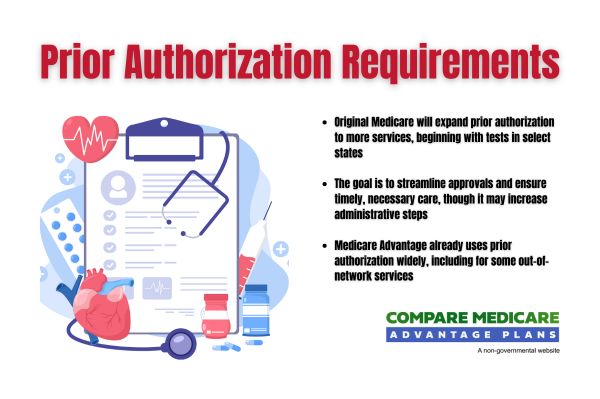
 

Prior Authorization Requirements - Common Exclusions


Medicare Advantage plans frequently mandate prior authorization for a majority of higher-cost services, impacting access to care. This requirement means that beneficiaries must obtain approval from their plan before receiving certain services, which can delay treatment and affect the timeliness of care.

Understanding the prior authorization requirements and planning accordingly can help beneficiaries navigate these challenges and ensure they receive the necessary care without unnecessary delays.


Hospice Care and Long-Term Care Exclusions

Medicare Advantage plans cover hospice care for terminally ill enrollees. However, there may be out-of-network limitations that could affect the availability of services. While services unrelated to the terminal prognosis continue to be covered by the Medicare Advantage plan, the limitations on hospice care access based on network restrictions can be significant. Being aware of these limitations allows beneficiaries to plan accordingly.

Long-term care services, such as extended nursing home stays, are typically not covered by Medicare Advantage plans. This exclusion necessitates separate planning or insurance to manage long-term care needs. Given the average annual cost of a nursing home semi-private room is around $90,000, careful financial planning is essential.


Hospice Care

Medicare Advantage plans cover hospice care for enrollees who are terminally ill. However, there may be limitations for out-of-network services. Services unrelated to the terminal prognosis continue to be covered by the Medicare Advantage plan while receiving hospice services, but there is limited out-of-network coverage for hospice care under these plans.

Beneficiaries should be aware of these limitations and plan for potential out-of-network issues.


Long-Term Care

Long-term care services, such as extended nursing home stays, are typically not covered by Medicare Advantage plans. This exclusion necessitates separate insurance or financial planning to manage potential long-term care needs.

With nursing home expenses averaging around $90,000 annually for a semi-private room, beneficiaries must plan carefully to cover these significant costs.


Additional Benefits Variability

The benefits offered by most Medicare Advantage plans can vary significantly from one plan to another. Legislative changes and national coverage determinations can also influence the inclusion of new benefits, making it essential for beneficiaries to stay informed about their plan’s offerings. Some plans may offer supplemental benefits, including services not available in traditional Medicare, which can enhance the overall medicare advantage coverage and provide additional value to beneficiaries, especially when considering medicare part options.

For example, some Medicare Advantage plans may offer non-emergency medical transportation as a supplemental benefit, although it is generally not included. Staying informed about the varying benefits and specific offerings of different plans helps beneficiaries choose the best plan for their needs.


Vision, Hearing, and Dental Benefits

 

Vision, Hearing, and Dental Benefits


In 2023, 97% of Medicare Advantage plans provided some form of vision, hearing services, hearing aids, or dental benefits. These extra benefits can include preventive services like crowns, dentures, and routine vision care, although coverage can vary widely among different plans. Beneficiaries should carefully review the specific benefits offered by their plan to understand what is covered and to plan for any potential out-of-pocket costs.

Access to certain supplemental benefits has remained stable or increased from 2024 to 2025.


Fitness and Wellness Programs

Some Medicare Advantage plans may include gym memberships or discounts for fitness programs. The types of fitness and wellness programs provided can vary greatly, with some plans offering extensive gym memberships and others providing limited access.

Reviewing plan offerings helps beneficiaries understand available fitness and wellness benefits, allowing them to maintain their health and well-being.


Protecting Yourself from Unexpected Costs

Navigating the exclusions and limitations of Medicare Advantage plans can be challenging, but it is essential to protect yourself from unexpected costs. Many Medicare Advantage plans do not cover certain medical services, which can lead to significant out-of-pocket expenses for beneficiaries. Preventive services can help reduce long-term out-of-pocket expenses, but understanding the coverage details is essential.

One effective strategy is to thoroughly review the plan documents to understand the specific cover services details and exclusions. Consulting with a licensed insurance agent can also provide valuable insights and help you make informed decisions about your medical insurance coverage. By being proactive and informed, you can better manage your healthcare costs and avoid surprises.


Reviewing Plan Documents

Thoroughly reviewing the plan documents for Medicare Advantage plans is crucial to fully understand their coverage details and exclusions. Understanding the specific details within the plan documentation helps beneficiaries:

  • Know exactly what services are included and excluded
  • Identify any restrictions that could impact their needed care
  • Avoid unexpected out-of-pocket costs related to uncovered services


A careful review of these documents is essential for these reasons.

Beneficiaries can compare plan differences and understanding the plan’s network helps them make more informed healthcare coverage decisions.


Consulting a Licensed Insurance Agent

Consulting licensed insurance agents helps in understanding the complex details of Medicare Advantage plans. These professionals can help clarify complex plan details and benefits, providing invaluable guidance for beneficiaries.

Guidance from insurance agents facilitates informed decision-making, helping beneficiaries choose the Medicare Advantage plan that best suits their needs, in accordance with Medicare guidelines. This can significantly enhance the decision-making process and help mitigate unexpected costs.


Summary

Understanding the common exclusions in Medicare Advantage plans is crucial for beneficiaries to avoid unexpected out-of-pocket expenses. From routine vision care and dental services to experimental treatments and long-term care, these exclusions can significantly impact your healthcare costs. Thoroughly reviewing plan documents and consulting with licensed insurance agents can help you navigate these complexities and make informed decisions about your healthcare coverage.

Taking proactive steps to understand your Medicare Advantage plan’s coverage and exclusions will empower you to manage your healthcare costs effectively. By being informed and prepared, you can ensure that you receive the care you need without facing surprise expenses. Stay vigilant, review your plan details, and seek professional guidance to make the most of your Medicare Advantage coverage.

Frequently Asked Questions


What are the 5 things Medicare does not cover?

Medicare does not cover routine dental exams and care, vision services such as eyeglasses, hearing aids, long-term care, and comfort items like a TV or private room. These exclusions can significantly impact beneficiaries, so it is essential to understand the limitations of coverage.


What is the biggest problem with Medicare Advantage?

The biggest problem with Medicare Advantage is its restricted provider networks, which can lead to higher out-of-pocket costs if beneficiaries seek care outside of their plan’s network. This limitation can significantly affect access to healthcare services.


Are routine vision services covered by Medicare Advantage plans?

Routine vision services are typically not covered by Medicare Advantage plans, resulting in potential out-of-pocket costs for eye exams, glasses, and contact lenses.


Do Medicare Advantage plans cover dental services?

Medicare Advantage plans typically do not cover most dental services, such as cleanings, fillings, and major treatments. Therefore, beneficiaries should consider separate dental insurance or be prepared for out-of-pocket expenses.


Are experimental treatments covered under Medicare Advantage plans?

Experimental treatments are generally not covered under Medicare Advantage plans, and beneficiaries must bear the costs associated with such care. However, there is an appeals process for those who wish to challenge coverage decisions.

call today for help

 ZRN Health & Financial Services, LLC, a Texas limited liability company

Find & Compare Plans Online 


 Advertisement

Speak with a licensed insurance agent

 1-833-641-4938
TTY 711

Mon-Fri : 8am-9pm EST

( Medicare Expert )

Russell Noga is the CEO of ZRN Health & Financial Services, and head content editor of several Medicare insurance online publications. He has over 15 years of experience as a licensed Medicare insurance broker helping Medicare beneficiaries learn about Medicare, Medicare Advantage Plans, Medigap insurance, and Medicare Part D prescription drug plans.