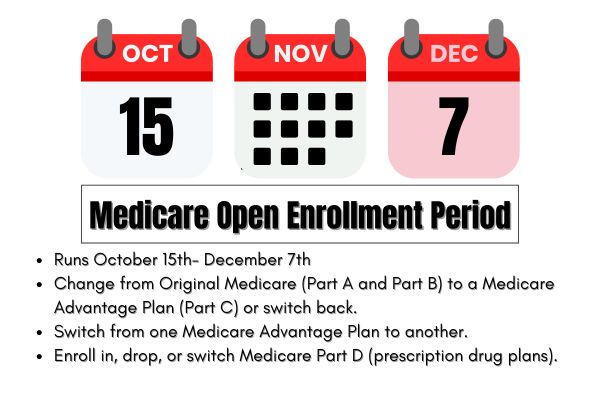
Switching to a Different Medicare Advantage Plan
Switching from one Medicare Advantage Plan to another is a straightforward process, but it requires careful consideration. Enrolling in a new Medicare plan automatically disenrolls you from your previous plan. This automatic switch ensures there are no gaps in your coverage.
You have the option to switch plans at specific times throughout the year. One such period is the Medicare Advantage Open Enrollment Period, which runs from January 1 to March 31. During this time, you can move from Medicare Advantage to Original Medicare or to another Medicare Advantage Plan. When switching, it’s essential to verify that your preferred doctors and medications are covered under the new plan.
You must also reside in the plan’s service area of the new plan you wish to join. This requirement ensures access to the network of doctors and hospitals associated with the new plan, maintaining your expected quality of care.
Transitioning from Medicare Advantage to Original Medicare

Switching from a Medicare Advantage Plan back to Original Medicare is a viable option for many beneficiaries, but it involves several steps:
- If you lose other health coverage, you can drop your Medicare Advantage Plan and return to Original Medicare.
- Begin the process by contacting your current plan.
- Call 1-800-MEDICARE to proceed with the switch.
When switching to Original Medicare, consider the following steps:
- Enroll in a stand-alone Part D prescription drug plan to maintain your drug coverage. This step ensures you continue to have access to necessary medications.
- Check if you qualify for a Medigap policy, as some insurers may require medical underwriting.
- Knowing these requirements can help you avoid unexpected denials or higher premiums in your original Medicare plan.
Navigating the transition can be complex due to varying state regulations. Understanding Medicare’s qualifications for guaranteed issue rights to Medigap policies coverage and Medigap insurers is essential. This knowledge can significantly ease the transition and help you secure the coverage you need.
Potential Challenges and Solutions
Switching from a Medicare Advantage Plan to a Medigap plan can sometimes result in higher premiums, particularly for those with pre-existing conditions. Weigh the costs and benefits before making this transition. Additionally, failing to enroll in a Part D plan when switching to Original Medicare can lead to a late enrollment penalty.
In some areas, beneficiaries may face limited options for Medicare Advantage Plans, making it challenging to find suitable coverage. In these situations, explore all available medicare plans and seek assistance from a Medicare advisor to navigate your options effectively and find a plan that meets your needs.
Ensuring Continuous Coverage
Continuous coverage is vital to avoid gaps that could leave you without necessary healthcare. When switching plans, align the start dates of new plans with the termination of old ones. This alignment ensures uninterrupted coverage begins and access to healthcare services.
If you join a new Medicare Advantage Plan, your coverage will generally begin the first of the month after your enrollment request is processed. Additionally, if a plan’s contract with Medicare is terminated, you have a window of two months before and one month after the contract ends to enroll in a new plan.
Notifying your current plan about a move before the actual date can help initiate the switching process sooner, ensuring continuous current coverage and allowing you to change plans effectively.