






The Top 5 Medicare Supplement Plans
Looking for the top 5 Medicare Supplement Plans? This article will help you find the best options
Key Takeaways
- Medicare Supplement Plans (Medigap) will likely help cover out-of-pocket expenses not included in Original Medicare, possibly providing financial protection against rising healthcare costs.
- There are about 10 standardized Medigap plans with varying coverage levels, meaning beneficiaries should carefully evaluate their health needs and potential costs when choosing a plan.
- The initial Medigap Open Enrollment Period is vital for securing the best coverage, as missing it could lead to higher costs or denied coverage due to pre-existing conditions.
Compare Plans in One Step!
Enter Zip Code
Understanding Medicare Supplement Plans (Medigap)

Medicare Supplement Plans, or Medigap, will likely act as additional insurance policies that you can purchase from private companies to help cover the out-of-pocket expenses not covered by Original Medicare. These expenses might include copayments, coinsurance, and deductibles, which could quickly add up, especially in the case of frequent medical care. Medicare supplement insurance could potentially provide additional financial support for these costs.
There are about 10 standardized Medigap plans available, each offering various benefits across different providers. This standardization could mean that a comprehensive Medigap plan from one insurance company may offer the same benefits as a Medigap plan from another, though the premiums may vary depending on the provider and location. This could make it easier to compare plans and choose the one that best fits your needs.
Medigap plans are managed by private insurance companies and Medigap companies, meaning premiums might vary depending on your health, age, and location. Beneficiaries can benefit from comparing providers to find the best deal.
The primary role of Medigap plans will likely be to fill in the gaps left by Medicare Part A and Part B coverage. These plans could provide a safety net, possibly ensuring that you don’t have to worry about unexpected medical bills derailing your financial stability. For some Medicare beneficiaries, having a Medigap plan could mean peace of mind and financial security.
Why You Need a Medicare Supplement Plan
The financial protection offered by Medicare Supplement Plans cannot be overstated. As healthcare costs continue to rise, some Medigap plans could provide a crucial buffer against out-of-pocket expenses that may otherwise become overwhelming. For some Medicare beneficiaries, this supplemental coverage could be essential for managing healthcare costs effectively and possibly ensuring that unexpected medical bills do not disrupt their financial stability.
A common misconception might be that all Medigap plans offer the same benefits. In reality, each plan type will likely provide different levels of coverage, making it important to understand these differences to select the right one for your needs. Choosing the wrong plan could mean either paying for coverage you don’t need or, worse, lacking coverage for essential services.
Supplemental coverage could be particularly vital for those who frequently require medical care, travel often, or have specific health needs that Original Medicare does not fully cover. By bridging the various gaps in Medicare Part A and Part B, Medigap plans could potentially ensure comprehensive coverage and peace of mind for policyholders.
Top 5 Medicare Supplement Plans for 2026

With various Medigap plans available, choosing the right one might be daunting. To simplify this process, this article has identified the top 5 Medicare Supplement Plans for 2026. These plans have been selected based on their comprehensive coverage, affordability, and popularity among Medicare beneficiaries.
Understanding the nuances of each plan will likely help you make an informed decision. Let’s dive into the details of each of these top plans: Plan G, Plan N, Plan F, High-Deductible Plan G, and Plan K.
Plan G
Plan G might stand out for its comprehensive coverage, likely making it a favorite among many Medicare beneficiaries. This plan may cover most of the out-of-pocket expenses related to Medicare, except for the Part B deductible. For those looking for extensive coverage without the higher premiums of Plan F, Plan G could be an excellent choice.
UnitedHealthcare will likely offer competitive pricing for Plan G, possibly making it an attractive option for those seeking a balance between comprehensive coverage and affordable premiums. The potential benefits and lower costs could make Plan G a top contender for the best Medicare Supplement Plan.
Plan N
Plan N may be another popular choice, particularly for those looking for a cost-effective option. It could offer lower premiums compared to other plans, possibly making it more affordable for many Medicare beneficiaries.
While Plan N does not cover Part B excess charges, its value in the Medicare Supplement market has been well recognized. For those who don’t mind the occasional copay, Plan N could offer essential coverage at a lower cost.
Plan F
Plan F will likely remain a popular choice for those who were eligible for Medicare before 2020. This plan will likely cover all gaps in Original Medicare, possibly leaving policyholders with no out-of-pocket expenses. Its all-inclusive nature could make it a go-to option for those who want comprehensive coverage without worrying about additional costs.
The extensive coverage that could be provided by Plan F could potentially ensure that policyholders are well-protected against unexpected medical expenses.
High-Deductible Plan G
High-Deductible Plan G might offer the same benefits as standard Plan G but it may come with a higher deductible, which might result in lower premiums. This plan may be ideal for those who want comprehensive coverage but are willing to pay more out-of-pocket before the benefits kick in. The lower premiums that may be associated with this plan could make it an attractive option for those looking to save on monthly costs.
By choosing a high-deductible version, policyholders could potentially enjoy the extensive benefits of Plan G while managing their healthcare costs more effectively, despite the potential for high premiums. This plan could be particularly beneficial for those who do not anticipate frequent medical expenses, especially when considering high deductible plans.
Plan K
Plan K might be unique in that it could provide up to 50% coverage for most services, possibly making it a more affordable option for members. It may also include an annual out-of-pocket maximum, which could help with managing healthcare expenses, possibly providing a safety net against high costs.
The lower premiums that may be associated with Plan K could make it an attractive choice for those looking to balance coverage with affordability.
Choosing The Right Medicare Supplement Plan
Selecting the right Medicare Supplement Plan will likely require careful consideration of your personal health needs and financial situation. Reviewing the specific coverage each plan might offer could potentially ensure it aligns with your healthcare needs. Skipping this step may lead to choosing a plan that lacks necessary coverage.
Your health history may also play a significant role in determining which comprehensive plan is best suited for you. If you have ongoing medical conditions or anticipate needing frequent medical care, choosing a health care plan with comprehensive coverage may be more beneficial. Evaluating the potential premium costs in relation to the benefits provided may also be essential when selecting a plan.
Calling one of our licensed agents at 1-833-641-4938 (TTY 711), Mon-Fri 8 am-9 pm EST can provide personalized advice and help you navigate the options available.
Taking the time to thoroughly review and compare plans will likely ensure you select the right Medicare Supplement Plan that meets your needs and provides peace of mind.

How Medicare Supplement Plans Work
Medicare Supplement Plans will likely work by covering the remaining costs after Medicare’s payments, effectively filling the gaps in Original Medicare coverage. These plans may assist in covering some costs associated with services that Medicare encompasses, such as copayments, coinsurance, and deductibles.
Some Medigap plans could potentially reduce out-of-pocket expenses and possibly ensure seamless coverage, potentially alleviating financial stress for beneficiaries.
What’s Not Covered by Medigap Plans
While Medigap plans may provide extensive coverage, they do have limitations. For instance, plans might not cover healthcare services that Original Medicare does not cover, possibly leading to gaps in services. Dental services, including routine care such as exams and cleanings, will likely be excluded from Medigap coverage.
Medigap plans do not cover the following services:
- Vision services, including glasses and routine eye exams
- Hearing aids and related exams
Additionally, Medigap plans do not include coverage for a prescription drug plan.
When and How to Enroll in a Medicare Supplement Plan
The initial Medigap Open Enrollment Period is a critical time for enrolling in a Medicare Supplement Plan. Key details include:
- This period lasts for six months.
- It begins the first day of the month you turn 65 and enroll in Medicare Part B.
- Signing up for Medicare Part B before applying for a Medigap policy is necessary.
Missing the Medigap Open Enrollment Period might make acquiring a policy more difficult and expensive due to health status. Delaying enrollment may also result in higher costs or coverage denial due to pre-existing conditions.
When purchasing Medigap insurance, consider the following steps:
- Ensure availability by checking which companies sell the preferred Medicare Supplement plan in your area.
- Enrollment can be done through this website or by phone.
Comparing Potential Costs and Benefits of Medigap Policies
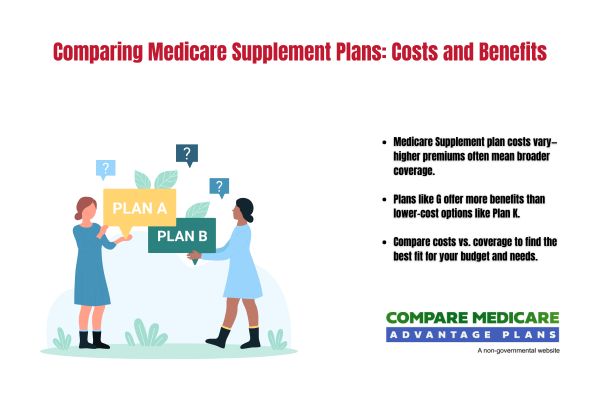
Comparing different Medigap plans before making a decision will likely be crucial, though often overlooked. The premium costs for the same benefits might vary by insurer, likely making it important to review each plan’s details to understand differences in out-of-pocket costs.
Thoroughly comparing the potential costs and benefits will likely allow you to select the Medigap plan that best meets your healthcare needs and budget.
Common Pitfalls to Avoid When Choosing a Medigap Plan
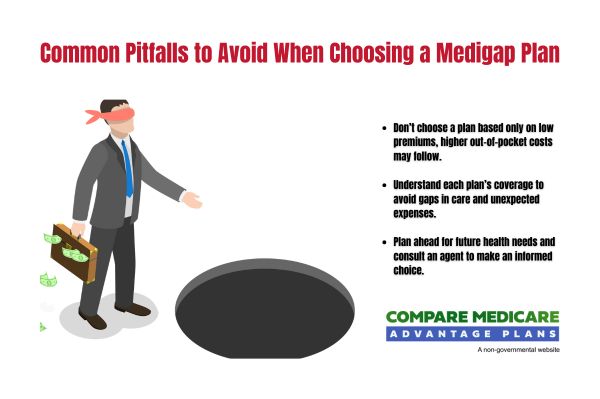
Choosing the right Medigap plan will likely require careful consideration to avoid common pitfalls that might lead to unexpected expenses. One common mistakes Medicare beneficiaries might make is focusing solely on lower premium plans without considering the long-term costs. Lower premiums may be enticing, but they may also often come with higher out-of-pocket expenses, which could add up over time.
Another common pitfall is not fully understanding the specific coverage each plan offers. This could lead to selecting a plan that doesn’t meet your healthcare needs, possibly resulting in additional out-of-pocket costs for services that aren’t covered. It’s essential to thoroughly review and compare the potential benefits and possible limitations of each plan before making a decision.
Overlooking future healthcare needs may be costly. As healthcare needs evolve, choosing a plan that could provid comprehensive coverage and adapt to changing conditions is crucial. Consulting with one of our licensed agents can help you avoid these pitfalls and select the best Medigap plan for your needs.
Summary
Medicare Supplement Plans, or Medigap, will likely play a vital role in providing financial protection and peace of mind for Medicare beneficiaries. By covering the gaps left by Original Medicare, these plans could potentially ensure that healthcare costs do not become a financial burden. The top 5 Medicare Supplement Plans
Choosing the right Medigap plan will likely involve careful consideration of your personal health needs, financial situation, and future healthcare requirements. By thoroughly comparing the potential costs, benefits, and additional perks, and avoiding common pitfalls, you can make an informed decision that could provide comprehensive coverage and financial security. Take control of your healthcare journey today, and invest in a Medigap plan that could potentially ensure a healthier and financially secure future.
Frequently Asked Questions
→ What is the difference between Medigap Plan G and Plan N?
Plan G will likely provide more extensive coverage, possibly covering all out-of-pocket expenses except the Part B deductible, while Plan N might offer lower premiums but may also include copayments for certain visits and does not cover Part B excess charges. Therefore, if you prefer lower upfront costs and manage out-of-pocket expenses, Plan N might be suitable, but for broader coverage without those copayments, Plan G may be the better choice.
→ Can I enroll in a Medigap plan if I missed the Open Enrollment Period?
You can still enroll in a Medigap plan if you missed the Open Enrollment Period, but it may be more difficult and expensive due to your health status. It’s best to enroll during the initial period to avoid these issues.
→ Do Medigap plans cover prescription drugs?
Medigap plans do not cover prescription drugs; you will likely need to enroll in a separate Medicare Part D plan for that coverage.
→ How do I choose the best Medigap plan for my needs?
To choose the best Medigap plan, evaluate your personal health needs and financial situation, while comparing coverage details and costs. Consulting one of our licensed agents can provide tailored guidance to make an informed decision.

ZRN Health & Financial Services, LLC, a Texas limited liability company

Russell Noga is the CEO of ZRN Health & Financial Services, and head content editor of several Medicare insurance online publications. He has over 15 years of experience as a licensed Medicare insurance broker helping Medicare beneficiaries learn about Medicare, Medicare Advantage Plans, Medigap insurance, and Medicare Part D prescription drug plans.