Dental Insurance Plans: No Waiting Period Dental Insurance for Seniors

Finding a dental insurance plan with no waiting period can be beneficial for seniors who need immediate dental care.

These plans may allow swift access to essential services like cleanings, exams, and even some more advanced procedures. Understanding how these no-waiting-period options work, their coverage details, and potential costs is crucial. As you explore different plans, consider what types of treatments are covered right away and if the plan meets your specific needs.

Learn about available options to quickly find a plan that suits you, helping to maintain your oral health without delay.


Brief Overview

Navigating dental insurance for seniors can provide quick access to essential oral care, especially with plans that have no waiting periods.

These options offer immediate benefits, allowing coverage for preventive services like cleanings and exams, which can maintain health and catch issues early. It’s crucial to evaluate plans carefully, considering potential costs, services covered, and network flexibility to ensure they meet your needs and budget.

Entering your ZIP code online at CompareMedicareAdvantagePlans.org can help you explore plans in your area, ensuring informed decisions for your dental health journey.


Key Takeaways


  • No waiting period plans offer immediate dental care access, crucial for seniors needing urgent treatment.


  • Diverse plans include PPOs and HMOs, each with varying levels of flexibility and coverage.


  • Understanding cost structures like premiums, deductibles, and co-pays helps manage dental expenses effectively.


  • Coverage for preventive, basic, and major services varies; assess to select suitable plans.


  • Explore options using your ZIP code for personalized, location-based dental insurance insights.

Compare Plans in One Step!

Enter Zip Code


 Advertisement

Understanding Dental Insurance for Seniors

Dental Insurance Plans: No Waiting Period Dental Insurance for Seniors


Navigating dental insurance can be challenging, especially for seniors. Understanding how dental plans work, what they cover, and the variety of services available is key to making informed decisions. This guide will break down the basics of dental insurance, helping seniors grasp the essentials of coverage, benefits, and the differences between insurance plans.

Empower yourself with the knowledge necessary to confidently explore dental insurance options that cater to your needs and budget. We’ll look at how dental insurance operates and the common coverage options and services you might encounter.


What is Dental Insurance and How Does It Work?

Dental insurance is designed to help manage the costs associated with dental care, making oral health more accessible.

Typically offered by insurance companies, these plans cover a portion of the expenses for various dental services, such as check-ups, cleanings, fillings, crowns, and sometimes major procedures like dentures or dental implants. Understanding dental insurance starts with recognizing how these plans function.

Most dental plans work on a cost-sharing basis, where you and the insurance company each pay a part of the total cost for dental services.

This could be through copayments, deductibles, or co-insurance, depending on your specific plan.

When considering dental insurance, it’s important to know that plans can vary significantly. Some provide extensive coverage for preventive services, which might include bi-annual visits to the dentist for cleanings and examinations, thus emphasizing preventive dental care.

However, coverage for treatments like orthodontics or cosmetic procedures often requires additional coverage and does not fall under standard plans. Moreover, each plan comes with its own specifics, including potential waiting periods before certain services are covered.

For seniors, understanding these aspects is crucial, as dental needs tend to grow with age, and choosing the right plan involves evaluating these components carefully to avoid unexpected out-of-pocket costs.

Choosing a dental insurance plan that suits your needs involves comparing the benefits offered by different insurance companies. Some plans might cover a broader range of dental services, while others might focus on basic dental care or offer flexibility for visiting any dentist you choose.

The key is to look for a plan that matches your expected dental needs, including preventive services and any potential major treatments. Reviewing these options thoroughly can save you both money and stress in the long run. Remember, while dental insurance is not a one-size-fits-all, the goal is to find a balance between the coverage you require and the premiums you can afford.


Common Dental Coverage Options and Services

 

Common Dental Coverage Options and Services


When selecting a dental insurance plan, it’s essential to understand the common coverage options and dental services typically included.

Preventive care, which often covers routine exams, cleanings, and X-rays, is generally included in most dental insurance plans at little to no cost to you. This focus on preventive services is vital for maintaining dental health and catching any potential issues early. Many plans offer full or partial coverage for basic services like fillings and extractions, which are considered necessary treatments beyond preventive care. Basic services often involve a percentage of cost-covered benefit; you might find a plan covering 80% of these procedures.

For major services, coverage can vary widely. Major services include crowns, bridges, dentures, and sometimes dental implants. These procedures typically involve higher costs, and insurance plans often cover 50% of these expenses. Understanding the distinctions within your plan helps you prepare for any potential out-of-pocket costs when major dental work is required.

It’s advisable for seniors to check for limitations or waiting periods tied to these significant procedures, as some plans impose a wait before such coverage becomes effective. Know your plan’s specifics; this knowledge can prevent surprises and aid in planning your dental care effectively.

Additionally, dental plans can include coverage for specialist treatments like periodontics, orthodontics, and endodontics. Specialist care might not be essential for everyone, but it can be a crucial consideration for individuals with specific dental conditions. Those looking for broader coverage might need to evaluate comprehensive plans offering extensive benefits, albeit typically at a higher premium.

Each insurance plan and company outlines these services distinctly, making it worthwhile to examine the fine print and ensure your chosen coverage aligns with your needs. Suggestions for exploring these options include entering your ZIP code online to find plans in your area that cater to seniors, ensuring you select the best coverage for your unique requirements, and preventing large, unexpected bills.


No Waiting Period Dental Insurance: Is It Right for You?

Choosing a dental insurance plan can be complex, especially regarding waiting periods for coverage. Plans that don’t have a waiting period can offer immediate benefits, appealing to many, especially those requiring urgent care. When evaluating whether no waiting period dental insurance is a good fit, it’s crucial to consider the trade-offs, like potential higher premiums in exchange for immediate coverage.

This section will delve into the benefits of choosing plans without waiting periods and examine the potential costs and considerations seniors might face.


Benefits of Choosing Plans Without Waiting Periods

 

Benefits of Choosing Plans Without Waiting Periods


One of the most significant benefits of opting for dental insurance plans with no waiting period is that you gain immediate access to necessary dental services. This is particularly important if you’ve postponed dental work due to cost concerns. With no waiting period, you won’t need to delay treatments like fillings or crowns, which can prevent further complications down the road.

Immediate access means you can approach oral health issues proactively, ensuring they don’t escalate into major problems requiring costly care. Furthermore, having a plan that kicks in right away is a relief for seniors who may face unexpected dental issues that require urgent attention.

No waiting period plans also alleviate anxiety and stress associated with needing dental work but having to wait for insurance benefits to become available. This lack of delay supports seniors in receiving comprehensive care without postponement, aligning with the value of preventive dental care that insurance companies often promote.

By maintaining consistent dental visits, using insurance plans that forgo the waiting period, you could potentially avoid significant and more expensive dental procedures down the line. Prompt treatment also aligns with broader oral health care goals, such as sustaining a healthy dental regimen and mitigating the progression of minor issues into larger ones.

Moreover, these plans can enhance your financial planning concerning healthcare expenses. By eliminating the waiting period requirements, you’re in a better position to manage your dental budgets, avoiding unexpected large dental bills, which can be burdensome. Insurance plans like these can also provide peace of mind by offering broader coverage, whether it’s just basic check-ups or more extensive treatments.

When selecting an insurance company, it would be wise to consider their provisions for plans devoid of waiting periods, which naturally blend the convenience of immediate coverage with the practicality of managing dental costs efficiently.


Practical Steps for Exploring Dental Insurance Plans without Waiting Periods:

  • Compare coverage options to ensure a plan aligns with your immediate dental needs and long-term health goals.
  • Review the variety of dental services included, such as preventative care and major procedures.
  • Check for flexibility in choosing dentists, ensuring you can access local and preferred practitioners.
  • Understand any potential policy exclusions or limitations to avoid surprises later.
  • Examine the cost-effectiveness in terms of premiums versus benefits received.
  • Evaluate customer reviews to gauge satisfaction with the plan’s service and reliability.
  • Consult with a dental professional to get personalized advice on immediate dental priorities.


These considerations can guide you in making informed choices about incorporating a waiting-period-free dental plan into your healthcare strategy.


Compare plans and enroll online


 Advertisement

Speak with a licensed insurance agent

1-833-641-4938
TTY 711

Mon-Fri : 8am-9pm ET

compare medicare advantage plans

Potential Costs and Considerations

While the allure of no waiting period dental insurance is compelling, it’s important to weigh this aspect against the potential costs. One consideration is that insurance plans without a waiting period might come with higher premiums.

This increased cost reflects the risk the insurance company assumes by offering immediate coverage, warranting careful examination of your budget and coverage needs to ensure sustainability over time. Seniors must balance between paying higher monthly premiums and the immediate access to care these plans provide.

Another factor to consider is coverage limits. Plans that feature no waiting periods sometimes have certain restrictions on the types of services covered immediately or might limit the benefits for major care initially accessible through the insurance company. It’s essential to review the specific terms and conditions to ascertain any initial limitations that could affect services like crowns, dentures, or implants.

A balanced approach involves checking the extent of coverage alongside your anticipated dental needs, which helps in making an informed decision tailored to your circumstances.

Moreover, selecting dental insurance plans that offer “no waiting period” can sometimes mean sacrificing certain long-term benefits available in plans with waiting periods.

For example, some services may be covered to a lesser degree or may require cost-sharing elements such as co-pays or higher deductibles. Seniors need to be mindful about assessing how these factors contribute to their overall healthcare costs.

It’s also advisable to compare the features and costs of multiple insurance plans through comprehensive tools, possibly offered by resources such as Delta Dental or PPO plans, to evaluate whether no waiting period coverage aligns well with your budget and health priorities.

In summary, the decision to opt for no waiting period dental insurance should involve a thorough assessment of both the immediate benefits and the potential additional costs.

Deciphering the balance between instant coverage adaptation and manageable financial expectations is crucial. Such a decision empowers you to reconcile the immediacy of receiving care with your long-term oral health strategy. To explore and compare dental insurance plans available in your region, enter your ZIP code on our website.

This step can guide you towards finding suitable plans that match your specific needs, keeping both your current and future dental health prospects in mind.

Comparing Dental Plans: Finding the Best Fit

Choosing the right dental plans can be a daunting task, especially for seniors looking to strike a balance between coverage, cost, and services. With various insurance plans offering different levels of coverage, it’s crucial to understand what each plan can do for you. This section delves into exploring multiple dental insurance options and key factors to consider, making the decision process easier and more informed.


Exploring Different Insurance Plans for Seniors


Exploring Different Insurance Plans for Seniors


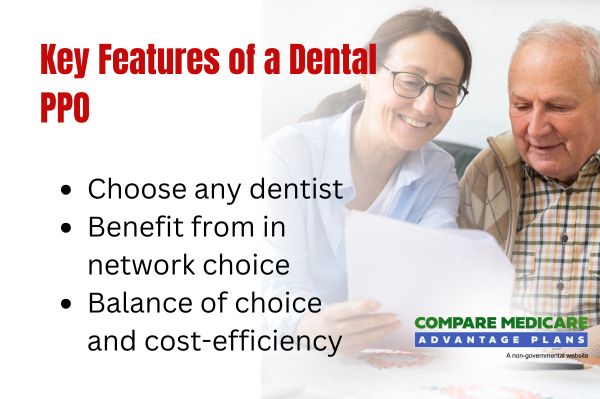
When it comes to selecting dental insurance, seniors have a variety of plans to consider. From PPOs to HMOs and other managed care plans, each offers distinct features. PPO, or Preferred Provider Organization plans, are a popular choice because of their flexible provider options. They allow you to visit any dentist but offer lower costs if you choose from a network of preferred providers. With this flexibility, many seniors find PPO dental plans favorable for accessing a wider range of services without the strain of high out-of-pocket costs.

On the other hand, HMOs or Health Maintenance Organizations often require you to select a primary care dentist and get referrals for specialist care. These plans usually have lower premiums, but the trade-off is less flexibility in choosing your dental services provider. If you have a favorite dentist, a PPO might be more appropriate, especially if they aren’t in an HMO network.

For seniors with specific needs, such as requiring major services like dentures or implants, checking for plans that cater to those needs is vital. Some plans provide higher coverage for major services, which could lower out-of-pocket expenses significantly. Be mindful, though, of the presence of any waiting periods, which can delay access to these benefits unless you opt for plans without such restrictions.

Delta Dental insurance is another option, known for its wide network and comprehensive benefits tailored to seniors. They may offer plans with or without waiting periods, giving you immediate access to the care you need.

Evaluate this option to see if it aligns with your dental care objectives. The key is to weigh your current and future dental requirements against the coverage and premiums of each plan, making sure the choice supports both your health needs and financial capacity.


Important Factors to Consider When Comparing Plans

When comparing dental insurance plans, it’s essential to consider some important factors that go beyond just the cost of premiums. First, understand the level of coverage provided, especially for preventive, basic, and major dental services.

Some plans might offer extensive coverage for preventive care, such as cleanings and exams, which are crucial for maintaining oral health. At the same time, the coverage for basic and major services such as fillings, crowns, and extractions can vary significantly.

Another critical factor is the insurance company’s network of dentists. It impacts both your choice of provider and costs. Plans like PPOs give more freedom in choosing a dentist compared to HMOs, which might restrict you to their network. Review this aspect if continuity of care with your current dentist or a particular specialist is important to you.

Additionally, analyze any coverage waiting periods, which might delay when you can start using certain benefits. Plans without a waiting period tend to have higher premiums, but they provide immediate service benefits, crucial for anyone expecting extensive dental work soon. Also, look for any exclusions or limitations in coverage to avoid surprises when you need treatment.

Cost-sharing aspects such as deductibles, coinsurance, and co-pays can greatly affect your yearly out-of-pocket expenses.

For instance, a plan with low premiums might offset costs with higher deductibles. Consider your dental care frequency and needs over a year to predict these costs accurately. The interplay between premiums and out-of-pocket expenses is a delicate balance; evaluating it will give you a clearer picture of which plan offers the best fit.

Ultimately, finding the best dental insurance involves a blend of immediate affordability, accessibility to necessary services, and coverage that aligns with potential future needs.

Take the time to enter your ZIP code on our website to explore dental insurance plans available in your area. This way, you can find a plan that meets your unique dental care requirements and budget, ensuring peace of mind and oral health well-being.

Finding no waiting period dental insurance can help seniors gain quick access to essential care. Explore options that fit your needs by entering your ZIP code on CompareMedicareAdvantagePlans.org.

Remember, coverage details and costs vary by location. We’re here to provide clear and unbiased guidance tailored to your area. Understanding these plans allows you to confidently pursue better dental health without unnecessary delays.

Start your exploration today to learn about the available dental insurance plans in your area. Your journey to better oral health begins with informed choices and support every step of the way.

Frequently Asked Questions


What are no-waiting-period dental insurance plans?

No waiting period dental insurance plans allow seniors to access dental services immediately after enrolling. These plans are useful for individuals needing urgent treatments like cleanings or fillings without any delay.


How do costs and coverage vary among dental insurance plans?

Dental insurance plans can have different structures, including varied premiums, deductibles, and co-pays. Coverage can range from basic preventive care to extensive procedures like crowns and dentures, with each plan offering different benefits and cost-sharing options.


What should seniors consider when choosing a dental insurance plan?

It’s important to consider factors such as coverage for preventive, basic, and major services, annual maximums, cost-sharing details, and network flexibility. Seniors should align their choice with their dental needs and budget.


What are PPO and HMO dental plans?

PPO (Preferred Provider Organization) plans offer flexibility in choosing dental providers and often cover a larger range of services. HMO (Health Maintenance Organization) plans typically have lower premiums but require you to choose from a network of dentists, potentially limiting flexibility.


How can seniors find suitable dental insurance plans?

Seniors can explore personalized dental insurance options by entering their ZIP code on websites like CompareMedicareAdvantagePlans.org, which offers informed insights into plans available in specific areas, catering to individual needs and preferences.

call today for help

 ZRN Health & Financial Services, LLC, a Texas limited liability company

Find & Compare Plans Online 


 Advertisement

Speak with a licensed insurance agent

 1-833-641-4938
TTY 711

Mon-Fri : 8am-9pm EST

Russell Noga
( Medicare Expert )

Russell Noga is the CEO of ZRN Health & Financial Services, and head content editor of several Medicare insurance online publications. He has over 15 years of experience as a licensed Medicare insurance broker helping Medicare beneficiaries learn about Medicare, Medicare Advantage Plans, Medigap insurance, and Medicare Part D prescription drug plans.