





Dental Insurance for Seniors 2026

Navigating dental insurance can be challenging, especially for seniors exploring their options in 2026.

This comprehensive guide aims to simplify the process, providing clear, unbiased information on dental insurance plans, coverage types, and potential costs.

Understand how various plans work, what services they typically cover, such as checkups, fillings, and dentures, and how costs might vary.

Being informed will help you make the choice that best matches your dental care needs. Please enter your ZIP code on our website to discover which dental insurance plans are available to you locally.


Brief Overview

Navigating dental insurance in 2026 can feel complex, especially for seniors focusing on covering essential and major dental services like cleanings, fillings, and dentures.

This guide breaks down how varying types of plans, such as PPOs and supplemental coverage, work to meet dental needs while considering costs and waiting periods.

Understanding plan differences helps seniors select insurance that suits their budget and care requirements.

Location influences plan options, so exploring available plans using your ZIP code ensures you find the most suitable coverage for your needs, helping maintain oral health in a financially manageable way.


Key Highlights

  • Navigating dental insurance is challenging, but understanding coverage helps seniors manage costs effectively in 2026.
  • Coverage typically includes preventive services like cleanings; some plans may exclude treatments like crowns or dentures.
  • Comparing dental plans is crucial for understanding different types of features, benefits, and network options available.
  • Supplemental coverage fills gaps in main plans, offering higher coverage limits for major procedures.
  • Plan availability and offerings vary by location; seniors should explore local options with their ZIP code.
Compare Dental Plans in One Step!

Enter Zip Code


 Advertisement

Understanding Dental Insurance for Seniors

Taking care of your teeth becomes even more important as we age. Dental insurance can help seniors manage the costs of dental care, from routine check-ups to major procedures.

Understanding what dental insurance covers, along with its limitations, is crucial. It helps older adults make informed decisions, ensuring they receive the necessary treatment without unexpected expenses.

We’ll explore what dental insurance typically covers and what might not be included. This knowledge will enable seniors to confidently navigate their insurance options and make the most of their dental benefits in 2026 and beyond.


What Dental Insurance Covers and What It May Not

Dental insurance for seniors typically provides coverage for a range of essential dental care services. Routine procedures like cleanings, exams, and X-rays are generally covered as preventive services, encouraging older adults to maintain their oral health.

These are foundational in preventing more severe dental health issues. Dental insurance also often covers treatments such as fillings and extractions, which are critical for addressing cavities and other common dental problems.

Seniors will appreciate that such coverage helps manage overall dental care costs effectively, reducing the risk of paying out-of-pocket for these necessary procedures.

However, it’s important to note that dental insurance may not cover everything. Many plans have exclusions, especially for more extensive treatments. For example, procedures like crowns, bridges, dentures, and implants might only be partially covered, or a waiting period may apply.

This means seniors could face out-of-pocket expenses unless their plan specifically includes these benefits. Additionally, cosmetic procedures are typically not covered since insurance focuses on essential health services rather than aesthetics.

Understanding the network options provided by insurance companies is crucial. Staying within the network can minimize costs, but accessing out-of-network care might result in higher fees.

Seniors should examine their plans closely to know which providers are included and how that affects their dental benefits.

Overall, having a clear grasp of what’s covered and any potential exclusions allows seniors to plan effectively, ensuring their oral health needs are met efficiently.

These insights help them avoid unexpected costs and make informed decisions about their dental care, aligning with their insurance coverage.

Comparing Different Types of Dental Plans


Comparing Different Types of Dental Plans


Navigating the various types of dental plans can be quite an undertaking, especially for seniors looking to balance between cost and coverage.

It’s essential to understand the types of plans available, such as PPO, HMO, and supplemental dental coverage, each offering unique benefits and limitations.

Being informed about these options helps seniors select a plan that aligns with their dental needs and budget. We’ll dive deeper into the differences, making it easier for older adults to make informed decisions about their dental insurance in 2026.


Understanding Supplemental Dental Coverage

Supplemental dental coverage is designed to enhance your existing insurance, filling gaps that typical policies might have. For seniors, this means addressing needs that basic plans often miss, such as major dental procedures or higher coverage limits for services.

These policies can be especially beneficial when the primary plan, like Medicare Advantage, offers limited dental benefits.

Supplemental insurance helps bridge the gap by covering out-of-pocket expenses for treatments that aren’t fully paid for by your primary insurance.

Given that many Medicare plans include only basic services, understanding how supplemental dental policies work is crucial.

The flexibility of supplemental coverage allows seniors to expand their dental benefits without completely overhauling their existing plans. It’s important to recognize how this coverage interacts with a network of providers.

While primary plans often require sticking to a network to enjoy lower costs, supplemental dental coverage might provide additional options for seniors to visit specialists where their primary insurance falls short.

This aspect can offer greater freedom and peace of mind, knowing that more extensive or specialized services are accessible without high out-of-pocket costs.

Considering these aspects, seniors need to weigh the benefits of adding supplemental insurance against potential costs. Evaluating how such a policy complements Medicare Advantage or any other existing plans is key to ensuring comprehensive dental care.

If you’re exploring dental insurance, think about whether supplemental plans could be right for you, possibly preventing large out-of-pocket expenses for services like dentures or crowns, which are less commonly covered by standard Medicare options.

For those ready to explore further, entering your ZIP code on our website will bring up options tailored to your area, letting you confidently choose the right coverage that meets your specific needs.

To enhance your understanding of supplemental dental coverage options for seniors, consider these key factors when evaluating different policies:

  • Assess the range of dental procedures covered by each plan.
  • Verify if your preferred dental specialists are included within the network.
  • Compare deductible and co-payment terms to manage out-of-pocket costs effectively.
  • Examine any waiting periods for specific treatments or services.
  • Evaluate plan coverage limits to ensure they align with your dental care needs.
  • Consider the potential impact of supplemental plans on your existing healthcare coverage.
  • Research customer service support availability for policyholders.


These points will help you make an informed decision about supplementing your dental care effectively.

Key Features to Look for in a Dental Insurance Plan

Dental insurance can significantly help manage oral healthcare costs, particularly for seniors. When selecting a dental insurance plan, it’s essential to focus on key features that will best serve your needs.

Consider aspects like plan types, benefits included, and the insurance company’s network. Understand how dental plans may vary in terms of coverage and services, as well as their specific policies and procedures.

By identifying these features, you can ensure a plan aligns with your medical needs and financial goals, providing comprehensive care while avoiding unpredictable expenses.


The Role of Insurance Companies in Plan Options

Insurance companies play a pivotal role in shaping your dental plan options. Each insurance company offers a unique network and set of plans, allowing seniors to choose from a variety of options that fit their dental care needs.

These plans often differ in benefits, coverage, and costs, making it crucial to thoroughly evaluate what each insurance company offers.

Understanding the policies of different companies helps align your choice with the medical services you anticipate needing, such as preventive care or major dental procedures.

Network considerations are vital; staying within your insurance company’s preferred network generally reduces out-of-pocket expenses. Insurance companies typically negotiate rates with network providers, resulting in a range of options for covered services.

By comparing networks across different dental plans, seniors can ensure they access quality care while maintaining control over costs. Medicare Advantage plans, while plentiful, often present limited network options, making this evaluation even more crucial.

Furthermore, different policies allow varying degrees of flexibility regarding procedures and coverage options. It’s from these choices that seniors can find a plan that offers maximum benefits, complementing their existing medical coverage needs.

Carefully reviewing the details of insurance policies is a step towards effective dental care planning. To fully understand your options, consider entering your ZIP code on our website.

Use this tool to see a specific insurance company’s offerings tailored to your area, facilitating a confident and informed selection of dental plans.

Cost Considerations for Senior Dental Insurance


Cost Considerations for Senior Dental Insurance


Navigating the costs of dental insurance is a crucial step for seniors aiming to balance finances and coverage. Dental insurance plans vary in pricing, often influenced by the breadth of services and the insurance company’s offerings.

Understanding these differences helps seniors choose affordable options without sacrificing essential coverage. We’ll delve into factors impacting cost, such as plan types, network limitations, and supplemental benefits.

Our goal is to provide seniors with a clearer picture of dental insurance expenses, helping them make informed decisions that support both their financial and oral health needs.


Finding Affordable Dental Plans

Finding affordable dental plans for seniors involves considering numerous factors that go beyond just the sticker price. One of the first steps is to assess the type of dental insurance you’re interested in.

Options like PPO (Preferred Provider Organization) plans often offer greater flexibility, allowing you to see a broad network of dentists.

However, these plans might come with higher premiums compared to HMOs (Health Maintenance Organizations), where you must stick to a specific network but at a potentially lower cost. Understanding the trade-off between flexibility and cost is key to selecting an affordable plan.

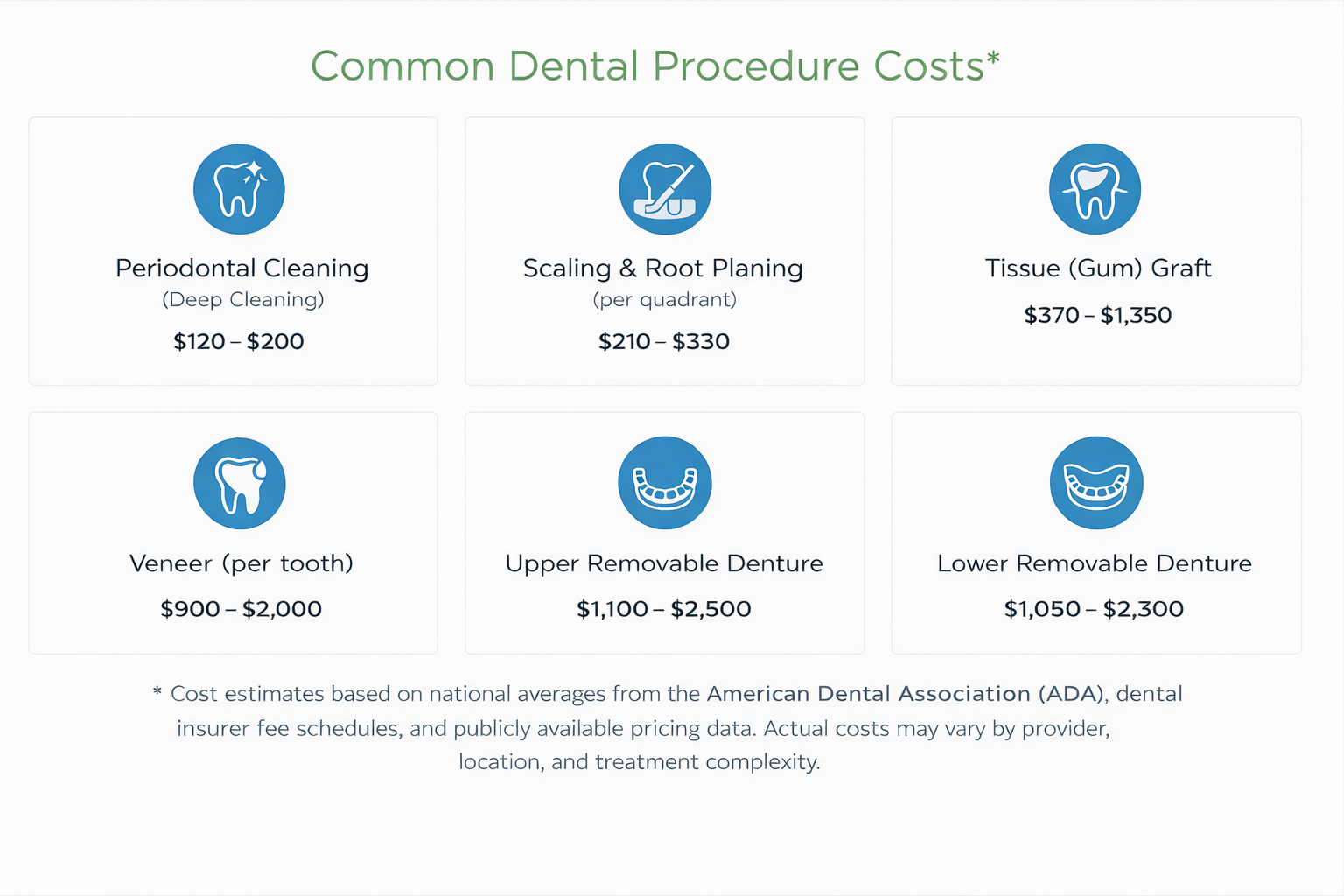
For seniors managing a tight budget, it’s important to evaluate what each plan covers. Preventive services such as cleanings and exams are generally covered well, but costs can escalate with procedures like dentures or crowns.

Investigating the specifics of each plan can highlight whether a low-cost quote includes these essential services or if additional coverage might be necessary.

Many seniors find supplemental dental insurance valuable; it complements basic plans and can fill gaps, especially for services that Medicare doesn’t fully cover. This can significantly reduce out-of-pocket expenses and provide peace of mind when you’re visiting the dentist.

Another cost-saving strategy involves understanding the insurance company’s network. Staying within this network can help minimize out-of-pocket expenses.

Choose plans where the network includes your preferred dentists, ensuring you maintain the quality of care you’re accustomed to without incurring higher fees.

Additionally, some plans might have waiting periods for certain procedures, so it’s important to consider how this might affect your coverage start date.

Exploring options available in your area by entering your ZIP code on our website can guide you to plans that fit your needs and budget, helping you confidently navigate your dental insurance choices.

Compare plans and enroll online


 Advertisement

Speak with a licensed insurance agent

1-833-641-4938
TTY 711

Mon-Fri : 8am-9pm ET

compare medicare advantage plans

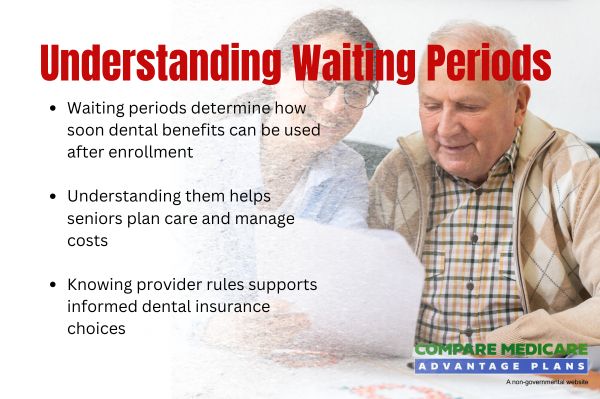
Understanding Waiting Periods and Their Impact

Waiting periods significantly influence how dental insurance coverage begins for seniors. These periods, enforced by insurance companies, often determine when specific services can be accessed.

It’s crucial for seniors to understand these timelines to avoid unexpected costs when treatment is needed. Dental plans might impose waiting periods on certain procedures, impacting when coverage kicks in.

By exploring how waiting periods affect insurance benefits and vary across plans, seniors can better navigate their dental care options. Comprehending these aspects enables better planning for dental treatments, ensuring continuous oral health without financial surprises.


How the Waiting Period Affects Coverage Start

Waiting periods in dental insurance policies are designed to delay coverage for certain procedures until a set timeframe has passed. Typically, procedures like preventative services may have no waiting period, allowing quick access to essential dental care.

However, coverage for more extensive treatments, such as crowns, bridges, or dentures, often starts only after the waiting period has ended. For seniors, understanding this delay is vital in planning their dental treatments and financial commitments.

Typical waiting periods can range from a few months to a year, affecting when dental benefits can be utilized fully.

These waiting periods can have a substantial impact, particularly if urgent treatment is required soon after enrolling in a dental insurance plan.

Seniors should be aware that dental plans vary considerably in their rules, meaning comparing policies is essential. Some plans offer reduced waiting periods, or even waivers under certain conditions, so it pays to research thoroughly.

Insurance companies use waiting periods as a tool to prevent immediate and high-cost procedures, aiming to provide a balanced approach to coverage. Knowing the details of your waiting period helps manage expectations and prevents unforeseen out-of-pocket expenses.

By comprehending how waiting periods interact with different insurance procedures, seniors can strategically plan their dental care.

It’s about aligning coverage start times with potential treatment needs, ensuring no crucial dental procedure is delayed unnecessarily.

It’s also advantageous to explore supplemental dental plans, which might offer fewer restrictions and bridge the gap until full coverage is available.

Entering your ZIP code on our website helps identify local plans tailored to these needs, supporting seniors in making informed decisions without financial stress.

Navigating Dental Services for Seniors

As we age, our dental care needs often increase, making it essential to navigate dental services effectively. Understanding the common procedures covered by dental insurance can help seniors access necessary treatment while managing costs.

It’s important to know what services are included and how insurance plans differ in coverage.

This awareness enables older adults to make informed choices about their dental care, ensuring they receive the benefits they’re entitled to without unexpected financial burdens. Let’s delve into how various plans address these common procedures and what seniors need to consider.


Common Procedures and Their Coverage

Dental services for seniors encompass a wide range of common procedures, each with varying coverage from insurance plans. Routine dental visits, including cleanings and exams, are typically covered as preventive services by most insurance companies.

This coverage encourages regular check-ups, which are vital for maintaining oral health and preventing more serious issues down the line.

These preventive treatments usually come with minimal or no out-of-pocket expenses, thus significantly aiding seniors in managing their dental care costs efficiently.

However, when it comes to more elaborate dental procedures, the coverage can become more complex. Treatments like fillings, extractions, and root canals are often partially covered, meaning seniors might need to pay a portion of the cost.

Insurance plans often classify these as basic procedures, and coverage levels can vary, so it’s crucial for seniors to review their plan details carefully. In some cases, a network of preferred providers might offer better coverage rates, helping reduce costs further.

For extensive treatments, such as crowns, bridges, dentures, and implants, the intricacies of coverage are even more pronounced. Many insurance plans impose a waiting period before these procedures are covered.

This delay means that seniors need to plan accordingly if they anticipate needing such treatments soon after enrolling in a plan. Additionally, coverage might be limited, resulting in higher out-of-pocket costs.

Supplemental insurance can be a worthwhile consideration here, bridging the gap by offering additional benefits where primary insurance coverage falls short.

Understanding these nuances helps seniors avoid unexpected bills and ensures they receive needed care promptly.

By comparing dental plans, including their specific coverage for common procedures, seniors can choose options best suited to their medical and financial needs.

Seniors are encouraged to explore their local insurance options by entering their ZIP code on our website, which could reveal plans providing comprehensive coverage without the stress of hidden costs.

Choosing the Right Plan for Your Needs


Choosing the Right Plan for Your Needs


Finding the right dental insurance plan involves understanding your unique dental needs and budget. Seniors should be aware of the various options available, from PPOs to more specialized plans, each offering a different level of coverage and benefits.

Matching the right plan to your dental needs ensures you have adequate protection for both routine care and unexpected procedures.

Let’s explore how to align these plans with your financial goals, the role of insurance companies, and how different policies can impact your dental benefits.


Matching Plans to Your Budget and Dental Needs

Choosing the perfect dental insurance plan means aligning your dental needs with your financial situation.

It’s crucial to evaluate what you expect from an insurance plan, whether it’s comprehensive coverage for various dental services or basic protection for preventative care.

For seniors, understanding how these plans fit into your budget is key. Different plans, such as PPOs, offer flexibility in choosing dental care providers, although this may come with varying premiums compared to other types of plans like HMOs.

PPO plans commonly allow access to a broader network of dentists, which might suit your needs if you prefer a specific provider who’s out-of-network in other plans.

One important aspect to investigate is the type of dental services covered under each plan and how they align with your expected needs. For instance, do the plans you’re considering provide adequate coverage for services you use regularly, like check-ups or cleaning?

Additionally, think about the potential need for major procedures like dentures or crowns. Understanding what each insurance plan covers can prevent surprises.

Each insurance company offers plans with different levels of coverage and benefits, so comparing these details becomes a fundamental part of selecting the right plan.

While a plan’s cost is a deciding factor, consider the dental benefits offered and any network restrictions. Staying within the preferred network typically reduces costs, emphasizing the importance of checking which providers are included.

Plan policies, including details on waiting periods, can also affect how soon you can use certain benefits. For comprehensive care, some seniors might find value in supplemental plans that extend beyond what a primary policy offers.

To explore all your options and find a plan that fits your specific needs, entering your ZIP code on our website can guide you to the right choices in your area, ensuring confidence and ease in your insurance selection.

The Importance of Dental Insurance in Retirement

As you enter retirement, securing dental insurance becomes increasingly vital. It provides a safety net, helping manage dental care expenses that can arise unexpectedly.

In these years, maintaining oral health is essential not only for comfort but also for your overall well-being. Dental insurance can alleviate the financial burden of costly dental procedures that might otherwise deplete your fixed income.

We’ll look into how insurance policies work, what they offer, and how they protect seniors from unforeseen expenses. By understanding these elements, seniors can make informed decisions, ensuring they maintain their oral health without financial surprises.


Preventing Large Bills and Ensuring Oral Health

Retirement is a time when managing your finances becomes crucial, as income typically shifts to fixed sources. Dental insurance plays an important role here by preventing large dental bills that can disrupt your budget.

Coverage from a dental insurance plan often includes both preventative services, like regular cleanings and exams, and procedures such as fillings and root canals.

Relying solely on out-of-pocket payments for unexpected dental care can be risky for seniors, as these costs can add up quickly, depleting savings meant for other retirement needs.

An insurance company’s plan might vary in terms of network providers and covered services, so it’s important to compare dental plans to find one that fits your needs and budget.

Some plans, like PPOs, offer a balance between provider choice and cost, which ensures that your preferred dentist might be covered.

Understanding these plans is key to avoiding unexpected bills. For instance, certain procedures could have waiting periods, meaning coverage doesn’t start immediately. This delay can significantly impact any urgent dental care needs.

Moreover, maintaining oral health is crucial. Poor oral health can affect overall health, leading to complications like infections or issues related to nutrition due to difficulty eating.

Dental insurance plans are designed not only to cover immediate dental needs but also to encourage regular visits that help catch potential issues early.

Supplemental dental insurance can further enhance your coverage, perhaps covering services that a primary plan does not, ensuring comprehensive care.

If you’re exploring options, compare the plans available in your area by entering your ZIP code on our website, helping you make informed choices without financial stress.

Exploring Dental Insurance Options in Your Area

Navigating dental insurance options can be a bit challenging, especially since plan availability varies based on where you live. It’s important for seniors to understand that location can significantly affect the dental insurance options available to them.

In some areas, you might find a wide array of plans, including PPO, supplemental, and various insurance companies offering different coverage.

By exploring how your location affects plan availability, you can better access the benefits that work for you, from preventive services to major procedures, all while minimizing costs and maximizing your dental care needs.


How Location Affects Plan Availability

The availability of dental insurance plans can vary greatly depending on your location. Seniors living in urban areas might find a larger selection of dental insurance options compared to those in rural settings.

In metropolitan regions, insurance companies often provide a broader network, including PPO plans that offer the flexibility to choose from a wide array of dentists.

These plans are attractive as they offer extensive coverage, allowing seniors to access preventive dental care services as well as coverage for procedures like fillings, crowns, and dentures.

Conversely, rural areas might have fewer options, potentially limited to plans that require selecting dentists from a smaller network. This impacts the freedom seniors have in choosing their preferred dental care providers, which can influence overall satisfaction with their dental insurance.

Insurance companies determine plan offerings based on the demand and availability of dental services in a given area.

For instance, areas with a higher density of dental practices might encourage insurance providers to offer competitively priced plans with broader coverage options.

Therefore, seniors should consider not just the plan costs but also the scope of coverage and the network of providers included. Additionally, Medicare plans in certain areas might offer varied levels of dental insurance benefits, often as supplemental coverage.

Understanding these nuances in plan availability helps seniors make more informed choices, ensuring they select a plan that fits their healthcare needs and budget.

To uncover which plans are available in your area, you might consider entering your ZIP code on our website, which can help you find plans tailored to your location.

Understanding dental insurance can be a comforting step towards maintaining your oral health. Remember, costs and coverage vary depending on where you live and the provider you select.

So, take the time to explore your options and find a plan that suits your needs and budget. To get started, enter your ZIP code on our website to see the dental insurance plans available in your area.

By educating yourself, you can confidently choose a dental insurance plan that complements your healthcare goals. We’re here to support you every step of the way.

Frequently Asked Questions


How does dental insurance typically cover seniors in 2026?

Dental insurance for seniors generally includes coverage for preventive services such as cleanings, exams, and X-rays. Coverage might extend to basic treatments like fillings and extractions. However, more extensive procedures like crowns, bridges, or dentures may have partial coverage, often with a waiting period.


What are the different types of dental insurance plans available to seniors?

Seniors can explore plan types such as PPO (Preferred Provider Organization), which offers a broader choice of providers, HMO (Health Maintenance Organization) focusing on network services, and supplemental plans that fill in coverage gaps, possibly for major procedures not fully covered by basic policies.


What should seniors know about dental insurance costs?

Costs for dental insurance can vary based on the plan type and coverage extent. PPOs may offer greater flexibility at potentially higher premiums, while HMOs might be more cost-effective but limit provider options. Additionally, some plans have waiting periods affecting when coverage begins.


How does the location affect dental insurance plan availability?

The availability of dental insurance plans depends significantly on your location. Urban areas may have a wider array of options, including expansive network plans, whereas rural areas might offer fewer choices. Entering your ZIP code can help identify local plans tailored to your area.


What are the benefits of supplemental dental coverage for seniors?

Supplemental dental coverage is designed to enhance primary plans by covering additional procedures or higher coverage limits for major treatments not fully paid for by standard insurance. It addresses gaps, particularly beneficial when primary plans offer limited dental benefits.

call today for help

 ZRN Health & Financial Services, LLC, a Texas limited liability company

Find & Compare Plans Online 


 Advertisement

Speak with a licensed insurance agent

 1-833-641-4938
TTY 711

Mon-Fri : 8am-9pm EST

Russell Noga
( Medicare Expert )

Russell Noga is the CEO of ZRN Health & Financial Services, and head content editor of several Medicare insurance online publications. He has over 15 years of experience as a licensed Medicare insurance broker helping Medicare beneficiaries learn about Medicare, Medicare Advantage Plans, Medigap insurance, and Medicare Part D prescription drug plans.