Affordable Dental Insurance for Seniors 2026

Finding affordable dental insurance can be challenging, especially for seniors seeking plans that meet their unique needs. This helpful guide explores the top dental insurance options available in 2026, making it easier for adults ages 55-85 to navigate coverage choices. Learn about various plan types, including preventive services, crowns, and dentures, and understand how costs and benefits differ.

Use this resource to compare offerings based on your location, ensuring you’re informed and confident in your decision-making. Entering your ZIP code will reveal specific options tailored to your area, helping to uncover plans that suit your requirements.


Brief Overview

Understanding dental insurance is essential for seniors looking to maintain oral health without financial strain.

Various plans are available, each offering different coverage for preventive, basic, and major treatments. Seniors should consider factors like plan type, costs, waiting periods, and whether their preferred dentists are in-network. Humana and Spirit Dental are popular providers, known for their comprehensive offerings and accessibility.

By comparing available options using their ZIP code, seniors can find plans tailored to their specific needs, ensuring effective dental care with financial confidence.


Key Takeaways


  • Dental insurance for seniors reduces out-of-pocket expenses for treatments like check-ups, cleanings, and dentures.


  • Understanding different plans, like PPOs and HMOs, helps seniors choose coverage that fits their needs and budgets.


  • Supplemental plans bridge coverage gaps left by primary insurance, offering protection against high-cost treatments.


  • Waiting periods affect when seniors can access benefits, varying by plan type and insurer policies.

Compare Plans in One Step!

Enter Zip Code


 Advertisement

Understanding Dental Insurance for Seniors

Affordable Dental Insurance for Seniors


As seniors enter a new phase of life, understanding dental insurance becomes crucial in maintaining dental health without financial strain. Dental insurance offers coverage options that help older adults access essential dental care.

Seniors often face unique challenges in securing affordable plans, but understanding the basics can make a real difference. This section explores the fundamental aspects of dental insurance coverage and highlights why having insurance is particularly important for seniors.

Knowing what to look for in dental coverage can ease the stress of navigating various plans and empower seniors to make informed decisions about their dental care needs.


The Basics of Dental Insurance Coverage

Dental insurance coverage forms a critical aspect of comprehensive healthcare for seniors. It’s designed to partly or wholly cover the costs of dental treatments, helping reduce the often hefty out-of-pocket expenses that can arise. Basic dental insurance typically includes coverage for preventive services, such as regular check-ups, cleanings, and X-rays.

These routine visits are essential in maintaining oral health and catching potential issues early, which could lead to more extensive and costly treatments if left unchecked.

Moreover, insurance companies offer plans that extend beyond preventive care, covering a portion of costs for services like fillings, crowns, dentures, and even dental implants.

Understanding these benefits allows seniors to select plans that match their dental care needs, providing peace of mind knowing that critical treatments won’t lead to unexpected financial burdens.

Dental coverage varies significantly between insurance providers. Some plans include a network of preferred dentists, which means that costs are lower if you visit providers within this network. Working with in-network dentists usually results in better cost control, as insurance companies have pre-negotiated rates for services. However, out-of-network care might still be available, albeit at a higher cost. Seniors should carefully evaluate the network size and location of participating dentists in any insurance plan they consider.

Another aspect to keep in mind is the insurance policy’s annual maximum limit. This is the maximum amount an insurance company will pay for dental services in a given year.

After reaching this limit, any additional treatment costs will be out-of-pocket. Choosing a plan with a higher annual maximum can be beneficial for seniors expecting significant dental work. It’s also crucial to consider the waiting period, a set time after enrolling in an insurance plan before certain benefits take effect.

Waiting periods vary by plan and can range from a few months to over a year for more complex procedures like root canals or orthodontics.

Dental insurance is not just about coverage but also about understanding your benefits. Older adults are encouraged to ask detailed questions about what their plans cover, including specific treatment exclusions.

By staying informed, seniors can effectively manage their dental expenses and maintain both their oral health and financial well-being.


Why Seniors Need Dental Insurance

For many seniors, dental insurance is not just a convenience but a necessity. As we age, maintaining oral health becomes more challenging due to natural wear and tear, potential health conditions, and the side effects of medications that might affect gum health. Dental insurance provides a safety net that can alleviate some of these challenges by ensuring access to necessary dental care, which is critical for overall health and quality of life.

Coverage from dental insurance helps seniors afford preventive services that can catch issues early. Regular cleanings and exams are vital for preventing gum disease and tooth decay, both of which are common in older adults.

By detecting problems early, seniors can avoid more invasive, uncomfortable, and costly treatments down the line. Dental insurance also plays a significant role in decreasing the financial impact of more extensive treatments such as fillings, crowns, or even emergency dental care.

These procedures can quickly add up, so having insurance helps manage costs and fosters better treatment outcomes.

Additionally, dental health is closely linked to a senior’s overall well-being. Poor oral health can lead to nutrition challenges, as problematic teeth and gums may limit the types of foods an older adult can comfortably eat.

This can lead to dietary deficiencies, impacting overall health and vitality. Having consistent dental care supported by insurance ensures seniors maintain a diverse and balanced diet, contributing to their general health and happiness.

The importance of dental insurance also extends to its role in enhancing seniors’ confidence and social interactions. Dental issues can affect speech and self-esteem, potentially leading to social isolation.

With insurance, treatments that improve dental aesthetics, such as dentures or dental implants, become more accessible. These treatments are not merely cosmetic but also address practical issues, helping seniors enjoy life more fully without worrying about dental discomfort or embarrassment in social settings.

In conclusion, having dental insurance isn’t just an aspect of eldercare; it’s a vital part of safeguarding one’s health and well-being.

Seniors and caregivers looking at the varied dental insurance plans should aim for a balance of comprehensive coverage, manageable costs, and access to a reliable dental network. These factors, paired with an understanding of the role insurance plays in long-term health, enable seniors to approach their golden years with confidence and security in their dental care needs.


Types of Dental Insurance Plans Available

Understanding the various dental insurance plans available can empower seniors to make informed choices about their dental care.

Various plans cater to different needs, providing coverage for preventive services, basic and major treatments, or more comprehensive packages. By reviewing the distinct types of plans, older adults can select the level of coverage that aligns with their oral health needs, budget, and preferred network of dentists.

Exploring supplemental options and understanding the role they play can also be vital for covering gaps and enhancing existing dental insurance coverage.


Exploring Different Plan Options
 

Exploring Different Plan Options


Diving into the myriad of dental insurance plans can seem overwhelming, but grasping the basics helps simplify the process. Senior dental plans differ primarily by the type of coverage they offer and the costs associated with them.

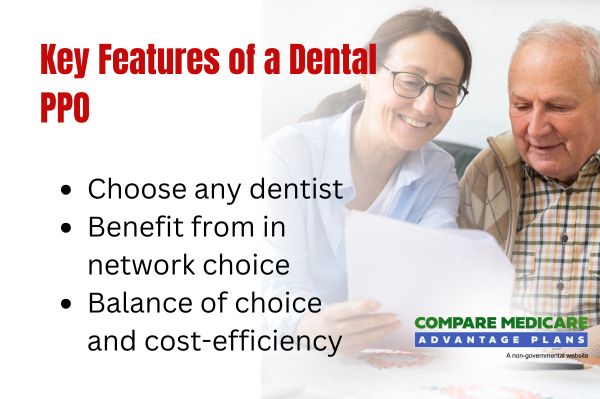
Common options include indemnity plans, which offer the flexibility to visit any dentist, and the widely chosen PPO (Preferred Provider Organization) plans, which are popular for their balance of network flexibility and cost management.

PPO plans, such as those offered by Aetna Dental and Humana Dental, allow seniors to select their dentists and often cover a substantial portion of preventive and basic services while remaining affordable.

Conversely, Health Maintenance Organizations (HMOs) require policyholders to choose dentists within a specific network, potentially limiting choices but offering lower premiums and minimal out-of-pocket expenses.

These plans are beneficial for seniors seeking cost-effective, predictable options. Aflac Dental stands as an example of how some insurance companies tailor their plans to meet diverse dental care needs while maintaining affordability.

It’s crucial for seniors to evaluate whether the dentists they prefer are within the plan’s network, as staying within the network typically leads to significant savings on dental care costs.

Indemnity plans provide the widest range of options, covering care from any dentist and typically reimbursing a percentage of costs. However, these plans often come with higher premiums and out-of-pocket expenses, which may not be ideal for seniors on a fixed income.

Additionally, many seniors opt for dental discount plans, which are not insurance per se, but provide reduced rates from participating dentists.

These plans can be a budget-friendly choice for those looking to pay for services outright but still save some costs.

When exploring different options, seniors should assess their specific dental care needs and financial limitations.

This assessment will guide them in selecting a plan that balances coverage and costs, meeting their oral health requirements without over-stretching their budget. Comparing insurance companies’ plan offerings can help pinpoint which one provides the best network, coverage, and cost benefits for their unique situation.

By doing so, seniors can ensure they maintain their dental health with confidence and financial foresight.


Here are key considerations for seniors evaluating dental plan options:

  • Assess coverage for preventive services like cleanings and check-ups, as these are crucial for maintaining oral health.
  • Examine if the plan includes major procedures, such as dentures or crowns, which might be necessary in the future.
  • Review the network of dentists involved with the plan to ensure easy access to preferred dental care providers.
  • Compare monthly premiums and out-of-pocket costs to budget effectively and avoid unexpected financial strain.
  • Check if the plan offers flexibility to add additional services as oral healthcare needs evolve over time.
  • Investigate waiting periods for specific treatments, as immediate coverage may not be available for all procedures.
  • Seek feedback from peers or consult reviews to gain insights into others’ experiences with the plan under consideration.


With these points in mind, seniors can navigate their way to a suitable dental plan with assurance.


The Role of Supplemental Dental Insurance

For many seniors, simply having a primary dental insurance plan is not enough to cover every need, particularly when unexpected treatments arise.

This is where supplemental dental insurance steps in, filling the gaps left by traditional coverage. Supplemental plans are designed to work alongside existing policies, helping to cover costs that primary plans might not fully handle, such as certain treatments, higher costs, or extended waiting periods.

Supplemental plans are particularly beneficial for seniors who find their dental health requires more frequent or specialized care, such as periodontal treatment or orthodontics, which are sometimes not fully covered by standard plans.

A supplemental option can also be a strategic choice for those dealing with high-cost procedures, like dental implants and dentures, ensuring that their out-of-pocket expenses remain manageable. Spirit Dental is an example of a company offering supplemental options that bolster primary coverage, providing peace of mind to seniors looking to avoid unexpected outlays on essential dental care.

Moreover, supplemental insurance can cater to seniors’ desires for cosmetic treatments aimed at enhancing appearance and functionality, addressing both health and self-esteem concerns.

It’s essential for older adults to calculate the combined premiums of their primary and supplemental plans to ensure that they’re financially feasible. Balancing costs against the benefits of enhanced coverage allows seniors to make informed choices that align with their health priorities.

Understanding how supplemental plans integrate with existing coverage is vital for maximizing benefits.

Seniors should carefully read each policy’s terms, identifying areas where the supplemental plan can add value, such as coverage increases or reduced waiting periods.

This comprehensive approach to dental insurance helps ensure that seniors have the necessary resources to maintain their oral health robustly in their later years without unexpected financial burdens. As seniors weigh their options, entering their ZIP code on comparison websites can unveil available supplemental plans, highlighting costs and coverage variations, further aiding in making a well-informed choice.


Coverage and Costs Explained

Navigating dental insurance can seem daunting, but it’s crucial for maintaining oral health without financial worries.

Seniors must understand what dental insurance covers and how much it can cost. Generally, dental insurance covers a variety of treatments and services, providing essential benefits. However, several factors influence costs, such as plan type, location, and whether your dentist is within the insurance company’s network. Understanding these variables offers clarity, empowering seniors to make informed decisions.

We’ll discuss typical coverage and analyze factors affecting costs to help seniors grasp how dental insurance works.


What Dental Insurance Plans Typically Cover

Dental insurance plans for seniors often encompass a range of services that cater to both routine and unexpected dental care needs.

Primarily, dental coverage includes preventive services like regular check-ups, cleanings, and X-rays. These services play a crucial role in avoiding more severe dental issues down the road. Preventive dental care is an investment in maintaining healthy teeth and gums, which can save costs and prevent extensive treatment, which leads to more discomfort later on.

Beyond preventive treatments, many dental insurance plans cover a percentage of basic and major procedures.

Basic procedures might include fillings and simple extractions, while major treatments often encompass crowns, root canals, dentures, and even partial coverage for dental implants. Each insurance company outlines specific benefits under its policies, so it’s essential for seniors to read through the plan details carefully and understand exactly what is covered.

The extent of coverage can vary depending on whether the treatment is performed by a dentist within the insurer’s preferred network. Utilizing a network provider generally results in lower costs since insurance companies often have pre-agreed rates for various services.

On the contrary, choosing out-of-network dentists might lead to higher costs, making network considerations a vital part of plan selection. Effective dental coverage thus revolves around leveraging these network benefits while ensuring access to your preferred dental care provider.

Moreover, understanding coverage limits is key. Most plans come with an annual maximum, which is the upper limit the insurance company will pay within a year.

Once this limit is reached, any further treatment costs will become out-of-pocket expenses for the insured. Knowing this helps seniors plan their dental care procedures wisely, particularly those who might anticipate high-cost treatments. It’s important to align your dental care needs with your insurance plan’s offerings to maximize benefits while managing personal expenses effectively.


Compare plans and enroll online


 Advertisement

Speak with a licensed insurance agent

1-833-641-4938
TTY 711

Mon-Fri : 8am-9pm ET

compare medicare advantage plans

Factors Affecting the Cost of Dental Insurance

The cost of dental insurance varies widely and is influenced by multiple factors that seniors should consider before selecting a plan. First, the type of plan significantly impacts cost. For instance, Preferred Provider Organizations (PPO) plans tend to offer a good balance between cost and choice, allowing members to visit a variety of dentists at reduced rates. In contrast, indemnity plans provide greater flexibility in choosing dentists, but often come with higher premiums and out-of-pocket costs.

Location is another crucial determinant of insurance costs. Dental care costs can vary by state and even within local regions, affecting the premiums insurers set. Seniors living in areas with higher dental service costs might see these reflected in their insurance premiums.

It’s always wise to use a cost estimator or online tools to gauge dental care costs in your locality, helping you plan better.

Another significant factor is the plan’s network size. Plans that include a large network of dentists might offer broader choices for care at a potentially lower cost due to negotiated rates.

If a senior’s preferred dentist is out of the insurer’s network, services might be more expensive, which can affect overall costs. Seniors should thoroughly examine which providers are covered under each plan to ensure they can see the dentists they trust without paying extra.

Waiting periods and their impact on costs cannot be overlooked. Many plans have waiting periods before covering certain treatments, especially more intensive procedures like crowns or orthodontics. These waiting periods mean that for a while, you may need to pay for certain treatments out-of-pocket. Factoring in these waiting periods is crucial when considering the timing and necessity of future dental work.

Lastly, individual health needs and dental history also play a role in determining costs. Seniors with ongoing dental issues or those anticipating significant dental work might benefit from higher coverage plans, albeit at increased premiums. It’s a balancing act between accepting higher upfront costs for comprehensive coverage, potentially saving on expensive treatments later, and opting for more economical coverage with lesser upfront expenses.

Understanding these factors empowers seniors to tailor their dental insurance plans to fit both their needs and their budgets. Carefully weighing these elements allows for informed decision-making, positively impacting oral health and overall financial planning.

Before committing to a plan, seniors are encouraged to gather details about specific costs and coverage, ensuring that their choice supports both health and cost goals effectively.

Waiting Periods and Their Impact

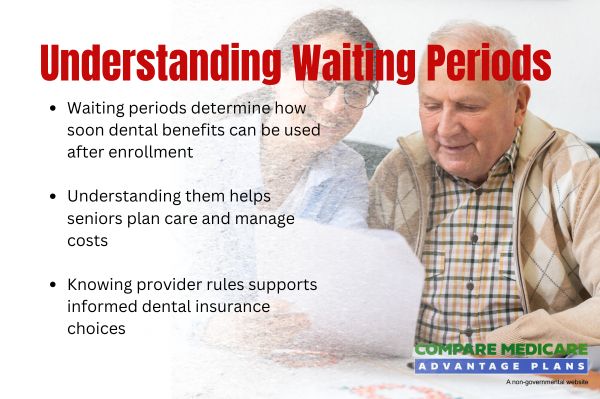
Waiting periods in dental insurance can significantly affect when seniors can access certain benefits, making it crucial to understand their role. A waiting period is a set time after enrolling in a dental insurance plan before coverage for specific treatments becomes available.

These periods can influence decisions on when to start treatment and affect overall dental care costs.

By understanding how waiting periods vary across different plans and insurance companies, seniors can make informed choices that align with their dental care needs and financial situations. Let’s explore what these waiting periods mean and how they can differ by plan.


Understanding the Waiting Period in Dental Insurance


Understanding the Waiting Period in Dental Insurance


Waiting periods are often one of the most confusing aspects of dental insurance for many seniors. Simply put, a waiting period is the time you must wait after purchasing a dental insurance policy before specific benefits take effect.

This period is typically laid out in the policy terms and varies depending on the insurance company and the type of dental care you require. During this waiting period, certain procedures may not be covered, which means out-of-pocket costs can be higher if you need immediate work done.

The primary purpose of a waiting period is for insurance companies to manage their risk. They want to ensure that new policyholders aren’t purchasing insurance to cover an immediate or already needed major dental treatment.

Therefore, waiting periods are more common for costly procedures like crowns, bridges, or orthodontics, which can quickly add up and would place a high burden on insurers without such controls in place.

For seniors, understanding these waiting periods is essential as dental needs can suddenly arise.

If you’re planning significant dental work, you’ll need to strategize the timing of your plan purchase so that coverage is available when needed. Some policies might offer reduced waiting periods for an additional cost, or if you’ve had continuous insurance coverage previously.

This can be beneficial for those who may need care sooner rather than later.

Moreover, not all dental insurance plans come with waiting periods. Some plans that emphasize preventive care may provide immediate coverage for services like cleanings and check-ups without a waiting period, while still imposing waiting periods for more comprehensive procedures.

This emphasis on preventive care helps catch issues early and maintain oral health, preventing larger, more costly treatments down the road.

As seniors navigate these options, they should weigh the potential savings of preventive care against the costs they may incur during a waiting period for major services.

Seniors contemplating a new dental insurance plan should carefully examine the specifics of any waiting period in the policy details. Doing so will help them understand when they can start receiving benefits and how to coordinate any needed care.

Planning ahead is a smart move, as it allows seniors to align their dental care needs with their insurance coverage, minimizing delays and potential out-of-pocket expenses.

This approach ensures that they can manage their dental health effectively without unexpected financial strain.


How Waiting Periods Vary by Plan

While waiting periods are a common element of dental insurance, their duration and application can vary significantly from plan to plan.

This variability makes it crucial for seniors to consider how different insurance plans fit their personal dental care needs and timelines.

For instance, some insurance companies may impose a three to six-month waiting period for basic procedures like fillings, while major treatments like crowns might have waiting periods extending up to a year or more.

The variation in waiting periods depends largely on the type of dental insurance plan and the insurer’s policies.

For example, Preferred Provider Organization (PPO) plans and Health Maintenance Organization (HMO) plans might have distinct rules about waiting periods. PPO plans, though often more flexible regarding provider choices, might have stricter waiting periods for major treatments.

Conversely, HMO plans, which require using in-network providers, might offer shorter waiting periods, but limit the flexibility in choosing a dentist.

Some insurance companies offer plans with no waiting periods for preventive care, allowing immediate access to essential services. This type of coverage is particularly beneficial for seniors who prioritize maintaining their oral health through regular check-ups and cleanings.

Having immediate coverage for preventive services can reduce the risk of developing more complicated dental issues that require more intensive treatment later on.

Supplemental dental insurance plans can also play a role in mitigating the impact of waiting periods. These plans work alongside primary insurance policies to provide additional coverage for treatments that might not be immediately available through the primary plan.

For seniors who anticipate needing dental work, supplemental insurance can be a strategic tool to bridge the gap during waiting periods, potentially reducing out-of-pocket costs and ensuring continuous care.

It’s important for seniors to analyze their current and future dental needs when considering plans with waiting periods. For those in urgent need of dental procedures, opting for plans with shorter or no waiting periods might be necessary, even if they come at a higher premium.

Conversely, if preventive care is the focus, choosing a plan that provides immediate coverage for such services might be the optimal route. Evaluating these options thoroughly ensures that seniors can maintain their dental health without unexpected barriers.

In summary, while waiting periods are a standard part of dental insurance, their impact varies significantly based on the chosen plan and personal circumstances. Seniors should diligently compare plans, considering the duration of waiting periods relative to their dental care priorities and financial plans.

This careful comparison enables seniors to secure insurance coverage that offers the best balance between accessibility, affordability, and required services, supporting their dental health well into their later years.


Exploring Popular Dental Insurance Providers


Exploring Popular Dental Insurance Providers


When searching for affordable dental insurance, understanding popular providers can guide seniors towards better choices for their dental care.

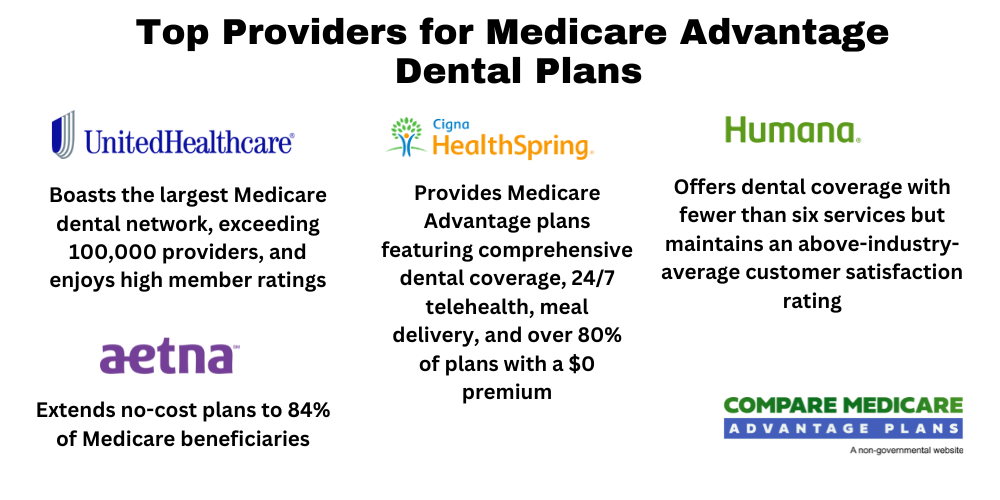
Providers like Humana Dental and Spirit Dental are well-regarded for their diverse plan offerings that cater to the specific needs of seniors. This section delves into what these companies offer, highlighting their coverage, network benefits, and why they might be suitable for those seeking reliable dental insurance in 2026.


An Overview of Humana Dental and Spirit Dental

Humana Dental is recognized for its extensive network and comprehensive coverage options tailored to fit various needs.

They offer a range of plans that include preventive, basic, and major services, allowing seniors to select coverage levels that align with their unique dental health requirements. With Humana Dental, preventive services such as cleanings and check-ups are often available immediately after enrollment, making it easier for seniors to maintain their oral health. Additionally, Humana’s network spans across many regions, ensuring that participating dentists are accessible to most policyholders.

This wide reach guarantees seniors can choose professionals within their comfort zone, subsequently reducing out-of-pocket costs by leveraging in-network discounts.

Spirit Dental, on the other hand, is known for its commitment to simplicity and straightforward coverage. It offers plans that typically don’t impose a waiting period for preventive and basic services, a standout feature for those needing immediate dental care.

Spirit Dental’s approach is particularly beneficial for seniors who anticipate needing coverage right away without extra waiting period hurdles. Moreover, Spirit Dental covers a variety of treatments ranging from cleanings to more elaborate procedures like dentures and implants, making it a versatile choice for comprehensive dental needs.

Both Humana and Spirit Dental emphasize flexibility and accessibility. Humana offers the advantage of customizable plans, allowing seniors to pick and choose their preferred coverage levels.

Spirit Dental, with its hassle-free policies, ensures seniors enjoy peace of mind without the complications of long waiting periods. Although their offerings might differ slightly, both insurers prioritize keeping costs manageable, with premiums and co-pays designed to fit within the budget constraints of many seniors.

Coverage through these companies also extends to emergency services, which can be critical for unexpected dental issues. This aspect is crucial for seniors since dental emergencies can arise abruptly and require immediate attention. By ensuring such events are covered, both Humana and Spirit Dental deliver a sense of security that aids in budget planning and reduces financial surprises. Furthermore, their emphasis on preventive care aligns with the idea that maintaining regular dental visits can prevent larger, costlier issues down the road.

In conclusion, exploring dental insurance providers like Humana Dental and Spirit Dental offers seniors a clear view of how policies can support diverse dental needs in a budget-friendly manner.

It’s essential to compare the plans specifically available in their area to ensure they select options offering optimal network and cost benefits. As these providers offer varied plans designed to meet unique needs, seniors are encouraged to enter their ZIP code on comparison websites to explore the specifics of each plan. This step ensures they find coverage that suits their dental health requirements, giving them the confidence to manage their oral care effectively with financial foresight.

Choosing dental insurance as a senior can be simple with the right information. By comparing options, you can find a plan that meets your needs.

Consider costs, coverage for treatments, and any waiting periods. Remember, plans vary by location and provider, so it’s important to explore what’s available in your area. Enter your ZIP code on our website to learn more about the dental insurance plans that fit your needs.

This will help you take charge of your oral health confidently and ensure you have the coverage you need.

Frequently Asked Questions


What factors should seniors consider when choosing dental insurance?

Seniors should look at plan types, costs, waiting periods, network of preferred dentists, and coverage for preventive, basic, and major treatments. It’s essential to consider personal dental needs and budget when selecting a plan.


Why is dental insurance important for seniors?

Dental insurance helps reduce out-of-pocket costs for treatments such as check-ups, cleanings, and dentures. It provides financial confidence and helps maintain oral health, which is vital for overall well-being.


How do waiting periods work in dental insurance plans?

Waiting periods are the times you must wait after enrolling before coverage for certain treatments can begin. They vary by insurer and plan, impacting when you can access benefits for specific procedures.

For example, a plan might have a 6-month waiting period for basic services and a 12-month period for major treatments.


What are PPO and HMO dental insurance plans?

PPO plans (Preferred Provider Organization) offer more flexibility with a larger network of dentists. HMO plans (Health Maintenance Organization) are typically less expensive but require choosing dentists within a network.


How can seniors find dental insurance plans tailored to their location?

Seniors can use websites like CompareMedicareAdvantagePlans.org to explore dental insurance options based on their ZIP code, offering plans suited to their area’s specific network and cost parameters.

call today for help

 ZRN Health & Financial Services, LLC, a Texas limited liability company

Find & Compare Plans Online 


 Advertisement

Speak with a licensed insurance agent

 1-833-641-4938
TTY 711

Mon-Fri : 8am-9pm EST

Russell Noga
( Medicare Expert )

Russell Noga is the CEO of ZRN Health & Financial Services, and head content editor of several Medicare insurance online publications. He has over 15 years of experience as a licensed Medicare insurance broker helping Medicare beneficiaries learn about Medicare, Medicare Advantage Plans, Medigap insurance, and Medicare Part D prescription drug plans.