






Special Enrollment Periods Medicare Advantage 2026
Special enrollment periods for Medicare Advantage might change in 2026. This article covers the potential updates and how they could impact your plan options.
Key Takeaways
- Special Enrollment Periods (SEPs) allow Medicare Advantage enrollees to adjust their coverage based on qualifying life events, offering more flexibility than the Annual Enrollment Period.
- Potential changes to SEPs anticipated in 2026, which may include improved provider directory information and the introduction of prior authorization requirements for specific medical services.
- Choosing between Medicare Advantage and Original Medicare during SEPs will likely involve careful evaluation of coverage options, potential benefits, and various cost implications, such as out-of-pocket expenses.
Compare Plans In One Step!
Understanding Special Enrollment Periods

Special Enrollment Periods (SEPs) are crucial for Medicare Advantage enrollees, enabling coverage changes during specific life events. Unlike the Medicare Annual Enrollment Period, which has a set timeframe, SEPs offer flexibility based on individual circumstances. This adaptability may be essential for those with changing healthcare needs.
A distinction between SEPs and other enrollment periods, like the Open Enrollment Period or Initial Enrollment Period, is that SEPs are triggered by qualifying life events. These events range from moving out of a plan’s service area to losing other health coverage.
For example, moving and changing your address allows you to switch your Medicare Advantage Plan within two months.
SEPs also cover unique situations, such as release from incarceration or loss of Medicaid coverage. Upon release from incarceration, you have two months to join a Medicare plan, assuming you maintained Part A and/or Part B coverage. Individuals losing Medicaid coverage have three months to enroll in a Medicare Advantage or drug plan.
SEPs also allow switching to plans with higher quality ratings. Medicare enrollees can switch to a five-star quality rating plan once annually during a designated SEP. This ensures that beneficiaries could have access to better care and services, likely making SEPs a vital component of maintaining optimal healthcare coverage.
Qualifying Life Events for SEPs
Qualifying life events act as the foundation of SEPs, determining eligibility for coverage changes. These events encompass significant personal changes that could affect your healthcare needs. Moving out of a plan’s service area, for instance, grants a three-month SEP to enroll in a new Medicare plan.
Losing other health insurance or employer coverage may also qualify individuals for a two-month SEP to enroll in a Medicare Advantage or drug plan. To qualify for these special enrollment periods, it’s essential to understand the criteria involved.
Special enrollment periods (SEPs) for Medicare include:
- Returning to the U.S. after living abroad provides a two-month window to enroll in a Medicare Advantage plan.
- Those released from incarceration have a two-month SEP to join a Medicare plan, provided they continued paying for Part A and/or Part B coverage while incarcerated.
- Losing creditable prescription drug coverage allows enrollment in a Part D plan within two months.
Special circumstances, such as dual eligibility for Medicare and Medicaid, also trigger SEPs. These individuals can join a plan within three months of becoming eligible.
Disasters and emergencies declared by the state or FEMA provide disaster-related SEPs, offering extra time to change coverage. Knowing these qualifying life events could help members make timely and appropriate adjustments to their Medicare coverage.
How to Enroll During a SEP
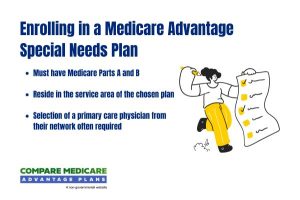
Enrolling during a Special Enrollment Period (SEP) involves several key steps to ensure smooth coverage updates for individuals enrolled:
- Collect the necessary documentation to prove your SEP eligibility.
- This documentation might include proof of a move, loss of previous coverage, or other qualifying life events.
- Having the correct documentation ready streamlines the enrollment process and prevents delays.
After gathering your documentation, act swiftly. Enrollment timing is crucial since coverage usually starts on the first day of the month after you enroll. For instance, enrolling in a new plan on April 15th means your coverage starts on May 1st. Prompt action helps avoid gaps in healthcare coverage.
Awareness of the specific enrollment windows for various SEPs is crucial. For example, Medicare Advantage enrollees can change plans between January 1st and March 31st of the calendar year.
Missing these deadlines might result in gaps in coverage or higher out-of-pocket costs. Staying informed and acting quickly could help ensure that your coverage changes align with your healthcare needs.
Changes to SEPs in 2026
The landscape of SEPs may be evolving, with possible changes coming in 2026. A potential change might be a new SEP for individuals affected by incorrect provider directory information from the Medicare Plan Finder. This change addresses errors that could potentially lead to enrollees choosing plans with inaccurate provider details, ensuring they have the right information for informed decisions.
Another possible change might be the introduction of prior authorization requirements for specific medical services under original Medicare coverage and Medicare Medicaid services.
Beginning in 2026, beneficiaries may also need prior approval for certain treatments, which might affect the speed of accessing necessary care. This potential requirement will likely emphasize understanding plan details and their implications for your healthcare.
Additionally, new regulations under H.R. 1 and Marketplace rules may also bring more changes to SEPs. These adjustments will likely affect SEP management and the options available to beneficiaries. Staying informed about these changes will likely be crucial as they could impact your ability to change plans and access healthcare services efficiently.
Compare plans and enroll online

Potential Impact of SEPs on Medicare Costs

SEPs may greatly impact Medicare costs, such as providing opportunities to manage expenses effectively. Beneficiaries with low-income subsidies might prefer Medicare Advantage plans due to zero-premium options. These plans could potentially lower the financial burden on enrollees, possibly making healthcare more accessible.
Medicare Advantage enrollees could potentially enjoy lower premiums for drug coverage compared to stand alone part Medicare prescription drug plan. Based on data from recent years, some beneficiaries in Medicare Advantage plans may have had lower out-of-pocket costs for prescription drugs than those in standalone Medicare Part D prescription plans.
This trend will likely continue, underscoring the potential cost benefits of selecting the right plan during an SEP.
The Inflation Reduction Act might introduce an out-of-pocket spending cap for Medicare beneficiaries, which could help to limit overall drug costs. This cap will likely act as a safety net against high prescription expenses, possibly ensuring beneficiaries do not face overwhelming out-of-pocket costs.
Enrolling in certain programs during SEPs could potentially save thousands of dollars annually. Understanding these financial implications might help in making informed decisions to optimize Medicare coverage and costs.
Comparing SEP Options: Medicare Advantage vs. Original Medicare
Choosing between Medicare Advantage and Original Medicare during SEPs will likely require weighing various factors. Original Medicare offers flexibility, allowing beneficiaries to see any provider that accepts Medicare without referrals.
This freedom could be crucial for those needing specialized care or preferring specific healthcare providers.
Medicare Advantage plans will likely have the following characteristics:
- Require enrollees to use a network of providers, which may limit options, especially if your chosen provider is not in the network
- Some plans might include additional benefits like dental and vision care
Another possible consideration is the annual out-of-pocket spending cap that certain Medicare Advantage plans might offer, which Original Medicare does not.
This cap could help protect against high medical expenses, likely making Medicare Advantage a safer choice for those concerned about unexpected costs. However, failing to compare plans thoroughly could lead to inadequate coverage, especially if the selected plan doesn’t cover prescription medications.
Carefully evaluating both options will likely help in choosing the plan that best suits your health care needs and budget.
Tips for Maximizing SEP Benefits

Maximizing SEP benefits will likely require strategic planning and informed decision-making. During open enrollment, be sure to review your current coverage and consider if changing plans could better meet your needs. This proactive approach may help manage costs and ensures you have the coverage that aligns with your health requirements.
Using the Medicare Plan Finder is crucial for exploring available plan options. This tool helps compare benefits, potential costs, and network providers, making it easier to find a plan that fits your specific needs.
If you join a Medicare Advantage plan during your Initial Coverage Enrollment Period, you have a 12-month window to switch back to Original Medicare if it better suits your needs.
Considering the potential benefits is also important. Some plans might offer benefits like:
- dental
- vision
- hearing
Carefully evaluating your options and taking advantage of SEP opportunities could potentially maximize your Medicare benefits and help maintain optimal healthcare coverage.
Common Mistakes to Avoid During SEPs
Avoiding common mistakes during SEPs could help to prevent unwanted consequences. One common error might be overlooking SEP deadlines, which could lead to gaps in coverage and additional costs. Timely action is crucial to ensure continuous healthcare coverage and avoid penalties.
Another common mistake might be assuming employer insurance coverage is sufficient, which might delay Medicare enrollment. This misconception may lead to higher costs and missed opportunities for better coverage.
It’s important to evaluate your employer’s insurance company and compare it with Medicare options to make an informed decision.
Lastly, delaying the purchase of a Medigap policy may lead to higher costs or denial due to preexisting conditions. Medigap policies could provide valuable supplemental coverage, but delaying enrollment might result in limited options and higher premiums.
By avoiding these pitfalls, you will likely ensure a smooth transition during SEPs and maintain comprehensive healthcare coverage.
Summary
Special Enrollment Periods (SEPs) could offer crucial opportunities for Medicare Advantage enrollees to adjust their coverage in response to significant life events. Understanding the qualifying events, the enrollment process, and possible changes in 2026 will likely be vital for making informed decisions. By maximizing SEP benefits and avoiding common mistakes, you will likely optimize your Medicare coverage and manage healthcare costs effectively.
Staying informed and proactive is key to navigating SEPs successfully. With the right knowledge and timely action, you could potentially ensure that your Medicare coverage aligns with your health needs and financial situation. Take advantage of SEPs to maintain optimal healthcare coverage and enjoy peace of mind.
Frequently Asked Questions
→ What is a Special Enrollment Period (SEP) in Medicare?
A Special Enrollment Period (SEP) in Medicare enables enrollees to modify their coverage due to specific life events, such as relocation or loss of other health insurance. It is crucial for individuals facing these changes to understand their options for maintaining adequate health coverage.
→ What are some qualifying life events for SEPs?
Qualifying life events for Special Enrollment Periods (SEPs) include moving out of a plan’s service area, losing other health insurance or Medicaid eligibility, and being released from incarceration. If you experience any of these circumstances, you may be eligible to enroll in a new health plan.
→ How do I enroll in Medicare during a SEP?
To enroll in Medicare during a Special Enrollment Period (SEP), gather the necessary documentation and complete your application within the designated enrollment window; coverage will generally start on the first day of the following month.
→ What possible changes to SEPs might come in 2026?
In 2026, new Special Enrollment Periods (SEPs) might be introduced for individuals impacted by incorrect provider directory information, and Original Medicare may also implement prior authorization requirements for specific services. This could potentially signify a notable shift in how beneficiaries navigate their healthcare options.
→ How might SEPs impact my Medicare costs?
SEPs could potentially impact your Medicare costs by enabling you to switch to plans with lower premiums or improved drug coverage, while the Inflation Reduction Act will likely provide an out-of-pocket spending cap that could further assist with financial management.
Have Questions?
Speak with a licensed insurance agent
1-833-641-4938
TTY users 711
Mon-Fri: 8am-9pm ET
Find & Compare Plans Online
ZRN Health & Financial Services, LLC, a Texas limited liability company

Russell Noga is the CEO of ZRN Health & Financial Services, and head content editor of several Medicare insurance online publications. He has over 15 years of experience as a licensed Medicare insurance broker helping Medicare beneficiaries learn about Medicare, Medicare Advantage Plans, Medigap insurance, and Medicare Part D prescription drug plans.