Dental Vision Hearing Insurance for Seniors

Understanding dental, vision, and hearing insurance is essential for seniors seeking comprehensive coverage for their health needs. These insurance options can help manage costs for vital services like regular eye exams, hearing aids, and dental checkups.

Knowing what each plan covers, including common procedures and any limitations, is key to making informed decisions. This webpage aims to provide clear, simple explanations tailored for seniors aged 55–85, highlighting potential benefits and considerations without any sales pressure.

By exploring this resource, seniors can gain confidence in how insurance might support their overall well-being.


Brief Overview

Understanding dental, vision, and hearing insurance is crucial for seniors seeking comprehensive health coverage. These insurances help manage costs for essential services such as eye exams, hearing aids, and dental checkups.

Knowing what each plan covers, including limitations, aids in informed decision-making. Such insights offer seniors clarity and confidence in choosing the right plans to support their well-being. Entering your ZIP code on our site can provide localized plan options tailored to your needs, ensuring a fit for your healthcare and financial circumstances.


Key Takeaways


  • Dental, vision, and hearing insurance help seniors cover essential health services and manage costs.


  • DVH plans offer bundled coverage, ensuring comprehensive protection for seniors’ diverse health needs.


  • Understanding premiums, deductibles, and coverage limitations is crucial for managing insurance costs.


  • Use your ZIP code to identify specific dental, vision, and hearing insurance plans available in your area.

Compare Plans in One Step!

Enter Zip Code


 Advertisement

Understanding Dental, Vision, and Hearing Insurance

Dental Vision Hearing Insurance for Seniors


Exploring the world of dental, vision, and hearing insurance is crucial as seniors look for comprehensive coverage that meets their needs. These insurance plans are often bundled into what’s known as DVH plans, designed to provide broad protection.

By understanding the differences and nuances of these insurance types, seniors can better navigate their options. Each offers unique benefits tailored for dental insurance, vision coverage, and hearing protection.

Recognizing the available coverage and its limitations allows seniors and caregivers to make informed choices that ensure essential services are within reach while addressing budgetary considerations.


What Are the Differences Between These Types of Coverage?

Diving into the specifics of dental, vision, and hearing insurance, it’s essential to acknowledge how each type addresses unique needs. Dental insurance primarily focuses on oral health. This includes coverage for preventive services like cleanings and exams, as well as restorative needs such as fillings and crowns.

It’s vital to understand that not all plans cover advanced procedures like implants or orthodontics, and these can often involve longer waiting periods. Coverage can vary significantly depending on the insurance company and plan, making it essential to review what’s included thoroughly.

Vision coverage, on the other hand, caters to eye health. Such plans include regular exams and can provide discounts or coverage for eyeglasses and contact lenses.

Some vision plans also cover services related to eye diseases, but be sure to delve into the details of the plan documents. Vision plans usually require consideration of limitations on frame choices and lens enhancements, affecting overall cost and satisfaction.

Hearing insurance plays a crucial role in covering hearing-related services, which might otherwise be expensive. These plans often include coverage for regular hearing tests, hearing aids, and even fittings.

However, limitations can be present, such as coverage caps or out-of-pocket expenses. Understanding these differences is essential for tailoring a DVH plan that genuinely fits one’s lifestyle and health requirements.

By exploring these variations, seniors can strategically choose a comprehensive insurance plan that balances dental, vision, and hearing needs while considering potential regional restrictions. Using this knowledge effectively can ensure that seniors enjoy a robust quality of life with fewer financial surprises.

When considering these insurance types, it’s crucial to review all aspects of coverage and plan limitations, ensuring confidence in the choices made for maintaining overall well-being.


When discussing dental, vision, and hearing insurance, it’s crucial to consider several factors to ensure comprehensive coverage:

  • Assess your current and future dental care needs, focusing on any potential for advanced procedures.
  • Verify if vision plans provide adequate coverage for regular exams, desired lenses, and frames.
  • Consider the frequency of necessary hearing tests and potential future hearing aid costs.
  • Compare plan options to discern coverage limits and any out-of-pocket expenses for each type of coverage.
  • Investigate any additional services or discounts that could enhance the overall value of the plan.
  • Evaluate the provider network and your access to professionals in your area for each insurance type.
  • Examine any waiting periods for specific procedures or services crucial to your health needs.


By carefully reviewing these factors, you can gain a better understanding of how to tailor an insurance plan that fits both your lifestyle and health priorities.


Benefits of Dental Coverage for Seniors

 

Benefits of Dental Coverage for Seniors


Dental coverage offers numerous benefits crucial for maintaining overall health and well-being as we age. For seniors, having reliable dental insurance is more than just coverage for dental services, it’s about ensuring a better quality of life.

This section dives into common dental services covered by most plans and how these can assist in day-to-day health management. From preventive care, such as regular cleanings and exams, to restorative treatments, having dental coverage can significantly impact seniors’ health without overwhelming financial burdens.


Common Dental Services Covered

Understanding what dental insurance covers helps seniors make informed decisions regarding their oral health. Primarily, dental insurance plans often cover preventive services designed to catch problems early on.

This typically includes regular check-ups, cleanings, X-rays, and exams. Such preventive care not only helps detect potential problems before they escalate but also supports maintaining overall health. For seniors, regular dental care can prevent more serious health issues, integrating seamlessly into an all-encompassing approach to health care.

In addition to preventive services, many dental insurance plans cover a range of restorative services. Restorative dental care usually encompasses procedures such as fillings for cavities and crowns to restore damaged teeth.

These treatments are essential in maintaining the functional aspects of dental health, allowing seniors to enjoy comfortable eating and speaking without pain or discomfort.

This part of dental coverage ensures that seniors receive timely care, which can prevent minor issues from becoming complex problems that might lead to more extensive and expensive procedures like extractions or root canals.

Some plans also extend coverage to major dental services, although typically with additional waiting periods. These might include bridges, dentures, and even implants, offering seniors more comprehensive solutions for tooth replacement.

Having coverage for such services allows for an array of treatment options that fitly address significant dental needs without causing a financial strain. It’s important for seniors to closely review their plan’s details to understand the extent of coverage available, as plans can vary greatly.

In summary, dental coverage supports senior health by offering access to essential dental care services that promote quality of life. By reducing out-of-pocket costs for preventive and restorative services, dental insurance empowers seniors to keep up with regular dental care.

This proactive approach not only contributes to better oral health but also enhances overall well-being. With a clearer understanding of what dental plans cover, seniors can better navigate their options, making informed decisions about their health needs.

To further explore dental insurance options in your area, consider entering your ZIP code on our site, where costs and coverage can vary based on location.


Exploring Vision Insurance Options

For seniors, understanding vision insurance options can significantly impact their overall well-being. Vision plans are designed specifically to address eye health needs, offering a range of services that can help maintain clear sight.

By exploring different vision insurance options, seniors can identify plans that suit their unique needs, from routine eye exams to eyewear and even care for eye diseases. The scope of vision services and any limitations present in these plans are crucial factors to consider.

This ensures that seniors can achieve the best possible outcomes for their vision care while managing costs effectively.


Key Vision Care Services and Limitations

Vision insurance primarily focuses on maintaining eye health, making it a vital component of comprehensive senior care. Most vision plans cover routine eye exams, an essential service for detecting vision problems early.

These exams can help seniors stay proactive about their eye health, identifying issues such as macular degeneration or cataracts before they become significant. Vision plans often include coverage for prescription eyewear, such as glasses and contact lenses, offering seniors a way to correct vision effortlessly.

Yet, it’s important to note that there are often limitations on the brands or types of frames covered. As such, reviewing plan details is essential to avoid unexpected out-of-pocket expenses.

Some vision plans also offer services related to eye diseases, which can be especially beneficial for seniors dealing with chronic conditions like glaucoma. However, there may be restrictions or caps on these services, requiring a close examination of what each plan includes.

Understanding these limitations ensures that seniors aren’t caught off guard by costs that aren’t covered. Vision insurance often does not cover more extensive or specialized eye surgeries, which necessitates exploring supplemental options if such care becomes necessary.

By considering these factors, seniors can align their vision care needs with the right vision insurance.

Navigating the intricate details of vision insurance options might seem daunting, but a good grasp of the services and limitations can provide confidence. It empowers seniors to select plans that not only fit their budget but also address their specific vision care goals effectively.

Tailoring vision coverage to suit personal needs ensures that eye health remains a priority without straining finances. To discover the available vision insurance options in your area, enter your ZIP code on our site, where you’ll find plans vary by location and individual requirements.

This step will help you explore tailored solutions for comprehensive vision care coverage.


The Role of Hearing Insurance in Senior Care

As we delve into the importance of hearing insurance in senior care, it’s clear that maintaining auditory health is essential for a healthy and engaged lifestyle.

Hearing loss can significantly impact daily communication and social interaction, which is why understanding hearing coverage is vital. This section will explore hearing aid coverage, as well as the benefits that hearing insurance brings to seniors.

The right hearing insurance plan can be pivotal in supporting seniors’ auditory health, ensuring they maintain connections with loved ones and stay engaged in their communities.


Understanding Hearing Aid Coverage and More

Hearing insurance plays a crucial role in covering costs associated with hearing aids and additional services that might not be affordable otherwise. Without coverage, the expense of hearing aids, which often runs into thousands of dollars per unit, can be overwhelming for many seniors.

Thankfully, hearing insurance can help alleviate these costs, ensuring seniors have the necessary support. Hearing benefits typically include coverage for hearing tests and hearing aid devices, which are essential for maintaining optimal auditory health.

However, it is important to be aware of certain limitations and specifications. Many hearing insurance plans offer coverage with certain caps, requiring careful consideration of each plan’s details.

Seniors should understand the scope of coverage their hearing insurance provides. This includes recognizing any additional out-of-pocket expenses they may face, such as co-payments or deductibles.

Some plans may also have provisions for routine hearing exams and fittings, adding value beyond just the hearing aid devices themselves. This holistic approach ensures that seniors receive comprehensive care that extends beyond device purchase, focusing on regular check-ups and adjustments as needed.

Having access to hearing insurance can greatly enhance communication abilities for seniors, allowing them to stay active in social circles and maintain strong family bonds.

It’s vital for seniors to compare different hearing insurance options, understanding what each plan covers and identifying any potential limitations in terms of coverage caps or network restrictions. By addressing these aspects, seniors can select a hearing insurance plan that best fits their needs, ensuring they receive the necessary care to enjoy an enriched quality of life.

Ultimately, understanding the nuances of hearing insurance empowers seniors to make informed decisions that support their auditory health and general well-being. This proactive approach enables them to minimize out-of-pocket expenses while maximizing the benefits received.

For those interested in exploring hearing insurance options tailored to their needs, consider entering your ZIP code on our site to discover how costs and coverage might vary based on location.


Comparing Comprehensive Plans for Seniors

Choosing the right DVH plans, covering dental, vision, and hearing, can significantly impact seniors’ quality of life. These comprehensive plans aim to address the full spectrum of seniors’ health needs, offering a balanced approach to maintaining overall well-being.

By comparing different plan options, seniors can find an optimal blend that covers essential services while managing costs effectively.

Whether the focus is on preventing dental issues, ensuring clear vision, or maintaining hearing health, understanding the features of each plan is key to making informed decisions.


Finding the Right Balance: Dental, Vision, and Hearing Needs

Finding the right balance in dental vision hearing (DVH) insurance plans is essential for seniors aiming to cover their diverse health needs without overwhelming expenses. A comprehensive DVH plan should equitably address dental, vision, and hearing requirements while fitting comfortably within one’s budget.

When examining these plans, it’s crucial to focus on what services are covered and where there might be potential gaps. Dental coverage often includes preventive care like cleanings and exams, which help keep oral health in check, along with treatments like fillings and crowns.

However, plan limitations may affect coverage for major services such as implants, highlighting the importance of reviewing plan details thoroughly. Vision needs are met through plans that typically cover regular eye exams, an essential service for ongoing ocular health.

These exams play a crucial role in the early detection of conditions like cataracts or glaucoma. Coverage for prescription glasses and contact lenses is common, but pay attention to any restrictions on brands or types of frames.

With hearing, the focus is on covering costs related to hearing aids and associated services. These can include exams and fittings, vital for sustaining communication abilities and social interactions, thus greatly enhancing life quality.

When comparing DVH plans, it’s important to identify personal priorities and how each plan’s coverage aligns with these. Some seniors might place a greater emphasis on dental coverage for restorative procedures, while others may prioritize vision or hearing based on personal health history.

Evaluating copayments, deductibles, and maximum benefits can further guide the selection of a suitable plan. It’s also helpful to consider how the plan accommodates potential future needs, ensuring ongoing care as health changes over time.

For those wanting to explore comprehensive DVH plans in their locale, entering your ZIP code on our site may reveal options that best fit your needs.


Common Costs and Considerations

 

Common Costs and Considerations


When examining dental, vision, and hearing insurance for seniors, understanding the common costs and considerations is pivotal. Each plan can vary significantly in terms of premiums, out-of-pocket expenses, and the scope of services covered.

It’s crucial to grasp these differences to make informed choices that meet your healthcare needs and fit within your budget. Evaluating the costs and understanding what affects them allows seniors and caregivers to strategize more effectively.

With a variety of plans available, it’s important to recognize the trade-offs between premiums, coverage levels, and potential out-of-pocket expenses.


Compare plans and enroll online


 Advertisement

Speak with a licensed insurance agent

1-833-641-4938
TTY 711

Mon-Fri : 8am-9pm ET

compare medicare advantage plans

What to Expect with Premiums and Out-of-Pocket Expenses

Premiums are generally the first cost you’ll encounter when considering dental, vision, and hearing insurance plans. These regular payments can vary based on the type of coverage you select, the insurance company, and the specific plan’s scope.

Typically, plans with higher coverage levels and fewer exclusions tend to have higher premiums. Therefore, while a plan may offer extensive coverage for dental services, vision care, or hearing aids, it might come with a corresponding increase in premiums.

It’s crucial to balance these costs with the actual benefits you expect to receive, ensuring the plan fits your financial situation without overextending your budget.

Beyond premiums, it’s important to account for out-of-pocket expenses. These could include copayments, deductibles, and coinsurance, all of which can impact your yearly healthcare spending.

For instance, a plan with low monthly premiums might have higher copayments for specific services, such as dental exams or hearing aid fittings. Seniors should consider how often they might need these services and calculate potential out-of-pocket costs for the year.

This approach helps predict total annual costs and prevents unexpected financial burdens.

Additionally, understanding plan limitations is critical. Many plans, particularly those offering dental coverage, may have waiting periods for certain services. Others might limit coverage options or have annual caps on benefits.

This means even with insurance, you could face significant expenses if extensive dental work is required or if your hearing aid needs replacement frequently. It’s essential to scrutinize the details of what is covered and under what conditions.

This knowledge allows you to align your health care needs with a plan that minimizes surprise costs while maximizing coverage for essential services. For those seeking an informed decision, regularly reviewing and updating your choices as health needs evolve is wise.

Explore available options by entering your ZIP code on our site, ensuring a plan that offers balance in coverage and cost based on your location.

Waiting Periods and What They Mean


Waiting Periods and What They Mean


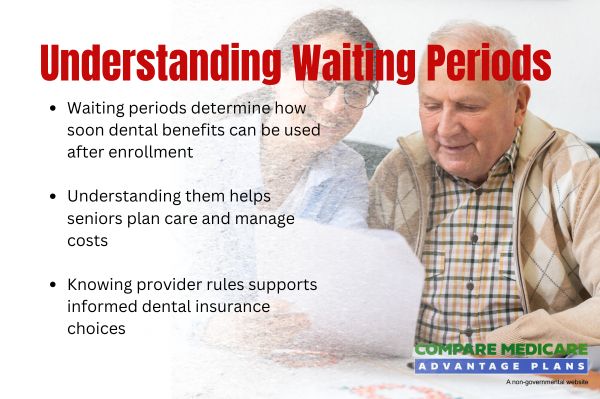
Understanding dental insurance also involves grasping the concept of waiting periods, which often perplexes seniors when exploring their coverage options. Waiting periods are essentially the timespan before specific services are covered by your insurance plan after its commencement.

These periods can differ greatly depending on the coverage type, whether dental, vision, or hearing. Knowing how these waiting periods affect services ensures that seniors are well-prepared for potential delays in coverage.

As you delve into the details of various insurance plans, you’ll find that managing waiting times is crucial in strategically planning for essential services.


Navigating Waiting Times for Different Services

When diving into the specifics of waiting periods, it’s vital to recognize that these times can vary significantly across different services. Dental insurance often includes waiting periods for both basic and major services, such as fillings, crowns, and root canals.

Preventive care, like cleanings and exams, usually has no waiting period, enabling seniors to maintain regular oral health check-ups from the start of their plan. However, more complex procedures typically come with a waiting period that can range from a few months to over a year.

Understanding this can help set realistic expectations for when certain dental coverage kicks in, avoiding abrupt financial surprises for costly dental procedures.

Vision insurance waiting periods can also vary but typically aren’t as extensive as those found in dental plans. Regular eye exams often don’t have a waiting period, providing immediate coverage to assess and maintain eye health.

Coverage for eyeglasses or contact lenses might have a minimal waiting period if any. This feature is significant for seniors who rely on vision aids, as they can ensure continuous eye care without interruption.

For those considering surgeries or treatments for eye diseases, it’s essential to check if these services are part of the plan and their specific waiting times, as coverage often varies by insurer.

Hearing insurance frequently carries waiting periods for more advanced services, like hearing aids and specialized tests. While some plans might cover basic audiology exams right away, coverage for hearing aids might not begin immediately.

This is important for seniors to remember, as hearing aids can be a substantial cost. Being aware of these waiting periods allows seniors to plan their financial and health needs accordingly, ensuring they’re prepared for any potential waiting times before receiving comprehensive hearing coverage.

In summary, waiting periods are an integral part of understanding your insurance plan’s effective coverage timeline. Different services have distinct waiting periods depending on their complexity and cost, influencing when seniors can utilize their insurance benefits.

Carefully reviewing a plan’s waiting period specifics helps in planning the timing of necessary treatments and avoiding unexpected financial burdens.

As seniors and caregivers consider their insurance options, entering your ZIP code on our site can provide insights into how these waiting periods might vary in your location, assisting in making well-informed choices tailored to individual health needs.


How Location Affects Your Insurance Choices

Understanding how your location affects insurance choices is crucial, especially for seniors seeking comprehensive dental, vision, and hearing coverage. Regional variations mean that available insurance plans might offer different coverage options and costs based on where you live.

These differences can impact which insurance companies provide plans in your area, along with what’s included or excluded from coverage.

By exploring how location influences your insurance, you can make informed decisions tailored to your needs, ensuring your dental, vision, and hearing needs are met effectively within regional constraints.


Understanding Regional Variations in Coverage

When it comes to insurance, the region you reside in plays a significant role in determining the specifics of your coverage. This variation springs from differences in state regulations, insurance provider networks, and local healthcare demands.

For seniors seeking dental vision hearing (DVH) plans, understanding these regional variations is essential. Different states may have unique mandates regarding what insurance must cover, affecting how insurance companies structure their DVH plans.

For instance, a vision plan in one state might include more comprehensive vision exams compared to another, influenced by local healthcare regulations and provider availability.

Moreover, regional factors can also affect the cost of insurance premiums. Insurance providers assess risk and healthcare costs differently across locations, which directly impacts how much seniors might pay in premiums.

In densely populated urban areas, you might find a broader array of plans and providers due to a higher demand for services. Conversely, rural areas might have limited plan choices and higher costs due to fewer available providers and less competition.

Understanding these nuances helps seniors anticipate potential costs and limits associated with their coverage choices.

Additionally, the types of plans and the extent of coverage can differ significantly by region. Some areas might offer robust options for hearing insurance, covering a wide range of services from regular hearing tests to hearing aid fittings.

Meanwhile, other regions may focus more on dental and vision coverage due to differing healthcare priorities or demographics. Seniors should research the specific DVH plans available in their area, looking into the fine details of what each plan covers.

This exploration ensures they align their needs with what’s accessible in their locale.

For seniors, comprehending these regional variations means they can better tailor their insurance decisions, securing plans that offer the best coverage for their location. It also highlights the importance of staying updated on any local regulatory changes that might affect insurance terms.

To further personalize your insurance exploration, entering your ZIP code on our site can provide insights into the plans and coverage variations specific to your area, helping you make knowledgeable decisions that support your healthcare needs.


Tips for Selecting the Best Insurance for Your Needs

Choosing the right insurance plan is crucial for seniors looking to balance comprehensive coverage with affordability. Dental, vision, and hearing (DVH) plans can significantly impact one’s quality of life by managing costs effectively while ensuring access to necessary services.

When selecting insurance, seniors should focus on thoroughly comparing and evaluating available plans. This involves understanding specific coverage and limitations, assessing costs like premiums and out-of-pocket expenses, and considering how plans align with personal health needs.

The following tips provide practical steps to help seniors confidently navigate their insurance options.


Practical Steps for Comparing and Evaluating Plans

Comparing and evaluating insurance plans requires a structured approach to ensure that seniors select coverage that best suits their needs. Begin by identifying your primary health requirements in dental, vision, and hearing care.

It’s essential to determine which services are most critical for you, such as regular dental exams, vision tests for eyeglasses, or hearing aid fittings.

Once your needs are clear, gather information on available DVH plans from various insurance companies, keeping in mind that plan details can vary significantly based on location and provider.

Evaluating the plan options involves scrutinizing what each insurance plan covers. Review the benefits each plan offers for dental services, such as cleanings, fillings, and crowns, and note any exclusions for more advanced treatments like implants.

For vision coverage, examine if the plan includes routine check-ups and coverage for eyewear. Similarly, ensure that hearing benefits encompass important services such as hearing tests and devices. Knowing the scope of these offerings helps in aligning plans with your needs and avoiding unexpected out-of-pocket expenses.

Cost is a pivotal factor, so pay attention to premiums, deductibles, and copayments. While it might be tempting to select a plan with the lowest premium, consider the overall expenses, particularly for services you use frequently.

Balancing costs involves assessing insurance plans for their out-of-pocket limits, ensuring that you won’t face overwhelming expenses if extensive dental work or new glasses are needed. Doing this detailed comparison provides clarity, offering you confidence in choosing an insurance plan that manages costs while maximizing coverage.

In conclusion, diligently comparing and evaluating DVH plans by considering coverage, costs, and personal health priorities provides a solid foundation for making informed decisions.

Entering your ZIP code on our website can help refine your search by revealing insurance plans that suit your specific regional needs and requirements. This guided approach ensures that seniors make wise insurance choices for their health, without compromising financial stability.


Getting Started with Dental Insurance

Dental insurance serves as a safeguard for maintaining your oral health, especially as you age. Understanding dental coverage options allows seniors to navigate the sometimes confusing landscape of insurance plans.

It’s crucial to pinpoint what each plan covers, from preventive care to more complex procedures, and how costs are managed. Seniors often leverage their ZIP code to explore local options and find plans that best support their specific needs, giving them peace of mind about dental care.

This section delves into how using your ZIP code can facilitate this exploration.


How to Use Your ZIP Code to Explore Local Options


How to Use Your ZIP Code to Explore Local Options


Your ZIP code can significantly influence the dental insurance options available to you, making it an essential tool in your exploratory process. By using your ZIP code, you can zero in on insurance plans that specifically cater to your locality, accounting for any regional differences in coverage and cost.

Local options vary because states often have different regulations affecting how dental coverage is provided. For seniors seeking straightforward guidance, entering a ZIP code on insurance comparison sites helps reveal what’s available in your area, allowing for tailored searches that fit your needs and circumstances.

Insurance providers often align their plan offerings with the needs of the local population, adjusting factors like premiums and services included. For example, urban areas might offer a wider variety of dental insurance plans due to higher demand and competition among providers.

In contrast, rural areas might have more limited options, potentially requiring adjustments in choice based on what’s available. By exploring these local options, you can find insurance plans that not only offer necessary coverage but also consider local cost-of-living and healthcare access.

Understanding how your region impacts available dental insurance options can help seniors make informed decisions tailored to their local healthcare environment. This helps ensure that you select a plan that balances coverage and affordability, effectively minimizing out-of-pocket expenses while maximizing benefits.

Enter your ZIP code on a trusted insurance comparison platform, such as CompareMedicareAdvantagePlans.org, to see the specific offerings in your area. This step is critical for identifying the best insurance solutions to maintain your oral health effectively without overwhelming financial constraints.

The intuitive use of your ZIP code revolutionizes the process of exploring and comparing local dental insurance plans. This approach empowers seniors and caregivers to make confident decisions by focusing on plans that match their expectations and financial realities.

As you explore the available options, you’ll discover how entering your ZIP code fine-tunes your choices, tailoring results to precisely what’s obtainable for your specific situation.

This method not only facilitates informed decision-making but also ensures seniors have comprehensive coverage aligned with regional healthcare standards.

Understanding dental, vision, and hearing insurance can empower seniors to make informed decisions about their health. By exploring options and comparing plans, you can find coverage that fits your budget and needs.

Each risk in these areas can be managed with the right plan, allowing for regular check-ups and preventive care. Remember, coverage can vary by location and provider.

For a tailored approach, enter your ZIP code on our website to discover what plans are available near you. Your health is important, and the right insurance can support a healthier lifestyle.

Frequently Asked Questions


What is the importance of dental, vision, and hearing insurance for seniors?

Dental, vision, and hearing insurance help seniors manage costs for essential health services like regular checkups, eye exams, and hearing aids. This coverage supports overall well-being by providing access to preventive and necessary care.


How can my location affect dental, vision, and hearing insurance options?

Insurance plan options and costs can vary by region due to local regulations and healthcare demands. Enter your ZIP code on sites like CompareMedicareAdvantagePlans.org to discover plans tailored to your area.


Why is understanding waiting periods important in dental, vision, and hearing insurance?

Waiting periods determine when specific services are covered after a plan starts. Knowing these helps you plan for procedures and avoid unexpected delays or expenses.


How do premiums and out-of-pocket costs affect my dental, vision, and hearing insurance?

Premiums are monthly payments for insurance, while out-of-pocket costs include co-pays and deductibles. Balancing these with the coverage provided ensures affordable access to necessary services.


What should I consider when choosing a DVH plan?

Focus on the coverage specifics for dental, vision, and hearing services, along with limitations and costs. Assess how these align with your personal health needs and budget.

call today for help

 ZRN Health & Financial Services, LLC, a Texas limited liability company

Find & Compare Plans Online 


 Advertisement

Speak with a licensed insurance agent

 1-833-641-4938
TTY 711

Mon-Fri : 8am-9pm EST

Russell Noga
( Medicare Expert )

Russell Noga is the CEO of ZRN Health & Financial Services, and head content editor of several Medicare insurance online publications. He has over 15 years of experience as a licensed Medicare insurance broker helping Medicare beneficiaries learn about Medicare, Medicare Advantage Plans, Medigap insurance, and Medicare Part D prescription drug plans.