What Are Dental Savings Plans?
Dental savings plans, also known as dental discount plans, are membership-based programs designed to help reduce dental care expenses for seniors. Unlike traditional dental insurance that involves premiums and significant paperwork, savings plans are straightforward.
You pay an annual fee to join the plan, granting you access to a network of dentists who offer services at reduced rates. This can be particularly beneficial for seniors who need multiple dental procedures but want to avoid the high premiums and waiting periods associated with insurance.
Once you’re a member, you’ll typically receive a card to present at participating dental offices. The dentist applies the plan-specific discounts to your bill. This immediate reduction in costs can be especially helpful for those on a tight budget, ensuring that urgent dental needs are met without breaking the bank.
Importantly, dental savings plans cover a wide range of services, from preventive care like cleanings and exams to more complex procedures such as fillings, crowns, and even dentures.
Understanding the breadth of coverage that dental savings plans offer can make them an appealing choice for seniors. While they don’t “pay” for dental work like insurance does, the substantial discounts provided can lead to significant savings over time.
Furthermore, there are no annual limits, which means you can use your plan as frequently as needed without worrying about coverage caps. This open-ended benefit is a key difference from insurance plans, which often have strict annual maximums that limit the total value of services you can receive within a year.
Moreover, dental savings plans do not require health assessments or medical history checks, making enrollment simple and accessible for all seniors. This inclusivity ensures that no matter your dental health status, you can qualify for a plan that meets your needs.
By understanding these features, seniors can make informed decisions about utilizing dental savings plans to manage their oral health affordably. This option not only provides financial relief but also peace of mind knowing that your dental care needs are covered within a network of trusted providers.
How Do Dental Savings Plans Work?
Dental savings plans operate on a membership model, which is quite different from typical dental insurance. Once you enroll in a savings plan, you gain access to a network of participating dentists who agree to provide services at reduced rates to plan members.
This process begins once you pay an annual membership fee, which is often a fraction of the cost of traditional insurance premiums. With this plan, you don’t have to worry about insurance claims or cumbersome paperwork.
Upon visiting a participating dentist, you present your dental savings plan membership card. The dental office then applies the agreed-upon discount directly to your bill. This setup is beneficial for seniors, allowing immediate savings on a wide array of dental procedures and services.
From routine check-ups and cleanings to advanced procedures like root canals and implants, members can enjoy reduced prices at the time of service.
One significant advantage of dental savings plans is the lack of waiting periods. Traditional insurance plans often impose waiting periods for more extensive procedures, leaving you without coverage when you need it most.
In contrast, dental savings plans provide immediate discounts upon membership activation. This feature is particularly advantageous for seniors who require urgent dental work without the delay imposed by insurance providers.
Additionally, dental savings plans don’t have annual spending limits. While insurance typically caps the amount of covered services per year, which might not be sufficient for extensive dental needs, savings plans allow unlimited access to discounted services as often as necessary.
This freedom can help seniors manage their dental health effectively year-round without the stress of hitting a financial ceiling.
The transparency and simplicity of these plans make them an attractive alternative for those overwhelmed by the complexities of traditional dental insurance. With a straightforward approach to savings and care, dental savings plans empower seniors to take control of their dental health.
By understanding how these plans work, seniors can confidently navigate their options and select a plan that best suits their needs and financial situation.
While dental savings plans do not replace the comprehensive coverage of insurance, they offer a flexible solution that emphasizes cost-effectiveness and ease of access. Exploring these plans provides a viable path to maintaining excellent oral health without the financial burden that often comes with necessary dental care.
Seniors seeking to balance affordability with quality care will find that dental savings plans offer a reassuring answer to some of their most pressing dental care concerns.
Benefits of Dental Savings for Seniors
Dental savings plans can significantly impact seniors’ access to affordable dental care.
These plans offer numerous benefits, especially for older adults on a fixed income, who need cost-effective solutions for their dental needs. Such plans provide straightforward membership options, enabling immediate access to reduced dental services costs.
We will explore how affordability and accessibility make these plans ideal for senior dental care, as well as the coverage offered for preventive and major services.
Affordability and Accessibility
For seniors, finding affordable dental care can be daunting, especially when living on a limited budget. Dental savings plans are specifically designed to provide affordable dental options to seniors, making it easier for them to maintain their oral health.
These plans do not require seniors to deal with monthly premiums that are typically found in standard dental insurance. Instead, they offer a one-time or annual fee, which is considerably more accessible for older adults looking for dental care solutions that won’t strain their finances.
Dental savings plans operate on a network membership basis, where seniors gain immediate access to a list of participating providers who have agreed to offer discounted services to plan members.
This structure ensures that dental care becomes accessible to older adults who might otherwise avoid visits due to cost concerns. Unlike traditional dental insurance, these plans generally provide immediate savings, meaning that as soon as you enroll and present your membership at a participating dental office, discounts are applied directly to your dental bill.
One of the standout advantages of dental savings plans is the absence of waiting periods. Seniors often face urgent dental needs, and traditional insurance plans can impose waiting periods before certain coverage kicks in, particularly for more costly procedures.
With a dental savings plan, there is no waiting, which means seniors can address their dental needs promptly without the delay of waiting periods or pre-authorization hurdles typical of dental insurance.
The simplicity of dental savings plans adds to their accessibility. These plans bypass the complexities of insurance claims, making them an attractive option for seniors who prefer a straightforward, transparent approach.
No extensive paperwork or claims processes are involved; instead, seniors receive immediate savings at the point of service. This ease of use ensures that dental savings plans remain a practical choice for senior dental care.
Moreover, these plans typically do not have an income requirement or medical history restrictions, making them inclusive for all seniors regardless of their health or financial status. Thanks to this inclusive design, any senior can opt for a dental savings plan, ensuring straightforward access to necessary dental services.
The affordability and accessibility of dental savings plans can encourage seniors to maintain their oral health proactively. Savings on routine care and the ability to afford major procedures can prevent small dental issues from becoming larger, more costly problems in the future.
This proactive approach aligns well with the goal of promoting long-term dental health among seniors, ensuring they enjoy a higher quality of life as they age.
Coverage for Preventive and Major Services
Dental savings plans not only offer affordability but also provide diverse coverage that includes both preventive and major dental services. Preventive services are crucial for maintaining oral health, especially for seniors looking to avoid extensive dental treatments in the future.
These services typically include routine check-ups, cleanings, and exams, all of which play a vital role in early detection and prevention of dental issues.
For seniors, maintaining regular preventive care is often seen as an investment in their long-term oral health. Dental savings plans significantly reduce the costs associated with these routine services, making it easier for older adults to adhere to recommended dental care schedules without worrying about financial strain.
This kind of preventive care is not just about savings, it’s about empowerment. Seniors can take a proactive approach to their health, knowing they’re effectively managing potential issues before they escalate.
When it comes to major dental services, dental savings plans continue to offer substantial benefits. These plans provide significant savings on procedures that might otherwise be cost-prohibitive for those on a fixed income.
Services such as fillings, crowns, and dentures are generally included in the covered discounts, ensuring that seniors do not defer necessary treatments due to high costs.
Importantly, dental savings plans often cover procedures like root canals or implants, which can be some of the most expensive treatments if paid out of pocket without any plan. Knowing that these treatments are accessible can bring great peace of mind to seniors, who might otherwise experience anxiety about potential high costs.
Furthermore, because dental savings plans do not have annual health caps like traditional insurance, seniors can benefit from coverage whenever needed. This flexibility means that seniors aren’t limited by coverage limits, which is extremely valuable for those requiring extensive or multiple treatments in any given year.
The unrestricted nature of these plans ensures that seniors maintain continuous access to necessary care without budgeting anxieties.
The overarching coverage dental savings plans offer underscores their value in meeting the comprehensive needs of senior dental care. Whether focusing on prevention or addressing urgent treatment requirements, these plans represent a versatile approach.
Seniors are thus empowered to embrace a holistic view of their oral health, balancing immediate care with long-term well-being, knowing the financial burden is lessened.
Seniors can confidently explore different participating providers in their network to best match their dental needs, ensuring they receive the right care at an affordable price. By focusing on a user-friendly approach, dental savings plans demystify the complexities typically associated with dental care decisions.
Engaging with these plans ensures a clear path to maintaining oral health, offering reassurance and security in senior dental management.
Comparing Dental Savings Plans and Dental Insurance
Choosing between dental savings plans and dental insurance can be pivotal for seniors seeking affordable dental care. Both options offer ways to manage dental expenses, but they work differently.
Understanding the key differences can help seniors decide which option suits their needs best. In this section, we’ll explore the distinctive features of both dental savings plans and insurance, as well as the range of coverage options available.
This knowledge will empower seniors to feel confident about managing their dental health according to their preferences and financial situations.
Key Differences Between the Two
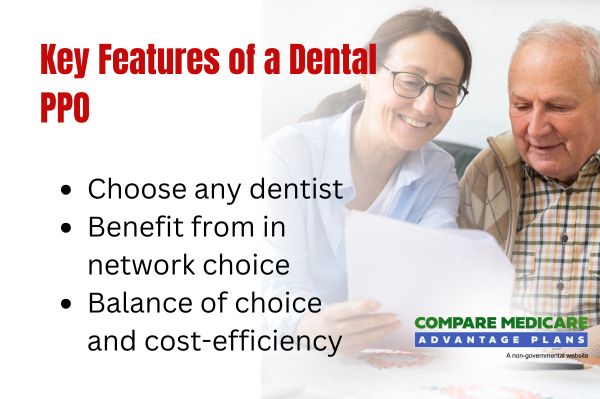
When comparing dental savings plans to traditional dental insurance, several distinctions emerge. A fundamental difference lies in how each handles coverage and expenses.
Dental insurance often operates by paying a monthly premium in exchange for partial or full coverage of dental services according to set terms. This may include expenses for preventive, basic, and major procedures.
Conversely, dental savings plans function as membership programs, offering direct discounts on dental services once an annual fee is paid. This structure is especially relevant for those who prefer paying less up front.
Traditional dental insurance typically involves complex payment structures, deductibles, and co-pays that can become overwhelming for seniors. The benefits covered by insurance might depend on the type of plan chosen, HMO or PPO, for example, which influences participating provider networks.
Seniors may face waiting periods before receiving benefits for certain procedures, which can delay necessary treatments, especially when dealing with urgent dental issues. On the flip side, dental savings plans usually bypass these waiting periods, offering immediate discounts post-enrollment, making them a practical choice for seniors seeking prompt care.
Another critical difference is the annual spending cap found in most dental insurance policies. Insurers generally set a maximum limit on the amount they’ll pay per year, which can be restrictive if significant work is needed.
Once you reach this cap, any additional dental expenses must be covered out-of-pocket. Dental savings plans do not impose such a limit, allowing members to utilize discounts as often as needed throughout the year without running into financial roadblocks.
This characteristic can be crucial for seniors who anticipate multiple or costly dental treatments.
The type of services covered also varies between the two options. Dental insurance might exclude certain procedures or require a lengthy appeals process for confirmation of coverage, whereas dental savings plans typically provide clear lists of services that are discounted.
This transparency can be a significant advantage for seniors who appreciate knowing exactly what they’re entitled to and what to expect financially.
With the distinct coverage strategies, seniors can evaluate which approach aligns better with their dental needs, noting that while dental savings plans are less comprehensive than insurance, they offer a no-hassle, unrestricted access model.
In summary, dental savings plans and insurance cater to different needs and preferences.
Dental insurance can work well for those who prefer structured coverage and immediate payment for services received. In contrast, dental savings plans offer flexibility and straightforward discounts.
Seniors must assess their unique requirements, such as the frequency of dental visits, anticipated treatments, and financial planning, to determine which option will most effectively support their oral health journey.