Dental Insurance for Seniors in Texas

Understanding dental insurance can seem confusing, especially as a senior. This guide focuses on dental plans available in Texas, helping you navigate your options with ease.

Learn about coverage for preventive care, fillings, crowns, and more. Dental insurance varies by provider, and knowing what to expect can reduce surprises.

Explore how different plans can help manage costs associated with dental care, giving you peace of mind. Whether you seek to avoid large unexpected bills or understand coverage differences, this page aims to provide you with supportive information in a simple way.


Brief Overview

Understanding dental insurance options in Texas is crucial for seniors seeking affordable and comprehensive care. Dental insurance can alleviate the financial burden of dental procedures, covering preventive services like cleanings and exams, as well as major treatments such as crowns and dentures.

Seniors are encouraged to compare traditional plans against options like Spirit Dental, which offers immediate coverage without waiting periods. Evaluating factors such as plan type, cost, and coverage specifics helps ensure the selection of a plan that aligns with individual health needs and budget, reducing unexpected expenses and maintaining overall health.

Entering your ZIP code on the site can help explore specific options in your area.


Key Takeaways


  • Dental insurance provides a financial safety net, lowering costs for seniors on fixed incomes.


  • Preventive services, like cleanings and exams, are key to early issue detection, reducing severe problem risks.


  • Spirit Dental plans offer immediate coverage, a flexible alternative to traditional plans with waiting periods.


  • Understanding HMOs vs. PPOs helps in choosing a plan fitting your dental care preferences and budget.


  • Comparing local and major providers ensures the best fit for personal needs and financial constraints.

Compare Plans in One Step!

Enter Zip Code


 Advertisement

Understanding Dental Insurance for Seniors in Texas

Dental Insurance for Seniors in Texas


Dental insurance plays a crucial role in maintaining overall health, especially for seniors living in Texas where options abound. Understanding the nuances of senior dental insurance plans can be a challenge, but gaining clarity on why it’s essential can empower seniors to make informed decisions.

This section will explore why dental insurance is particularly important for seniors and dispel common myths that often create confusion. By breaking down these topics, you’ll gain a comprehensive understanding of the benefits dental insurance can offer, helping you navigate the multitude of plans available in Texas.


Why Dental Insurance Matters for Seniors
 

Why Dental Insurance Matters for Seniors


As we age, maintaining dental health becomes increasingly important, yet the cost of dental care can be burdensome, especially for seniors on fixed incomes. Dental insurance offers a financial safety net, making dental services more affordable and accessible.

Regular dental care, including cleanings and exams, is crucial for early detection of potential issues. Addressing these problems early can prevent more significant health issues down the line, such as gum disease or tooth loss, which are common among seniors.

Dental insurance plans are specifically designed to offer coverage for preventive services, helping to catch problems before they escalate into expensive treatments.

Furthermore, Texas seniors may have specific dental needs, from dentures to other restorative procedures, which can be quite costly without dental coverage. A sound dental insurance plan can alleviate some of these financial burdens, providing peace of mind.

Many plans offer coverage for a wide array of services, from preventive care, like exams and cleanings, to more advanced procedures such as fillings, crowns, and even dentures, depending on the plan.

These plans can reduce out-of-pocket expenses dramatically, making them an attractive option for those seeking comprehensive dental care without breaking the bank. Another significant aspect of dental insurance is its role in managing overall health.

Poor dental health is linked to several health issues, including heart disease and diabetes, conditions that are especially concerning for seniors. By keeping up with regular dental check-ups covered by insurance, seniors can potentially reduce the risk of these serious health problems.

In Texas, where healthcare costs can vary widely, having a reliable dental insurance plan can make a considerable difference. It’s also important to note that dental insurance for seniors is not a one-size-fits-all solution. There are various plans available that cater to different needs and budgets.

Some plans, like HMOs or PPOs, may require choosing a dentist from a specified network, while others like a fee-for-service plan provide more flexibility.

This variety ensures that Texas seniors can find a plan that suits their specific needs and preferences, whether for preventive care or more extensive dental work.


Common Myths About Dental Insurance

Many misconceptions about dental insurance persist, particularly among seniors. One common myth is that dental insurance is too expensive for those on a fixed income.

However, many affordable plans in Texas provide good dental coverage, proving this myth false. Insurance options vary widely in price and coverage level, allowing seniors to select a plan that fits their financial situation.

Seniors may assume that all dental services are covered immediately once they purchase insurance. In reality, many plans come with waiting periods, especially for major procedures. Still, understanding each plan’s details can help avoid surprises.

Another frequent myth is the belief that Medicare covers all dental costs. While Medicare can provide some health benefits, it typically does not cover routine dental services.

This misunderstanding often leaves seniors without necessary dental care, leading to later-stage treatments that could have been avoided with regular attention. Dental insurance fills this critical gap, providing essential coverage for routine visits and procedures that Medicare does not include.

Some seniors might think they don’t need dental insurance because they take good care of their teeth. Even with diligent daily care, professional dental maintenance is necessary for optimal oral health. Dental insurance helps cover those essential visits, ensuring seniors don’t skip vital check-ups due to cost concerns.

Regular dental visits are key to preventing the escalation of small issues into major problems, underscoring the value of reliable insurance.

Finally, there’s a misconception about dental insurance plans’ complexity, deterring seniors from exploring their options. However, navigating dental insurance does not have to be overwhelming.

Many resources are available to simplify the process, including online comparisons and expert advice tailored to help seniors understand their choices. By debunking these myths, seniors can feel more empowered to choose a plan that ensures accessible and affordable care.

Exploring available options allows each individual to find the coverage that meets their unique needs, safeguarding their health and finances over the long term.


Types of Dental Plans Available

As a senior in Texas, understanding the variety of dental insurance plans can empower you to make informed choices tailored to your needs. Dental plans range from traditional insurance models to innovative options like Spirit Dental that offer unique benefits.

By exploring what’s available, you can find a plan that offers the right coverage, whether it’s for preventive services, dentures, or more extensive procedures.

This section will delve into the comparison of traditional and Spirit Dental plans, as well as review popular choices within Texas to help you navigate your options confidently.


Traditional vs. Spirit Dental Plans

Navigating dental insurance can sometimes feel overwhelming, especially when faced with choices like traditional dental plans and Spirit Dental. Both offer distinct advantages, and understanding them can help seniors decide what fits best with their needs and lifestyle.

Traditional dental insurance plans are often structured through established insurance companies like Delta Dental or Humana Insurance. These plans typically follow a standard model where you pay a monthly premium in exchange for dental coverage.

This coverage can include preventive services like cleanings and exams, alongside more complex procedures such as fillings, crowns, and dentures, depending on the specific plan.

One of the key benefits of traditional dental insurance is its wide acceptance among dental providers. Many dentists across Texas are familiar with these insurance plans, making it relatively easy for seniors to find a provider covered by their plan.

However, traditional plans may also include waiting periods, especially for major procedures. This means you might have to wait a certain period after purchasing the plan before some services are covered.

It’s crucial to read the fine print on these insurance plans to understand the costs clearly and any limitations they might have.

On the other hand, Spirit Dental offers an alternative that’s gaining popularity among seniors looking for more flexibility and immediate coverage.

Unlike traditional plans, Spirit Dental may provide benefits without standard waiting periods, allowing seniors to access necessary dental care right away. Spirit Dental plans can be appealing for those who need immediate coverage or prefer having more control over their plan’s specifics.

Additionally, Spirit Dental often highlights the importance of customer service, aiming to offer personalized support and guidance to help policyholders feel comfortable and informed about their choices.

Both types of plans have their merits and can be beneficial, depending on your needs and circumstances. Seniors in Texas, particularly those focused on affordable dental care without the downtime of waiting periods, might find Spirit Dental an attractive option.

Nonetheless, it’s always advisable to compare different plans and consult with insurance company representatives to thoroughly understand all the costs, benefits, and restrictions.

By weighing the pros and cons of traditional and Spirit Dental plans, you can choose an insurance plan that provides the best dental care coverage and aligns with your lifestyle preferences.


Comparing Popular Dental Plans in Texas

In Texas, seniors have numerous options when it comes to selecting dental insurance plans. Understanding these popular choices can help you identify which plan provides the coverage you need.

One well-known option is Delta Dental, a leading insurance company that offers various plans designed to meet different needs and budgets. Delta Dental is known for its extensive network of providers, making it convenient to find dentists in Texas who accept their plans.

They often cover a wide range of services from preventive care to more significant dental procedures, giving you flexibility depending on your oral health needs.

Humana is another major player in the dental insurance market in Texas. Like Delta Dental, Humana provides several plans tailored to different levels of coverage, catering to the diverse dental requirements of seniors.

Many Humana plans emphasize preventive dental care, ensuring you can maintain regular check-ups and cleanings, which are vital for senior dental health. These insurance plans often come with the benefit of no or minimal waiting periods for basic dental services, although major procedures might still require some waiting time.

When considering dental insurance options, it’s important to assess how each plan handles costs. Many plans, including those from Delta Dental and Humana, offer a range of deductibles and co-insurance levels.

This means you’ll have to consider not just the monthly premium, but how each plan’s structure might impact your out-of-pocket expenses. It’s a balancing act between what you pay regularly and what you might pay when those dental visits arise.

By examining these factors closely, you can avoid surprises and make a plan choice that keeps your dental expenses manageable.

Apart from these well-known options, Texas residents might also explore smaller or more specialized plans that cater specifically to certain kinds of coverage. It’s worth looking into all available plans and considering any local insurance providers that might offer competitive rates.

Pay special attention to the details, for example, if you require certain treatments like implants or specific types of dentures, ensure these are covered under your selected plan. By taking the time to compare and research, seniors can find an insurance plan that truly matches their dental needs while fitting comfortably within their financial constraints.

Whether you opt for a comprehensive plan with a large network or a more straightforward option, the key is to select dental coverage that ensures peace of mind and maintains your oral health.

As always, don’t hesitate to reach out to insurance company representatives for clarity on any confusing details. Your dental insurance plan is vital for your health and well-being, so ensure it aligns with what you want and need.

Once you’ve sorted through the options and made an informed choice, you’ll feel confident knowing that your dental care is both accessible and affordable. For more personalized guidance, enter your ZIP code on our site to explore dental insurance options specific to your location.


Based on the detailed comparison of dental plans in Texas, here are additional factors to consider when finalizing your choice:

  • Evaluate the coverage for specialist services like orthodontics or periodontics if needed.
  • Determine whether your preferred dentists are in-network to minimize surprise costs.
  • Check if there are annual maximum limits that could affect extensive treatment plans.
  • Review any exclusions or limitations that might impact specific dental procedures.
  • Investigate options for family dental plans if applicable, considering potential discounts.
  • Compare customer service ratings for hassle-free communication and claims processing.
  • Verify emergency care provisions for unforeseen dental issues during travel.


These considerations can help you align plan options with your personal dental care priorities effectively.


Compare plans and enroll online


 Advertisement

Speak with a licensed insurance agent

1-833-641-4938
TTY 711

Mon-Fri : 8am-9pm ET

compare medicare advantage plans

Key Dental Coverage Options to Consider

Choosing the right dental coverage is crucial, especially for seniors in Texas looking to balance affordability with comprehensive care.

Understanding your options ensures you receive essential dental care without unexpected costs.

This section delves into preventive services and their benefits, as well as major procedures and the coverage available, helping you navigate the world of dental insurance confidently and make informed decisions about your health.

Preventive Services and Their Benefits


Preventive Services and Their Benefits


Preventive services form the cornerstone of dental care, emphasizing the age-old adage that prevention is better than cure. For seniors, maintaining good oral health through preventive dental care not only keeps dental problems at bay but also minimizes the need for more complex procedures down the line.

Insurance plans generally prioritize these services, often covering the full cost or a significant portion, making them accessible even on a fixed income.

Dental insurance plans typically cover preventive services like regular cleanings, exams, and X-rays, which are vital in detecting issues early before they develop into major problems. These services are the bedrock of maintaining healthy teeth and gums.

By catching signs of decay or gum disease at an initial stage, you can avoid expensive and invasive procedures in the future. It’s a practical approach that benefits both your health and wallet.

Seniors in Texas often seek plans from companies with broad networks, like Humana or Delta Dental. Such companies often provide an extensive list of in-network dentists who offer these preventive services.

Regular visits included in preventive coverage ensure seniors stay on top of their dental health, spotlighting issues like plaque buildup or the early stages of periodontal disease. Timely intervention in these cases can prevent the progression to more serious dental health issues that might require costly treatments.

Another significant advantage of preventive care is its link to overall health. Poor oral health can contribute to various medical conditions, such as cardiovascular disease and diabetes, which are already concerning for many seniors. By ensuring regular check-ups through your dental insurance, you are also taking proactive steps to enhance your general health.

These preventive services are a simple yet powerful tool to maintain quality of life and reduce potential health risks.

While each insurance company offers slightly different coverage, the emphasis remains on ensuring preventive dental care is easy to access and affordable. With a plan that prioritizes these services, seniors can confidently schedule their appointments, knowing their insurance has them covered. This peace of mind is invaluable, bringing with it the assurance that your dental care routine supports a healthier life overall.


Understanding Major Procedures and Coverage

Diving deeper into dental care, understanding how major procedures are covered is essential for seniors looking to protect against substantial out-of-pocket costs. Major dental work can include treatments such as crowns, bridges, root canals, and even dentures.

These procedures are typically more expensive than preventive services, but they are equally important in maintaining oral health, particularly if teeth have been neglected due to financial barriers.

Insurance plans often set different coverage levels for major procedures compared to preventive services. For example, most plans will cover a smaller percentage of costs for major services, which might mean higher out-of-pocket expenses for seniors.

However, understanding the details of your plan can help offset these costs. Many plans, like those from Humana or other renowned insurers, structure their coverage to offer tiers of services, with major procedures covered at a different rate than preventive care.

Moreover, the waiting period is an essential factor to consider when evaluating coverage for major procedures. While preventive services are usually covered from the start, major procedures might come with a waiting period, meaning you’ll need to hold the policy for a certain time before you can claim these benefits.

Recognizing these details in your policy can be the difference between timely treatment and unexpected delays, so it’s vital to read the fine print.

Choosing a dental plan with a broad network is another critical element to consider. Plans that partner with widespread networks ensure that seniors have access to a range of specialists and dentists, which can be crucial in emergencies or when seeking second opinions.

By having a provider network that includes specialists for major procedures, your choices of where and how to receive your dental care widen, making it easier to find quality care at a pace and cost you’re comfortable with.

The peace of mind offered by comprehensive insurance coverage for major procedures lies in its ability to reduce financial stress. Knowing that significant dental work is part of your insurance terms means you’re more likely to seek necessary treatment promptly.

It reinforces the notion that your dental health is well-supported, empowering you to feel secure about your dental care choices without the fear of unforeseen expenses.

Ultimately, navigating the coverage for major procedures requires careful consideration of your dental insurance plan’s specifics. Compare your options based on network availability, coverage percentages, and any applicable waiting periods.

Ensuring your chosen path aligns with your health needs and financial circumstances allows you to confidently access dental care when you need it most.


Navigating the Cost of Dental Insurance

Exploring dental insurance can be a maze, especially when focusing on costs and plan specifics for seniors in Texas. Costs are a critical element when choosing dental insurance, influencing your overall healthcare budget.

This section will delve into the various factors that impact the cost of dental insurance, helping seniors make informed and confident decisions. From understanding the role of networks and company offerings to the influence of Medicare on costs, this guide will provide clarity and support as you navigate your dental insurance options.


Factors Affecting Dental Insurance Costs


Factors Affecting Dental Insurance Costs


When considering dental insurance, a multitude of factors come into play that affect the overall cost. Understanding these can help seniors make better-informed decisions. One primary factor is the type of dental plan you choose.

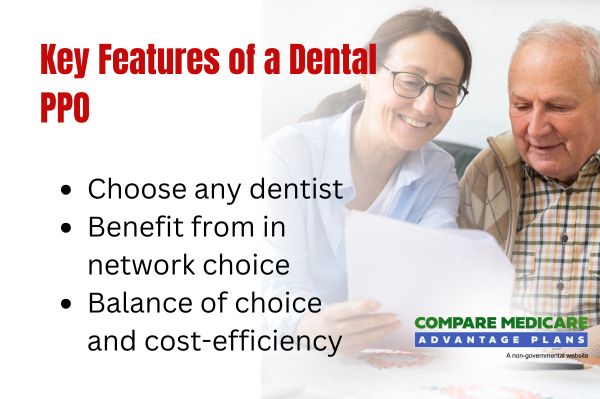
Common plans include Health Maintenance Organizations (HMOs) and Preferred Provider Organizations (PPOs), each offering different network structures which directly influence cost. HMOs often restrict you to a specific network of dentists, and while they may have lower premiums, they might limit your choice of providers.

On the other hand, PPOs generally have higher premiums but offer greater flexibility in choosing dentists, which can be a significant advantage if you’re looking for freedom in your dental care choices. Examining these choices closely ensures you select an insurance plan that fits your lifestyle and financial needs.

Another aspect impacting the cost is the coverage extent provided by your insurance plans. Dental insurance typically covers varying degrees of preventive care, basic procedures like fillings, and major procedures such as crowns and dentures.

Some insurance plans might offer extensive preventive services at no additional cost, making them attractive to seniors who need frequent check-ups. However, major procedures are usually covered at a lower percentage, which could lead to higher out-of-pocket expenses. Understanding what your plan covers and at what cost is vital for effective budgeting.

The insurance company itself can impact the cost of dental insurance, as each company sets different premiums and coverage limits based on their own policies and the network of dentists they provide.

For instance, large companies such as Delta Dental or Humana might offer broad networks and competitive pricing, reducing costs through their economies of scale.

However, location-specific plans or smaller companies might offer tailored packages that cater more precisely to residents in Texas, potentially offering better deals for certain services. Comparing these different options helps ensure that you’re not overpaying for insurance that meets your specific needs.

Medicare is another consideration, as traditional Medicare does not typically cover dental services. Seniors may opt for Medicare Advantage plans that include dental coverage, impacting the overall cost based on additional premiums you might pay.

Being informed about these options and how they affect cost helps in avoiding unexpected expenses when securing dental services.

Additionally, special considerations such as waiting periods could influence decision-making. Some plans might have lengthy waiting periods for major procedures, while others provide immediate coverage.

If you need immediate dental work, it’s crucial to know whether your plan offers this flexibility or if there’ll be an added cost to seek treatment outside the plan’s structure during these periods.

By taking into account these factors affecting the cost of dental insurance, including plan types, network availability, company specifics, and the role of Medicare, you can more effectively choose a suitable plan. This careful selection fosters peace of mind, ensuring your dental needs are met without unexpected financial burdens. Once equipped with this knowledge, you can explore your specific options further by entering your ZIP code on our site, allowing you to find plans tailored to your locality and individual requirements.

Finding the right dental insurance in Texas can help you maintain a healthy smile and manage costs. Understanding your options, including coverage for preventive care, dentures, and implants, is important.

Also, consider factors like costs and waiting periods when comparing plans. To explore plans and find one that suits your needs, enter your ZIP code on our site.

Remember, dental insurance options and details can vary across Texas, so take the time to review your choices. Our goal is to support you with clear, unbiased information to help you make informed decisions about dental insurance.

Frequently Asked Questions


What kind of dental insurance plans are available to seniors in Texas?

Dental insurance plans available to seniors in Texas include traditional insurance models like HMOs (Health Maintenance Organizations) and PPOs (Preferred Provider Organizations), as well as specialty plans such as those from Spirit Dental, which offer immediate coverage without waiting periods.


Why is dental insurance important for seniors?

Dental insurance is crucial for seniors because it helps manage costs for preventive care, major procedures, and maintains overall health. Regular check-ups can prevent serious dental issues and other health problems like heart disease and diabetes.


What does dental insurance typically cover?

Dental insurance typically covers preventive services such as cleanings and exams, basic procedures like fillings, and sometimes major treatments like crowns and dentures. The extent of coverage can vary by plan.


How do waiting periods affect dental insurance coverage?

Waiting periods are a time frame after purchasing a plan during which certain services may not be covered. Spirit Dental offers plans that skip standard waiting periods, which can be beneficial if immediate treatment is required.


Does Medicare cover dental services?

Traditional Medicare usually does not cover routine dental services. Seniors may need additional dental insurance or a Medicare Advantage plan that includes dental benefits to cover these services.

call today for help

 ZRN Health & Financial Services, LLC, a Texas limited liability company

Find & Compare Plans Online 


 Advertisement

Speak with a licensed insurance agent

 1-833-641-4938
TTY 711

Mon-Fri : 8am-9pm EST