Why Dental Insurance Matters for Seniors
For seniors, the importance of dental insurance cannot be overstated. As we age, our teeth and gums require more specialized care, and dental issues can become more prevalent. Regular dental care, including routine dental check-ups and preventive care, is crucial for maintaining oral health, which directly impacts overall health.
Dental insurance helps manage the costs associated with these necessary treatments, making them more affordable for fixed-income retirees. Policies often cover preventive care such as cleanings and exams, which can prevent costly and potentially problematic issues in the future.
In addition to preventive measures, many dental insurance plans offer coverage for restorative services like fillings, crowns, and dentures. These services can be critical for restoring function and aesthetics to one’s smile, providing not only physical health benefits but also improving emotional well-being.
Moreover, having dental insurance means that seniors have access to a network of dentists and can benefit from negotiated rates, which help in reducing out-of-pocket expenses for routine dental procedures. It’s essential to understand each insurance policy’s nuances since coverage can vary widely by plan and provider.
This familiarity can empower seniors to choose a plan that aptly covers their dental care needs. By exploring these options, seniors and their caregivers can make informed decisions, ensuring ongoing dental health support while avoiding unexpected dental expenses.
A thoughtful choice in dental insurance policies enables older adults to confidently enjoy their golden years with healthier teeth and overall improved quality of life.
Key Benefits of Having Dental Coverage
Dental insurance offers a suite of benefits that are particularly advantageous for seniors looking to maintain their oral health. First and foremost, dental coverage provides the financial safety net that makes dental care more accessible.
By contributing to the costs associated with routine dental care, such as cleanings and exams, insurance promotes preventive care that can ward off more serious oral health issues.
Regular visits to the dentist can catch problems early, potentially avoiding more intricate and expensive procedures later on. Many plans also cover part of the costs for restorative services like fillings and crowns, essential for addressing issues such as tooth decay and damage.
These restorative procedures can be vital for retaining the structural integrity of teeth, thereby aiding in proper nutrition and overall health. Additionally, having dental insurance often includes negotiated rates and a network of qualified dental care providers.
This helps control costs and provides seniors with a reliable way to receive the necessary care. The reassurance of knowing that one has a plan that considers one’s specific health needs and financial situation cannot be understated.
While Medicare doesn’t typically cover dental procedures, some Medicare supplement plans might offer limited options, which is why exploring comprehensive dental insurance is a smart move.
Policies are designed to be adaptable to the specific needs of seniors, offering a balance of coverage that prioritizes both preventive and necessary dental treatments.
In summary, having dental insurance allows older adults to maintain their oral health effectively while reducing the stress of high out-of-pocket costs, significantly enhancing their quality of life through proactive and affordable care options.
To extend the discussion on the benefits of dental coverage, here are some practical tips for choosing a suitable plan for seniors:
- Compare coverage options and benefits to find plans tailored to your dental needs.
- Evaluate the network of dentists to ensure accessibility and a variety of providers.
- Consider plans that include coverage for both preventive and restorative services.
- Check for any waiting periods that might affect access to immediate care.
- Review annual limits on benefits and consider how they align with your projected dental expenses.
- Examine the cost-sharing aspects, such as deductibles, co-pays, and out-of-pocket limits.
These pointers should help in selecting a dental insurance plan that meets individual needs without overwhelming costs.
Dive Into Cigna Dental Insurance
Cigna Healthcare is a prominent name when it comes to dental insurance, offering plans tailored to meet the needs of seniors. With Cigna Dental, seniors can access comprehensive dental services through a network of providers, ensuring both preventive care and necessary treatments are within reach.
This section will explore what makes Cigna stand out in dental coverage and offer an overview of Cigna’s dental plans. By understanding Cigna’s offerings, seniors can make informed decisions that align with their healthcare needs, ensuring they receive the best care for their dental health.
What Makes Cigna Stand Out?
Cigna stands out in the dental insurance market due to its robust offering of benefits, flexibility, and a broad network of providers. One of the key strengths of Cigna Healthcare is its commitment to accessibility and quality. Seniors often face challenges in getting dental services that meet both their health needs and budgetary constraints.
Cigna addresses this through its extensive network that includes numerous experienced providers, allowing enrollees to choose from a vast array of professionals dedicated to senior care. This helps ensure seniors receive care that is both convenient and of high standard. Beyond network accessibility, Cigna Dental is known for its comprehensive plan offerings.
From basic preventive services such as regular check-ups and cleanings to more advanced procedures like fillings, crowns, and dentures, Cigna Dental plans provide a wide range of coverage options.
Cigna understands that preventive care is crucial for seniors, and thus, emphasizes coverage that encourages routine dental visits to catch issues early. This proactive approach is beneficial in maintaining oral health and avoiding costly treatments down the line.
Another standout feature of Cigna’s dental plans is the flexibility they offer. Cigna allows flexibility in plan options to cater to varying needs and financial situations, which is particularly important for seniors who might be managing fixed incomes.
Affordability without sacrificing coverage is a core aspect of Cigna’s mission, giving seniors the peace of mind they need when it comes to their dental care. Moreover, Cigna Dental plans offer straightforward pricing structures that simplify understanding what is covered, reducing confusion and helping seniors plan their budgeting more effectively.
Overall, Cigna’s customer-focused approach means they remain a trusted name in the realm of dental insurance for seniors. The combination of a strong provider network, comprehensive services, and plan flexibility firmly establish Cigna as a top choice for those seeking dependable dental coverage.
By opting for a Cigna Dental plan, seniors are assured that their oral health needs are supported by a dedicated team committed to their well-being.
Overview of Cigna’s Dental Plans
Cigna offers a variety of dental plans designed to cater to the diverse needs of seniors, ensuring that every member can find a suitable option. Cigna’s plans typically prioritize preventive care, covering essential services such as cleanings, exams, and basic x-rays.
These preventive measures are crucial for detecting potential issues early, which can save money on more complicated procedures in the future.
By choosing Cigna, seniors can rest assured that routine dental services are not out of reach.
Aside from preventive services, many Cigna Dental plans also cover a portion of costs for basic and major dental work, such as fillings, crowns, and even dentures. This variety in coverage options helps seniors address a wide range of dental health concerns.
Cigna’s dedication to comprehensive coverage means that seniors can approach their dental care with confidence, knowing that their plan supports both routine and more complex procedures. Cigna also excels in offering plans that accommodate different financial considerations.
Many of their plans include options for lower or no deductibles on preventive care, making routine visits more affordable. Additionally, Cigna provides plans where enrollees can work with both in-network and out-of-network providers, although typically at a different reimbursement rate.
This flexibility is essential for seniors who may already have established relationships with certain dental care providers. Furthermore, Cigna Dental stands out for its transparency and user-friendly approach.
Seniors can navigate the details of their dental plans with ease, understanding their benefits, costs, and potential out-of-pocket expenses.
The user-centric design of Cigna’s resources means less confusion and more informed decision-making. In conclusion, Cigna Dental Insurance provides a well-rounded selection of plans that seniors can rely on for their dental care.
With an emphasis on preventive services, support for more extensive care when needed, and plans that consider different financial needs, Cigna proves to be a comprehensive partner in dental health.
By focusing on affordability and comprehensive coverage, Cigna ensures that seniors can maintain their oral health optimally and confidently. Enter your ZIP code to explore Cigna Dental plans tailored specifically to your location and needs.
Types of Dental Plans Available
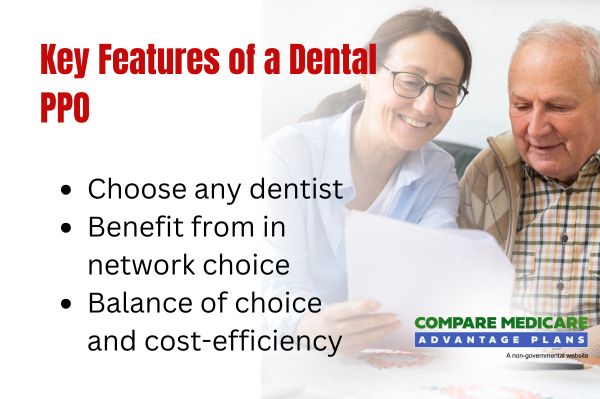
Exploring the right dental plans is essential for seniors who wish to maintain their oral health while keeping costs manageable. Dental insurance plans for seniors come in various forms, each with unique benefits and coverage options.
Understanding these different types can help seniors identify a plan that fits their specific needs.
In the following sections, we will delve into standalone dental plans as well as options that combine dental insurance with other types to provide a broader scope of coverage, ensuring you have the information to make an informed decision.
Standalone Dental Plans Explained
Standalone dental plans are specifically designed to cover dental-related expenses independently from other types of insurance, making them a popular choice among seniors seeking focused oral care coverage.
For those who recognize the importance of routine dental visits, a standalone policy can ensure they have access to coverage for regular check-ups, cleanings, and more complex treatments like fillings or crowns.
This type of plan is particularly beneficial for seniors who may not have dental coverage included in their existing health insurance or Medicare plans. Many standalone plans, including those offered by Cigna, provide different tiers of coverage, allowing seniors to select the level that best suits their needs and budget.
These plans typically cover preventive care extensively. Preventive services, like routine dental exams and cleanings, are essential for identifying potential oral health issues early, effectively minimizing the risk of expensive and invasive procedures down the line.
Such plans often highlight accessibility to a network of preferred providers, ensuring that seniors can choose from a wide range of experienced dentists. Having access to negotiated rates within this network means less financial strain, making routine care more affordable.
This is a significant advantage for many seniors living on fixed incomes who are looking to manage their dental expenses. Another vital aspect of standalone dental plans is their straightforward pricing models and generally no waiting periods for preventive care.
These features allow seniors to engage in immediate routine care without delay, fostering proactive oral health management. While some procedures might have waiting periods, understanding these details in advance helps seniors plan their dental visits effectively.
The independence of a standalone plan allows trends in dental spending to be clearer and more predictable, simplifying budgeting for future dental needs. By opting for a standalone dental insurance plan, seniors can gain peace of mind, knowing that their specific oral health needs are covered without unnecessary complexities.