Basic Elements of Dental Insurance
Understanding the basic elements of dental insurance is essential for seniors who want to maintain their oral health without financial stress. Dental insurance typically includes several core components: premiums, deductibles, copayments, and coinsurance.
Premiums are the monthly payments you make for coverage, ensuring you have access to a network of dentists. A deductible is the amount you must pay before your insurance starts covering your expenses.
Understanding these terms helps seniors plan their dental care more effectively and avoid surprises when it’s time to visit the dentist.
Another crucial element of dental insurance is the coverage of different services. Most plans offer a combination of preventive services, basic care, and major procedures.
Preventive services, such as cleanings and check-ups, are often covered at little or no cost, serving as a proactive approach to maintaining dental health. On the other hand, basic care like fillings and root canals typically requires some out-of-pocket expenses, albeit at a lower cost due to insurance.
This distinction is pivotal for seniors aiming to minimize out-of-pocket expenses.
Senior-specific considerations often include examining the waiting periods and benefits offered. Waiting periods refer to the time between signing up and when coverage actually begins.
It’s a common feature in dental plans for more extensive treatments like crowns or dentures. Understanding these waiting periods can prevent seniors from unexpected delays in accessing essential dental care.
Coverage limitations and exclusions also play a role, as some plans might have restrictions on the number of certain services you can get per year or might not cover cosmetic procedures. Knowing these elements helps seniors make informed decisions about their insurance plans and choose ones that best fit their needs.
Furthermore, choosing between different plan types is an important decision for seniors. Options like PPOs (Preferred Provider Organizations) and HMOs (Health Maintenance Organizations) come with their own set of rules and benefits.
A PPO plan might offer more flexibility in choosing dentists, though typically at a higher cost. An HMO might save money, but with a more limited network of service providers. Understanding these fundamentals allows seniors to weigh the options effectively, based on their individual health needs and financial situation.
As for retirees, combining dental insurance with Medicare supplemental insurance could be a wise strategy to broaden healthcare coverage. Though Medicare itself doesn’t cover dental, some Medicare Advantage plans do offer optional dental packages.
This supplemental insurance can fill in the gaps, making it easier to manage both routine and emergency dental needs. When combined with a dedicated vision plan, retirees can comprehensively manage their overall healthcare efficiently.
Thus, understanding and navigating these components of dental insurance helps seniors approach their healthcare planning confidently and intelligently.
Why Dental Coverage Matters for Seniors
Dental coverage is crucial for seniors because maintaining oral health directly impacts overall well-being. As we grow older, dental issues can become more prevalent, affecting our ability to eat properly and, sometimes, even our self-esteem.
Therefore, having proper insurance coverage is not just about addressing these issues but also about prevention and maintaining a good quality of life. With the right dental insurance, seniors can receive essential dental care services as part of their healthcare routine.
This coverage helps mitigate the cost of common issues that arise with age, such as gum disease, tooth loss, and chronic dry mouth.
Neglecting oral health can lead to broader health implications, emphasizing why dental coverage is so critical. Poor oral health has been linked with more serious conditions like heart disease and diabetes.
Therefore, insurance that covers comprehensive dental care can be an integral part of a senior’s overall healthcare strategy. By having access to regular dental check-ups and treatments, seniors can catch potential issues early, preventing more severe health challenges down the line.
This proactive approach ensures they maintain both oral and general health, which is particularly important for those relying on fixed incomes during retirement.
Another reason dental coverage is important for seniors lies in the coverage of major procedures. Treatments like crowns, bridges, dentures, and implants often come with high costs, which can be daunting for those on a budget.
Dental insurance helps alleviate these costs, making necessary treatments more accessible. For seniors, this means not having to put off critical procedures due to financial constraints, thereby improving their quality of life and general health outcomes.
Effective insurance planning can provide significant peace of mind, knowing that dental emergencies won’t become a financial burden.
Dental insurance benefits often include preventive care, a pivotal feature for seniors focusing on maintaining their health rather than just treating issues as they arise. Dental plans generally cover preventive services fully or at minimal cost, encouraging regular visits to the dentist.
These services, including cleanings, x-rays, and routine exams, are fundamental in preventing costly issues. This inclusion of preventive measures within “senior dental” insurance aligns with a broader healthcare vision, encompassing both short-term needs and long-term well-being.
Lastly, it’s crucial to highlight that seniors also have unique risks for certain dental issues that younger individuals may not face. Conditions like oral cancer become more of a concern with age, hence the importance of regular dental visits covered by insurance.
Regular screenings during dental visits can lead to early detection and drastically improve treatment outcomes. The holistic approach facilitated by dental insurance helps seniors strike a balance between necessary healthcare and managing costs effectively.
This coverage serves as a foundation for a happier, healthier retirement, allowing seniors to focus on enjoying their golden years without the constant worry of dental health issues.
Common Types of Dental Insurance Plans
Understanding the common types of dental insurance plans can help seniors choose the right fit for their healthcare needs. As we age, it’s essential to have an insurance plan that covers our specific dental care requirements.
In this section, we’ll explore two major types of plans, individual versus group dental plans, and the differences between HMO and PPO dental plans. These plans offer distinct benefits and limitations, so understanding them will empower you to make informed decisions about your dental insurance options.
Individual vs. Group Dental Plans
When navigating dental insurance options, it’s important to understand the difference between individual and group dental plans. Individual dental plans are policies purchased by a single person, such as yourself, to cover only your dental care needs.
These plans usually offer flexibility in terms of choosing dentists and the types of services covered, including preventive care, basic dental work, and some major procedures. Individual plans might be a good option for retirees who are no longer receiving insurance coverage through an employer and need to maintain their dental health independently.
On the other hand, group dental plans are typically offered through employers or other organizations, providing coverage to employees or members at potentially lower premiums. These plans benefit from economies of scale, making them a cost-effective option compared to individual plans.
Group plans often include a broader range of coverage benefits, including access to networks of dentists who agree to provide services at lower costs.
One key advantage of group plans is that they may have shorter waiting periods and include additional services like orthodontics. For seniors, especially those losing their employer-sponsored group benefits upon retirement, exploring group plans through association memberships or other retiree benefits programs can be a financially savvy move.
However, it’s essential to consider that group plans might limit your choice of dentists to a specific network.
Seniors must weigh the pros and cons of each plan type, taking into consideration their individual needs, budget constraints, and preferences in choosing healthcare providers.
Additionally, both types of plans may include essential but sometimes overlooked details like coinsurance, where you share the cost of services with the insurer, and potential deductibles that affect out-of-pocket expenses.
To make the best decision, seniors should research the specific coverage provided by both individual and group plans and compare how these align with their healthcare needs, especially if they have specific concerns like waiting periods or access to certain services.
Consulting with dental insurance educators or using reliable resources like CompareMedicareAdvantagePlans.org can also guide you in choosing a plan that offers comprehensive coverage for long-term dental health management.
Differences Between HMO and PPO Dental Plans
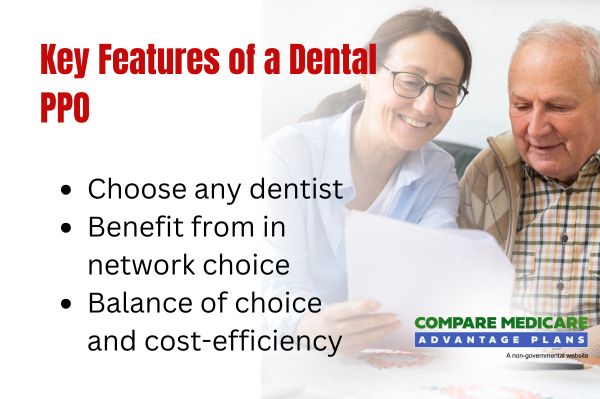
Distinguishing between HMO (Health Maintenance Organization) and PPO (Preferred Provider Organization) dental plans is crucial for making informed decisions. Both offer unique structures catering to different needs, preferred dentist networks, and flexibility levels in seeking dental care.
HMOs are generally characterized by lower premiums, making them an attractive option for cost-conscious seniors. However, they come with the trade-off of a more restricted network of dentists, necessitating that all services be accessed within this network to avail full insurance benefits.
Under an HMO, care coordination usually requires a primary care dentist referral for specialist treatments, which might limit immediate access to varied services.
Conversely, PPO plans offer greater flexibility in choosing any dentist, whether they’re in-network or out-of-network; though, staying within the network usually results in lower out-of-pocket costs. PPOs might appeal to seniors who prefer visiting their long-time family dentist or want the freedom to consult specialized professionals without needing referrals.
This flexibility often accompanies higher premiums compared to HMO plans due to the more extensive network access, which may be suitable for those willing to pay a bit extra for freedom of choice.
When considering either plan, evaluating the variety of covered services, potential coinsurance, and whether preventive services like cleanings and exams are fully covered is essential.
Both plans typically include benefits such as routine check-ups and preventive care, but plan specifics like major procedures, network limits, and geographic availability can differ significantly.
Seniors should take note of any waiting periods associated with major procedures under both HMOs and PPOs, which might influence their access to timely care.
Understanding these differences enables seniors to align their dental insurance choices with personal healthcare preferences and financial abilities, ensuring they receive necessary care without undue stress.
Resources like CompareMedicareAdvantagePlans.org provide valuable insights into these plan types, helping assess which aligns best with overall health strategies, including potential combinations with vision plans to ensure comprehensive senior healthcare management.
Ultimately, whether choosing an HMO or PPO, seniors should focus on ensuring their chosen plan accommodates their specific dental healthcare needs, coverage preferences, and financial planning goals. By considering these factors, seniors can maintain robust oral health, thereby contributing to their overall well-being and quality of life during retirement.
Key Benefits and Limitations of Dental Insurance
Understanding the benefits and limitations of dental insurance is essential for seniors seeking to guarantee their oral health without financial strain. Dental insurance, much like other types of health coverage, provides various benefits while having certain limitations.
The covered services, often differing by plan, can greatly influence the kind of care a senior can afford.
Simultaneously, it’s crucial to be aware of potential exclusions that might not be covered. As we delve into this topic, we’ll explore what services are typically provided under standard dental insurance plans, as well as discuss common limitations and what they mean for seniors looking for comprehensive care.
What Services Are Typically Covered
When choosing a dental insurance plan, it’s important for seniors to understand the typical services covered, which can significantly affect their oral health strategy. Most dental insurance plans cover preventive services, as these are critical in maintaining oral health and preventing costly issues in the future.
Services such as regular cleanings, routine exams, x-rays, and fluoride treatments generally fall within this category and are often covered at no additional cost to seniors. This proactive coverage helps in early detection of potential problems, maintaining healthy teeth and gums, and reducing the risk of more serious health issues.
In addition to preventive care, dental plans usually provide coverage for basic services. Basic care often includes procedures like tooth extractions, fillings, and root canals. These are essential services for treating common oral health issues that can become more prevalent with age.
Although coverage for these services typically involves some level of coinsurance, the cost burden is reduced, making it more manageable for those living on a fixed income. Having insurance coverage for basic services ensures that inevitable dental issues can be addressed promptly and without causing financial stress.
Major dental services are another category where insurance coverage can play a pivotal role. This category includes more complex procedures such as crowns, bridges, dentures, and in some cases, implants.
These services tend to carry higher costs, but dental insurance often covers a portion of these expenses, alleviating a significant financial burden. However, seniors should be aware that major services might come with specific terms, such as waiting periods, which dictate the amount of time before certain benefits can be accessed after the policy begins.
In some plans, supplemental dental coverage is available, extending insurance benefits to cater to additional needs. Seniors looking at insurance offerings may find options that include coverage for specialized services, orthodontics, and even some cosmetic procedures, though these are less commonly included.
Additionally, combining dental insurance with vision plans might be beneficial, as it broadens the scope of care, resulting in comprehensive healthcare management. These supplemental plans can address the full spectrum of senior healthcare needs, ensuring a holistic approach to maintaining health during retirement.
With many options available, seniors need to assess their individual needs and choose a plan that best addresses those requirements. Resources like CompareMedicareAdvantagePlans.org provide unbiased, educational content to help seniors understand the nuances of what’s covered, enhancing their ability to make informed decisions.
By choosing coverage that includes a balanced mix of services, seniors can gain peace of mind, knowing their oral health concerns will be handled effectively without overwhelming financial implications.