Speak with a licensed insurance agent

1-833-641-4938

TTY user 711 Mon-Fri : 8am-9pm EST

Medicare Plan N vs Plan G Pros and Cons

Choosing the right Medicare plan can feel overwhelming, especially when comparing options like Medicare Plan N and Plan G. This page breaks down the key differences to help you make an informed decision. We’ll explore what each plan covers, as well as potential costs and benefits.

Understanding these can empower you to select a plan that best suits your healthcare needs. Whether you’re new to Medicare or re-evaluating your current plan, this guide aims to provide clarity and assist you in navigating the choices with confidence.

Brief Overview

Choosing between Medicare Plan N and Plan G involves understanding their key differences in coverage, premiums, and cost-sharing elements. Plan G offers comprehensive protection, covering nearly all gaps left by Original Medicare, making it ideal for those wanting peace of mind despite higher premiums.

In contrast, Plan N provides lower monthly premiums with cost-sharing features like copayments for some services, appealing to those with fewer healthcare needs. Your decision should factor in personal health requirements, financial circumstances, and lifestyle. Consulting with a Medicare advisor can provide tailored advice to navigate your options confidently.

Key Highlights

  • Medicare offers Original Medicare and Medigap plans like Plan G and Plan N for additional coverage.
  • Plan G provides extensive coverage, minimizing out-of-pocket expenses but generally costs more monthly.
  • Plan N balances coverage with lower premiums, using copayments for doctor and ER visits.
  • Choosing between Plan G and Plan N depends on healthcare needs, cost preferences, and medical usage.
  • Consultation with a Medicare educator can help clarify which plan best aligns with individual needs.

Compare plans and enroll online

Understanding Medicare: A Brief Overview

Medicare is a federal health insurance program designed primarily for people aged 65 and older and also for some younger individuals with disabilities or specific conditions. It comprises several parts, each covering different aspects of healthcare needs.

At its core, Original Medicare consists of Part A, which covers hospital insurance, and Part B, which takes care of medical insurance. These two parts make up the foundation of Medicare, offering vital healthcare benefits to those who qualify.

Original Medicare, while extensive, doesn’t cover all healthcare expenses, leading many to seek additional coverage through policies like Medigap. Medigap, or Medicare Supplement Insurance, helps fill in the gaps by covering costs not fully paid by Original Medicare, like copayments, coinsurance, and deductibles.

This supplemental coverage ensures peace of mind by reducing out-of-pocket expenses. However, it’s crucial to understand the pros and cons of each plan option, such as Medicare Plan N and Plan G, to make an informed choice.

Medicare isn’t just about deciding between Original Medicare and Medigap supplements. It’s about evaluating your healthcare needs, understanding how Medicare works, and identifying what additional coverage might be necessary.

For instance, while Original Medicare covers substantial ground, it might not fully meet your personal needs without supplemental assistance. Familiarizing yourself with the distinct benefits and limitations of both Original Medicare and Medigap is imperative for a well-rounded healthcare strategy tailored to individual circumstances.

As you maneuver through this journey, maintaining a confident and informed outlook will empower you to find the best possible fit for your healthcare needs.


Medicare Part Coverage Area Costs Covered Additional Coverage Considerations
Original Medicare Part A Hospital Stays Inpatient Care, Skilled Nursing Facility Limited Home Health Services Generally no monthly premium if conditions are met
Original Medicare Part B Outpatient Services Doctor Visits, Preventive Services Durable Medical Equipment Monthly Premium Applies
Medigap Options Supplemental Deductibles, Coinsurance Extended Hospital Stays Variety of Plans Available, Premium Required
Out-of-Pocket Costs Varies by Plan 20% of Medicare-Approved Amounts Not covered by all plans Consider Potential Expenses not Covered by Original Medicare

This table outlines the core components and supplemental options available under Medicare, aiding in a comprehensive understanding of healthcare coverage choices.

What Is Medicare Plan G?

Medicare Plan G, often hailed under Medigap, serves as a supplement plan designed to enhance your Original Medicare coverage by addressing costs not wholly covered by standard Medicare plans. Plan G is renowned for its comprehensive coverage and is a popular choice amongst insurance companies selling Medigap policies.

It covers a wide range of major medical expenses, thereby minimizing out-of-pocket spending. For those relying on Original Medicare, understanding the benefits, costs, and coverage differences of Plan G is crucial to determine if it aligns with your healthcare needs.

Coverage Details of Plan G

Medicare Plan G offers extensive coverage, ensuring beneficiaries enjoy a broader safety net concerning healthcare expenses. Under this Medigap plan, nearly all of the gaps in Original Medicare are covered, providing beneficiaries with undeniable peace of mind.

Key aspects of Plan G include coverage for Part A hospital coinsurance and costs for an additional 365 days after Medicare benefits are exhausted. This means if you’re ever hospitalized for an extended period, these expenses won’t weigh heavily on you.

Furthermore, Plan G covers Part A hospice care coinsurance or copayments, making it a comprehensive supplement plan that supports you through serious medical conditions with dignity and substantial coverage. This Medigap plan also addresses Medicare Part B coinsurance or copayments, lab services, and the first three pints of blood.

Although Plan G doesn’t cover the Part B deductible, understanding this can help you plan accordingly. Despite this exclusion, Plan G’s coverage remains highly comprehensive, allowing you to focus on your health rather than potential financial burdens stemming from medical bills.

The pros of Plan G’s coverage also include foreign travel emergency coverage, up to plan limits, which is beneficial for seniors who enjoy traveling internationally. Knowing these details helps illustrate the support Plan G provides, particularly in reducing out-of-pocket expenses.

When combined with other comprehensive coverage aspects, Plan G genuinely offers an encompassing range of benefits to cater to various needs, proving advantageous over some other Medigap plans. It’s essential to remember that Plan G benefits might vary slightly depending on the insurance companies underwriting them, thus consulting with an experienced Medicare educator could provide further clarity.

Cost Factors of Plan G

While choosing Medicare Plan G, understanding the cost factors involved is pivotal for making an informed decision. The monthly premiums for Plan G can vary significantly depending on the insurance company, the state you live in, and even your age.

Typically, Plan G premiums might be higher compared to some other Medigap plans such as Plan N, but given the comprehensive benefits it provides, many find the peace of mind well worth the cost. However, it’s always advisable to compare different plans and rates across various insurance companies to find a premium structure that aligns with your budget.

The major cost component outside of monthly premiums is the Part B deductible. As previously mentioned, Plan G does not cover this deductible, requiring enrollees to manage this particular expense out-of-pocket.

Yet, because Plan G covers a wide range of other costs including copayments, coinsurances, and additional hospital costs, many seniors find it to be a valuable trade-off. Consider evaluating these cost factors alongside your health needs and budget constraints for a clearer picture of its suitability for you. Insurance companies might also use different pricing methods for determining premiums, including attained-age, issue-age, or community-rated pricing, each impacting the premium cost differently over time.

An attainable goal when reviewing Plan G is to balance its comprehensive coverage benefits with its premium costs, ensuring that it meets your unique healthcare needs without straining your finances. Keeping these cost factors in mind, talking to a Medicare insurance educator can help you navigate these nuances, providing reassurance that you’re making the right choice in selecting a Medicare Supplement plan that best suits your health requirements.

Here are some important considerations for evaluating Plan G’s cost factors:

  • Evaluate how attained-age pricing could affect future premium increases.
  • Consider state regulations that might impact premium costs and policy availability.
  • Research additional out-of-pocket costs beyond the Part B deductible.
  • Compare Plan G’s benefits with those of other Medigap plans for a comprehensive view.
  • Investigate insurance company reputations for customer service and reliability.
  • Assess potential discounts for non-smokers or couples enrolling simultaneously.
  • Analyze past premium rate changes of companies offering Plan G policies.

This list enriches your decision-making process by highlighting key factors to weigh against your healthcare needs.

What is Medicare Plan G

Introducing Medicare Plan N

Medicare Plan N offers a practical approach for those exploring Medicare Supplement options to get additional protection alongside Original Medicare’s coverage. As one of the Medigap plans, Plan N aims to strike a balance between service coverage and lower monthly premiums.

Therefore, it could be particularly suitable for healthy individuals with infrequent doctor visits. You might wonder how Plan N works, its pros and cons, and what its financial implications are in terms of monthly premiums. Let’s dive into the specifics, exploring how this Medicare Supplement plan operates to provide adequate security for your healthcare needs.

How Plan N Works

Medicare Plan N is a type of Medigap policy that fills gaps in Original Medicare coverage. This plan offers a moderate level of coverage, paying for costs such as Part A hospital coinsurance, which extends the benefits for an additional 365 days after Original Medicare’s coverage has been exhausted.

Such inclusions are crucial, given the rising medical expenses that can occur in extended hospital stays. However, it’s important to note that Plan N doesn’t cover everything.

Unlike Plan G, Plan N does not pay for Medicare Part B excess charges. Excess charges arise when a doctor charges more than Medicare’s approved amount, and these costs are the patient’s responsibility.

Plan N also adopts a unique approach by requiring copayments for certain services, a critical difference in how it manages out-of-pocket costs. If you visit a doctor or have an emergency room visit, expect to pay a copayment for these services, up to $20 for doctor visits and $50 for emergency room visits.

Such cost-sharing measures are part of the reason why Plan N can have lower premiums compared to some other Medigap options like Plan G. Thus, if you make infrequent visits to the doctor, you may find Plan N to offer a satisfactory balance between paying lower premiums and achieving adequate coverage for your healthcare needs.

While Plan N doesn’t cover the Medicare Part B deductible, it still manages various other essential services cost-effectively. It includes coverage for skilled nursing facility care coinsurance and Part A hospice care coinsurance or copayments.

These elements ensure that while Plan N might not be as comprehensive as other plans, it still offers a robust array of benefits. Given the distinct structure and unique attributes of Plan N, potential enrollees are encouraged to consult with Medicare insurance educators to weigh its features against personal healthcare needs and financial scenarios effectively. Ensuring you’re informed about how Plan N operates will empower you to make a confident decision about your coverage.

Plan N Monthly Premiums Explained

The cost of Medicare Plan N can be particularly appealing if you’re focused on keeping your monthly premiums low. With Plan N, insurance companies generally offer more affordable rates compared to Plan G, partially due to its cost-sharing arrangements such as copayments for doctor visits and emergency room stays.

The premiums for Plan N are influenced by various factors, including your location, age, and the specific insurance company providing the policy. Each insurance company might have different pricing strategies, with some opting for community-rated, issue-age-rated, or attained-age-rated models, creating variability in what you might pay monthly.

While premiums are an essential aspect of considering this Medigap plan, it’s also necessary to recognize how your overall medical expenses could be impacted. Plan N’s lower premiums can lead to savings, especially if you rarely visit a doctor or have ongoing medical needs. However, should circumstances change, the copayments for office visits and potential out-of-pocket costs from excess charges for part B services could add up, which suggests a need for careful planning and foresight.

By examining your personal health history and anticipated future medical services, you can determine if Plan N’s structure aligns well with your financial situation and health care expectations. It’s also worth noting that though Plan N premiums are appealing for lower monthly payments, paying attention to your need for supplemental healthcare coverage remains crucial.

If you anticipate extensive healthcare services or travel frequently, where additional coverage might be necessary, evaluating this alongside Plan N’s benefits could offer a more comprehensive understanding of its value. Exploring different insurance companies’ offerings and consulting Medicare insurance educators can illuminate how Plan N suits your unique conditions, reinforcing a confident, informed choice about one’s healthcare coverage.

Find & Compare Plans Online

Speak with a licensed insurance agent

1-844-919-4660TTY 711

Mon-Fri: 8am-9pm ET

Comparing Plan G and Plan N: Coverage Differences

Deciding between Medicare Plan G and Plan N requires understanding their distinct coverage options and how each aligns with your healthcare needs. While both aim to supplement Original Medicare, their approaches differ, especially regarding coverage scope, copays, and costs.

Plan G typically provides more comprehensive coverage, shielding you from most out-of-pocket expenses by covering nearly all of Medicare’s gaps. In contrast, Plan N offers lower monthly premiums but comes with higher copays and potential excess charges. Let’s explore what each plan covers and their unique cost structures, to help you make an informed choice.

What Plan G Covers Versus Plan N

When contemplating Medicare Supplement plans, both Plan G and Plan N present compelling benefits, yet their coverage specifics differ significantly. Plan G is often seen as the more comprehensive of the two, addressing nearly all the gaps left by Original Medicare.

This includes coverage for Medicare Part A coinsurance and an additional 365 days of hospital expenses once Medicare’s benefits are exhausted. Additionally, Plan G also provides coverage for Part A deductible, coinsurance for skilled nursing facility care, and even foreign travel emergencies, granting peace of mind to those who desire thorough insurance solutions.

On the other hand, Plan N, while still robust, operates differently concerning Part B services. Plan N doesn’t cover Part B excess charges, expenses incurred when a doctor charges more than Medicare’s approved amount. Instead, it introduces a cost-sharing aspect through copayments.

Beneficiaries may encounter a $20 copay for doctor visits and potentially a $50 copay for emergency room visits, given the patient isn’t admitted to the hospital. However, Plan N still covers the Medicare Part A deductible and coinsurance as well as skilled nursing facility care, making it a feasible option for those seeking budget-friendly premiums with moderate coverage.

The choice between the two depends largely on individual needs and preferences. While Plan G offers extensive benefits, its higher premiums reflect its comprehensive nature. Conversely, Plan N’s lower premiums cater to individuals willing to manage minor copays and potential excess charges.

Prioritizing which aspects of coverage are essential, along with evaluating one’s usage of medical services, ultimately steers the decision on which plan better aligns with your healthcare strategy and financial situation. Thorough understanding aids in discerning which plan to embrace for optimal health insurance security.

Exploring Plan N Excess Charges

Considering Medicare Plan N involves understanding specific charges unique to its structure, particularly the concept of “excess charges.” These charges occur when a doctor or medical provider bills more than what Medicare approves for a service.

Under Plan N, addressing these charges falls on the shoulders of the policyholder, unlike Plan G, which covers these expenses. This distinction is crucial, especially for seniors who anticipate frequent medical care visits or live in an area where providers commonly charge above Medicare’s approved amounts.

For beneficiaries of Plan N, it’s vital to confirm whether healthcare providers accept Medicare assignments, thereby avoiding unexpected excess charges. Providers accepting Medicare assignments agree to the set charge without adding extras, a practice that could eliminate potential financial surprises.

Meanwhile, in instances where excess charges do apply, factoring them into the overall healthcare budget clarifies whether Plan N’s economical premium offsets the potential out-of-pocket expenses these charges might create. The strategic appeal of Plan N rests on its ability to provide comprehensive coverage paired with significantly lower premiums.

Yet, many opt for Plan G despite its higher cost, thanks to no exposure to excess charges. Those leaning towards Plan N must diligently weigh regional medical cost practices and their anticipated healthcare needs.

Seniors also benefit from discussing these details with a Medicare insurance educator. Such informed discussions ensure that you capture a clear understanding of Plan N’s scope, avoiding potential financial pitfalls while aligning the plan’s attributes to address personal healthcare nuances thoughtfully and thoroughly.

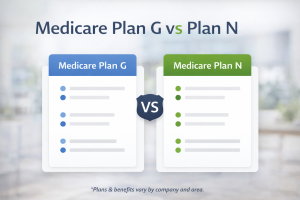
Comparing Plan G and Plan N

Making an Informed Decision

Choosing between Medicare Plan G and Plan N is about understanding how each fits into your healthcare needs and lifestyle. While both plans supplement Original Medicare by covering additional expenses, they differ in their approach to costs and coverage.

Plan G often appeals to those seeking comprehensive coverage, eliminating most out-of-pocket expenses, while Plan N may attract individuals interested in lower monthly premiums with some cost-sharing aspects. This section will delve into who should consider each plan, helping you make a decision that’s aligned with your health and financial situation.

Who Should Consider Plan G or Plan N?

In deciding between Plan G and Plan N, assessing who should consider each is crucial for making practical healthcare decisions. If you value comprehensive coverage and are willing to pay a bit more in premiums, Plan G could be a suitable choice.

This plan covers nearly all gaps left by Original Medicare, providing assurance against out-of-pocket expenses. Plan G is beneficial for those who frequently visit healthcare providers, have ongoing medical conditions, or wish to travel internationally, where coverage for emergencies abroad can be a significant advantage.

The peace of mind offered by Plan G, albeit at a higher cost, ensures that unexpected medical expenses won’t disrupt your financial stability. Conversely, Plan N might suit those prioritizing lower monthly costs over comprehensive coverage. Its appeal lies in relatively lower premiums, stemming from its cost-sharing approach.

Plan N involves copayments, up to $20 for doctor visits and $50 for emergency room visits, unless admitted. Furthermore, it doesn’t cover Part B excess charges, positioning it as an optimal choice for individuals who visit doctors infrequently and are confident their providers accept Medicare assignments. Individuals in good health who predict low medical service usage might find the trade-off between lower premiums and minor out-of-pocket costs worth consideration.

Ultimately, deciding who should consider Plan G or Plan N involves closely examining personal health status, comfort with potential copayments or excess charges, and your long-term financial planning. Understanding your healthcare needs, frequently requiring services, and your overall expected medical expenses plays a vital role in selecting the right plan.

Whether you’re leaning towards the encompassing security of Plan G or the cost-efficient approach of Plan N, ensuring the choice aligns with your lifestyle and healthcare requirements is key to making a confident, informed decision. Consultations with Medicare insurance educators can provide tailored insights and clarity, helping guide you toward a choice that supports your health and financial goals effectively.

Summary and Next Steps

Understanding the nuances between Medicare Plan N and Plan G is essential as you determine your supplemental insurance needs. Both plans offer unique benefits and have distinct differences in coverage, premiums, and cost-sharing elements.

Making an informed decision begins by considering how each plan aligns with your healthcare requirements and financial circumstances. If you often require medical services and want comprehensive protection against unexpected expenses, Plan G could be a more suitable choice.

Its benefits include extensive coverage, which might justify the higher premiums for those prioritizing peace of mind and minimal out-of-pocket costs. Alternatively, individuals with fewer healthcare needs might consider Plan N. This plan appeals through its lower monthly premiums, relying on a cost-sharing approach with copayments for certain medical services.

While Plan N might not cover Medicare Part B excess charges, its financially appealing premiums can be an attractive option, particularly if your healthcare providers accept Medicare assignments. Being aware of service costs and understanding where each plan stands in terms of coverage allows you to weigh potential rate fluctuations and long-term financial implications effectively.

For many, determining the right plan requires exploring insurance companies and their specific offerings. Factors like state location and the chosen insurer can affect plan benefits and pricing. Whether contemplating Plan G or Plan N, consider working with a Medicare insurance educator to demystify complex elements and gain clear guidance tailored to your situation.

As you explore the next steps, comparing plan options within your ZIP code could further clarify your choice, allowing you to align coverage with your health goals and financial strategy effectively. With informed preparation, you’re well on your way to selecting a plan that truly supports your health needs.

Deciding between Medicare Plan N and Plan G can feel overwhelming, but understanding their pros and cons will help. Consider your healthcare needs, budget, and preferences when exploring these options.

Each plan offers unique benefits, so it’s important to assess which aligns best with your situation. For more personalized assistance, consider discussing with a trusted Medicare advisor.

Remember, a thoughtful choice can support your healthcare journey. Explore these options confidently to ensure peace of mind. For additional guidance, enter your ZIP code on our site or call when our assistance line is available.

Compare plans and enroll online

Frequently Asked Questions

What are the main differences between Medicare Plan G and Plan N?

Medicare Plan G provides more comprehensive coverage, filling nearly all gaps left by Original Medicare, while Plan N offers lower premiums with a cost-sharing approach. Plan G covers excess charges from doctors, but Plan N does not, requiring copays for doctor visits and emergency room visits.

How do the costs of Medicare Plan G and Plan N compare?

Plan G generally has higher monthly premiums because it covers more benefits with limited out-of-pocket costs. Plan N has lower premiums but includes copayments for doctor and emergency room visits, and it doesn’t cover excess charges beyond Medicare’s approved amounts.

Who should consider choosing Medicare Plan G?

Plan G is well-suited for individuals who prefer comprehensive coverage, frequent healthcare visits, or international travel. It offers broader coverage, reducing out-of-pocket expenses despite higher premiums.

What makes Medicare Plan N an appealing option?

Medicare Plan N is appealing for those who are healthy and make fewer doctor visits, as it offers lower premiums with some cost-sharing. It’s a suitable choice if your healthcare providers accept Medicare assignments and you are comfortable with some copayments.

How can I decide between Medicare Plan G and Plan N?

Consider your healthcare needs, financial situation, and whether you prefer lower monthly costs with some out-of-pocket spending (Plan N) or comprehensive coverage with minimal out-of-pocket costs (Plan G). Consulting with a Medicare educator can provide tailored insights to help you decide.

Have Questions?

Speak with a licensed insurance agent

1-844-919-4660

TTY users 711

Mon-Fri: 8am-9pm ET

Find & Compare Plans Online

Speak with a licensed insurance agent

1-844-919-4660TTY 711

Mon-Fri: 8am-9pm ET

ZRN Health & Financial Services, LLC, a Texas limited liability company

( Medicare Expert )

Russell Noga is the CEO of ZRN Health & Financial Services, and head content editor of several Medicare insurance online publications. He has over 15 years of experience as a licensed Medicare insurance broker helping Medicare beneficiaries learn about Medicare, Medicare Advantage Plans, Medigap insurance, and Medicare Part D prescription drug plans.