





Speak with a licensed insurance agent

1-833-641-4938

TTY user 711 Mon-Fri : 8am-9pm EST

Medicare Plan G Cost 2027

As you explore Medicare options for 2027, it’s important to understand the costs associated with Medigap Plan G. Plan G is a popular Medicare Supplement plan that helps cover costs like deductibles and copayments. Learning about potential premium increases and typical expenses can guide you in making informed decisions.

In this overview, we break down what you might expect from Plan G’s costs in 2027, helping you prepare and budget effectively. Our goal is to make the information easy to understand and help you feel confident as you consider your Medicare options moving forward.

Brief Overview

Evaluating Medicare Plan G for 2027 involves understanding its comprehensive coverage benefits, which fill important gaps left by Original Medicare, such as deductibles and copayments. Anticipating potential premium increases due to factors like healthcare inflation and geographic location helps seniors budget effectively. Comparing Plan G with other Medigap and Medicare Advantage offerings emphasizes its value in covering nearly all out-of-pocket costs, save for the Medicare Part B deductible.

Exploring enrollment periods and considering individual healthcare needs ensures that seniors and caregivers make informed choices to complement their financial and medical requirements.

Key Highlights

  • Medicare Plan G offers comprehensive coverage, filling gaps left by Original Medicare.
  • Plan G covers hospital and medical costs beyond Medicare’s benefits, excluding Part B deductible.
  • Premiums for Plan G in 2027 may increase due to healthcare inflation and policy changes.
  • Understanding open enrollment periods can secure Plan G without medical underwriting.
  • Compare Medigap and Medicare Advantage options to find a plan that suits your needs.

Compare plans and enroll online

Understanding Medicare Plan G in 2027

Evaluating Medicare options for 2027, particularly Plan G, can feel like a big task. This popular Medigap plan offers seniors valuable coverage by supplementing Original Medicare. Understanding Medigap Plan G is essential since it covers key gaps in Medicare Part A and Part B, such as coinsurance and deductibles.

The healthcare landscape is ever-changing, so you must know what Plan G offers and how it fits your needs in 2027. We’ll explore its core benefits and features, offering insights to help seniors make informed decisions about their Medicare supplement plan.

What is Medicare Plan G?

Medicare Plan G, a type of Medigap policy, stands out for its comprehensive coverage. It assists by filling in many of the gaps left by Original Medicare, ensuring less out-of-pocket spending for healthcare services. Notably, Plan G covers Medicare Part A coinsurance and hospital costs for an additional 365 days after Medicare benefits are used up, offering peace of mind for extended hospital stays.

It also takes care of Part B coinsurance or copayment costs, blood usage up to three pints, and Part A hospice care coinsurance or copayment. For those who often experience high out-of-pocket expenses, Plan G’s coverage helps manage these unforeseen costs, making it an appealing choice for many seniors. Understanding this plan’s benefits can guide seniors and their caregivers toward a plan that complements their financial and medical needs.

Key Benefits of Plan G

Medicare Plan G is celebrated for its robust set of benefits, providing a sense of security for the covered services. This Medigap plan notably covers all except the annual Medicare Part B deductible, which allows you to budget more predictably for your healthcare expenses. The plan also includes coverage for emergency healthcare during foreign travel, which is an attractive perk for seniors enjoying retirement travel.

Such broad coverage ensures that when unexpected situations arise, policyholders aren’t left struggling with large medical bills. An added benefit is that Plan G is accepted nationwide by any healthcare provider that accepts Medicare, sparing the stress of network restrictions. This flexibility is particularly convenient for seniors who travel within the U.S. often.

Understanding these benefits can lead to a more confident choice when considering Medigap plans in 2027.

How Medigap Costs May Change in 2027

Medigap costs for 2027 may experience shifts due to several contributing factors. Understanding these changes is vital for seniors relying on Medicare Supplement plans like Plan G. Factors such as healthcare inflation, modifications in Medicare policy, and the overall landscape of the healthcare industry play significant roles. Anticipating potential premium increases helps beneficiaries plan their budgets effectively.

We’ll examine these factors affecting Medigap plan premiums and offer insights into what you might expect regarding costs for Plan G in 2027. Being informed empowers you to navigate these changes with confidence and peace of mind.


Factor Impact on Premiums Additional Considerations Policyholder Actions
Regulatory Changes Potential Increase Adjustments in coverage standards Stay informed on policy updates
Healthcare Costs Fluctuating Premiums Rising costs of medical services Evaluate healthcare needs
Demographic Shifts Affect Risk Pool Growing aging population Review specific plan options
Insurance Market Trends Variable Changes Competitive landscape among insurers Compare different plans
Policy Adjustments Uncertain Impact Modifications in policy structures Consult with insurance advisors

This table provides a visual overview of the complex factors contributing to shifts in Medigap premiums, helping policyholders understand and anticipate potential changes in 2027.

Factors Affecting Medigap Plan Premiums

Several key factors may influence Medigap Plan G premium increases in 2027. One major factor is healthcare inflation, which can drive up costs across the board, including for Medigap premiums. Insurance companies may adjust premiums based on projected claims and healthcare costs, impacting the monthly premiums paid by policyholders.

Additionally, changes in Medicare policy or benefits might affect how Medigap plans, including Plan G, are priced. As insurance carriers reassess their rates, competition among companies can also influence premiums. Understanding these elements helps you anticipate the cost of your Medigap policy, enabling you to prepare for potential financial impacts effectively.

Comparison of Medicare Plans and Coverage Options

Predicting Costs for Plan G in 2027

While predicting exact costs for Medigap Plan G in 2027 involves some uncertainty, we can examine trends and factors that typically influence these rates. Historically, premiums tend to rise due to increased healthcare costs and inflation. Insurance companies look at these trends when setting monthly premiums, so it’s essential to consider these patterns when planning your budget.

Besides healthcare inflation, geographic location and insurer’s rate adjustments also play a role in determining rates. Some regions may experience higher rate increases than others, depending on local factors and the insurance company’s strategies. Keeping an eye on these elements can provide valuable insights as you consider your Medigap options and anticipate costs.

Comparison of Medicare Plans and Coverage Options

Understanding the differences between Medicare Medigap plans and Medicare Advantage ensures seniors make informed decisions as they explore coverage for 2027. These options offer various plan benefits and coverage tailored to individual needs. In this section, we’ll break down the distinctions between Medigap and Medicare Advantage, offering insight into how they cover supplementary medical costs.

Additionally, we’ll delve into Medicare Part options to illuminate the extensive range of choices available. With this comprehensive overview of plans, seniors can compare plans and select the right Medicare solution for their health and budgetary requirements.

Difference Between Medigap and Medicare Advantage

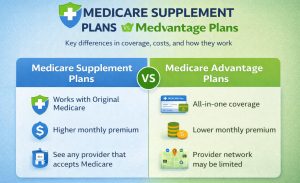
Medigap and Medicare Advantage plans serve as vital components in the array of Medicare plans, each providing distinct coverage options. Medigap, also known as Medicare Supplement, assists in covering out-of-pocket costs not paid by Original Medicare. Unlike Medicare Advantage, which replaces Original Medicare with a comprehensive plan through an insurance company, Medigap acts as a supplemental plan.

Medigap plans, like Plan G, cover Medicare Part A and B coinsurance, reducing personal expense from hospital and medical bills. While Medigap policy premiums may vary, beneficiaries often appreciate the freedom to see any doctor nationwide who accepts Medicare. In contrast, Medicare Advantage typically requires you to utilize provider networks, which can limit choice.

Understanding these differences is vital for seniors evaluating their health and financial needs for 2027.

Exploring the nuanced distinctions between Medigap and Medicare Advantage further:

  • Medigap’s nationwide doctor access provides flexibility not usually available with network-restricted Advantage plans.
  • Medicare Advantage plans often include additional benefits like vision, dental, and prescription drugs.
  • Medigap premiums may be higher but offer predictable expenses due to covered deductibles and copayments.
  • Under Medicare Advantage, out-of-pocket spending is capped annually, offering expense management predictability.
  • Switching between plans has specific timing and eligibility constraints worth investigating.
  • Weigh coverage needs and potential medical expenses when contemplating plan options.
  • Evaluate lifestyle and travel habits, as they can affect the suitability of nationwide versus network-restricted options.

These points illuminate key factors, aiding in a more informed decision-making process.

Exploring Medicare Part Options

Diving into the parts of Medicare can simplify selecting the right plan for your needs. Original Medicare is divided into Parts A and B, covering hospital and medical services, respectively. Meanwhile, Medicare Advantage plans, or Part C, bundle these benefits with added features like prescription drug coverage or dental services. Part D picks up where Original Medicare leaves off by assisting with medication costs, a significant concern for many seniors.

Each part of Medicare offers separate coverage, with Medigap supplement plans like Plan G filling the cost gaps for outpatient and inpatient services left by Parts A and B. When exploring Medicare part options, consider how a Medigap plan can enhance your Original Medicare, minimizing uncovered expenses. Deliberating on these parts aids seniors and their caregivers in making informed decisions about which coverage aligns with their healthcare priorities.

Find & Compare Plans Online

Speak with a licensed insurance agent

1-844-919-4660TTY 711

Mon-Fri: 8am-9pm ET

Plan G and Open Enrollment Periods

Choosing the right Medigap plan revolves around understanding critical periods like open enrollment. For Plan G, this window offers a vital opportunity to access comprehensive coverage without the hassle of medical underwriting. During these periods, seniors can secure a Medigap policy with ease, ensuring lesser out-of-pocket costs for Medicare services.

Knowing when to enroll can make a significant difference in coverage and costs, especially considering premium changes in 2027. We’ll discuss the nuances of open enrollment for Medigap plans and the ideal timing to enroll in Plan G, helping you navigate these options confidently.

Understanding Open Enrollment for Medigap Plans

The open enrollment period for Medigap plans is crucial because it allows you to obtain coverage such as Plan G without facing medical underwriting, which typically means easier acceptance regardless of health status. This period begins the month you’re both 65 or older and enrolled in Medicare Part B, lasting six months. During this time, an insurance company can’t refuse you a Medigap plan or charge you more because of pre-existing conditions.

This provides peace of mind as you consider important benefits, such as lower costs for hospital stays and doctors’ visits. Taking advantage of this period ensures you get the comprehensive insurance coverage you need to supplement your Original Medicare. Use this time wisely to consider Plan G for its extensive benefits, including coverage for many of the gaps that Original Medicare Parts A and B leave uncovered.

When to Enroll in Plan G

Determining the best time to enroll in Medigap Plan G is essential for maximizing your benefits and minimizing costs. Ideally, you should enroll during your Medigap open enrollment period, a six-month window starting when you’re both 65 and enrolled in Medicare Part B. Enrolling during this time means you won’t be subject to medical underwriting.

If you miss this window, enrolling later might mean higher premiums or even denial of coverage, especially if your health has changed. For those considering Plan G, early enrollment ensures access to its comprehensive coverage without hassle. This plan offers substantial benefits, from covering inpatient hospital care to doctor visits, inspiring peace of mind.

By aligning the timing of your enrollment with strategic consideration of costs, you capture the maximum advantage of what Plan G offers while avoiding potential premium increases or coverage exclusions that could occur outside the open enrollment period. This strategy not only secures your health coverage but also places you in a favorable position for future planning.

Breaking Down the Cost of Plan G

Understanding the costs associated with Medicare Plan G can help you plan ahead for 2027. This Medigap plan provides comprehensive coverage by supplementing Original Medicare and filling in crucial gaps such as deductibles and copayments. However, it’s vital to be aware of both the monthly premiums and any additional costs that could arise.

By examining these aspects, you can better anticipate your financial commitments and effectively manage your healthcare expenses. Let’s delve into what makes up the costs of Plan G, ensuring you’re well-prepared for any potential financial obligations in the coming year.

Monthly Premiums Explained

Monthly premiums for Medigap Plan G represent a significant recurring cost that seniors should consider when budgeting for 2027. These premiums can vary significantly depending on several factors, such as your geographic location, age, and the insurance company offering the plan. Typically, insurance companies determine premiums based on medical underwriting, which assesses the risk of the applicant’s health status unless you’re within the open enrollment period.

During open enrollment, premiums may be more favorable since insurers can’t deny coverage or charge higher premiums based on health conditions. Additionally, rising healthcare costs can impact premium amounts, making it essential to consider regional differences and shop around for competitive rates. By understanding these premiums, you’ll gain insight into how Plan G fits into your broader Medicare Supplement strategy, helping to minimize overall costs while maintaining robust coverage.

Other Potential Costs to Consider

While the monthly premiums of Plan G are a crucial component, other potential costs could affect your budget. One such cost is the Medicare Part B deductible, as Plan G doesn’t cover this amount. For 2027, you’ll need to account for this out-of-pocket expense before the plan’s benefits fully kick in.

Additionally, while Plan G covers many healthcare services, it doesn’t include coverage for prescription drugs, dental, vision, or hearing aids. Such exclusions mean you might need another policy to cover these costs. Also, it’s wise to consider the impact of potential rate increases due to inflation or changes in Medicare policy.

Keeping these factors in mind, alongside potential out-of-pocket costs, ensures a comprehensive understanding of your healthcare financial obligations, empowering you to make informed decisions and navigate your Medicare coverage with confidence.

Comparison of Medicare Plans and Coverage Options

Plan G Versus Other Medigap Plans

When exploring Medigap options, understanding how Plan G compares to other plans is crucial for making informed choices. This plan stands out with its comprehensive coverage but isn’t the only Medigap option available. By comparing Plan G to other Medigap plans, you gain insights into differences in coverage, benefits, and costs.

This knowledge helps in selecting a plan that best aligns with your specific healthcare needs and budget. As seniors consider their options for 2027, reviewing the unique aspects of Plan G alongside other plans ensures a thorough understanding of available choices in the Medigap market.

How Plan G Differs from Other Options

Plan G distinguishes itself among Medigap plans primarily due to its comprehensive benefits. Unlike some other Medigap plans, Plan G covers almost all out-of-pocket costs associated with Original Medicare, except for the Medicare Part B deductible. This makes it a popular choice, especially for those seeking extensive coverage without unpredictable medical expenses.

Compared to other options like Plan N, which may have lower premiums but come with additional copayments for doctor visits and ER visits, Plan G offers peace of mind by covering more services. Additionally, while Plan F also offers comprehensive coverage, it’s no longer available to new Medicare enrollees, making Plan G a highly sought-after alternative. Diverse insurance companies offer Plan G, which helps create competitive pricing, benefiting seniors seeking value in their healthcare plans.

Exploring these differences aids in understanding why Plan G remains a preferred choice for those considering Medigap policies, providing robust insurance coverage and minimizing unplanned healthcare costs. It’s essential for seniors to weigh the benefits and costs of Plan G against other available options to ensure they select the plan that perfectly fits their specific coverage needs and financial situation.

Guidance for Comparing Medicare Options in 2027

Navigating Medicare options for 2027 requires careful assessment, particularly for Medigap Plan G. This plan offers expansive coverage by filling the gaps left by Original Medicare, such as deductibles and copayments. Understanding the benefits and costs associated with each plan is vital to ensure it aligns with both your healthcare needs and financial situation.

As you consider the plethora of Medicare plans available, having a clear strategy for comparison will help. This guidance aims to provide practical tips to assess and compare these Medicare plans effectively, empowering seniors to make confident, informed decisions.

Tips for Assessing Medicare Plans

When evaluating Medicare plans for 2027, it’s important to start by assessing your healthcare needs and financial goals. Consider the coverage each plan provides, specifically how Plan G supplements Original Medicare parts A and B. Look into the benefits, such as extended hospital stays and reduced coinsurance costs, which Plan G covers.

Comparing the Medicare Plan G deductible amount and premiums across different insurance companies will give a better sense of potential costs. It’s also helpful to review the openings and policies provided by each Medigap plan to determine the best fit for your situation. Examining these factors carefully allows you to make informed choices as you navigate the complex landscape of Medicare options.

Furthermore, understanding changes in Medicare policy that may influence costs ensures that you’re prepared for shifts in premiums or coverage benefits, offering peace of mind as you plan for the upcoming year.

Understanding the costs of Medicare Plan G can help you make informed decisions about your healthcare coverage in 2027. By comparing different options and considering factors like premium increases, you can find the right fit for your needs. Remember, costs may vary based on location and provider.

If you need further assistance, feel free to explore additional resources available on our site. Enter your ZIP code to compare Medicare Advantage options for 2027, or call for guidance when our phone line opens.

Compare plans and enroll online

Frequently Asked Questions

What is Medigap Plan G and what expenses does it cover?

Medigap Plan G is a Medicare Supplement plan that provides extensive coverage by filling the gaps left by Original Medicare. It covers expenses like Medicare Part A coinsurance and hospital costs, Part B coinsurance or copayment, and other services such as blood usage and hospice care coinsurance. However, it does not cover the Medicare Part B deductible.

How might Plan G premiums change in 2027?

Premiums for Medigap Plan G might increase in 2027 due to factors like healthcare inflation and changes in Medicare policies. The geographic location and your age can also impact premium rates. It’s beneficial to monitor these trends to anticipate possible adjustments in your budget.

When is the best time to enroll in Medigap Plan G?

The optimal time to enroll in Medigap Plan G is during the six-month open enrollment period, starting the month you’re both 65 or older and enrolled in Medicare Part B. During this time, you can secure coverage without medical underwriting.

How does Medigap Plan G compare to other Medigap plans?

Plan G is known for its comprehensive benefits, covering almost all out-of-pocket expenses except for the Medicare Part B deductible. Compared to Plan N, which has more copayments, Plan G provides broader service coverage. It’s a preferred alternative to Plan F, which is no longer available to new enrollees.

What factors affect the cost of Medigap Plan G?

Several factors influence the cost of Medigap Plan G, including healthcare inflation, geographic location, age, insurance company rate adjustments, and Medicare policy changes. Understanding these factors can help you better predict potential premium increases.

Have Questions?

Speak with a licensed insurance agent

1-844-919-4660

TTY users 711

Mon-Fri: 8am-9pm ET

Find & Compare Plans Online

Speak with a licensed insurance agent

1-844-919-4660TTY 711

Mon-Fri: 8am-9pm ET

ZRN Health & Financial Services, LLC, a Texas limited liability company

( Medicare Expert )

Russell Noga is the CEO of ZRN Health & Financial Services, and head content editor of several Medicare insurance online publications. He has over 15 years of experience as a licensed Medicare insurance broker helping Medicare beneficiaries learn about Medicare, Medicare Advantage Plans, Medigap insurance, and Medicare Part D prescription drug plans.