Discover the intricate world of Medicare Advantage with HealthPartners’ 2027 plans. Designed to provide seniors with a variety of healthcare options, these plans offer valuable benefits and access to care tailored to individual needs. This comprehensive outlook helps you navigate available choices, highlighting how HealthPartners is positioning itself to meet healthcare demands in 2027. By understanding plan features, benefits, and potential costs, seniors and caregivers can feel informed and confident as they consider their healthcare decisions.







HealthPartners Medicare Advantage Plans 2027
Brief Overview
HealthPartners’ 2027 Medicare Advantage plans provide seniors with diverse healthcare options, integrating services such as hospital, medical, and prescription coverage. Unlike Original Medicare, these plans often include additional benefits like dental and vision, bundled together by private companies.
Making informed decisions involves understanding costs influenced by location, plan coverage, and enrollment periods. By leveraging resources and support, seniors can confidently explore and select plans tailored to their needs. Enter your ZIP code on our site to compare HealthPartners Medicare Advantage plans for 2027 options or call for guidance when available, ensuring a comprehensive approach to choosing the right plan.
Key Highlights
- HealthPartners’ 2027 plans offer diverse healthcare options with integrated benefits and personalized care.
- Medicare Advantage combines Parts A, B, and often D; additional benefits include dental and wellness programs.
- Comparing plans involves reviewing star ratings, provider networks, and coverage levels for informed decisions.
- Enrollment periods like IEP, AEP, and OEP are crucial for optimizing Medicare plan choices effectively.
- HealthPartners provides resources to help navigate Medicare options with personalized support and clear information.
Compare plans and enroll online
Understanding HealthPartners 2027 Medicare Advantage Plans
Navigating HealthPartners’ 2027 Medicare Advantage plans can feel like a complex task, but with the right information, it becomes manageable. As you explore your options, it’s crucial to understand how these plans differ from Original Medicare and what unique benefits they offer. Medicare Advantage plans, sometimes known as Part C, provide an alternative way to receive your Medicare benefits. They can include additional benefits not covered by Original Medicare, sometimes including dental, vision, and wellness programs. Here’s a closer look at what these plans offer and how they compare to traditional Medicare coverage options.
What is Medicare Advantage?
Medicare Advantage, or MA, is an all-in-one alternative to Original Medicare that combines Part A (hospital insurance) and Part B (medical insurance). Offered by private companies like HealthPartners, these plans often include Part D for prescription drug coverage, creating a comprehensive package. The Centers for Medicare & Medicaid Services (CMS) regulates these plans, ensuring they meet specific health insurance standards.
HealthPartners Medicare Advantage plans have become popular due to their integrated approach, letting you benefit from the convenience of bundled coverage. Moreover, some plans offer extra benefits such as lifestyle programs and wellness perks, focusing on preventive health.
It’s vital to note that while all MA plans provide at least the same level of coverage as Original Medicare, they can also offer more, often featuring lower out-of-pocket costs. If you’re interested in finding a plan that fits your needs, consider how added benefits could improve your healthcare experience on this journey.

How Do Advantage Plans Differ From Original Medicare?
When comparing Medicare Advantage plans to Original Medicare, a few key differences emerge. Original Medicare is government-provided and straightforward, including only Part A and Part B. However, unlike Advantage plans, Original Medicare doesn’t include prescription drug coverage or other extras like vision and dental benefits.
On the other hand, HealthPartners 2027 Advantage plans frequently include these additional services. They operate more like traditional health plans, using networks of providers, often through HMO or PPO types, giving you different provider access options. Importantly, while Original Medicare requires beneficiaries to handle most supplemental coverage separately, Advantage plans streamline this process with options bundled within the plan.
Choosing an Advantage plan can mean navigating a technical landscape with networks and varied costs, but for many, the enhanced coverage is worth considering. As you compare options, reflect on whether these enhanced benefits may meet your health and financial goals and consult available resources to ensure these plans align with your healthcare strategy.
Exploring Supplemental Benefits and Their Importance
When selecting the right Medicare Advantage plan, understanding the supplemental benefits and their importance can make a significant difference in your healthcare experience. Supplemental benefits offered through Medicare Advantage plans go beyond core medical services. These plans offer unique coverage for various health needs that Original Medicare might not include.
Recognizing the value of these extras can enhance your decision-making process as you consider HealthPartners 2027 Medicare Advantage options. From coverage that addresses everyday health necessities to innovative wellness programs, knowing what types of benefits are offered is essential to making informed choices about your health insurance coverage.
Types of Supplemental Benefits You May Find
Supplemental benefits in Medicare Advantage plans can significantly enhance the healthcare journey for seniors. These benefits vary widely, with plans offering a range of additional coverages beyond the standard medical services. Common supplemental benefits include dental, vision, and hearing coverage, addressing everyday health concerns that impact quality of life. For instance, dental benefits can help cover routine checkups and procedures, while vision and hearing benefits may cover exams and necessary devices like glasses or hearing aids. By choosing a plan that includes these coverages, you’re investing in your comprehensive health and well-being.
Further, some Medicare Advantage plans, like those offered by HealthPartners, might also include benefits focused on preventive health. These can encompass wellness programs, fitness memberships, and nutrition services, all aimed at promoting a healthier lifestyle. Such benefits are crucial in maintaining good health and potentially reducing healthcare costs over time by managing health proactively. Additionally, transportation services to medical appointments and over-the-counter drug allowances are also available in some plans, providing convenience and accessibility to necessary health services.
By understanding and evaluating these types of supplemental benefits, you can select a plan that better meets your personal health needs and aligns with your lifestyle goals, ensuring that your healthcare coverage is as comprehensive as possible.
Navigating HealthPartners Medicare Options
Choosing the right HealthPartners Medicare options can seem daunting, but it’s a journey worth taking to secure comprehensive coverage. Understanding how to effectively compare these plans is crucial in making informed healthcare decisions. As you navigate through various Medicare choices, considering factors like plan benefits, star ratings, enrollment periods, and technical changes becomes essential. Grasping these elements can help you focus on plans tailored to your health and financial needs. Let’s uncover ways to compare HealthPartners plans effectively, ensuring you gain the most from your Medicare coverage strategy.
How to Compare Plans Effectively
When diving into the details of comparing HealthPartners Medicare plans, clarity and knowledge are your best allies. Start by reviewing the most recent star ratings, which offer insights into each plan’s overall effectiveness and member satisfaction. The Centers for Medicare & Medicaid Services (CMS) assigns these ratings, making them a reliable resource. High star ratings indicate that a plan is doing well in categories such as customer service, prevention, and managing chronic conditions, vital benchmarks for making informed choices.
Another crucial factor is to explore the plan’s network of providers, ensuring that your preferred doctors and hospitals are included, which simplifies your healthcare journey and avoids unexpected costs.
It’s equally important to understand any technical changes coming in 2027 that may affect your chosen plan’s terms and conditions. Keeping abreast of these updates can prevent surprises during the enrollment phase. Reviewing potential changes and growth opportunities within HealthPartners offerings allows you to align your plan with your personal health needs and financial goals. Moreover, comparing drug coverage options in each plan, especially for prescribed medications, can significantly influence your decision.
By considering these elements in conjunction with your healthcare priorities, you’ll navigate your Medicare options effectively, gaining confidence in your choices and ensuring you receive the necessary benefits.
Having laid the groundwork for an effective comparison, consider these additional insights:
- Familiarize yourself with each plan’s benefits to identify those that best meet your healthcare needs.
- Compare premium costs across plans to find an option that fits your budget comfortably.
- Analyze out-of-pocket costs, including deductibles and copayments, to understand potential financial responsibilities.
- Inspect extra benefits such as vision, dental, and wellness programs, which could enhance overall plan value.
- Take advantage of available resources, like online tools and customer support, to clarify plan details efficiently.
Informed decision-making in healthcare ensures you choose a plan that best aligns with your needs and circumstances.
Find & Compare Plans Online
Key Considerations for Choosing a Plan
When exploring HealthPartners 2027 Medicare Advantage plans, making an informed decision requires understanding various key factors. From considering health insurance costs to evaluating plan benefits, each aspect plays a role in aligning with your healthcare needs and financial situation.
These considerations will help you discern which plan can offer the best health outcomes. As we dive deeper, we’ll discuss how factors like influencing health insurance costs, enrollment growth, and desired health outcomes all interconnect. This understanding ensures you choose a plan aligned with your lifestyle and health priorities, fostering a confident path toward comprehensive coverage.
| Key Considerations | Influential Factors | Potential Impact on Costs | Outcome Alignment |
|---|---|---|---|
| Monthly Premiums | Location & Plan Availability | Lower monthly premiums may result in higher out-of-pocket costs | Balance between premium affordability and coverage needs |
| Plan Benefits and Coverage | Healthcare Service Needs | Coverage specifics impact overall healthcare spending | Ensures access to essential services without unexpected expenses |
| Provider Network | Preference for Specific Doctors or Facilities | Out-of-network care may incur additional costs | Compatibility with preferred healthcare providers |
| Prescription Drug Coverage | Medication Requirements | Tiered drug costs affect prescription expenses | Alignment with necessary prescriptions and budget considerations |
This table highlights the critical factors affecting the selection of a suitable Medicare Advantage plan, promoting informed and effective healthcare decisions.
Factors Influencing Health Insurance Costs
Choosing a HealthPartners Medicare Advantage plan involves understanding the factors influencing health insurance costs. These costs can vary widely based on several key considerations. First, your location plays a critical role as healthcare pricing can differ significantly by region. Local healthcare provider rates and the availability of networks also impact costs.
Next, consider the plan’s specific coverage levels, including any supplemental benefits you may need, such as dental or vision services, which can alter overall cost estimations. Personal health needs will influence the type of plan you select; for instance, if you require frequent specialty care, this could increase out-of-pocket expenses depending on the plan’s structure.
Enrollment periods, another crucial factor, can affect when and how you can adjust your plan. During certain times of the year, such as open enrollment, you might switch plans without penalty, potentially impacting your costs. Lastly, as HealthPartners continues to invest in growth and expanding services, newly added benefits could affect pricing. For example, wellness programs aimed at preventive health may initially raise premiums but ultimately lower long-term healthcare spending by fostering healthier outcomes.
Understanding these influencing factors ensures you choose a plan that strikes the right balance between cost and comprehensive coverage tailored to your specific needs.
Understanding the Different Parts of Medicare
Before you choose a HealthPartners 2027 Medicare Advantage plan, it’s important to grasp how each part of Medicare fits into these plans. Medicare is divided into parts, each addressing different healthcare needs. Original Medicare includes Part A and Part B, covering hospital and medical services. Medicare Advantage plans, like those from HealthPartners, might also include Part D for prescription drugs. By understanding how these parts work within Medicare Advantage, you’ll feel more confident about what coverage you’re opting for and how it might benefit you.
How Each Part Works Within Medicare Advantage
Medicare Advantage plans, also known as Part C, serve as an all-in-one alternative to Original Medicare, incorporating Parts A, B, and often D, which covers prescription drugs. This comprehensive approach simplifies how you receive your Medicare benefits. Offered by private insurance providers, like HealthPartners, these plans offer the convenience of bundling services together, minimizing the need to manage multiple policies. The Centers for Medicare & Medicaid Services (CMS) ensures that every Advantage plan offers at least the same benefits as Original Medicare, often with added value through supplemental benefits like dental care, vision coverage, and wellness programs.
Participating in a Medicare Advantage plan involves choosing from different types, such as HMOs or PPOs, which utilize a network of healthcare providers. This network-based approach offers a more structured way to manage medical care, but it’s crucial to check provider availability in your area to avoid unexpected out-of-pocket costs. If you have specific health needs, selecting a plan with a suitable provider network can ensure you get the benefits you need without unnecessary expenses. Understanding these dynamics helps you leverage the comprehensive nature of Medicare Advantage to maintain and enhance your health.
Enrollment Tips for New and Existing Beneficiaries
Whether you’re a seasoned beneficiary or new to Medicare, understanding the enrollment process for Medicare Advantage plans is essential. Navigating when and how to enroll can significantly influence your healthcare experience, ensuring you have the coverage you need at the right time. We’ll explore key considerations for both new and existing beneficiaries, focusing on understanding varied enrollment periods and the implications of provider networks. Additionally, we’ll touch on the importance of keeping an eye on CMS updates and growth in plan options, which can offer more tailored benefits as you consider your choices.
When to Enroll in Medicare Advantage Plans
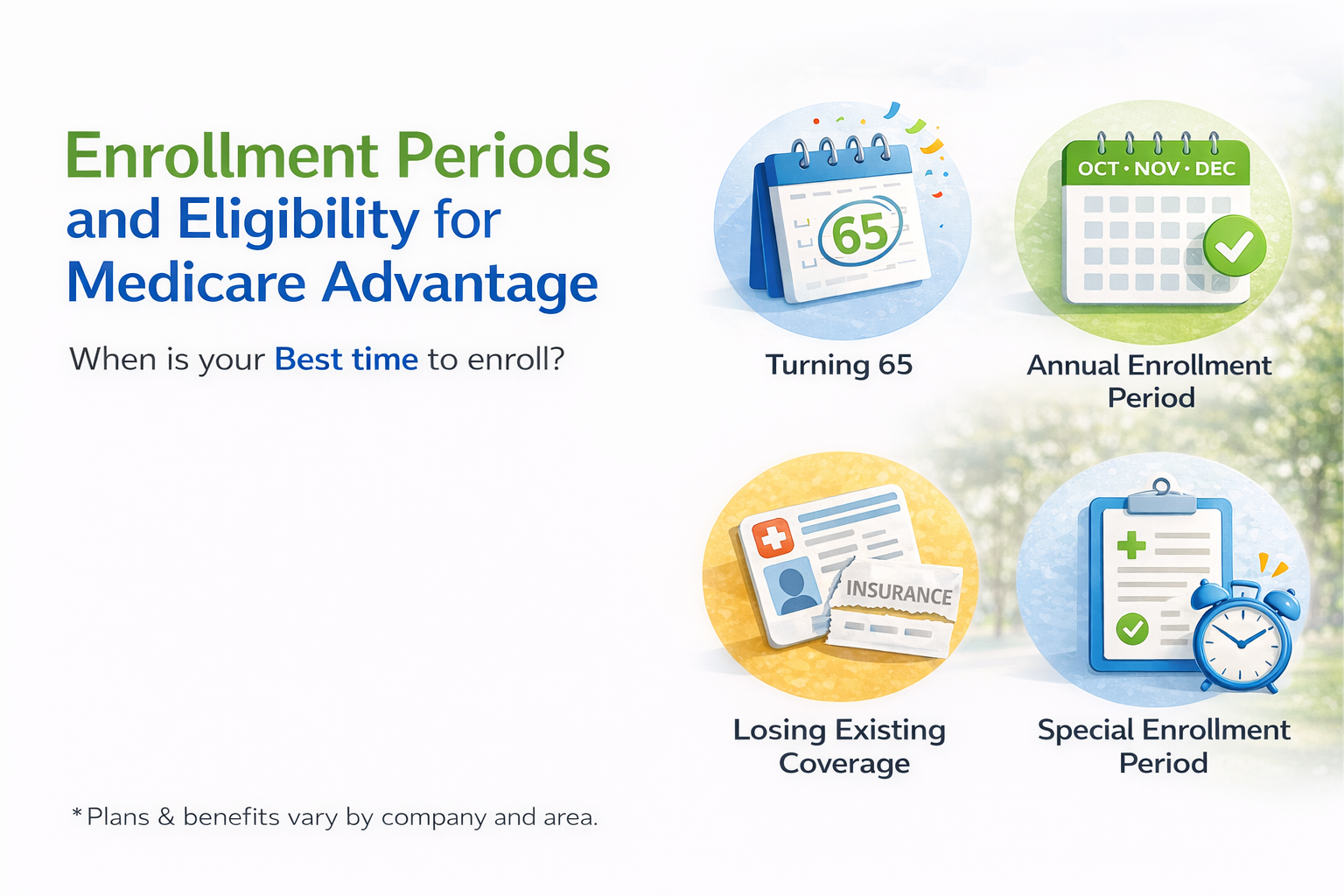
Deciding when to enroll in Medicare Advantage plans involves understanding specific periods designated for beneficiaries. For new enrollees, the Initial Enrollment Period (IEP) is crucial. This window typically starts three months before your 65th birthday, extends through the birthday month, and lasts until three months after, giving you ample time to sign up for a new plan. For existing beneficiaries, the Annual Enrollment Period (AEP), from October 15 to December 7, is vital. This period allows you to review and switch plans based on any changes or updates that fit your needs better.
Additionally, the Medicare Advantage Open Enrollment Period, from January 1 to March 31, offers an opportunity to make adjustments if your current plan isn’t meeting your expectations. It’s also important to consider Special Enrollment Periods (SEPs) that can occur due to specific life events like moving to a new location or losing other insurance coverage. Understanding these times helps you stay informed and ensures you’re not caught off guard by deadlines. Gaining insights into these periods is fundamental to optimizing your Medicare plan choices.
Existing beneficiaries should also watch for new CMS regulations and provider expansions that may affect plan offerings. With HealthPartners exploring growth and adding new benefits, staying informed about these developments can help you choose a plan that aligns more closely with your healthcare priorities. Evaluating network options and supplemental benefits during these enrollment periods ensures a comprehensive approach to your Medicare Advantage decisions. This perspective allows beneficiaries to weigh their options with confidence.
How HealthPartners Can Help You
Selecting a Medicare Advantage plan can feel overwhelming, but HealthPartners is here to provide you with valuable assistance. They offer numerous resources and support to help Medicare enrollees understand and manage their healthcare needs effectively. From comprehensive health benefits to connecting you with a reliable network of providers, HealthPartners emphasizes the importance of informed decision-making for better health outcomes. By leveraging these resources, you can confidently navigate your enrollment journey and select the plan that best meets your needs.
Resources and Support for Medicare Enrollees
HealthPartners understands that having access to the right information and support makes a significant difference for Medicare enrollees. They offer a wide array of resources designed to educate and assist individuals in making well-informed healthcare decisions. For example, HealthPartners provides detailed plan information and enrollment support through various channels, helping you weigh available benefits against your specific health needs. Their well-structured provider network ensures you can access quality medical care efficiently, minimizing the stress often associated with choosing healthcare providers.
Moreover, HealthPartners emphasizes personalized support, offering tools that help compare plan options based on individual circumstances. These resources empower you to understand the nuances of each plan, such as differences in cost, coverage, and additional health benefits, like preventive care and wellness programs.
With a focus on clear and accessible communication, HealthPartners helps demystify Medicare Advantage plans, ensuring you grasp all essential details without feeling overwhelmed. Additionally, they offer ongoing education about changes in Medicare policies and regulations, keeping you updated on how these may affect your coverage and options.
Exploring HealthPartners 2027 Medicare Advantage plans can help you find options that align with your health care needs. These plans offer various benefits, which may include hospital care, doctor visits, and prescription coverage. Consider your personal health requirements and compare available plans by entering your ZIP code on our site. We aim to provide you with unbiased information so you feel more informed and confident in your decision-making. Remember, you can also reach out for guidance when our phone line becomes available. We’re here to support you in navigating Medicare Advantage with ease.
Compare plans and enroll online
Frequently Asked Questions
What are HealthPartners' 2027 Medicare Advantage plans?
HealthPartners’ 2027 Medicare Advantage plans offer diverse healthcare options integrating hospital, medical, and prescription coverage. These plans often include additional benefits like dental and vision, combining Parts A, B, and often D in an all-in-one package.
How do Medicare Advantage plans differ from Original Medicare?
Unlike Original Medicare, Medicare Advantage plans provided by private companies often cover additional services such as prescription drugs, dental, and vision benefits. Original Medicare includes only Part A and Part B without these extras.
What should I consider when comparing Medicare Advantage plans?
When comparing plans, evaluate the star ratings, provider networks, coverage levels, and any additional benefits. Consider your health needs and financial situation to select a plan that fits well.
Can I change my Medicare Advantage plan after enrolling?
Yes, during specific times like the Annual Enrollment Period (AEP) and the Open Enrollment Period (OEP), you can change your plan. It’s important to note the enrollment periods to ensure timely changes.
What supplemental benefits can I get with a Medicare Advantage plan?
Supplemental benefits can include dental, vision, hearing coverage, wellness programs, fitness memberships, and more. These benefits cater to broader health needs that go beyond what Original Medicare offers.
Have Questions?
Speak with a licensed insurance agent
1-833-641-4938
TTY users 711
Mon-Fri: 8am-9pm ET
Find & Compare Plans Online
ZRN Health & Financial Services, LLC, a Texas limited liability company

Russell Noga is the CEO of ZRN Health & Financial Services, and head content editor of several Medicare insurance online publications. He has over 15 years of experience as a licensed Medicare insurance broker helping Medicare beneficiaries learn about Medicare, Medicare Advantage Plans, Medigap insurance, and Medicare Part D prescription drug plans.