






Medicare Advantage Networks Explained 2026
Wondering how Medicare Advantage networks will change in 2026? This article will explain everything you need to know about Medicare Advantage networks explained 2026, from the types of plans available to the changes you can expect. Stay informed to make the best choices for your healthcare.
Key Takeaways
- Medicare Advantage plans offer various types, including HMO, PPO, PFFS, and SNP, each with distinct rules for provider access and coverage.
- Significant changes expected in 2026 include a 10% decrease in available plans, network expansions for better access to specialists, and enhanced telehealth services.
- Beneficiaries must carefully evaluate provider networks and costs, particularly the financial implications of choosing in-network versus out-of-network providers, to optimize their healthcare choices.
Compare Plans In One Step!
Basics of Medicare Advantage Networks
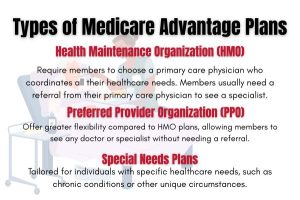
Medicare Advantage networks, also known as Medicare Part C, encompass a variety of plan types, including HMO, PPO, PFFS, and SNP.
These plans are offered by private insurers and provide an alternative to Original Medicare, often including additional benefits such as prescription drug coverage, supplemental benefits, and Part D plans not available in traditional Medicare.
Each plan type has unique rules for coverage and provider access, so Medicare beneficiaries need to understand these differences when selecting a plan.
With Medicare Advantage beneficiaries typically having access to only about half the physicians available under traditional Medicare, evaluating provider networks becomes even more critical to ensure adequate access to care.
Health Maintenance Organization (HMO) Plans
HMO plans have the following key features:
- Members must receive care from a network of doctors and hospitals, except in emergencies.
- These plans usually do not cover out-of-network services, emphasizing the importance of staying within the network for all medical needs.
- Members must choose a primary care physician who coordinates all healthcare services, reinforcing the managed care aspect of HMO plans.
This structure helps control costs and ensures that care is streamlined and efficient for Medicare Advantage enrollees.
Preferred Provider Organization (PPO) Plans
PPO plans offer greater flexibility compared to HMOs, with the following features:
- Members can see any provider that accepts Medicare.
- Lower costs are applied for in-network services.
- Members can seek care from out-of-network providers but will face higher out-of-pocket costs for doing so.
This flexibility makes PPO plans appealing to those who want more freedom in choosing their healthcare providers, despite the potential for increased expenses.
Private Fee-For-Service (PFFS) Plans
PFFS plans provide a unique option with the following features:
- Members can visit any Medicare-approved provider who agrees to the plan’s payment terms.
- These plans do not require the use of a specific network.
- They offer more flexibility in choosing healthcare providers.
However, it is essential for members to confirm that their providers agree to the payment terms, as this can vary by provider.
Special Needs Plans (SNP)
Special Needs Plans (d SNP) cater to specific populations, such as individuals with chronic conditions or those who are dual eligible, special for Medicare and Medicaid. These plans are designed to provide targeted healthcare services that meet the unique needs of their members.
SNPs align care with specific health requirements to improve health outcomes and provide more personalized care for Medicare Advantage enrollees.
Changes to Medicare Advantage Networks in 2026

As we look forward to 2026, several significant changes to Medicare Advantage networks are expected, impacting over 2 million beneficiaries.
One notable change is the anticipated 10% decrease in the number of available Medicare Advantage plans, which will require beneficiaries to carefully evaluate their options during enrollment periods.
Beneficiaries must stay informed and proactive in managing their Medicare coverage and Medicare and Medicaid services to continue receiving necessary healthcare services amid these changes.
Network Expansion Initiatives
Network expansion initiatives aim to improve access to necessary healthcare services for Medicare Advantage enrollees within the service area. Broader provider networks can enhance access to specialists and hospitals, which is important for comprehensive care.
These expansions aim to address current limitations in specialty care availability, ensuring that beneficiaries have better access to the healthcare providers they need.
Telehealth and Virtual Care Integration
In 2026, Medicare Advantage plans will enhance telehealth services, allowing patients to consult with physicians remotely.
This integration of virtual care is designed to improve accessibility and convenience for beneficiaries, enabling them to receive medical advice and treatment without the need for in-person visits.
Patients using Network Health Prime (MSA), for instance, will pay $55 for virtual visits before meeting their deductible, and $0 afterward.
Enhanced Coordination of Care
Enhanced coordination of care is another key change for 2026, aiming to streamline care delivery and improve health outcomes for Medicare Advantage members. This initiative includes in-home assessments by health professionals to better manage chronic conditions and reduce hospital readmissions.
Improved coordination among healthcare providers enables beneficiaries to achieve better health outcomes and enjoy a more seamless care experience.
Compare plans and enroll online

Evaluating Provider Networks

Evaluating provider networks is essential for Medicare beneficiaries to maximize their healthcare options while minimizing costs.
With about 6 million Medicare Advantage enrollees in HMOs that permit out-of-network services, albeit at higher costs, careful consideration of network size and composition is crucial.
Beneficiaries need to assess their access to care and make changes during specific enrollment windows, such as the AEP, OEP, and SEPs, to ensure adequate coverage.
Importance of In-Network Providers
Choosing in-network providers usually results in lower overall healthcare costs for beneficiaries. In-network services often come with lower copayments, coinsurance, and deductibles than out-of-network services, making it financially advantageous to stay within the network.
This cost-saving aspect is an important factor when evaluating cost-sharing Medicare Advantage plans.
Checking Provider Availability
Beneficiaries can use the following methods to check if their preferred doctors are part of a Medicare Advantage plan’s network:
- Use the Medicare Plan Finder tool to simplify the selection process.
- Consult the provider directory of their Medicare plan.
- Contact customer service to confirm provider participation and avoid unexpected out-of-pocket costs.
This verification process is crucial for maintaining continuity of care and ensuring access to preferred healthcare providers, including prior authorization.
Access to Specialists and Hospitals
Making sure that necessary specialists and hospitals are included in a Medicare Advantage plan’s network can prevent unexpected medical costs. Beneficiaries need to confirm that their required specialists and preferred hospitals are contracted with their specific Medicare plan.
This step is vital to accessing the treatment options they need without incurring higher out-of-pocket expenses.
Cost Implications of Network Choices

Understanding the cost implications of choosing in-network versus out-of-network providers is crucial for managing healthcare expenses. Staying in-network typically results in lower out-of-pocket costs, whereas utilizing out-of-network services can significantly increase overall healthcare expenses.
Careful evaluation of provider networks allows beneficiaries to make informed decisions that align with their financial and healthcare needs.
In-Network vs. Out-of-Network Costs
Using in-network providers generally leads to lower out-of-pocket expenses compared to out-of-network providers. Out-of-network services often come with higher deductibles, copayments, and coinsurance rates, increasing costs for beneficiaries.
Out-of-network providers can also charge for the difference between their fees and what the insurance covers, a practice known as balance billing, further increasing costs.
Understanding Out-of-Pocket Maximums
The maximum out-of-pocket limit for Medicare Advantage plans cannot exceed $9,350 for in-network services and $14,000 for combined in- and out-of-network services in 2025. This cap is designed to limit the total spending on healthcare services, providing financial protection for beneficiaries.
Once members reach their out-of-pocket maximum, their plan usually covers 100% of the costs for covered services for the rest of the year.
Impact of Balance Billing
Balance billing occurs when a healthcare provider bills a patient for the difference between the provider’s charge and the amount paid by Medicare or the Medicare Advantage plan.
This practice can lead to significant out-of-pocket expenses for out-of-network services, making it crucial for beneficiaries to understand the potential financial impact.
Avoiding out-of-network providers can help mitigate these unexpected costs.
Utilizing Network Benefits

Medicare Advantage plans provide coverage through private insurers, offering additional benefits not available in Original Medicare.
These plans enhance coverage through various Medicare advantage plan options, including preventive services, chronic condition management, and additional perks like fitness memberships and vision services.
Utilizing these network benefits can improve beneficiaries’ overall health and well-being while effectively managing healthcare costs, providing all the benefits of a comprehensive approach.
Preventive Services and Screenings
Preventive services and screenings help Medicare Advantage members maintain their health and detect issues early. Network Health plans, for example, offer 100% coverage for preventive services when members use in-network providers.
These services are crucial for early detection and management of potential health problems, leading to better health outcomes.
Chronic Condition Management
Chronic condition management is a crucial component of healthcare, requiring effective coordination to improve patient outcomes for those who are chronically ill. Changes in 2026 aim to improve collaboration among healthcare providers, delivering more integrated care for Medicare beneficiaries.
Improved coordination facilitates better management of chronic conditions, enhancing health outcomes for patients.
Additional Perks and Wellness Programs
Medicare Advantage plans offer premium extra benefits like fitness memberships, vision, and dental services to enhance the overall health and well-being of members.
For example, the One Pass fitness program provides unlimited access to various fitness centers and online classes across the country, which are part of MA plans and more plans.
Beneficiaries can also enjoy annual routine vision exams and allowances for glasses and contact lenses, adding to comprehensive healthcare coverage.
Navigating Network Changes During Enrollment Periods

Beneficiaries should regularly evaluate their current Medicare plans during enrollment periods to ensure optimal coverage. Changes made during these periods can significantly impact access to healthcare services and costs.
Understanding the different enrollment periods and the opportunities they provide for those enrolled is essential for making informed decisions about Medicare coverage.
Annual Enrollment Period (AEP)
The AEP takes place annually from October 15 to December 7, allowing beneficiaries to modify their Medicare coverage for the upcoming year. During this period, members can switch their Medicare Advantage plans or enroll in new ones based on network availability changes.
This period is also an opportunity to review and compare Medicare options to make informed choices.
Open Enrollment Period (OEP)
The Open Enrollment Period (OEP) for Medicare runs annually from January 1 to March 31, providing beneficiaries with a crucial opportunity to adjust their Medicare coverage based on their health needs and provider availability.
During the OEP, individuals can switch Medicare Advantage plans or revert to Original Medicare without facing penalties. This flexibility allows beneficiaries to make necessary changes to optimize their healthcare plans.
Special Enrollment Periods (SEP)
Special Enrollment Periods (SEPs) allow beneficiaries to make changes to their Medicare plans outside of the regular enrollment periods due to qualifying life events, such as moving or losing existing health coverage. SEPs provide flexibility to enroll or change plans during unexpected life events, ensuring that beneficiaries can adjust coverage as needed.
This adaptability is crucial for maintaining access to necessary healthcare support services during significant life changes.
Summary
In summary, understanding the intricacies of Medicare Advantage networks and the upcoming changes in 2026 is vital for making informed decisions about healthcare coverage. From the various plan types to the importance of evaluating provider networks and utilizing network benefits, beneficiaries have numerous factors to consider.
By staying informed and proactive, Medicare Advantage enrollees can optimize their healthcare plans to ensure comprehensive coverage and manageable costs. Embrace these changes and take control of your healthcare journey to achieve the best possible outcomes.
Frequently Asked Questions
→ Will Social Security increase in 2026 for the Medicare deduction?
Social Security will increase in 2026 with a 2.8% COLA; however, this increase may be significantly offset by rising Medicare Part B premiums, which are expected to reach $202.90 per month. Thus, while beneficiaries may see a nominal increase, their net gains could be diminished by higher deductions.
→ How will Medicare Advantage plans change in 2026?
Medicare Advantage plans will see increases in Part B and Part A premiums and changes in average premiums for Advantage and Part D plans in 2026. Additionally, there will be a slight decrease in the maximum out-of-pocket limit and adjustments to income-related premium surcharges.
→ What are the main types of Medicare Advantage plans?
The main types of Medicare Advantage plans are HMO, PPO, PFFS, and SNP, each offering specific coverage rules and provider access. It is essential to understand these differences to choose the most suitable option for your needs.
→ How will Medicare Advantage networks change in 2026?
In 2026, Medicare Advantage networks are anticipated to shrink, with a projected 10% decrease in available plans, potentially affecting more than 2 million beneficiaries.
→ Why is it important to choose in-network providers?
It is crucial to choose in-network providers as they usually offer lower healthcare costs through reduced copayments, coinsurance, and deductibles, ultimately saving you money. Making this choice ensures that you maximize your insurance benefits.
Have Questions?
Speak with a licensed insurance agent
1-833-641-4938
TTY users 711
Mon-Fri: 8am-9pm ET
Find & Compare Plans Online
ZRN Health & Financial Services, LLC, a Texas limited liability company

Russell Noga is the CEO of ZRN Health & Financial Services, and head content editor of several Medicare insurance online publications. He has over 15 years of experience as a licensed Medicare insurance broker helping Medicare beneficiaries learn about Medicare, Medicare Advantage Plans, Medigap insurance, and Medicare Part D prescription drug plans.