






2026 Changes to Medicare Advantage Plans
As we approach 2026, important changes to Medicare Advantage plans are on the horizon, specifically the 2026 changes to Medicare Advantage plans. These changes include reductions in the number of available plans, premium increases, and new supplemental benefits.
This article will provide you with a concise overview of what to expect and how these changes might impact your healthcare coverage.
Key Takeaways
- The number of Medicare Advantage plans will decrease by approximately 10% in 2026, limiting options for some beneficiaries and increasing the importance of plan selection.
- Significant premium increases and modifications to supplemental benefits, such as decreased dental allowances, will necessitate careful financial planning for Medicare beneficiaries.
- New prior authorization requirements will improve processing times for treatment approvals, while changes to out-of-network services will result in higher costs for beneficiaries seeking care outside their network.
Compare Plans In One Step!
Key Changes to Medicare Advantage Plans in 2026

One of the most significant changes in 2026 is the reduction in the number of available Medicare Advantage plans, which will decrease by approximately 10% to 3,373 plans.
This decline means that some areas will, for the first time, be left without any Medicare Advantage options, forcing residents to rely on traditional Medicare.
Given this reduction, reviewing your plan options and understanding the implications of choosing or sticking with Original Medicare becomes crucial.
Medicare Advantage premiums are generally increasing. Although some insurers are maintaining or reducing premiums, the average monthly premium for plans with drug coverage is expected to rise to $66 from $60 in 2025.
This premium increase underscores the necessity of balancing costs and benefits when choosing a plan.
New features will be added to the Medicare Plan Finder to assist beneficiaries in this process. These updates will enable easier comparison of plans that include supplemental benefits like weight management programs.
The annual out-of-pocket limit for in-network services will decrease, while the cap for out-of-network services is yet to be announced.
These changes strive to offer greater transparency and simplify the selection of the most suitable artificial intelligence plan choices.
Updates to Prescription Drug Coverage
Prescription drug coverage under Medicare Advantage plans is also undergoing notable changes. In 2026, the out-of-pocket maximum for Medicare Part D prescription drug plans will rise to $2,100.
Additionally, the deductible for these plans is set to increase to $615. These adjustments highlight the need for budgeting higher upfront costs to benefit from comprehensive drug coverage.
Beneficiaries will also see reduced prices for ten high-cost prescription drugs, including treatments for arthritis and diabetes. This price reduction is a welcome relief for those managing chronic conditions and high medical costs, especially for those who are chronically ill.
Additionally, the shift from copayments to coinsurance for prescription plans and prescription coverage may alter how beneficiaries pay for their pharmacy medications.
Automatic enrollment for those who opted for monthly installment payment for drug costs will continue, simplifying the process for many beneficiaries, including MA enrollees. Medicare Part D participants can opt to distribute their out-of-pocket prescription costs into monthly payments, easing expense management for enrollees.
These changes intend to offer greater flexibility and financial relief for those dependent on prescription medications, including those enrolled in Part D coverage, with a paid option available for easier budgeting.
Enhancements to Supplemental Benefits

In 2026, Medicare Advantage plans will include various supplemental benefits aimed at enhancing overall healthcare coverage. These benefits include improved dental, vision, and hearing services, catering to the diverse needs of beneficiaries.
CMS expects stable access to these supplemental benefits, providing multiple options for most beneficiaries, including Medicare and Medicaid services.
Expect a variety of options for hearing, dental, and vision care within Medicare Advantage plans. However, note the following regarding dental care:
- The average dental allowance is decreasing by 10%, down to approximately $2,107.
- Beneficiaries may need to reassess their dental care needs.
- Planning accordingly is important due to this reduction.
Overall, these enhancements are designed to provide comprehensive coverage that goes beyond basic medical services. Through more inclusive supplemental benefits, Medicare Advantage plans seek to meet beneficiaries’ holistic health needs, ensuring they receive essential care for their well-being.
Compare plans and enroll online

Impact of the Inflation Reduction Act on Medicare Advantage
The Inflation Reduction Act has introduced several changes that will impact Medicare Advantage plans in 2026. One of the key changes is the elimination of cost-sharing and deductibles for adult vaccines, which has been in effect since January 1, 2023.
This policy encourages beneficiaries to stay current with their vaccinations without incurring extra costs.
Additionally, the Act has set a cost-sharing limit for insulin, ensuring that beneficiaries pay the lesser of the covered insulin product’s applicable cost-sharing amount.
This measure seeks to make insulin more affordable for diabetes management, thus reducing the financial burden on beneficiaries.
The Inflation Reduction Act changes cost-sharing policies for essential healthcare services and affects Medicare Advantage plans. These changes are designed to make healthcare more accessible and affordable, ultimately benefiting Medicare beneficiaries and improving their quality of life.
New Prior Authorization Requirements
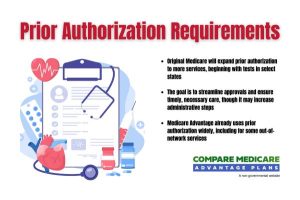
Prior authorization requirements for Medicare Advantage plans are changing in 2026 to streamline the process and reduce burdens on beneficiaries.
Medicare Advantage plans must process standard authorization requests within seven days and urgent requests within 72 hours. This change aims to expedite the approval process and ensure timely access to necessary treatments.
Approved prior authorizations will also remain valid throughout the treatment period, even if the patient changes providers. This continuity of care is crucial for maintaining treatment plans without unnecessary interruptions or delays.
Medicare Advantage plans will also be required to publish reports on the number of approved, denied, or overturned prior authorization requests.
While prior authorization is widely used to manage coverage decisions, critics argue that it can create burdens for caregivers and risk patients’ health.
To tackle these issues, a pilot program for prior authorization in Original Medicare will commence, impacting millions of beneficiaries in select states. These changes strive to balance necessary oversight with efficient access to healthcare services.
Changes to Out-of-Network Services
Changes to out-of-network services under Medicare Advantage plans in 2026 will impose higher costs for beneficiaries seeking care from providers outside their network. This change encourages the use of in-network services, where costs are typically lower and care coordination is more efficient.
A significant portion of Medicare Advantage participants may face penalties or increased charges when utilizing out-of-network services.
Those who depend on out-of-network providers will face higher out-of-pocket expenses under the new guidelines. Understanding your plan’s network and the costs of out-of-network services becomes critical.
New regulations will mandate clearer information about out-of-network costs to improve transparency.
Plans will also adopt standardized approaches to out-of-network coverage, influencing cost management. These adjustments intend to offer better information, aiding beneficiaries in making informed healthcare decisions.
Special Enrollment Periods and Eligibility

Special enrollment period allows Medicare beneficiaries to adjust their Medicare Advantage plans following significant life changes.
Events such as moving outside a service area, losing Medicaid eligibility, or being released from incarceration can trigger eligibility for an SEP. During these periods, individuals can enroll in a new plan or revert to Original Medicare within specified windows.
Beyond life events, special circumstances like misleading information from a plan representative may also qualify individuals for an SEP on a case-by-case basis.
This ensures beneficiaries can modify their special needs plans if misled or misinformed about coverage options, maintaining a reasonable expectation of accurate information.
Knowing the criteria for SEPs and how to qualify enables beneficiaries to optimize their Medicare coverage. Staying informed about eligibility and enrollment windows helps beneficiaries secure the right plan for their needs.
Resources for Medicare Beneficiaries
Multiple resources are available to assist Medicare beneficiaries in navigating changes and making informed healthcare decisions. The State Health Insurance Assistance Program (SHIP) provides personalized assistance with Medicare options, offering guidance tailored to individual needs.
The Medicare Rights Center also offers free advice and resources to help beneficiaries understand their rights and options.
Online tools like the Medicare Plan Finder enable beneficiaries to compare and enroll in Medicare Advantage and Part D plans.
These tools are essential for exploring plan options and finding the best fit for healthcare needs. The 1-800-MEDICARE hotline is also available for inquiries and assistance with Medicare coverage.
Local community organizations frequently conduct workshops and seminars to educate beneficiaries on Medicare plan changes and resources.
Utilizing these centers for Medicare resources helps beneficiaries stay informed and make sound decisions about their health care provider coverage as a provider.
Summary
The changes to Medicare Advantage plans in 2026 are significant and will impact various aspects of healthcare coverage for beneficiaries. From reductions in the number of available plans and increases in premiums to updates in prescription drug coverage and enhancements to supplemental benefits, it’s crucial to stay informed and proactive in managing your healthcare.
As you navigate these changes, remember to utilize the resources available to you, such as SHIP, the Medicare Rights Center, and online tools like the Medicare Plan Finder. By staying informed and taking advantage of special enrollment periods, you can ensure that you have the best possible coverage to meet your needs. Take charge of your healthcare and make the most of the opportunities available to you.
Frequently Asked Questions
→ What are the key changes to Medicare Advantage plans in 2026?
The key changes to Medicare Advantage plans in 2026 include a reduction in the number of available plans, an increase in premiums, enhancements to the Medicare Plan Finder, and a decrease in the annual out-of-pocket limit for in-network services. These modifications will significantly impact beneficiaries’ choices and costs.
→ How will prescription drug coverage change in 2026?
Prescription drug coverage in 2026 will feature a higher out-of-pocket maximum and deductibles, alongside reduced prices for high-cost medications and a transition from copayments to coinsurance. This change aims to enhance affordability and accessibility for patients.
→ What supplemental benefits will be available in Medicare Advantage plans in 2026?
Medicare Advantage plans in 2026 will include enhanced dental, vision, and hearing services, despite a 10% decrease in the average dental allowance. This adjustment reflects an ongoing commitment to broader healthcare needs while managing costs.
→ How does the Inflation Reduction Act affect Medicare Advantage plans?
The Inflation Reduction Act significantly impacts Medicare Advantage plans by eliminating cost-sharing and deductibles for adult vaccines and establishing cost-sharing limits for insulin. This ensures more affordable access to essential healthcare services for beneficiaries.
→ What are the new prior authorization requirements for Medicare Advantage plans in 2026?
The new prior authorization requirements for Medicare Advantage plans in 2026 mandate that standard requests be processed within seven days, urgent requests within 72 hours, and that public reports on prior authorization requests be made available. These changes aim to enhance efficiency and transparency in the approval process.
Have Questions?
Speak with a licensed insurance agent
1-833-641-4938
TTY users 711
Mon-Fri: 8am-9pm ET
Find & Compare Plans Online
ZRN Health & Financial Services, LLC, a Texas limited liability company

Russell Noga is the CEO of ZRN Health & Financial Services, and head content editor of several Medicare insurance online publications. He has over 15 years of experience as a licensed Medicare insurance broker helping Medicare beneficiaries learn about Medicare, Medicare Advantage Plans, Medigap insurance, and Medicare Part D prescription drug plans.