






Comparison of Medicare Plans for 2026
Finding the right Medicare plan can be challenging with so many options available. In this article, we’ll provide a comparison of Medicare plans, focusing on Original Medicare, Medicare Advantage, and Medigap.
Understanding their differences in coverage, cost, and benefits can help you make an informed decision.
Key Takeaways
- Medicare offers various coverage options, including Original Medicare (Part A and Part B), Medicare Advantage (Part C), and Medigap, each catering to different healthcare needs and budgets.
- When comparing plans, consider factors such as provider flexibility, out-of-pocket costs, additional benefits, and prescription drug coverage to find the most suitable Medicare option.
- Utilizing comparison tools and consulting with licensed insurance agents can streamline the process of selecting a Medicare plan, ensuring comprehensive coverage tailored to individual needs.
Compare Plans In One Step!
Understanding Medicare Coverage Options

Medicare, the federal health insurance program, primarily caters to individuals aged 65 and older, as well as certain younger people with disabilities. Original Medicare, also known as Part A and Part B, forms the foundation of this program.
Part A covers hospital coverage, which includes inpatient hospital stays, care in a skilled nursing facility, hospice care, and some home health care services. Part B, on the other hand, covers medical insurance, including outpatient care, preventive services, and some home health care.
For those looking for more comprehensive coverage, Medicare Advantage plans (Part C) combine the benefits of Part A and Part B and often include Part D for prescription drugs.
These plans are offered by private insurance companies approved by Medicare and can also offer extra benefits like vision, hearing, and dental coverage. This makes Medicare Advantage an attractive option for those seeking all-in-one health plans.
Additionally, Medigap insurance, or Medicare Supplement Insurance, can be paired with Original Medicare to help cover out-of-pocket costs such as copayments, coinsurance, and deductibles.
While Original Medicare can be combined with a separate Part D plan for prescription drugs, Medigap does not typically cover prescription drugs, making it essential to understand all your options when choosing the right plan.
Comparing Original Medicare and Medicare Advantage
When choosing between Original Medicare and Medicare Advantage plans, it’s crucial to consider the flexibility each offers. Original Medicare allows you to visit any doctor or hospital in the U.S. that accepts Medicare, providing a wide range of choices for your healthcare needs.
In contrast, Medicare Advantage plans typically require you to use a network of medical providers, which can limit your options but may also streamline your care.
Cost is another significant factor:
- Original Medicare includes a 20% coinsurance for Part B services after meeting the deductible, which can add up quickly if you require frequent medical care.
- Medicare Advantage plans often come with varying out-of-pocket costs and a yearly cap, providing a safeguard against unexpected high medical expenses.
- This out-of-pocket limit can be a deciding factor for those on a fixed income.
Moreover, Medicare Advantage plans often offer additional benefits that Original Medicare does not, such as routine eye and dental care. Some plans even provide emergency medical care outside the U.S., a valuable benefit for frequent travelers.
These added perks can make Medicare Advantage plans a more appealing choice for those looking for comprehensive coverage.
Costs Associated with Medicare Plans

Understanding the costs associated with Medicare plans is essential for budgeting your healthcare expenses. Key costs include:
- A monthly premium for Original Medicare, with the monthly Part B premium set at $185 in 2025.
- A deductible for Part A, which is $1,676 per benefit period in 2025.
- After meeting the deductible, beneficiaries are typically responsible for 20% coinsurance for most services under Part B.
Medicare Advantage plans, on the other hand, have varying costs, including premiums, deductibles, and out-of-pocket limits that can change annually. These plans often provide a maximum out-of-pocket limit, offering financial protection against significant health expenses.
Reviewing the plan’s out-of-pocket limit for covered services helps you understand your financial responsibilities in a limited context.
For those looking to reduce out-of-pocket expenses further, Medigap plans can cover costs such as deductibles and copayments associated with Original Medicare.
This additional coverage can provide peace of mind, especially for those with frequent medical needs. Comparing the costs and benefits of different plans can help you find the best Medicare Advantage plans for your situation.
Prescription Drug Coverage (Part D)
Prescription drug coverage is a vital component of any comprehensive healthcare plan. Medicare Part D is specifically designed to help cover the cost of prescription drugs, as Original Medicare does not include this coverage.
Medicare Part D plans are offered by private insurance companies and can cover both brand-name and generic drugs, making it easier to manage medication costs.
Many Medicare Advantage plans offer Part D prescription drug coverage. However, it is important to note that this coverage is not guaranteed in every drug plan. Check a plan’s specifics to ensure your medications are covered and understand any associated costs.
Using online tools to compare Medicare plans and pharmacies can help you find the best option for your prescription drug needs.
Compare plans and enroll online

Choosing Between Medigap and Medicare Advantage
When deciding between Medigap and Medicare Advantage plans, it’s important to weigh the pros and cons of each. Medigap insurance is designed to cover additional costs that Original Medicare does not, such as copayments and deductibles.
However, not all Medigap policies provide coverage for prescription drugs, and they generally do not cover long-term care.
Medicare Advantage plans, on the other hand, often offer extra benefits like vision and dental coverage, making them a more comprehensive option. Factors to consider when choosing between these different plans include:
- Coverage options
- Costs
- Provider networks
- Additional benefits
Types of Medicare Advantage Plans
Medicare Advantage plans, also known as Part C, are offered by private companies and often include additional coverage beyond Part A and B, such as prescription drug coverage. There are several types of most medicare advantage plans, each with unique features, including a medicare advantage plan that may offer additional benefits and a medicare contract.
Health Maintenance Organization (HMO) plans typically require members to use a network of doctors and hospitals and obtain referrals to see specialists. Preferred Provider Organization (PPO) plans offer more flexibility, allowing members to see any Medicare-approved provider, though out-of-network services may cost more.
Private Fee-for-Service (PFFS) plans allow beneficiaries to use any Medicare-approved provider who accepts the terms of the plan. Special Needs Plans (SNPs) are tailored for specific groups, such as those with chronic conditions, and must provide Medicare drug coverage.
Medical Savings Account (MSA) plans combine a high-deductible health plan with a medical savings account for healthcare expenses, but do not have a network.
When comparing Medicare Advantage plans, consider if the plan includes additional benefits beyond basic health services, such as dental, vision coverage, and eye exams. Examine the availability of telehealth services offered by the plan as well.
Enrollment Periods for Medicare Plans
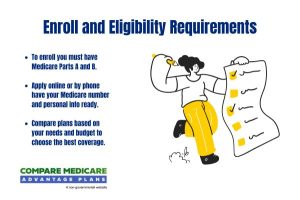
Understanding the enrollment periods for Medicare plans is crucial to avoid penalties and ensure continuous coverage. The Initial Enrollment Period includes:
- Begins three months before you turn 65
- Lasts until three months after the month you turn 65
- If you enroll during this period, your coverage will begin on the first of the month.
The General Enrollment Period runs from January 1 to March 31 each year, with coverage starting the following month. Special Enrollment Periods allow individuals to enroll in Medicare Part B under specific circumstances without incurring a penalty.
Missing your Initial Enrollment Period can result in a late enrollment penalty for Part B coverage, so it’s important to understand these timelines.
Factors to Consider When Comparing Plans
When comparing Medicare Advantage plans, several factors should be taken into account to ensure you choose the best plan for your needs.
One of the most critical considerations is whether your doctors are in network with the plan’s network. This can affect your access to preferred healthcare providers and specialists.
Other key factors include the plan’s coverage for prescription drugs, overall costs, and any additional benefits offered. It’s also important to consider your ZIP code and county, as these can affect the availability of specific Medicare Advantage plans.
Personalized comparisons based on individual healthcare needs are essential for finding the best Medicare Advantage plans that qualify.
How to Use Comparison Tools
Using comparison tools can simplify the process of evaluating different Medicare Advantage plans. A Medicare Advantage comparison worksheet is essential for tracking important elements of different plans side-by-side.
This tool allows you to compare plan costs, coverage options, and additional benefits to make an informed decision.
Medicare Advantage plans are rated on a 5-star scale, with 5 being the best score, based on up to 40 measures of quality and performance. While 5-star plans are not available everywhere, using the plan finding tool on Medicare.gov or insurance broker websites can help you find the best Medicare plans for your needs.
Working with a Licensed Insurance Agent
Consulting a licensed insurance agent can provide invaluable support when navigating Medicare plans. These agents:
- Help you avoid costly enrollment mistakes
- Offer ongoing support to review and adjust your plans annually
- Serve as knowledgeable guides throughout the Medicare plan selection process, ensuring you find the best coverage for your needs.
Licensed insurance agents can also provide personalized advice based on life events, changes in health status, and other factors that may affect your coverage.
Working with a specialist from an insurance company can make the complex world of Medicare more manageable and ensure you make informed decisions about your healthcare.
Summary
Choosing the right Medicare plan requires careful consideration of various factors, from coverage options and costs to provider networks and additional benefits. Whether you opt for Original Medicare, Medicare Advantage, or Medigap, understanding the details of each plan can help you make an informed decision.
By comparing plans, using available tools, and consulting with licensed insurance agents, you can find the best Medicare coverage to meet your healthcare needs. Take charge of your health and make the best choice for your future.
Frequently Asked Questions
→ What is the difference between Original Medicare and Medicare Advantage plans?
The key difference between Original Medicare and Medicare Advantage plans is that Original Medicare offers flexibility to see any doctor or hospital that accepts Medicare, whereas Medicare Advantage plans often require you to use a specific network of providers and may include extra benefits like vision and dental coverage.
→ How much is the Part B premium for Medicare in 2026?
The Part B premium for Medicare in 2026 is established at $202.90 per month.
→ What are the enrollment periods for Medicare?
The Initial Enrollment Period for Medicare begins three months before you turn 65 and extends three months after that month. Additionally, the General Enrollment Period occurs annually from January 1 to March 31, with coverage commencing the following month.
→ Can I get prescription drug coverage with Medicare Advantage plans?
Yes, many Medicare Advantage plans do include Part D prescription drug coverage, but it is important to verify the specifics of each plan.
→ What are the benefits of working with a licensed insurance agent?
Working with a licensed insurance agent ensures that you avoid costly enrollment mistakes, receive personalized advice, and benefit from ongoing support to review and adjust your plans annually. This expertise can significantly enhance your insurance experience and outcomes.
Have Questions?
Speak with a licensed insurance agent
1-833-641-4938
TTY users 711
Mon-Fri: 8am-9pm ET
Find & Compare Plans Online
ZRN Health & Financial Services, LLC, a Texas limited liability company

Russell Noga is the CEO of ZRN Health & Financial Services, and head content editor of several Medicare insurance online publications. He has over 15 years of experience as a licensed Medicare insurance broker helping Medicare beneficiaries learn about Medicare, Medicare Advantage Plans, Medigap insurance, and Medicare Part D prescription drug plans.