What is Dental Insurance and How Does It Work?
Dental insurance is designed to help manage the costs associated with dental care, making oral health more accessible.
Typically offered by insurance companies, these plans cover a portion of the expenses for various dental services, such as check-ups, cleanings, fillings, crowns, and sometimes major procedures like dentures or dental implants. Understanding dental insurance starts with recognizing how these plans function.
Most dental plans work on a cost-sharing basis, where you and the insurance company each pay a part of the total cost for dental services.
This could be through copayments, deductibles, or co-insurance, depending on your specific plan.
When considering dental insurance, it’s important to know that plans can vary significantly. Some provide extensive coverage for preventive services, which might include bi-annual visits to the dentist for cleanings and examinations, thus emphasizing preventive dental care.
However, coverage for treatments like orthodontics or cosmetic procedures often requires additional coverage and does not fall under standard plans. Moreover, each plan comes with its own specifics, including potential waiting periods before certain services are covered.
For seniors, understanding these aspects is crucial, as dental needs tend to grow with age, and choosing the right plan involves evaluating these components carefully to avoid unexpected out-of-pocket costs.
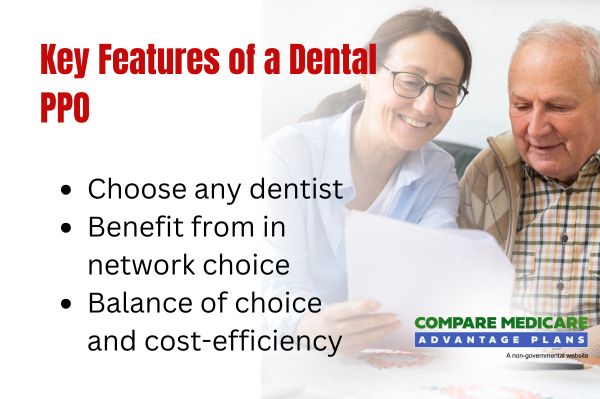
Choosing a dental insurance plan that suits your needs involves comparing the benefits offered by different insurance companies. Some plans might cover a broader range of dental services, while others might focus on basic dental care or offer flexibility for visiting any dentist you choose.
The key is to look for a plan that matches your expected dental needs, including preventive services and any potential major treatments. Reviewing these options thoroughly can save you both money and stress in the long run. Remember, while dental insurance is not a one-size-fits-all, the goal is to find a balance between the coverage you require and the premiums you can afford.
Common Dental Coverage Options and Services

When selecting a dental insurance plan, it’s essential to understand the common coverage options and dental services typically included.
Preventive care, which often covers routine exams, cleanings, and X-rays, is generally included in most dental insurance plans at little to no cost to you. This focus on preventive services is vital for maintaining dental health and catching any potential issues early. Many plans offer full or partial coverage for basic services like fillings and extractions, which are considered necessary treatments beyond preventive care. Basic services often involve a percentage of cost-covered benefit; you might find a plan covering 80% of these procedures.
For major services, coverage can vary widely. Major services include crowns, bridges, dentures, and sometimes dental implants. These procedures typically involve higher costs, and insurance plans often cover 50% of these expenses. Understanding the distinctions within your plan helps you prepare for any potential out-of-pocket costs when major dental work is required.
It’s advisable for seniors to check for limitations or waiting periods tied to these significant procedures, as some plans impose a wait before such coverage becomes effective. Know your plan’s specifics; this knowledge can prevent surprises and aid in planning your dental care effectively.
Additionally, dental plans can include coverage for specialist treatments like periodontics, orthodontics, and endodontics. Specialist care might not be essential for everyone, but it can be a crucial consideration for individuals with specific dental conditions. Those looking for broader coverage might need to evaluate comprehensive plans offering extensive benefits, albeit typically at a higher premium.
Each insurance plan and company outlines these services distinctly, making it worthwhile to examine the fine print and ensure your chosen coverage aligns with your needs. Suggestions for exploring these options include entering your ZIP code online to find plans in your area that cater to seniors, ensuring you select the best coverage for your unique requirements, and preventing large, unexpected bills.
No Waiting Period Dental Insurance: Is It Right for You?
Choosing a dental insurance plan can be complex, especially regarding waiting periods for coverage. Plans that don’t have a waiting period can offer immediate benefits, appealing to many, especially those requiring urgent care. When evaluating whether no waiting period dental insurance is a good fit, it’s crucial to consider the trade-offs, like potential higher premiums in exchange for immediate coverage.
This section will delve into the benefits of choosing plans without waiting periods and examine the potential costs and considerations seniors might face.
Benefits of Choosing Plans Without Waiting Periods

One of the most significant benefits of opting for dental insurance plans with no waiting period is that you gain immediate access to necessary dental services. This is particularly important if you’ve postponed dental work due to cost concerns. With no waiting period, you won’t need to delay treatments like fillings or crowns, which can prevent further complications down the road.
Immediate access means you can approach oral health issues proactively, ensuring they don’t escalate into major problems requiring costly care. Furthermore, having a plan that kicks in right away is a relief for seniors who may face unexpected dental issues that require urgent attention.
No waiting period plans also alleviate anxiety and stress associated with needing dental work but having to wait for insurance benefits to become available. This lack of delay supports seniors in receiving comprehensive care without postponement, aligning with the value of preventive dental care that insurance companies often promote.
By maintaining consistent dental visits, using insurance plans that forgo the waiting period, you could potentially avoid significant and more expensive dental procedures down the line. Prompt treatment also aligns with broader oral health care goals, such as sustaining a healthy dental regimen and mitigating the progression of minor issues into larger ones.
Moreover, these plans can enhance your financial planning concerning healthcare expenses. By eliminating the waiting period requirements, you’re in a better position to manage your dental budgets, avoiding unexpected large dental bills, which can be burdensome. Insurance plans like these can also provide peace of mind by offering broader coverage, whether it’s just basic check-ups or more extensive treatments.
When selecting an insurance company, it would be wise to consider their provisions for plans devoid of waiting periods, which naturally blend the convenience of immediate coverage with the practicality of managing dental costs efficiently.
Practical Steps for Exploring Dental Insurance Plans without Waiting Periods:
- Compare coverage options to ensure a plan aligns with your immediate dental needs and long-term health goals.
- Review the variety of dental services included, such as preventative care and major procedures.
- Check for flexibility in choosing dentists, ensuring you can access local and preferred practitioners.
- Understand any potential policy exclusions or limitations to avoid surprises later.
- Examine the cost-effectiveness in terms of premiums versus benefits received.
- Evaluate customer reviews to gauge satisfaction with the plan’s service and reliability.
- Consult with a dental professional to get personalized advice on immediate dental priorities.
These considerations can guide you in making informed choices about incorporating a waiting-period-free dental plan into your healthcare strategy.