Key Features of Dental Insurance Plans
Dental insurance plans tailored for seniors come with various features designed to address specific dental needs. One of the most significant features is preventive coverage, which often includes routine cleanings and exams aimed at early detection and prevention of dental issues. This aspect can make dental insurance an advantageous addition to regular Medicare, which typically does not cover routine procedures. Dental plans vary widely, offering different levels of coverage for fillings, crowns, bridges, and dentures. Some plans may even cover advanced procedures like implants, though out-of-pocket costs can still be a factor to consider depending on the policy chosen.
Another key element of dental plans is the network of providers. Seniors should ensure their preferred dentists are in-network to benefit from lower costs. Additionally, many dental insurance plans offer flexible options such as choosing a plan that covers emergency services without long waiting periods. These features make dental insurance plans valuable, especially when Medicare’s dental benefits don’t cover as much, fostering a sense of security concerning dental health.
The cost of dental plans can vary significantly. Some plans offer low monthly premiums but higher deductibles or copayments, while others might charge more upfront with greater coverage benefits. It’s crucial for seniors to evaluate their dental needs alongside available insurance options to determine the best plan for their budget and health priorities. By understanding these features, seniors can select the most suitable dental coverage, complementing their existing Medicare plan and ensuring dental health is maintained.
How Dental Insurance Differs From Medicare
Medicare, while comprehensive in many areas, often falls short in covering dental services, which can surprise many seniors as they transition from employment-based insurance. Traditional Medicare typically excludes dental exams, cleanings, and other basic preventive care that’s crucial for maintaining oral health. Instead, it focuses more on hospital and medical coverage, leaving a gap in dental benefits. This gap is where private dental insurance plans step in, offering a variety of options tailored to cover procedures Medicare doesn’t include.
Dental insurance plans complement Medicare by offering dedicated dental coverage that can handle costs associated with more frequent and urgent dental care needs. For instance, Medicare might cover dental procedures deemed medically necessary during other treatments, but routine services like fillings and extractions generally require separate dental insurance. This distinction makes having a dedicated dental plan a smart choice for comprehensive care. Seniors can thus manage dental procedures without worrying about high bills that Medicare doesn’t cover.
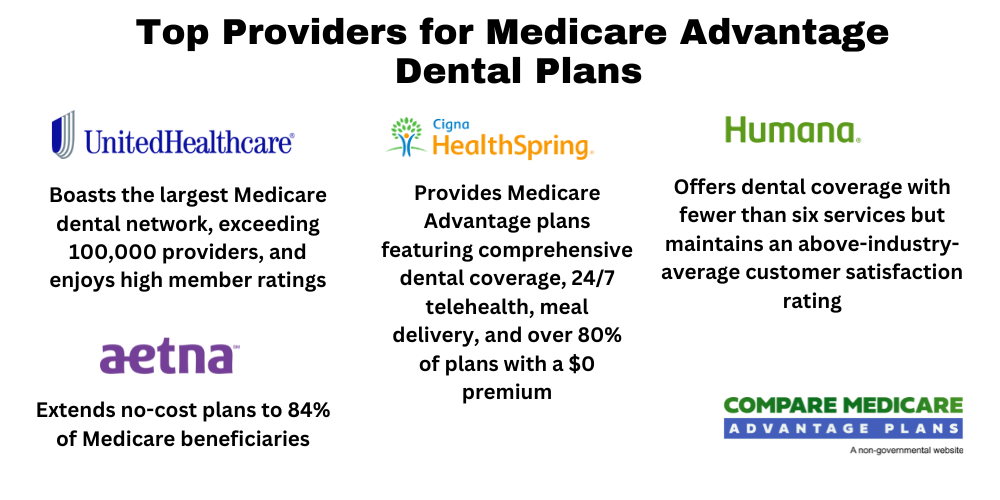
Moreover, while Medicare Advantage plans occasionally offer some dental coverage, it’s not as exhaustive as standalone dental plans. Advantage plans may include dental benefits, but details can vary widely depending on the plan and location. It’s crucial for seniors to understand the specifics of their Medicare plans, assess any existing dental coverage, and fill gaps with additional insurance if necessary. By examining their needs and understanding these differences, seniors and caregivers can strategically choose policies that ensure seamless dental care alongside their medical coverage.
Exploring how dental insurance differs from Medicare provides a foundation for how these plans supplement healthcare needs, highlighting the importance of understanding options as you seek the best comprehensive coverage.
Does Medicare Cover Dental Services?
Medicare, a vital health cornerstone for many seniors, often leaves gaps in dental care coverage. While it covers several healthcare needs, dental services like routine check-ups, cleanings, and fillings are generally excluded. This means seniors relying on Medicare might face unexpected out-of-pocket expenses for essential dental care. To bridge these gaps, understanding Medicare Supplement Plans and other options becomes crucial. Knowing what Medicare includes and excludes helps in planning for effective dental insurance that complements existing medical benefits, ensuring seniors can access the necessary dental care without financial strain.
Limitations of Medicare Coverage
Medicare, predominantly designed for hospital and medical care, often excludes key dental benefits, which poses challenges for seniors needing regular dental care. For most, Medicare doesn’t pay for dental exams, cleanings, fillings, or tooth extractions that are not medically necessary. This lack of routine coverage can lead to unexpected costs and challenges in maintaining oral health. Medicare does, however, cover dental services that are integral to a medical procedure, like jaw reconstruction after an accident or extractions needed for radiation treatment. Unfortunately, such conditions are quite specific, leaving general dental care needs unmet by Medicare alone.
Given these limitations, seniors might find it beneficial to consider Medicare Supplement Plans or Medigap policies, which can offset some shortfalls in dental coverage. However, even these supplementary plans primarily focus on co-pays, deductibles, and hospital costs, not filling the dental coverage void. It’s essential to note that while some Medicare Advantage plans might offer limited dental benefits, they often come with restrictions and varying levels of service company provider networks. For comprehensive dental care, investigating standalone dental policies may offer a more inclusive solution. Seniors often benefit from tailoring a mix of coverages that meet their specific dental needs and help manage overall healthcare expenses.
Understanding these limitations helps in finding additional insurance solutions that cover preventive services and more extensive procedures, helping avoid high out-of-pocket costs for essential dental care. It encourages seniors and their caregivers to explore options that assure comprehensive care, aligning with both financial and health priorities.
Exploring Medicare Supplement Plans

Medicare Supplement Plans, often called Medigap, provide crucial assistance in covering healthcare costs not included under traditional Medicare. Yet, when it comes to dental services, these plans also come with challenges. They’re designed to cover co-pays, coinsurance, and deductibles, essentially supplementing Medicare’s gaps, but not focusing on dental benefits. The options for covering dental care often require separate plans specifically targeting dental insurance needs, as Medicare Supplement Plans rarely address routine dental care, like regular check-ups or necessary procedures.
Nevertheless, some seniors might find Medicare Advantage Plans appealing, which can sometimes include limited dental coverage. However, it’s important to understand that Advantage Plans aren’t one-size-fits-all; they vary by region and service company, suggesting it’s vital to scrutinize these plans closely. They may cover a set number of cleanings or exams, but broader dental needs might still necessitate additional insurance solutions. To navigate these waters, seniors should consider their individual dental care requirements, available Medicare plan options, and how different policies align with their overall healthcare strategy.
Seniors should explore a mix of Medicare Supplement and standalone dental plans to ensure sufficient coverage. By comprehensively reviewing available services, policy limitations, and potential benefits, seniors can enrich their healthcare strategies with the right blend of coverage. This approach aids in achieving peace of mind, knowing both medical and dental needs are met without undue financial burden. Exploring this spectrum of options is pivotal for making informed decisions, thereby fostering confidence and security in one’s healthcare planning.
Diverse Dental Plans for Seniors
As seniors consider their dental care needs, understanding the variety of dental plans available is essential. Not only does Medicare typically fall short in dental coverage, but the options for standalone dental plans and advantage plans can fill those gaps effectively. Each type of plan offers different benefits, costs, and levels of coverage that need careful consideration. By evaluating the diversity of dental plans tailored for senior needs, including standalone options and Medicare Advantage Plans, seniors can ensure comprehensive dental coverage and better manage their specific oral health needs.