Medigap Cost in 2026

Understanding the average cost of a Medicare Supplement Insurance plan, also known as Medigap, is essential for those looking to enhance their Original Medicare coverage in 2026. Medigap plans help pay out-of-pocket expenses such as copayments, coinsurance, and deductibles.

This article breaks down current Medigap pricing trends, key factors influencing rates, and what you can expect to budget in 2026, so you can make an informed decision and get the coverage that best fits your healthcare needs and financial goals.


Key Takeaways


  • Medigap plan costs in 2026 vary by age, location, coverage level, and insurer pricing methods.


  • Comparing premiums and plan benefits across carriers is essential to finding the best value for your needs.


  • Early enrollment in Medigap, especially during your open enrollment window, can yield lower premiums and more coverage choices.


  • Online tools at CompareMedicareAdvantagePlans.org allow users to compare real-time Medigap plan options and enroll easily.


  • Licensed insurance agents provide personalized guidance on Medigap policies, complex scenarios, and cost-saving strategies.

Compare Plans in One Step!

Enter Zip Code


 Advertisement

Understanding Medigap Plan Costs in 2026

Medigap Cost: What Is the Average Cost of a Medicare Supplement Insurance Plan in 2026


Grasping the details of Medigap cost in 2026 is crucial for anyone considering a Medicare supplement plan. As a trusted source for Medicare insights, CompareMedicareAdvantagePlans.org aims to clarify the key elements that drive plan costs and shape the average cost of coverage. The financial landscape around Medigap plans evolves frequently, influenced by diverse factors such as age, location, policy type, and chosen benefits.

Exploring what impacts plan premiums and monthly costs empowers individuals to anticipate future rates more effectively. Let’s take a closer look at what shapes the cost of a Medigap policy, so you can make informed decisions for your health coverage next year.


What Determines the Average Cost of a Medicare Supplement Insurance Plan?

When evaluating the average cost of a Medicare supplement plan, also known as a Medigap plan, several interconnected variables come into play. For starters, age is one of the primary drivers impacting the rates you’ll see.

Most policies are set up with age-related pricing models, including attained-age, issue-age, or community-rated approaches. With attained-age-rated plans, your monthly premiums start out lower but increase as you grow older. Issue-age-rated options lock in your premiums based on the age you were when the policy started, which can keep long-term costs steadier.

Community-rated Medigap policies charge everyone the same rate, regardless of age, focusing more on universal risk and less on individual characteristics. Each method influences overall plan costs, so understanding which structure your preferred policy uses is vital.

Geography is another crucial consideration. Medigap cost can vary widely from state to state, and even from city to city within the same state. Urban areas with higher medical expenses can drive up plan costs, while more rural locales might see comparatively lower average costs. Insurance companies also base their rates and premiums on local competition, state regulations, and prevailing healthcare costs in each region.

That means your zip code plays a direct role in shaping rates and potential savings opportunities through different Medigap plan options.

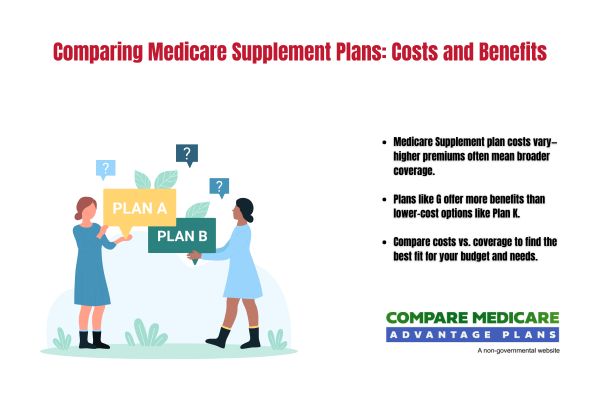
Another significant factor to consider is the specific Medigap plan you select. The federal government standardizes Medigap plans A through N, but each plan offers a unique combination of benefits and coverage level. For instance, extensive coverage policies like Plan G or Plan N often come with higher monthly premiums than basic options like Plan A.

Yet, those higher premiums offer broader benefits, reducing out-of-pocket costs for policyholders during the year. Plan costs are always tied to the medical protection and financial security you’re seeking: greater coverage generally means a higher overall cost, but also more robust benefits at the point of care.

Additionally, your personal medical history and lifestyle choices can influence the average cost of your Medicare supplement. Some Medigap policies may consider tobacco use and health status when setting rates, especially for those enrolling outside their open enrollment period.

While most states require guaranteed issue for the first six months after enrolling in Medicare Part B, applying outside of that window may lead to medical underwriting and higher policy costs for those with pre-existing conditions.

It’s also important to recognize the role of discounts, household pricing, and other incentives, as some insurers offer reduced rates for those living with another Medicare policyholder or for signing up for automatic payments. Furthermore, the company you buy from will result in variable plan costs, as insurers can set different premiums and apply their own pricing methodology, despite selling plans with identical standardized benefits. Since every insurer can adjust premiums annually, reviewing options and anticipated rate increases is essential for long-term affordability.

As an insurance expert at CompareMedicareAdvantagePlans.org, I advise individuals to actively compare all these elements, plan type, age, location, coverage needs, and personal circumstances, to pinpoint the most cost-effective Medigap policy for your needs.

By considering how these interconnected factors shape Medigap cost, Medicare supplement coverage becomes less mysterious and far more manageable. Our platform is here to help you evaluate real-time plan costs, compare monthly premiums, review benefits, and even connect you to licensed insurance agents for tailored guidance on your next Medigap plan.


Comparing Medigap Premiums Across Different Plans


Comparing Medigap Premiums Across Different Plans


Evaluating Medigap premiums is an essential step when searching for the right Medicare supplement plan to meet your health and financial needs in 2026. With a range of plan options available, premium costs and benefits can differ significantly between carriers, locations, and individual Medigap plan choices.

Understanding how rates are calculated and what drives changes in monthly premiums is key to making a confident insurance decision. The following insights break down the structure of plan premiums, what factors affect their rates, and how to set realistic expectations for plan costs as you seek coverage tailored to your situation.


How Monthly Premiums Are Calculated and What to Expect

When comparing Medigap plan premiums, it’s important to know that monthly premiums reflect a complex mix of variables that go beyond the basic coverage offered by each plan. Medigap premiums are first determined by the type of plan you choose, whether it’s a more comprehensive option, such as Plan G or Plan N, or a basic Medigap plan like Plan A.

Each plan has a standardized set of benefits, which means Plan G from one insurance company covers the same services as Plan G from another. However, that doesn’t mean monthly premiums and overall plan costs are the same across the board.

One of the core factors in determining your monthly premiums is the pricing method, or rate structure, used by the insurer. There are three primary models: attained-age-rated, issue-age-rated, and community-rated. With attained-age-rated Medigap plans, you’ll notice that premiums start out lower, but gradually increase as you age. For issue-age-rated plans, your rate is locked in at the age you purchase the policy, meaning your monthly premium won’t rise because of your age later on. Community-rated plans base premiums on a standard rate for all policyholders, regardless of age, which can provide more pricing stability in certain markets.

Rates can also vary annually due to inflation, changes in medical costs, and insurer rate adjustments, so it’s common for premiums to shift over time, even if your Medigap policy remains unchanged.

Location plays a major role in premium differences, with urban areas and states with higher medical care costs typically seeing higher plan premiums. For example, a Medigap plan in New York City may carry a different monthly premium than a similar plan in rural Oklahoma, due to regional health care expenses and market competition.

Insurers also consider your gender, tobacco use, and whether you’re eligible for discounts, like household or multi-policy reductions. If you enroll during your initial enrollment period, your health status usually won’t impact your premium, but enrolling outside of this window can lead to medical underwriting, which may raise your costs or limit policy choices.

Plan benefits directly influence the premium you pay. More robust Medigap coverage, such as policies that cover excess charges and foreign travel emergencies, come with higher plan premiums. You’ll want to weigh the monthly costs against the value of those added benefits, keeping your personal health outlook and anticipated care needs in mind. Even supplemental factors, such as administrative costs, marketing, and claims experience, can impact the premiums set by each insurance carrier.

At CompareMedicareAdvantagePlans.org, we encourage you to review your Medigap options holistically and factor in both the plan costs and coverage you’ll actually use. Comparing premiums side by side and considering how annual rate changes could shape your long-term expenditures is vital. Our platform allows you to see real-time rates, compare Medigap plans, and review anticipated monthly premiums. You can even connect with licensed insurance agents who can interpret the nuances of plan premiums and help you select coverage that reflects your financial goals.

Being proactive in comparing plan premiums and understanding how monthly premiums are calculated gives you a better foundation for making an informed Medicare supplement choice, one that suits your evolving needs in 2026 and beyond.


Key Factors Influencing Medigap Policy Rates

Understanding what drives Medigap policy rates is essential for anyone seeking to balance cost and comprehensive Medicare supplement coverage. The interplay of age, geographic location, and the selected coverage level shapes the premiums and overall plan costs you’ll encounter. Insurers rely on these factors to set the rates and policy structures that ultimately determine your premium for any given Medicare supplement plan.

Each Medigap policy type, along with market forces and regulatory considerations, impacts both initial and ongoing costs. By analyzing the primary elements affecting rates, you’ll be better equipped to compare supplement plans and choose coverage that aligns with your healthcare and budgetary needs.

Compare plans and enroll online


 Advertisement

Speak with a licensed insurance agent

1-833-641-4938
TTY 711

Mon-Fri : 8am-9pm ET

compare medicare advantage plans

Exploring Age, Location, and Coverage Level Impact

When assessing Medigap policy rates, a nuanced understanding of how age, location, and the level of coverage interact is key to unraveling the full picture of Medicare supplement costs. Insurers set Medigap premiums using established pricing models that integrate these variables, so let’s break down their individual and collective effects on your policy cost.

Age is often at the forefront of Medigap plan pricing structures. Most insurers adopt one of three methodologies: attained-age, issue-age, or community-rated. With attained-age-rated policies, Medigap premiums start lower when you’re younger and increase as you age, reflecting the rising risk and anticipated medical expenses over time.

This can make the initial plan cost appealing, though policyholders should be aware of future cost escalations. In contrast, issue-age-rated policies establish the premium based on your age when you first buy Medicare supplement coverage; the younger you are when enrolling, the lower the lifetime plan costs. Meanwhile, community-rated approaches assign the same rate to all policyholders, regardless of age, which can create predictability in rate changes but may still be affected by inflation and plan-wide adjustments.

Your geographic location is another fundamental determinant of Medigap cost. Living in an area with higher healthcare expenses, such as large urban centers or certain states, generally translates into higher policy rates compared to more rural regions with reduced medical service costs. Local competition among insurers, specific state regulations, and even county-level healthcare trends play a direct role in shaping your Medigap policy premiums.

For example, a supplement plan in California could feature distinctly different rates than an identical coverage option in Florida or Texas, even with standardized benefits.

Premiums can also be affected by community risk pools and provider networks in your state or zip code. The chosen level of coverage rounds out these core influencers. Medigap policies are standardized, from basic Plan A to robust Plan G or Plan N, with each plan offering different coverage and benefit levels.

Comprehensive supplement plans, like Plan G, usually have higher premiums because they cover more out-of-pocket costs compared to basic plans, which means a higher upfront policy cost could ultimately reduce your long-term outlays during the year. However, selecting extensive coverage might not always be the most cost-effective option if your healthcare utilization is low.

Insurers price each policy in line with both benefits offered and the anticipated use of coverage by their customer base. All these variables converge to determine your unique Medigap plan costs. As you review options, consider not just present rate differences but how factors like age progression and anticipated regional healthcare trends may impact your future premiums.

That’s why CompareMedicareAdvantagePlans.org makes it easy to compare supplement plans by age, location, and benefits, equipping you to make an informed, cost-effective decision about your Medicare coverage. Use our tools to examine Medigap policy rates with real-time data on plan premiums, coverage features, and possible rate adjustments.

If deeper insights are needed, our team of licensed insurance agents can provide personalized guidance, ensuring you find the right balance between premium and benefits for your 2026 Medicare supplement plan.

Medigap Enrollment: Timing and Strategies for Savings

When planning your Medicare supplement coverage for 2026, the timing of your Medigap enrollment can make a substantial difference in the cost of your plan and the premiums you pay over time. Strategic enrollment decisions, such as enrolling early during your initial eligibility period, can provide significant savings, access to more policy options, and protect you from medical underwriting.

It’s crucial to understand how enrollment windows, guaranteed issue rights, and carrier pricing models work together to affect your Medigap policy rates.

Let’s explore why the timing of Medigap enrollment plays such a pivotal role and how taking early action can optimize your Medicare supplement strategy, helping you secure the right coverage at the best possible rates.


Why Early Enrollment Can Affect Your Rates in 2026

Deciding when to enroll in a Medigap policy is one of the most important factors that can impact your Medicare supplement premiums and the overall cost of your plan in 2026. Early enrollment, particularly during your Medicare Supplement Open Enrollment Period, offers unique advantages for beneficiaries.

This period, the six months beginning the first month you’re 65 or older and enrolled in Medicare Part B, gives you a guaranteed issue right, meaning Medigap companies can’t deny you coverage or increase your premiums due to pre-existing conditions.

Taking advantage of this window provides you with the broadest possible plan and policy selection, often resulting in lower average premiums compared to those who postpone their enrollment. The significance of guaranteed issue rights during Medigap enrollment cannot be overstated.

Outside the initial enrollment window, insurers may utilize medical underwriting, a process that can lead to higher rates, policy denials, or limited plan access depending on your health status and medical history.

By enrolling early, you’re locking in not only your plan but also the most favorable premiums for your policy. Early enrollment often affords you cost stability with age-rated or issue-age-rated policies, minimizing rate increases that typically occur as you age or as insurers adjust premiums across policyholders. The long-term savings achieved through early Medigap policy enrollment can be substantial, as rate adjustments tend to be more predictable, and you’re less likely to be exposed to the unpredictability of health-based pricing.

Delaying Medigap enrollment past your initial eligibility can introduce both coverage gaps and increased costs. If you apply for a Medigap plan after your open enrollment or guaranteed issue period has ended, you may face higher premium rates or, in some cases, refusal from Medigap companies to issue you a policy at all, especially if you have certain chronic conditions or recent hospitalizations.

Those who delay enrollment also risk missing out on the best savings strategies, like household discounts and multi-policy reductions, as many carriers reserve their most favorable rates and incentives for early enrollees.

Many individuals don’t realize how the structure of Medigap policies encourages early action. For example, attained-age and issue-age pricing structures reward those who obtain coverage at a younger age. With issue-age policies, the premium is set based on your age at enrollment, so waiting results in a permanently higher rate.

Even with community-rated plans, while age isn’t a direct factor, entering the policy pool at the earliest opportunity ensures you benefit from the most stable starting cost before annual adjustments or new surcharges are applied. In a competitive market, timing is integral to capturing the lowest available cost for your Medigap plan, especially as companies adjust rates annually to reflect both overall claims and shifts in the health risk pool.

At CompareMedicareAdvantagePlans.org, we help Medicare beneficiaries recognize the savings opportunities that arise from timely Medigap enrollment. Our platform provides real-time rate comparisons, highlights guaranteed issue opportunities, and breaks down how plan premiums are structured according to enrollment timing. You’re empowered to compare Medigap policies, evaluate the true cost of each plan, and develop a strategy for enrollment that aligns with your health needs and budget for 2026.

If you want personalized assistance, our team of licensed insurance agents is ready to guide you through the nuances of Medigap enrollment and secure the most cost-effective coverage. Remember, the earlier you act, the greater your potential savings, so timing should always be factored into your strategy for a Medicare supplement policy next year.


Using Online Tools to Compare Medigap Plan Options

The advent of online tools has made it significantly easier for Medicare beneficiaries to compare Medigap plan options and make well-informed decisions about their supplemental coverage. Navigating the options for plans, benefits, premiums, and policy costs can be overwhelming without the help of a robust comparison platform. Our website streamlines this process by offering a comprehensive suite of comparison features, allowing you to evaluate plan options side by side, see potential savings, and understand the nuances of premium costs. You can review up-to-date plan details, assess Medigap benefits, and even enroll online. If needed, personalized help is also just a click away through access to licensed agents.


How Our Website Helps You Compare Benefits, Costs, and Enroll with Ease

 

How Our Website Helps You Compare Benefits, Costs, and Enroll with Ease


Choosing the right Medigap plan involves far more than just picking the supplement plan with the lowest premium.

At CompareMedicareAdvantagePlans.org, we’ve developed online tools that empower you to compare multiple Medigap plan options across a diverse range of insurers and policies. These tools give you a clear view of the benefits offered by each plan and highlight essential details, such as what medical expenses different Medigap policies will cover, potential gaps in supplemental coverage, and the projected out-of-pocket costs for each option.

With our comparison features, you’ll be able to evaluate side-by-side differences in coverage levels, policy benefits, and monthly premiums, allowing for an informed comparison that goes beyond just the headline price. Our online comparison tools help demystify Medigap by breaking down the standardized benefits included with Plan A, Plan G, Plan N, and other supplement plans, so you can see exactly what each covers for doctor visits, hospital stays, coinsurance, and more.

You’ll find clear explanations of how coverage and policy premiums interact, helping you prioritize the benefits that matter most to your health needs and budget. Real-time quoting engines let you review up-to-date premiums and projected policy costs unique to your age, location, and individual profile, ensuring that cost transparency is built into your supplement plan search.

Another key feature is the ability to compare not just benefits and costs, but also the fine print of each policy. Our platform lets you spot differences in premium structure, such as attained-age versus issue-age pricing, household discounts, and even multi-policy supplements savings.

These small details can have a big impact on your premiums and overall supplement costs in the years to come. By using our site, you’ll always know how plan options stack up in terms of both regular monthly premiums and long-term coverage value.

The enrollment process is designed for simplicity. Once you’ve compared plan benefits, premiums, and supplemental policy coverage, you can move forward with enrollment directly through our website. We offer a secure, guided enrollment flow that walks you step by step, minimizing the paperwork and complexity involved in joining a Medigap plan.

Users who prefer a more hands-on approach can also connect with our licensed insurance agents, who are ready to provide personalized guidance, explain intricate plan details, and help you strategize your Medigap enrollment for maximum savings and coverage.

By leveraging our platform, you gain more than convenience, you also unlock access to industry expertise, ongoing education, and customized recommendations. Whether you’re driven by finding a lower premium, the most comprehensive policy benefits, or simply clarity on your Medigap coverage options, our goal is to make sure you’re equipped to compare, select, and enroll in the plan that best suits your needs.

When it comes to Medicare supplement plans and Medigap policy choices, knowledge really is power, and CompareMedicareAdvantagePlans.org puts that power at your fingertips with transparent, unbiased plan comparison tools and enrollment support.


Getting Personal Assistance From Licensed Insurance Agents

Making sense of Medigap plan options, supplement coverage, and policy costs in 2026 can feel overwhelming. That’s why many people turn to licensed insurance agents for expert advice and personal assistance as they sift through plan details, premiums, and policy features.

Working with a knowledgeable professional gives you access to tailored recommendations based on your unique healthcare needs, location, and budget, helping ensure you’re not only comparing costs but also selecting the medigap policy that delivers the right coverage.

At CompareMedicareAdvantagePlans.org, we connect you to experienced agents who demystify supplement policies, guide you through enrollment, and answer all your pressing medigap questions about plan differences and cost-saving strategies.


When to Seek Expert Advice for Selecting the Right Medigap Coverage

 

When to Seek Expert Advice for Selecting the Right Medigap Coverage


Deciding when to enlist expert advice from licensed insurance agents can be pivotal for anyone aiming to maximize the value of their Medigap plan while minimizing unnecessary costs or coverage gaps. As you evaluate the multitude of supplement policies available, several key junctures in your Medigap journey often call for professional personal assistance.

For many individuals, the first and most critical moment is when you approach your initial Medicare eligibility and face your Medigap enrollment window. During this brief but vital period, experienced insurance agents help clarify what each plan or policy covers, how premiums are calculated, and why timing impacts your long-term plan costs. Leveraging their expertise means you can compare multiple Medigap policy offerings, from Plan G to Plan N, matching premium levels and benefits with your anticipated healthcare usage.

Licensed insurance agents also play an essential role when you’re dealing with complex health or financial circumstances. If you have pre-existing conditions, unique prescription needs, or anticipate frequent medical service utilization, seeking out expert advice ensures you’re considering policies that balance premium cost with robust coverage.

A professional can demystify the sometimes opaque distinctions between similar Medigap plans, helping you sort through specifics such as household discounts, multi-policy savings, or varying levels of outpatient supplement coverage. Their knowledge about Medigap companies’ underwriting tendencies, pricing methodologies, and local policy availability can uncover plan options and rate structures that you might miss on your own.

This level of personal assistance can be especially critical if you’re outside the guaranteed issue window and subject to medical underwriting, where the right guidance can prevent expensive missteps or policy denials. Additionally, changes in your life, like relocation, retiring, or significant shifts in your health status, are prime times to consult a licensed agent. Insurance agents remain up-to-date with state regulations and can compare how local competition among Medigap companies affects policy premiums and available coverage. They’ll help you assess what plan works best in your new location or after a lifestyle shift, ensuring your new Medigap coverage aligns with the realities of differing healthcare costs or evolving personal needs.

If you’ve delayed Medigap enrollment, agents can advise on navigating late-entry hurdles, help minimize premium increases, and point towards cost-effective policy solutions even outside of open enrollment periods. For Medicare beneficiaries ready to compare supplement plans or unsure about how policy premiums fit into their budget, an insurance expert makes plan comparisons straightforward by providing transparent, real-time information on premiums, benefits, and out-of-pocket costs.

At CompareMedicareAdvantagePlans.org, licensed insurance agents empower you to make confident Medigap decisions by elucidating coverage options, clarifying enrollment details, and comparing premiums across multiple Medigap companies. Rather than feeling overwhelmed by plan options, company differences, or complex policy language, you receive individualized assistance tailored to your specific coverage goals and cost concerns.

Whether you’re just starting to evaluate Medigap options, re-examining your existing supplement plan, or needing expert advice about switching policies or companies, our team is ready to help you optimize your Medicare supplement coverage for 2026. By seeking professional guidance when faced with complex decisions or entering critical enrollment windows, you can secure the right Medigap plan at a comfortable cost, ensuring comprehensive policy protection without financial surprises.

Understanding the average cost of Medigap plans in 2026 empowers you to make an informed decision that fits your healthcare needs and budget. As premiums can vary widely, it’s important to compare options in your area and evaluate what each plan covers. At CompareMedicareAdvantagePlans.org, we’re committed to helping you navigate your choices with expert guidance and user-friendly tools.

Whether you want to compare policies, estimate costs, or speak with a licensed insurance agent, our resources are tailored to simplify your Medicare Supplement journey and help you secure reliable coverage at a fair price.


call today for help

 ZRN Health & Financial Services, LLC, a Texas limited liability company

Find & Compare Plans Online 


 Advertisement

Speak with a licensed insurance agent

 1-833-641-4938
TTY 711

Mon-Fri : 8am-9pm EST

Russell Noga
( Medicare Expert )

Russell Noga is the CEO of ZRN Health & Financial Services, and head content editor of several Medicare insurance online publications. He has over 15 years of experience as a licensed Medicare insurance broker helping Medicare beneficiaries learn about Medicare, Medicare Advantage Plans, Medigap insurance, and Medicare Part D prescription drug plans.